
Simple Marinated Chicken Wings

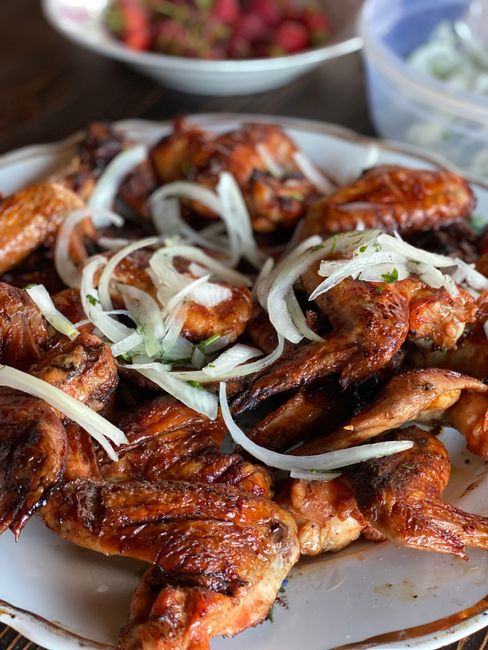
Simple Marinated Chicken Wings: The Ultimate Flavorful & Easy Recipe for Any Occasion
The allure of perfectly cooked chicken wings is undeniable. Crispy skin, succulent meat, and a burst of flavor in every bite – it’s a culinary experience that transcends casual snacking and elevates game days, parties, and weeknight dinners alike. While elaborate recipes with complex marinades and techniques exist, the true magic often lies in simplicity. This comprehensive guide focuses on crafting exceptionally flavorful, simple marinated chicken wings that are accessible to home cooks of all skill levels. We’ll delve into the core principles of effective marinades, explore versatile flavor profiles, and provide detailed instructions for achieving optimal cooking results. By mastering these fundamental techniques, you’ll unlock the secret to consistently delicious chicken wings that will have your guests begging for more.
The foundation of any great chicken wing recipe lies in its marinade. A well-balanced marinade serves multiple purposes: it imparts flavor, tenderizes the meat, and can even contribute to a desirable texture. The key components of a simple yet effective marinade typically include an acid, an oil, and seasonings. The acid, such as lemon juice, vinegar (apple cider, white wine, or balsamic), or even yogurt, works to break down the tough connective tissues in the chicken, resulting in a more tender and succulent final product. It’s crucial to strike a balance with the acid; too much can “cook” the chicken and make it mushy, while too little won’t achieve the desired tenderizing effect. Aim for a ratio where the acid is present but not overpowering.
The oil component of the marinade, typically olive oil, vegetable oil, or canola oil, serves to distribute fat-soluble flavors throughout the chicken and prevents the meat from drying out during cooking. Fat is a flavor carrier, and the oil helps to infuse the chicken with the aromatic elements of the marinade. Furthermore, the oil contributes to a crispier skin during the cooking process, a highly sought-after characteristic of perfectly cooked wings. The choice of oil can subtly influence the overall flavor profile, with olive oil offering a more robust and herbaceous note, while neutral oils like canola or vegetable oil allow the other marinade ingredients to shine through more prominently.
Seasonings are where the personality of your marinated chicken wings truly comes to life. This category is vast and allows for immense creativity. Salt is non-negotiable; it enhances all other flavors and is essential for proper cell structure within the meat. Black pepper adds a subtle warmth and complexity. Beyond these staples, consider a symphony of herbs and spices. Garlic and onion powder are foundational, providing a savory depth. Paprika, whether sweet, smoked, or hot, introduces color and a range of flavor intensities. Dried herbs like oregano, thyme, and rosemary add an earthy, aromatic dimension. For a touch of heat, consider red pepper flakes, cayenne pepper, or a dash of your favorite hot sauce. The beauty of a simple marinade is its adaptability; you can tailor these seasonings to your personal preferences or the specific cuisine you’re aiming for.
When preparing your marinade, the ratio of ingredients is important for achieving the best results. A good starting point for a marinade for approximately 2 pounds of chicken wings is as follows: 1/4 cup of acid (e.g., lemon juice or apple cider vinegar), 1/4 cup of oil, and 1-2 tablespoons of your chosen blend of dried herbs and spices. You can adjust these quantities based on the intensity of flavor you desire and the amount of chicken you are preparing. Always taste your marinade before adding the chicken, adjusting salt, acidity, and spice levels as needed. Remember that the flavors will concentrate as the chicken marinates.
The marinating process itself is as critical as the marinade’s composition. For chicken wings, the ideal marinating time typically ranges from 30 minutes to 4 hours. While longer marination can infuse deeper flavor, extended periods in an acidic marinade can negatively impact the texture of the chicken. For simple marinades, 1-2 hours at room temperature is often sufficient, especially if the wings are cut into smaller pieces. For a more intense flavor or if you have more time, refrigerating the marinated chicken is a safer and often more effective approach, allowing flavors to penetrate without compromising the meat’s integrity. Ensure the chicken is fully submerged or coated in the marinade. Use a resealable plastic bag or an airtight container for marinating. Never marinate chicken at room temperature for more than 2 hours, as this can encourage bacterial growth.
Let’s explore some versatile and simple marinade flavor profiles that are perfect for chicken wings. The "Classic Lemon Herb" marinade is a timeless choice. Combine the juice of one lemon, 1/4 cup of olive oil, 2 cloves of minced garlic (or 1 teaspoon garlic powder), 1 teaspoon dried oregano, 1 teaspoon dried thyme, 1/2 teaspoon salt, and 1/4 teaspoon black pepper. This bright, zesty marinade pairs exceptionally well with a variety of dipping sauces.
For a touch of smoky sweetness, the "Smoked Paprika & Honey" marinade is a winner. Whisk together 1/4 cup of olive oil, 2 tablespoons of honey, 1 tablespoon of smoked paprika, 1 teaspoon of garlic powder, 1/2 teaspoon of onion powder, 1/2 teaspoon of salt, and a pinch of cayenne pepper for a subtle kick. The honey caramelizes beautifully during cooking, creating a sticky, flavorful glaze.
If you prefer a spicier kick, the "Garlic Chili Lime" marinade offers a vibrant and pungent flavor. Combine the juice of one lime, 1/4 cup of vegetable oil, 2 cloves of minced garlic (or 1 teaspoon garlic powder), 1 teaspoon of red pepper flakes, 1/2 teaspoon of salt, and a dash of your favorite chili powder. This marinade is particularly good if you plan to serve the wings with a cooling yogurt-based dip.
For those who enjoy a deeper, more umami-rich flavor, the "Soy Ginger Garlic" marinade is a fantastic option. Mix together 1/4 cup of soy sauce (or tamari for a gluten-free option), 2 tablespoons of rice vinegar, 1 tablespoon of grated fresh ginger (or 1 teaspoon ground ginger), 2 cloves of minced garlic (or 1 teaspoon garlic powder), 1 tablespoon of sesame oil, and 1 teaspoon of brown sugar. Be mindful of the saltiness of soy sauce and adjust accordingly.
Once your chicken wings are marinated, the cooking method is paramount to achieving that coveted crispy exterior and juicy interior. Several methods yield excellent results, each with its own advantages. Baking is arguably the simplest and most accessible method for home cooks. Preheat your oven to 400-425°F (200-220°C). Line a baking sheet with parchment paper or foil for easy cleanup, and arrange the marinated wings in a single layer, ensuring they are not overcrowded. Overcrowding will steam the wings rather than crisp them. Bake for 20-25 minutes per side, or until the internal temperature reaches 165°F (74°C) and the skin is golden brown and crispy. For an extra crispy finish, you can broil the wings for the last 1-2 minutes of cooking, watching them carefully to prevent burning.
Frying, the traditional method for achieving ultimate crispiness, is another excellent option. Ensure you have enough neutral oil (like canola, vegetable, or peanut oil) to fully submerge the wings in a deep fryer or a heavy-bottomed pot. Heat the oil to 350-375°F (175-190°C). Carefully add the marinated wings in batches, avoiding overcrowding the pot. Fry for 8-10 minutes, or until golden brown and cooked through. Remove the wings with a slotted spoon and drain them on a wire rack set over a baking sheet to maintain their crispiness.
Grilling offers a delicious smoky flavor and a desirable char. Preheat your grill to medium-high heat. Place the marinated wings directly on the grill grates, ensuring they have good contact for char marks. Grill for approximately 15-20 minutes, turning occasionally, until cooked through and nicely browned. For even cooking and to prevent flare-ups, you can move the wings to a cooler part of the grill if they are browning too quickly.
Air frying has become an incredibly popular and efficient method for cooking chicken wings. Preheat your air fryer to 400°F (200°C). Place the marinated wings in the air fryer basket in a single layer, ensuring not to overcrowd. Air fry for 18-22 minutes, flipping halfway through, until the wings are golden brown and crispy. The air fryer’s circulating hot air mimics the effects of deep frying with significantly less oil.
For optimal results across all cooking methods, consider a few additional tips. Patting the marinated wings dry with paper towels before cooking can significantly improve skin crispiness, especially if the marinade is particularly wet. This removes excess moisture that can hinder browning. Ensure your cooking surface (baking sheet, grill grate, air fryer basket) is properly preheated before adding the wings; this provides an immediate sear that contributes to crispiness. Don’t be afraid to experiment with different cooking times and temperatures based on the size of your wings and your preferred level of doneness.
The serving of your simple marinated chicken wings is an opportunity to complete the culinary experience. While many enjoy them plain, tossed in a little of their marinade juice (being careful of raw marinade), or with a simple sprinkle of fresh herbs like parsley or chives, a variety of accompaniments can elevate them further. Classic dipping sauces like ranch, blue cheese, or a simple BBQ sauce are always crowd-pleasers. For a more adventurous palate, consider a spicy mango salsa, a creamy avocado dip, or a tangy mustard-based sauce. Fresh vegetable crudités, such as carrot sticks, celery sticks, and bell pepper strips, provide a refreshing contrast and balance to the richness of the wings.
When considering SEO for this recipe, incorporating relevant keywords is crucial. Terms like "simple chicken wings," "easy marinated chicken," "flavorful wings recipe," "baked chicken wings," "grilled chicken wings," "air fryer wings," and specific flavor profile keywords like "lemon herb wings," "honey paprika wings," or "garlic chili lime wings" will help this content rank higher in search engine results. Utilizing long-tail keywords, such as "how to make crispy marinated chicken wings at home," or "best marinade for chicken wings with few ingredients," can attract a highly targeted audience. Ensuring the article is well-structured with clear headings and subheadings, and includes a comprehensive ingredient list and step-by-step instructions, will further enhance its SEO performance and user experience. The focus on simplicity and accessibility makes this recipe appealing to a broad audience, from novice cooks to experienced chefs looking for a reliable and delicious base for their chicken wing creations. By understanding the fundamental components of marinades, exploring diverse flavor possibilities, and mastering various cooking techniques, you are well-equipped to create simple marinated chicken wings that are guaranteed to impress.


