
My Moms Greek Lemon Rice

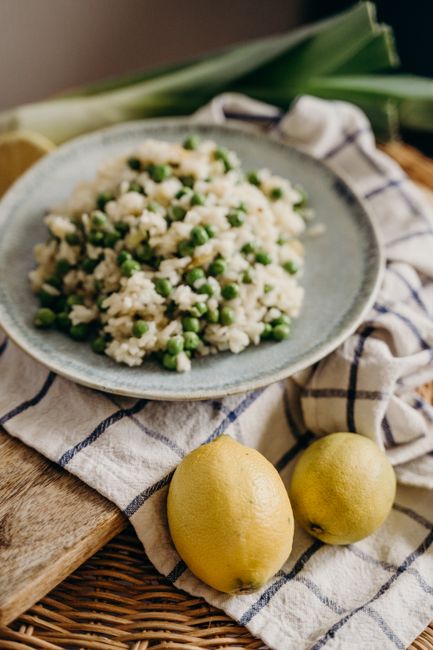
Mom’s Authentic Greek Lemon Rice: A Taste of Sunshine and Tradition
Mom’s Greek Lemon Rice, or Rizi me Lemoni as it’s known in Hellenic households, is far more than just a side dish; it’s a culinary cornerstone, a vessel of memory, and a vibrant expression of Greek cuisine’s soul. This seemingly simple preparation of rice, infused with the bright, zesty essence of lemon and the subtle perfume of herbs, embodies the Mediterranean spirit of fresh ingredients and time-honored techniques. The foundation of this dish lies in its exceptional simplicity, a testament to how the most profound flavors can emerge from the most humble components. At its heart, it’s about the transformative power of lemon, not merely as a finishing touch, but as an integral element that tenderizes the rice, awakens its inherent sweetness, and provides a refreshing counterpoint to richer flavors. This is not a dish that seeks to mask its ingredients; rather, it celebrates them, allowing the quality of the rice, the aroma of the broth, and the tang of the lemon to shine through in perfect harmony. The method, passed down through generations, prioritizes gentle cooking and the careful infusion of flavor, ensuring a fluffy, fragrant result that is both comforting and exhilarating.
The magic of Mom’s Greek Lemon Rice begins with the rice itself. While long-grain white rice like Basmati or Jasmine can be used, traditional Greek recipes often favor medium-grain rice such as Arborio or Calrose. This choice is deliberate. Medium-grain rice contains a slightly higher starch content, which, when cooked correctly, contributes to a wonderfully creamy yet distinct texture. The grains remain separate enough to offer a pleasing chew, but they also release enough starch to create a subtle, luscious richness that coats the palate. The key to achieving this ideal texture lies in the rinsing and the cooking method. Rinsing the rice thoroughly under cold running water until the water runs clear is a non-negotiable step. This removes excess surface starch, preventing the rice from becoming gummy or clumpy. Imagine tiny, fluffy clouds of flavor, each grain distinct yet part of a harmonious whole – that is the goal. The cooking liquid is equally crucial. While water can suffice, the true essence of this dish is unlocked by using a good quality chicken or vegetable broth. The broth imbues the rice with a deeper, more complex savory dimension, forming a richer flavor base upon which the lemon and herbs can build. The ratio of liquid to rice is also critical, typically around 1.5 to 2 parts liquid to 1 part rice, depending on the type of rice and desired consistency. This ensures the rice absorbs enough moisture to become tender without becoming waterlogged.
The transformative element of this dish is undoubtedly the lemon. The generous use of freshly squeezed lemon juice is what elevates simple rice to a culinary revelation. It’s not just a squeeze at the end; the lemon juice is often incorporated during the cooking process, allowing its bright, acidic notes to permeate every grain. This acidity does more than just add flavor; it also helps to break down some of the starch in the rice, contributing to its tender texture. The zest of the lemon is equally important, offering an even more concentrated burst of citrus aroma and a slightly bitter counterpoint that adds complexity. The bright yellow of the zest speckling the fluffy white rice is visually appealing, a miniature sunburst on the plate. The quality of the lemon matters immensely. Opt for ripe, juicy lemons with fragrant rinds. Meyer lemons, if available, offer a slightly sweeter, less tart profile that can be delightful, but standard Eureka or Lisbon lemons are perfectly suitable and provide that classic assertive tang. The combination of juice and zest creates a multi-layered citrus experience, ensuring that every bite is a vibrant dance of sweet, sour, and aromatic notes.
Herbs play a supporting but vital role in Mom’s Greek Lemon Rice. While recipes can vary, fresh dill and parsley are the most common and beloved additions. Dill, with its feathery fronds and distinct anise-like flavor, brings an unmistakable freshness that is quintessentially Greek. It complements the lemon beautifully, adding a herbaceous brightness that cuts through richness. Parsley, usually flat-leaf Italian parsley for its more robust flavor, adds a peppery, slightly bitter undertone and a vibrant green hue. The herbs are typically added towards the end of the cooking process, or even stirred in after the rice is cooked, to preserve their fresh aroma and color. This gentle introduction ensures their delicate flavors are not lost to prolonged heat. Some variations might include a pinch of dried oregano, which adds a subtle earthy note, or even a whisper of fresh mint for an unexpected twist. The key is to use fresh herbs generously, allowing their natural oils to infuse the rice with their aromatic essence.
The preparation of Mom’s Greek Lemon Rice is a ritual steeped in patience and precision. It begins with the initial sautéing of aromatics, often just a finely minced onion or shallot, in good quality olive oil. The olive oil, a cornerstone of Greek cooking, imparts its own fruity, peppery character. The onion is softened until translucent, releasing its sweet fragrance without browning, laying down a subtle savory foundation. Once the rice is added to the pot, it’s briefly toasted in the hot oil. This toasting step, known as toasting the rice, is crucial. It coats each grain with a thin layer of oil, further preventing sticking and creating a slightly nutty flavor. Then, the hot broth is added, along with the lemon juice and zest. The pot is brought to a gentle simmer, covered tightly, and left undisturbed. The cooking time will vary depending on the type of rice, but generally ranges from 15 to 20 minutes. During this time, the rice absorbs the liquid, becoming tender and infused with all the flavors. Resist the urge to lift the lid and stir. This allows steam to escape, disrupting the cooking process and potentially resulting in unevenly cooked rice.
Once the rice has absorbed most of the liquid, and the grains are tender to the bite, the heat is turned off. The pot is removed from the heat and allowed to rest, still covered, for another 5 to 10 minutes. This resting period is vital for the rice to steam through, ensuring every grain is perfectly cooked and fluffy. This is also when the fresh herbs are stirred in, their residual heat gently wilting them and releasing their vibrant aromas. A final drizzle of good olive oil and a good pinch of salt and freshly ground black pepper are then gently folded in. The goal is not to mash the rice, but to evenly distribute the ingredients and achieve that perfect, separate-grain texture.
The versatility of Mom’s Greek Lemon Rice is one of its greatest strengths. It is the perfect accompaniment to a wide array of main dishes. Its bright, refreshing flavor cuts through the richness of grilled lamb chops, roasted chicken, or pan-seared fish like sea bass or bream. It provides a delightful contrast to hearty stews and vegetable dishes. It can also stand on its own as a light lunch or a satisfying vegetarian meal, perhaps topped with crumbled feta cheese, Kalamata olives, and a sprinkle of toasted pine nuts. For a more substantial vegetarian option, it pairs beautifully with roasted vegetables like zucchini, eggplant, and bell peppers.
The aroma that fills the kitchen when this rice is being prepared is a powerful nostalgic trigger for many. It’s the scent of family gatherings, of simple meals shared with loved ones, of sunshine and the Mediterranean coast. This dish is not just about sustenance; it’s about connection and tradition. Each spoonful is a tangible link to the past, a reminder of the love and care that went into its creation. The specific nuances of Mom’s recipe – perhaps a slightly more generous hand with the dill, a secret pinch of garlic powder, or a preference for using only the juice and not the zest – are what make it uniquely hers and deeply cherished. These subtle variations, passed down through whispered instructions and demonstrated techniques, are what elevate a common dish to a family heirloom.
From an SEO perspective, focusing on keywords like "Greek lemon rice," "Rizi me Lemoni," "authentic Greek recipe," "easy Greek side dish," "Mediterranean rice recipe," "lemon herb rice," and "traditional Greek food" will help this content rank well. Including terms related to common pairings like "lamb recipe accompaniment," "chicken recipe side," and "fish recipe side" can also broaden its reach. Highlighting the health benefits associated with fresh ingredients like lemon and olive oil, as well as the potential for a vegetarian or vegan adaptation, can attract a wider audience searching for healthier or plant-based options. The narrative of a "mom’s recipe" or "family recipe" also resonates with users looking for authentic, home-style cooking.
Ultimately, Mom’s Greek Lemon Rice is a testament to the enduring power of simple, well-executed food. It is a dish that embodies the warmth, hospitality, and vibrant flavors of Greece, a dish that nourishes not just the body but also the soul. Its bright, zesty character, coupled with its comforting familiarity, makes it a timeless classic that continues to be a beloved staple in kitchens around the world, a true taste of sunshine and tradition. The textural contrast between the tender rice grains and the vibrant bursts of lemon, enhanced by the herbaceous notes, creates a sensory experience that is both complex and utterly satisfying. It’s a dish that invites conversation, that brings people together, and that, with every forkful, whispers tales of generations past and the enduring love found in a shared meal. The visual appeal, with its fluffy white rice speckled with golden lemon zest and verdant herbs, is a prelude to the delightful flavors that await. This is not a dish to be rushed; it is a dish to be savored, to be shared, and to be remembered.


