
Raspberry Lemon Drop Martini

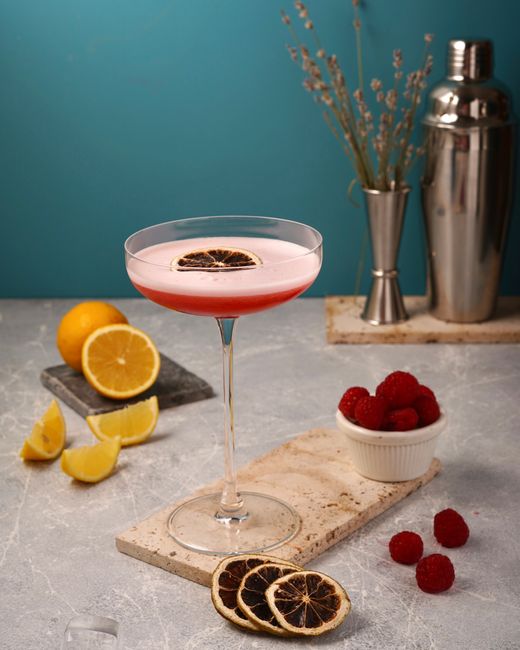
Raspberry Lemon Drop Martini: A Zesty Symphony of Sweet, Tart, and Refreshing Perfection
The raspberry lemon drop martini stands as a testament to the power of vibrant flavors harmonizing in a single, elegant glass. This cocktail, a delightful twist on the classic lemon drop, injects the luscious sweetness and subtle tartness of fresh raspberries into the familiar citrus base. The result is a drink that is both sophisticated and approachable, a perfect balance of sweet, tart, and effervescent notes that dance on the palate. Its visual appeal, often a beautiful rosy hue, further enhances its allure, making it a popular choice for celebrations, elegant dinners, or simply a moment of personal indulgence. Understanding the nuances of its creation, from ingredient selection to precise preparation, is key to unlocking its full potential and achieving that signature zesty perfection.
The foundation of any exceptional raspberry lemon drop martini lies in the quality of its core ingredients. Vodka, the spirit base, should be a premium, clean-tasting variety. Neutral vodkas are preferred as they allow the delicate flavors of raspberry and lemon to shine through without introducing competing notes. Brands known for their smoothness and lack of harshness are ideal. The lemon component is paramount, and using freshly squeezed lemon juice is non-negotiable. Bottled lemon juice, with its often artificial aftertaste and diluted flavor, will significantly detract from the martini’s vibrancy. The tartness needs to be bright and authentic, achieved only through ripe, juicy lemons. For the raspberry element, fresh raspberries are the undisputed champions. Their natural sweetness and slightly acidic profile are crucial. Frozen raspberries can be a suitable alternative when fresh are out of season, but care must be taken to thaw them completely and strain out any excess liquid to avoid watering down the drink. Sugar, in the form of simple syrup, acts as the balancing agent for the tartness of the lemon and the slight acidity of the raspberry. A simple syrup, made by dissolving equal parts granulated sugar and water over low heat, offers a clean sweetness that integrates seamlessly into the cocktail. Avoid granulated sugar directly in the shaker, as it will not dissolve properly and can create a gritty texture. Finally, a touch of raspberry liqueur, such as Chambord, can elevate the raspberry flavor profile, adding depth and a hint of complexity. However, its use should be judicious, as overdoing it can make the martini overly sweet and mask the fresh fruit.
The construction of a raspberry lemon drop martini is a meticulous process that emphasizes chilling and proper dilution. The ideal method involves combining the ingredients in a cocktail shaker filled with ice. The ratio of ingredients is critical for achieving the desired flavor profile. A common starting point for a single serving is 2 ounces of premium vodka, 1 ounce of freshly squeezed lemon juice, 0.5 to 0.75 ounces of simple syrup (adjusted to taste based on the sweetness of the raspberries and personal preference), and 0.5 ounces of raspberry liqueur (optional). If using fresh raspberries directly in the shaker, muddle them gently before adding the other ingredients. Muddling releases their juice and essential oils without pulverizing the seeds, which can lead to a bitter taste. The shaker should be vigorously shaken for at least 15-20 seconds. This crucial step not only chills the ingredients to the optimal temperature but also introduces the perfect amount of dilution from the melting ice. Dilution is not a negative; it’s an integral part of the cocktail’s structure, softening the alcohol’s bite and allowing the flavors to meld harmoniously. After shaking, the contents are double-strained into a chilled martini glass. Double straining, using both the shaker’s built-in strainer and a fine-mesh sieve, ensures that any small ice shards or raspberry seeds are removed, resulting in a silky-smooth texture. The chilled martini glass is essential; it maintains the cocktail’s temperature and contributes to the overall sensory experience.
Garnishing a raspberry lemon drop martini is an art form that enhances both its visual appeal and aromatic qualities. The classic lemon twist is a standard, but the addition of fresh raspberries elevates it. A thinly peeled lemon twist, expressed over the surface of the drink before being dropped in or discarded, releases its fragrant oils, adding a bright citrus aroma that complements the lemon juice. A few fresh, plump raspberries, either skewered on a cocktail pick or simply floated in the glass, provide a beautiful burst of color and a subtle visual cue to the drink’s primary flavor. Some variations also involve a sugar rim on the martini glass, mirroring the traditional lemon drop. This can be achieved by moistening the rim of the glass with a lemon wedge and then dipping it into granulated sugar or a mixture of sugar and finely grated lemon zest. The sugar rim adds a delightful textural contrast and an initial burst of sweetness with each sip. For an even more intense raspberry visual, a raspberry coulis drizzled artfully around the inside of the glass before pouring the martini can be employed, creating a visually stunning effect. The key is to keep the garnishes simple and complementary, ensuring they enhance the cocktail without overpowering its delicate balance.
Exploring variations of the raspberry lemon drop martini can lead to a discovery of exciting new flavor dimensions. One popular adaptation involves infusing the vodka with fresh raspberries. This can be done by steeping a generous handful of fresh raspberries in a bottle of vodka for 24-48 hours, then straining out the fruit. This process imbues the vodka with a deep, natural raspberry essence. Another delightful twist is to incorporate other berries, such as strawberries or blueberries, alongside the raspberries, creating a mixed berry lemon drop. The tartness of cranberries can also be introduced for a more sophisticated and less overtly sweet profile. For those seeking a bubbly effervescence, topping the martini with a splash of prosecco or Champagne after shaking and straining transforms it into a more celebratory and lighter cocktail. The addition of a hint of mint, either muddled with the raspberries or as a garnish, can add a refreshing herbaceous note that cuts through the sweetness. For a creamier rendition, a small amount of heavy cream or a raspberry liqueur with a cream base can be incorporated, transforming it into a dessert-like martini. These variations demonstrate the inherent adaptability of the raspberry lemon drop martini, allowing for personalization and creative expression.
The optimal serving temperature for a raspberry lemon drop martini is as crucial as its ingredient balance. This cocktail is best served ice-cold, a temperature that not only enhances its refreshing qualities but also smooths out the perceived harshness of the alcohol. A properly chilled martini glass is the first step. This can be achieved by placing the glasses in the freezer for at least 30 minutes before preparation, or by filling them with ice and water while the cocktail is being mixed and then discarding the ice and water just before straining the drink. The shaking process itself, with its ample ice, is designed to bring the martini to its ideal serving temperature, typically between 35-40 degrees Fahrenheit (1.7-4.4 degrees Celsius). Any warmer, and the drink will taste diluted and less invigorating. Any colder, and the flavors can become muted. The use of high-quality ice in the shaker is also important. Clear, dense ice cubes melt slower and dilute the drink more gradually, contributing to a more consistent chilling and dilution throughout the shaking process. Serving the martini immediately after preparation is also paramount to preserving its optimal temperature and delicate effervescence if any sparkling wine is used.
The raspberry lemon drop martini’s popularity stems from its ability to bridge the gap between a casual sipper and a sophisticated cocktail. Its bright, fruit-forward profile makes it incredibly approachable, while its elegant presentation and balanced flavors lend themselves to more formal occasions. It’s a cocktail that evokes feelings of summer, celebration, and refined indulgence. The tartness of the lemon is beautifully softened by the sweetness of the raspberry and the subtle warmth of the vodka. This interplay of sweet and tart is a hallmark of many well-loved cocktails, and the raspberry lemon drop martini executes it with exceptional finesse. It’s a testament to the fact that simple, high-quality ingredients, prepared with care and attention to detail, can yield extraordinary results. The enduring appeal of this martini lies in its consistent ability to deliver a delightful, zesty, and utterly satisfying drinking experience, making it a perennial favorite on cocktail menus and in home bars alike.
For those looking to recreate the magic of a raspberry lemon drop martini at home, a few key tips can elevate their creations. Firstly, investing in a good quality cocktail shaker, jigger for accurate measuring, and fine-mesh strainer is a worthwhile endeavor. Secondly, prioritizing fresh, high-quality ingredients, particularly the lemon and raspberries, cannot be overstated. Taste your raspberries before muddling; if they are particularly tart, you may need to slightly increase the simple syrup. Conversely, if they are exceptionally sweet, a touch less syrup might be advisable. Thirdly, don’t be afraid to experiment with the ratios of simple syrup and raspberry liqueur to find your personal preference. The beauty of cocktails is their adaptability. Finally, practice makes perfect. The more you make them, the more intuitive the shaking, straining, and garnishing process will become, leading to consistently excellent raspberry lemon drop martinis.
In terms of search engine optimization, the article strategically incorporates relevant keywords and phrases that potential readers would use when searching for information about this cocktail. Terms such as "raspberry lemon drop martini," "vodka cocktail," "easy cocktail recipes," "sweet and tart martini," "best vodka martini," "how to make a lemon drop," "raspberry cocktail recipe," and "classic cocktail variations" are woven naturally throughout the text. The comprehensive nature of the article, covering ingredients, preparation, garnishes, variations, and serving temperature, aims to provide in-depth information that satisfies user intent and encourages engagement. The clear structure and logical flow, from the foundational elements to more advanced techniques, make the content easily digestible and shareable. The emphasis on the sensory experience – the zesty symphony, the vibrant hue, the dance on the palate – appeals to the emotional aspect of cocktail enjoyment, further enhancing its discoverability through long-tail keywords related to flavor profiles and drinking experiences. The inherent visual appeal of the drink, often highlighted in its description, also lends itself to image-based searches, indirectly benefiting the article’s visibility.


