Sweet And Savory Slow Cooker Pulled Pork
The Ultimate Sweet and Savory Slow Cooker Pulled Pork: Your Go-To Recipe for Effortless Flavor
Mastering the art of slow cooker pulled pork offers a gateway to incredibly versatile and deeply flavorful meals. This sweet and savory rendition, achieved with minimal effort and maximum taste, is a testament to the magic of slow and low cooking. Forget bland, stringy meat; this recipe guarantees tender, succulent pork infused with a perfect balance of sweetness and savory depth, ready to be transformed into countless culinary creations. The beauty of pulled pork lies in its adaptability. Whether you’re craving classic barbecue sandwiches piled high with coleslaw, seeking a flavorful base for tacos, or looking to elevate a simple salad with protein, this slow cooker pulled pork recipe delivers consistent, crowd-pleasing results every single time. Its inherent ease of preparation makes it an ideal choice for busy weeknights, weekend gatherings, or even meal prepping for the week ahead. The low and slow cooking process breaks down the connective tissues in the pork shoulder, rendering it incredibly tender and easy to shred, while allowing the flavors of the rub and braising liquid to deeply penetrate the meat.
The Foundation: Choosing the Right Cut and Preparation
The cornerstone of exceptional slow cooker pulled pork lies in selecting the correct cut of meat. For this recipe, the undisputed champion is pork shoulder, also commonly known as pork butt or Boston butt. This cut, characterized by its generous marbling of fat and connective tissue, is ideal for slow cooking. The fat renders down during the extended cooking time, basting the meat from within and contributing to its unparalleled moisture and tenderness. Conversely, leaner cuts like pork loin will result in dry, tough, and unappetizing pulled pork, so it’s crucial to stick with pork shoulder.
Before the slow cooker, a crucial step is the pork rub. This isn’t just about adding flavor; it’s about creating a flavorful crust that develops over the slow cooking process, known as the Maillard reaction. A well-balanced rub will enhance the natural sweetness of the pork while introducing savory, smoky, and subtly spicy notes. A classic combination includes brown sugar for sweetness and caramelization, smoked paprika for depth and color, garlic powder and onion powder for aromatic savory notes, black pepper for a gentle bite, and a touch of cayenne pepper for a hint of heat. Generously coat the pork shoulder on all sides with this dry rub, ensuring every surface is covered. Don’t be shy; this rub is where a significant portion of the flavor originates.
Building the Flavor Profile: The Sweet and Savory Braising Liquid
While the rub provides an initial flavor layer, the braising liquid is where the magic truly unfolds, infusing the pork with moisture and deepening its complexity. This recipe emphasizes a harmonious balance between sweet and savory elements. The sweetness is primarily derived from a combination of brown sugar, honey, and the natural sugars in ingredients like onion and garlic. The savory components come from ingredients like Worcestershire sauce, soy sauce, Dijon mustard, and beef broth.
The process begins by sautéing aromatics like chopped onion and minced garlic in a little oil in a separate pan before adding them to the slow cooker. This initial sautéing intensifies their flavor and aroma, creating a more robust foundation for the braising liquid. Once the aromatics are softened and fragrant, the remaining liquid ingredients are added. This typically includes a good quality beef broth (for a richer, deeper flavor than chicken or vegetable broth), Worcestershire sauce (for its umami depth and tang), soy sauce (for saltiness and another layer of umami), Dijon mustard (for a subtle tang and emulsifying properties), and your chosen sweeteners – brown sugar and honey. Some recipes also benefit from a splash of apple cider vinegar, which adds a pleasant acidity to cut through the richness of the pork and the sweetness of the braising liquid, preventing the dish from becoming cloying.
The slow cooker itself: Unlocking the Power of Low and Slow
Once the seasoned pork shoulder is placed in the slow cooker, and the prepared braising liquid is poured over and around it, the cooking process can begin. The low and slow method is paramount here. Cooking pork shoulder on the “low” setting for 8-10 hours, or on the “high” setting for 4-6 hours, allows the tough connective tissues to break down gradually, transforming the meat into an exceptionally tender and shreddable texture. The exact cooking time will vary depending on the size of the pork shoulder and the specific model of slow cooker. It’s crucial to resist the urge to peek too frequently, as this releases heat and can prolong the cooking time. The goal is to achieve a state where the pork is fork-tender and easily pulls apart with minimal effort.
The transformation process within the slow cooker is a marvel of culinary chemistry. The low heat gently cooks the pork, while the moisture from the braising liquid steams and tenderizes it. The sugars in the rub and braising liquid caramelize, adding layers of sweetness and depth. The savory ingredients meld, creating a complex and satisfying flavor profile. This extended cooking period also allows the fat to render, infusing the meat with succulence and preventing it from drying out.
Shredding the Pork: The Final Frontier of Tenderness
The moment of truth arrives when the pork shoulder emerges from the slow cooker. It should be incredibly tender, practically falling apart. To shred the pork, carefully remove it from the slow cooker and place it on a large cutting board or in a wide bowl. Using two forks, or even specialized shredding claws, pull apart the meat. The beauty of this slow-cooked pork is that it requires very little effort. If you encounter any resistance, the pork likely needs a little more cooking time. Once the pork is shredded, it’s important to incorporate some of the cooking liquid back into the shredded meat. This not only adds extra moisture but also redistributes the concentrated flavors from the braising liquid. Skim off any excess fat from the surface of the braising liquid before spooning some back over the shredded pork. Aim for a consistency where the pork is moist and flavorful but not swimming in liquid.
The Sweet and Savory Balance: Refining the Flavor
While the initial braising liquid sets the stage, the flavor can be further refined and adjusted to achieve the perfect sweet and savory equilibrium. After shredding and returning some of the cooking liquid to the pork, taste and adjust. If the pork leans too sweet, a splash of apple cider vinegar or a touch more Worcestershire sauce can introduce acidity and savory depth. If it needs more sweetness, a drizzle of honey or a sprinkle of brown sugar can be added. Some people prefer to add their favorite barbecue sauce at this stage, either a little to enhance the existing flavors or a significant amount to create a classic barbecue pulled pork.
Serving Suggestions: Unleashing the Versatility
The beauty of this sweet and savory slow cooker pulled pork lies in its incredible versatility. Once prepared, it’s ready to be the star of a multitude of dishes.
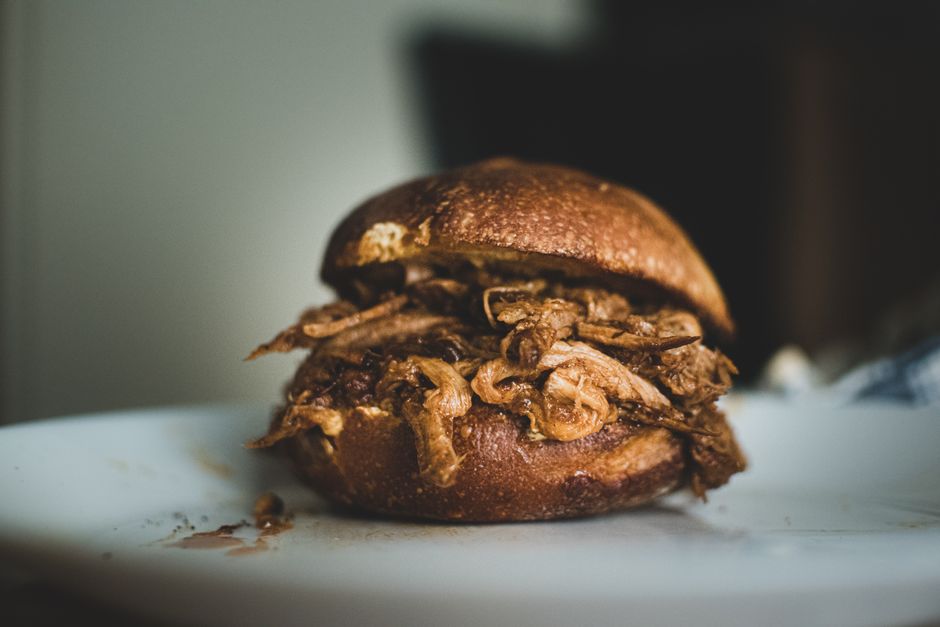
- Classic Pulled Pork Sandwiches: The most iconic application. Pile the shredded pork high on toasted buns, top with creamy coleslaw and a drizzle of your favorite barbecue sauce. This is a timeless comfort food staple.
- Pulled Pork Tacos: A flavorful twist on a taco night. Serve the pulled pork in warm tortillas with your favorite taco toppings like shredded lettuce, pico de gallo, avocado, cheese, and a dollop of sour cream or lime crema.
- Pulled Pork Nachos: Elevate your nacho game. Layer tortilla chips with the pulled pork, melted cheese, black beans, jalapeños, and your favorite nacho toppings.
- Pulled Pork Loaded Baked Potatoes: A hearty and satisfying meal. Stuff fluffy baked potatoes with the pulled pork, cheese, sour cream, chives, and perhaps some crispy bacon.
- Pulled Pork Sliders: Perfect for game day or parties. Serve smaller portions of the pulled pork on mini buns with a variety of toppings.
- Pulled Pork Salad Topper: Add a flavorful and protein-rich element to your salads. The sweet and savory pork pairs wonderfully with a variety of greens and dressings.
- Pulled Pork Over Rice or Grits: A simple yet delicious meal. Serve the pulled pork over a bed of fluffy rice or creamy grits for a satisfying comfort food experience.
SEO Considerations: Keywords and Structure
To ensure this article ranks well in search engine results, incorporating relevant keywords is crucial. These include "slow cooker pulled pork," "sweet and savory pulled pork," "pulled pork recipe," "easy pulled pork," "pork shoulder recipe," "barbecue pulled pork," "tender pulled pork," and variations thereof. The structure of the article, with clear headings and subheadings, also aids in SEO by breaking down the content logically for both readers and search engine crawlers. The use of bullet points for serving suggestions enhances readability and can also be beneficial for featured snippets. The comprehensive nature of the article, covering everything from ingredient selection to serving, also contributes to its authority and value in the eyes of search engines.
Troubleshooting and Tips for Perfection
Even with a straightforward recipe, a few troubleshooting tips can ensure ultimate success. If your pork is not tender enough, it simply needs more time. Don’t be afraid to let it cook longer on the "low" setting. If the braising liquid is too thin after cooking, you can thicken it by simmering it uncovered on the stovetop for a few minutes, or by making a slurry of cornstarch and water and stirring it into the liquid. If there is too much fat, skim it off the surface of the braising liquid before shredding the pork. For an even richer flavor, consider adding a smoked paprika or a pinch of chipotle powder to the dry rub. For a deeper smoky flavor without smoking, liquid smoke can be added in very small quantities to the braising liquid (start with 1/2 teaspoon and adjust to taste). The key to exceptional pulled pork is patience and attention to detail during the seasoning and cooking stages. This recipe provides a robust framework, but don’t hesitate to adjust seasonings to your personal preference. The goal is a delicious, tender, and incredibly satisfying pulled pork that will become a staple in your recipe repertoire.