Pasta Primavera With Cauliflower Sauce
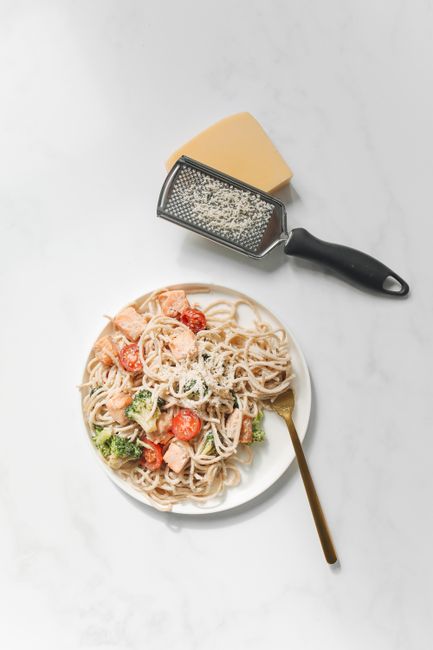
Pasta Primavera with Creamy Cauliflower Sauce: A Healthy & Flavorful Vegetarian Delight
Pasta primavera, a celebration of spring’s bounty, traditionally features a medley of vibrant vegetables tossed with pasta in a light sauce. This rendition elevates the classic by substituting the often cream or butter-laden sauce with a surprisingly rich and velvety cauliflower puree. This cauliflower sauce not only slashes calories and fat but also introduces a subtle, earthy sweetness that complements the fresh vegetables beautifully. The result is a dish that is both comforting and guilt-free, packed with nutrients, fiber, and satisfying flavors. This recipe is inherently vegetarian, easily adaptable to vegan preferences, and can be customized with seasonal vegetables as they become available throughout the year, making it a versatile staple for any home cook. The key to its success lies in the preparation of the cauliflower, ensuring a smooth, lump-free sauce that coats the pasta and vegetables with lusciousness.
Understanding the Core Components: Pasta and Cauliflower Sauce
The foundation of this dish lies in two primary elements: the pasta and the cauliflower sauce. For the pasta, any shape will work, but thicker strands like fettuccine, linguine, or penne hold the sauce well. Whole wheat pasta offers added fiber and a slightly nuttier flavor, making it an excellent choice for a healthier dish. The cooking of the pasta is crucial: al dente is paramount. Overcooked pasta becomes mushy and detracts from the overall texture. Aim for a slight bite in each strand. The cauliflower sauce is the star of this healthier twist. It’s a testament to how humble vegetables can transform into luxurious sauces. The process involves steaming or boiling cauliflower florets until exceptionally tender. This tenderness is key for achieving a smooth puree. Once cooked, the cauliflower is blended with a few simple ingredients: vegetable broth for liquid and thinning, nutritional yeast for a cheesy, umami flavor (essential for mimicking dairy cheese without the dairy), garlic for pungency, and often a touch of lemon juice for brightness and to cut through any residual sweetness. Salt and pepper are, of course, adjusted to taste. Some recipes might incorporate a splash of plant-based milk (like almond or soy) for added creaminess, though often the starch released from the cauliflower is enough to create a wonderfully thick consistency. The goal is a sauce that is smooth enough to coat the pasta without being watery, and flavorful enough to stand on its own.
The Art of the Cauliflower Sauce: Achieving Velvety Smoothness
Creating the perfect cauliflower sauce is not complicated, but it requires attention to detail. The cauliflower must be cooked until it’s exceptionally soft. Overcooked vegetables can become bitter, so steaming is often preferred over boiling as it retains more nutrients and flavor. Once tender, drain the cauliflower thoroughly. Any excess water will dilute the sauce. Transfer the cooked cauliflower to a high-powered blender or food processor. Along with the cauliflower, add your chosen liquid – vegetable broth is the standard, but some prefer a blend of broth and unsweetened plant-based milk. Crucially, the garlic should be added either raw (for a sharper bite) or lightly sautéed beforehand for a milder, sweeter flavor. Sautéing the garlic in a little olive oil or vegan butter before adding it to the blender can significantly enhance its flavor profile and aroma. Nutritional yeast is the secret weapon here. It provides that savory, cheesy depth that many traditional cream sauces rely on dairy for. Don’t be shy with it; it’s what gives the sauce its "cheesy" character. A squeeze of fresh lemon juice at the end is vital. It brightens the entire sauce, balancing the richness of the cauliflower and the savory notes of the nutritional yeast. Season generously with salt and freshly ground black pepper. Blend until the sauce is completely smooth and creamy. If it’s too thick, add more liquid, a tablespoon at a time, until you reach your desired consistency. Taste and adjust seasonings as needed. Some individuals might add a pinch of nutmeg for warmth, or a touch of white pepper for a cleaner peppery note.
Selecting and Preparing the Primavera Vegetables: A Symphony of Colors and Flavors
The "primavera" in pasta primavera signifies "spring." Therefore, the vegetables should reflect the freshest seasonal offerings. However, this recipe is adaptable to any time of year. Classic primavera vegetables include asparagus, peas, zucchini, bell peppers, broccoli, and cherry tomatoes. For a spring-focused dish, tender asparagus spears, sweet English peas, and vibrant green zucchini are ideal. As summer approaches, consider adding sweet corn kernels, yellow squash, and ripe cherry tomatoes. In the fall, robust options like broccoli, cauliflower florets (separate from the sauce base), and even finely chopped butternut squash can be incorporated. When preparing the vegetables, uniformity in size is important for even cooking. Asparagus should be trimmed and cut into bite-sized pieces. Peas can be fresh or frozen; frozen peas are convenient and cook quickly. Zucchini and yellow squash should be diced. Bell peppers, any color, should be seeded and chopped. Broccoli florets should be small and consistent. Cherry tomatoes can be halved or quartered. The preparation method for these vegetables is also key to their texture and flavor. Many are best lightly sautéed or blanched to retain their crisp-tender bite. Overcooking them will result in a mushy texture that detracts from the overall appeal of the dish. Sautéing in olive oil with a pinch of garlic and salt is a common and effective method. Blanching is another excellent technique for vegetables like peas and asparagus, which cooks them rapidly and preserves their vibrant color and texture.
The Cooking Process: Bringing it All Together
The assembly of pasta primavera with cauliflower sauce is a straightforward process that requires timing to ensure all components are perfectly cooked and hot when served. Begin by cooking your chosen pasta in a large pot of generously salted boiling water until it reaches al dente. While the pasta cooks, prepare your cauliflower sauce as detailed above. Simultaneously, in a large skillet, heat a tablespoon or two of olive oil over medium-high heat. Add your selected primavera vegetables. If using harder vegetables like broccoli or carrots, add them first and sauté for a few minutes before adding softer vegetables like zucchini, bell peppers, and asparagus. Cook, stirring occasionally, until the vegetables are crisp-tender, about 5-7 minutes depending on their density. Season the vegetables with salt, pepper, and any desired herbs like dried oregano or red pepper flakes for a touch of heat. Once the pasta is al dente, drain it, reserving about a cup of the starchy pasta water. Return the drained pasta to the empty pot or transfer it to the skillet with the vegetables. Pour the prepared cauliflower sauce over the pasta and vegetables. Stir gently to coat everything evenly. If the sauce seems too thick, add a splash of the reserved pasta water, a little at a time, until you achieve a smooth, creamy consistency that clings to the pasta. The starch from the pasta water helps emulsify the sauce, making it even more luxurious. Continue to heat through for a minute or two, allowing the flavors to meld.
Nutritional Benefits and Health Aspects
This Pasta Primavera with Cauliflower Sauce offers a compelling nutritional profile. Cauliflower, the star of the sauce, is a cruciferous vegetable rich in vitamins C and K, as well as folate and fiber. Its low calorie count and high fiber content contribute to satiety and aid in digestion. By using cauliflower as a base for the sauce, this dish significantly reduces saturated fat and cholesterol compared to traditional cream or cheese-based sauces. The vegetables contribute a wide array of vitamins, minerals, and antioxidants. For example, asparagus is a good source of folate and vitamins A, C, and K, while peas offer protein and fiber. Whole wheat pasta, if chosen, adds complex carbohydrates for sustained energy and additional fiber. Nutritional yeast, while adding flavor, also provides B vitamins, which are important for energy metabolism. This dish is naturally gluten-free if gluten-free pasta is used and can be easily made vegan by ensuring all ingredients, including any optional additions like plant-based milk, are vegan-certified. The dish is a fantastic way to increase vegetable intake, offering a delicious and satisfying meal that aligns with health-conscious eating habits. Its plant-forward nature makes it an excellent choice for vegetarians and those looking to reduce their meat consumption. The fiber content supports a healthy gut microbiome and can contribute to better blood sugar control.
Variations and Customization: Tailoring to Your Taste
The beauty of this Pasta Primavera with Cauliflower Sauce lies in its inherent adaptability. Beyond the seasonal vegetable swaps, numerous variations can elevate the dish to new culinary heights. For added protein, consider tossing in pre-cooked chickpeas, cannellini beans, or edamame. For a heartier, more substantial meal, stir in grilled or baked tofu cubes, tempeh, or even a lean protein like chicken or shrimp if not adhering to a strict vegetarian diet. Herbs are a simple yet effective way to introduce new flavor dimensions. Fresh basil, parsley, or chives can be stirred in at the end for a burst of freshness. A pinch of red pepper flakes during the sautéing of vegetables adds a pleasant warmth. For a more complex flavor profile, consider adding sun-dried tomatoes or a tablespoon of pesto to the cauliflower sauce. Some individuals enjoy adding a touch of smoked paprika to the sauce for a smoky undertone. If you prefer a tangier sauce, a bit more lemon juice or even a splash of white wine vinegar can be incorporated. For a richer, more decadent version, a tablespoon of tahini or cashew butter can be blended into the cauliflower sauce, adding a nutty depth and extra creaminess. The texture of the sauce can also be manipulated; for a chunkier sauce, reserve some of the cooked cauliflower and stir it in with the pureed version. Don’t underestimate the power of finishing touches. A sprinkle of toasted pine nuts, slivered almonds, or even toasted breadcrumbs can add a delightful crunch. A drizzle of high-quality extra virgin olive oil just before serving enhances the overall aroma and flavor.
SEO Optimization and Keyword Integration
To ensure this article reaches a broad audience interested in healthy, flavorful, and vegetarian meals, strategic keyword integration is essential. The primary keywords naturally embedded are "pasta primavera," "cauliflower sauce," "healthy pasta," "vegetarian pasta," and "vegan pasta." Secondary keywords like "creamy cauliflower sauce," "vegetable pasta recipe," "easy weeknight meal," "low calorie pasta," and "nutrient-rich vegetarian" are also incorporated throughout the text. The use of descriptive phrases such as "velvety smooth," "spring bounty," "nutrient-packed," and "flavorful delight" enhances search engine readability and user engagement. The article’s structure, starting with a clear title and diving directly into comprehensive content, is designed for quick scanning by both users and search algorithms. Detailed explanations of each component – the sauce, vegetables, and cooking process – cater to users seeking in-depth information, driving longer dwell times. Variations and customization sections further broaden the article’s appeal, attracting users with specific dietary needs or culinary preferences, and thus expanding the range of relevant search queries addressed.
Serving Suggestions and Presentation
The final presentation of Pasta Primavera with Cauliflower Sauce can transform a simple weeknight meal into an elegant dish. Begin by ensuring the pasta and vegetables are evenly coated in the creamy cauliflower sauce. Serve hot, immediately after preparation, in shallow bowls or plates to showcase the vibrant colors of the vegetables. A final garnish can elevate the visual appeal and add an extra layer of flavor. Freshly chopped herbs like parsley, chives, or basil are classic choices that add both color and a fresh aroma. A light dusting of extra nutritional yeast can reinforce the cheesy flavor and add a visually appealing golden hue. For a touch of crunch and visual interest, consider a sprinkle of toasted pine nuts, slivered almonds, or even a small amount of crispy fried shallots (ensure they are vegan if applicable). A swirl of high-quality extra virgin olive oil can add a glossy finish and a rich, fruity note. If serving with a side, a simple green salad with a light vinaigrette complements the richness of the pasta. Crusty bread, for dipping into any leftover sauce, is always a welcome addition. The key is to keep the garnishes complementary to the dish and not overpowering. The goal is to enhance, not distract from, the fresh flavors of the primavera vegetables and the creamy cauliflower sauce.
Conclusion
Pasta Primavera with Cauliflower Sauce stands as a testament to the power of simple, wholesome ingredients to create an incredibly satisfying and nourishing meal. It successfully marries the comfort of pasta with the vibrant freshness of seasonal vegetables, all brought together by a surprisingly rich and creamy cauliflower-based sauce. This dish is a highly adaptable recipe, encouraging culinary creativity and catering to various dietary preferences, from vegetarian to vegan and gluten-free. Its nutritional benefits, stemming from the abundance of vegetables and the healthier sauce base, make it a smart choice for conscious eaters. Whether you’re seeking a quick weeknight dinner or a dish to impress, this Pasta Primavera with Cauliflower Sauce offers a delicious, healthy, and visually appealing solution. The meticulous attention to detail in preparing the cauliflower sauce, selecting and cooking the vegetables to perfection, and bringing all components together in harmonious balance ensures a culinary experience that is both comforting and invigorating. Embracing this recipe means embracing a more mindful approach to cooking and eating, proving that healthy food can, and should, be exceptionally flavorful and enjoyable.