
Japanese Style Fluffy Pancakes

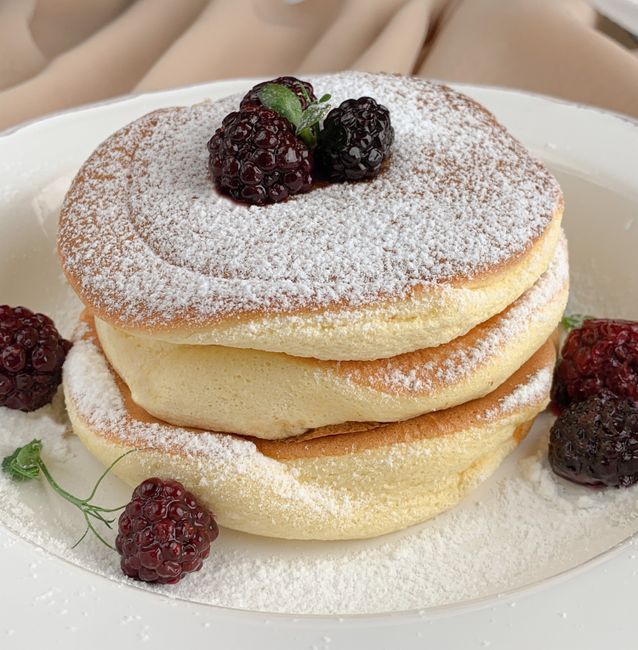
Japanese Style Fluffy Pancakes: The Ultimate Guide to Cloud-Like Perfection
The pursuit of the perfect Japanese-style fluffy pancake, often referred to as "hotcakes" or "soufflé pancakes," is a culinary adventure that rewards patience and precision with an ethereal, cloud-like texture. Unlike their American counterparts, which are typically denser and slightly chewy, Japanese fluffy pancakes achieve their signature lift through a delicate balance of ingredients, meticulous whisking, and a gentle cooking technique. This guide delves deep into the science and art behind these beloved treats, providing comprehensive instructions and essential tips for achieving pancake perfection at home.
Understanding the Science of Fluffiness
The key to the extraordinary loft of Japanese fluffy pancakes lies in the incorporation of air. This is primarily achieved through two main mechanisms: whipped egg whites and the unique leavening agents. Egg whites, when beaten, form a stable foam. This foam, when folded into the batter, creates tiny air pockets that expand significantly during cooking, resulting in the signature airy structure. The judicious use of leavening agents, often a combination of baking powder and sometimes baking soda, further contributes to the rise, acting as chemical accelerators that produce carbon dioxide gas. The batter itself is typically enriched with ingredients like milk and a touch of oil or melted butter, which contribute to tenderness and moisture. The lower fat content compared to some American pancake recipes also prevents the batter from becoming too heavy, allowing the air to dominate.
Essential Ingredients and Their Roles
Achieving authentic Japanese fluffy pancakes hinges on the quality and precise measurement of each ingredient.
- Flour: All-purpose flour is the standard choice. Its gluten content is sufficient to provide structure without being so high as to create a tough pancake. For a slightly lighter texture, cake flour can be considered, as it has a lower protein content. Sifting the flour is crucial to remove lumps and aerate it, ensuring a smoother batter.
- Eggs: Eggs are paramount. The yolks contribute richness and act as emulsifiers, binding the fats and liquids. The whites, as previously mentioned, are the stars of the show for aeration. It’s critical to separate eggs carefully, ensuring no yolk contaminates the whites, as even a trace of fat can prevent them from whipping to stiff peaks.
- Sugar: Sugar not only sweetens the pancakes but also plays a structural role. It helps to stabilize the egg white foam, making it more resilient during folding and cooking. A fine granulated sugar dissolves easily, preventing grittiness.
- Milk: Whole milk provides moisture and contributes to the overall tenderness of the pancake. The fat content in whole milk also adds a subtle richness. Some recipes may use buttermilk for a slightly tangier flavor and added tenderness due to its acidity.
- Leavening Agents: Baking powder is almost always present. It’s a double-acting leavener, meaning it produces gas both when it comes into contact with liquid and when exposed to heat. Baking soda, when used, typically requires an acidic component in the batter (like buttermilk or lemon juice) to activate.
- Vanilla Extract: A touch of vanilla extract enhances the overall flavor profile, adding a warm, aromatic note.
- Salt: A pinch of salt balances the sweetness and brings out the other flavors.
- Oil or Melted Butter: A small amount of neutral-flavored oil (like vegetable or canola) or melted unsalted butter adds moisture and tenderness to the yolk-based portion of the batter.
The Art of Whipping Egg Whites: The Secret to Meringue
The success of Japanese fluffy pancakes is inextricably linked to achieving the perfect meringue. This is a process that requires attention to detail and understanding of the stages of egg white whipping.
- Cleanliness is Paramount: Ensure your mixing bowl and whisk attachments are impeccably clean and free of any grease or fat. This is non-negotiable.
- Room Temperature Eggs: Egg whites whip best at room temperature. If you’ve stored your eggs in the refrigerator, allow them to sit out for about 30 minutes before separating.
- Gentle Start: Begin whisking the egg whites on a low speed. This gradually breaks down the protein structures without introducing too much turbulence.
- Foamy Stage: As you whisk, the egg whites will start to become foamy. At this point, you can gradually add the sugar, a tablespoon at a time, while continuing to whisk. Adding sugar too early can hinder volume, and adding it too late can result in a grainy texture.
- Soft Peaks: Continue whisking. The egg whites will start to thicken and form soft peaks. When you lift the whisk, the peaks will droop over.
- Stiff Peaks: This is the desired stage for fluffy pancakes. The egg whites will become glossy, opaque, and form stiff peaks. When you lift the whisk, the peaks will stand straight up, holding their shape without curling. Be careful not to over-whisk, as this can cause the egg whites to become dry and crumbly, making them difficult to fold into the batter.
Mastering the Batter: A Delicate Balance
The batter for Japanese fluffy pancakes is a two-part creation, carefully combined to preserve the airy structure.
Part 1: The Yolk Batter
- In a separate bowl, whisk together the egg yolks, half of the sugar, milk, vanilla extract, and oil or melted butter until well combined and slightly pale.
- Sift the flour and leavening agents directly into the yolk mixture. Gently whisk until just combined. Do not overmix. A few small lumps are acceptable; overmixing develops gluten, which can lead to tough pancakes.
Part 2: Folding the Meringue
- This is the most critical step. Take about one-third of the whipped egg whites and gently fold them into the yolk batter. Use a spatula and a "cut and fold" motion, scooping from the bottom of the bowl and bringing it up and over the egg whites. This lightens the yolk batter and makes it easier to incorporate the remaining meringue.
- Gently add the remaining whipped egg whites to the lightened yolk batter. Continue to fold with a light hand, using the same cut and fold motion. The goal is to incorporate the egg whites without deflating them. Stop folding as soon as no streaks of egg white remain. The batter should be light, airy, and voluminous.
The Cooking Technique: Patience and Heat Control
The cooking process for Japanese fluffy pancakes is as important as the batter preparation. It requires low, consistent heat and a gentle hand.
- Choosing the Right Pan: A non-stick skillet or a well-seasoned cast-iron pan is ideal. The pan should have a lid.
- Low and Slow Heat: Preheat the pan over very low heat. The ideal temperature is just enough to cook the pancake through without browning it too quickly. Too high heat will burn the outside before the inside is cooked.
- Greasing the Pan: Lightly grease the pan with a little oil or butter. Wipe away any excess to prevent the pancakes from spreading too much.
- Forming the Piles: For truly tall pancakes, using a ring mold is highly recommended. Lightly grease the inside of the ring mold and place it in the preheated pan.
- Pouring the Batter: Spoon generous portions of the fluffy batter into the ring mold, filling it about two-thirds of the way. If not using a ring mold, gently spoon the batter into tall, rounded mounds. Do not spread the batter.
- The Steam Secret: Once the batter is in the pan, immediately cover it with a lid. This traps the steam, which helps the pancakes to rise and cook evenly from the inside out.
- The Flip: Cook for approximately 5-8 minutes on the first side. The underside should be lightly golden, and the top should look set. Carefully use a spatula to gently flip the pancakes. If using ring molds, you may need to carefully remove the mold before flipping.
- Second Side Cooking: Cover the pan again and cook for another 5-7 minutes, or until the pancakes are cooked through and golden brown on both sides. You can gently press the sides of the pancake with your spatula to test for doneness; if it springs back, it’s likely cooked.
- Serve Immediately: Japanese fluffy pancakes are best enjoyed immediately while they are at their absolute fluffiest.
Troubleshooting Common Issues
Even with the best intentions, pancake perfection can sometimes be elusive. Here are common issues and their solutions:
- Flat Pancakes: This is usually due to under-whipped egg whites, overmixing the batter, or cooking at too high a temperature. Ensure your egg whites are at stiff peaks and fold them in gently. Control your heat.
- Gummy Texture: This often stems from overmixing the batter, which develops gluten. Mix the yolk batter until just combined and fold the meringue in with a light hand.
- Burned Outside, Raw Inside: The heat is too high. Reduce the heat significantly and use the lid to trap steam for even cooking.
- Sticking to the Pan: Your pan may not be adequately non-stick or properly seasoned. Ensure you’re using enough (but not too much) cooking fat and a good quality pan.
- Deflated Pancakes: Overhandling the batter during folding or flipping can cause the air pockets to collapse. Be as gentle as possible.
Flavor Variations and Serving Suggestions
While plain Japanese fluffy pancakes are delightful on their own, they are a canvas for endless creativity.
- Classic Toppings: A dusting of powdered sugar, a dollop of whipped cream, and fresh berries (strawberries, blueberries, raspberries) are timeless favorites.
- Sweet Syrups: Maple syrup is a classic, but consider honey, agave nectar, or a fruit coulis for different flavor profiles.
- Savory Twists: While less common, a light sprinkle of sea salt and a drizzle of a savory sauce could be an interesting experiment.
- Matcha Infusion: Sift a tablespoon of matcha powder into the flour for a beautiful green hue and earthy flavor.
- Citrus Zest: Add finely grated lemon or orange zest to the yolk batter for a bright, refreshing note.
- Chocolate Lovers: Incorporate a tablespoon of cocoa powder into the flour or add chocolate chips to the batter.
The Importance of Presentation
The visual appeal of Japanese fluffy pancakes is as important as their taste and texture. Their height and delicate appearance invite beautiful plating. Arrange them in a stack, garnish generously with fresh fruit, a swirl of whipped cream, and a drizzle of your chosen syrup. A dusting of powdered sugar or a few edible flowers can elevate the presentation further.
Conclusion: The Reward of Patience
Creating Japanese-style fluffy pancakes is a testament to the rewards of patience and attention to detail in the kitchen. By understanding the science behind their airy texture, mastering the art of whipping egg whites, and employing a gentle cooking technique, you can consistently recreate these cloud-like delights. The process itself is a form of mindful cooking, and the ultimate enjoyment of these ethereal pancakes is a deeply satisfying culinary achievement. Embrace the journey, practice the techniques, and prepare to be amazed by the delightful fluffiness that awaits.


