Deep Fried California Roll Rice Balls
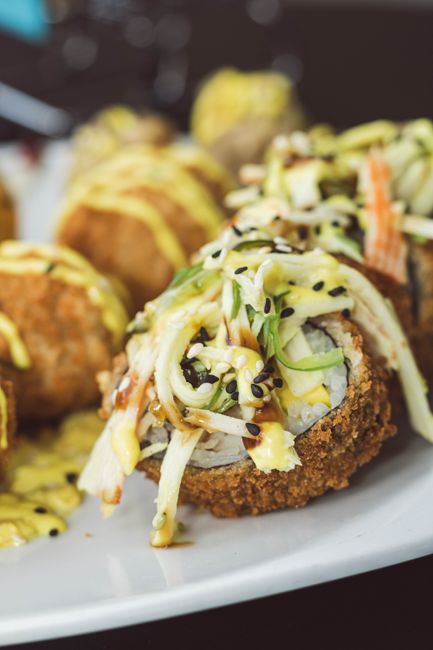
Deep Fried California Roll Rice Balls: A Culinary Innovation for Savvy Foodies
The world of fusion cuisine is constantly evolving, and deep-fried California roll rice balls represent a sophisticated and satisfying development. This dish masterfully blends the familiar, beloved flavors of a California roll with the irresistible textural contrast of a crispy, golden exterior. Beyond its inherent deliciousness, this creation offers significant SEO potential due to its unique combination of keywords and search intent. For home cooks seeking a novel appetizer, restaurant owners looking to diversify their menu, or food bloggers aiming to capture a niche audience, understanding the nuances of preparing and presenting these deep-fried delights is paramount. This article will delve into the intricate details of crafting exceptional deep-fried California roll rice balls, covering ingredient selection, preparation techniques, optimal frying methods, and strategies for maximizing their appeal through thoughtful presentation and online discoverability.
At its core, a deep-fried California roll rice ball is an ingenious reinterpretation of a classic sushi roll. The traditional elements – seasoned sushi rice, imitation crab (or real crab), avocado, and cucumber – are encapsulated and then fried to achieve a delightful crunch. The foundation of this dish is, undeniably, the sushi rice. For optimal results, short-grain Japanese sushi rice is essential. It possesses a higher starch content, which allows it to become sticky when cooked, making it ideal for forming into balls and holding its shape during the frying process. Rinsing the rice thoroughly under cold running water until the water runs clear is a non-negotiable step. This removes excess surface starch, preventing a gummy texture and ensuring individual grains remain distinct yet cohesive. The cooking ratio of rice to water is critical. A common guideline is a 1:1 ratio, but this can vary slightly depending on the specific brand of rice. Allowing the cooked rice to steam, covered, for at least 10-15 minutes after cooking is crucial for even moisture distribution and optimal stickiness. While still warm, the rice should be seasoned with a sushi vinegar mixture. This mixture typically comprises rice vinegar, sugar, and salt, whisked together until the sugar and salt are fully dissolved. The proportions can be adjusted to personal preference, but a balanced sweet and tangy profile is key to replicating the authentic California roll flavor. Gently folding the vinegar mixture into the rice with a flat spatula, using a cutting motion rather than stirring, prevents the rice from becoming mushy. Allowing the seasoned rice to cool to room temperature or slightly warmer is vital before forming the balls. Hot rice will cook the interior of the fillings prematurely and make the rice harder to handle.
The fillings are where the California roll essence truly shines. Imitation crab, also known as surimi, is the classic choice for its accessibility and mild flavor that complements the other ingredients. It’s important to flake the imitation crab into bite-sized pieces, ensuring a good distribution throughout the rice ball. For a more premium offering, real crab meat, such as lump crab or even snow crab, can be substituted. If using fresh crab, ensure it’s well-drained to avoid adding excess moisture, which can lead to a soggy interior. Avocado, ripe but not overly soft, provides a creamy counterpoint to the crispy exterior and the slightly chewy rice. Cubing the avocado into small, uniform pieces is important for even distribution and to prevent it from becoming a mushy mass during the frying process. Similarly, crisp, fresh cucumber, seeded and finely diced, adds a refreshing crunch and a hint of herbaceousness. Some variations might include a touch of mayonnaise for added richness or a sprinkle of toasted sesame seeds within the rice for a subtle nutty flavor. The key to successful filling integration is to not overstuff the rice. A moderate amount of filling ensures that the rice ball can be properly formed and that the flavors are balanced.
Forming the rice balls is an art that requires a gentle touch and a bit of practice. Slightly moistening your hands with water or a mixture of water and rice vinegar will prevent the rice from sticking. Take a portion of the seasoned, cooled rice, about the size of a golf ball, and flatten it in your palm. Place a small amount of the mixed fillings in the center. Gently fold the rice around the filling, carefully shaping it into a compact ball or a slightly flattened disc. The goal is to enclose the filling completely without compressing the rice too tightly. Over-compression can make the rice dense and difficult to fry evenly. Another effective method is to use plastic wrap. Place a portion of rice on the plastic wrap, create an indentation, add the filling, and then use the plastic wrap to gather and shape the rice into a ball. This method offers more control and a consistently round shape. Regardless of the method used, ensure the exterior is smooth and that there are no cracks or openings where the filling could escape during frying.
The crucial step of deep frying elevates these rice balls from simple sushi-inspired bites to a truly craveable appetizer. The choice of oil is important for achieving the desired crispness and flavor. A neutral-flavored oil with a high smoke point is recommended, such as canola oil, vegetable oil, or peanut oil. The oil should be heated to a consistent temperature, ideally between 350°F and 375°F (175°C to 190°C). Using a deep-fry thermometer is essential for maintaining this temperature. If the oil is too cool, the rice balls will absorb too much oil and become greasy. If it’s too hot, the exterior will brown too quickly, leaving the interior undercooked. A light coating before frying can enhance crispness and adhesion. While some might opt for a simple dusting of flour, a more robust coating involves a two-step process: a light dusting of all-purpose flour, followed by a dip in beaten egg, and then a coating of panko breadcrumbs. Panko, with its larger, airier flakes, creates an exceptionally crispy and golden-brown crust. Ensure the rice balls are evenly coated with each layer, shaking off any excess.
Frying should be done in batches to avoid overcrowding the fryer. Overcrowding will lower the oil temperature, leading to a greasy product. Carefully lower the coated rice balls into the hot oil, using a slotted spoon or spider strainer. Fry for approximately 3-5 minutes, or until they are golden brown and crispy on all sides. Rotate them gently during frying to ensure even cooking. Once they have achieved the desired color and crispness, remove them from the oil using the slotted spoon and place them on a wire rack set over a baking sheet to drain any excess oil. This wire rack method is superior to draining on paper towels, as it allows air to circulate around the rice balls, preventing them from becoming soggy.
Presentation plays a significant role in enhancing the appeal of deep-fried California roll rice balls, both in a culinary setting and for online visibility. Serving them hot and fresh is paramount to enjoying their textural contrast. A variety of dipping sauces can elevate the experience. Classic soy sauce is a given, but consider offering spicy mayonnaise, sriracha aioli, sweet chili sauce, or a ginger-wasabi dipping sauce. These sauces can be served in small ramekins alongside the rice balls, allowing diners to customize their flavor profiles. Garnishes can add visual appeal and a touch of freshness. A sprinkle of toasted sesame seeds, thinly sliced scallions, or a small dollop of masago (fish roe) can transform a plate of rice balls into a visually stunning appetizer. For SEO purposes, consider incorporating these elements into your descriptions and tags.
From an SEO perspective, the keyword phrase "deep fried California roll rice balls" is the cornerstone. However, a comprehensive strategy involves targeting related long-tail keywords and variations. This includes terms like "crispy California rice balls recipe," "sushi rice balls fried," "fusion appetizer ideas," "how to make fried sushi balls," "easy deep fried sushi recipe," and "gourmet appetizer recipes." For content creators, producing high-quality images and videos is crucial. Visual content is highly searchable and shareable, especially on platforms like Pinterest, Instagram, and YouTube, which can drive significant traffic. Optimizing image alt text with relevant keywords, writing detailed and engaging video descriptions, and using appropriate hashtags are all vital components of an effective SEO strategy.
The recipe development process itself can be optimized. Offering variations such as spicy tuna fried rice balls, salmon avocado fried rice balls, or even vegetarian versions with tempura vegetables can broaden the appeal and target a wider audience. Each variation should be clearly described with its unique ingredient list and preparation steps. Including nutritional information, if applicable, can also attract health-conscious searchers.
Furthermore, cross-linking within your content is a powerful SEO tool. If you have other recipes for sushi, appetizers, or frying techniques, link them to your deep-fried California roll rice ball article. This helps search engines understand the context of your content and keeps users engaged on your site for longer. Encouraging user-generated content, such as reviews and comments, can also boost your SEO through social proof and fresh content. Ask readers to share their own variations or tips for making the perfect deep-fried California roll rice balls.
In conclusion, deep-fried California roll rice balls represent a delicious and innovative culinary concept with significant potential for both culinary enjoyment and online discoverability. By meticulously focusing on ingredient quality, precise preparation techniques, optimal frying methods, and strategic SEO practices, this dish can become a standout offering for discerning palates and a highly searchable item for online food enthusiasts. The harmonious blend of familiar sushi flavors with an irresistible crispy exterior, coupled with a thoughtful approach to online marketing, ensures that these culinary creations will continue to capture attention and satisfy cravings.