Crumb Topping For Pies
The Ultimate Guide to Crumb Topping for Pies: Texture, Flavor, and Perfect Baking
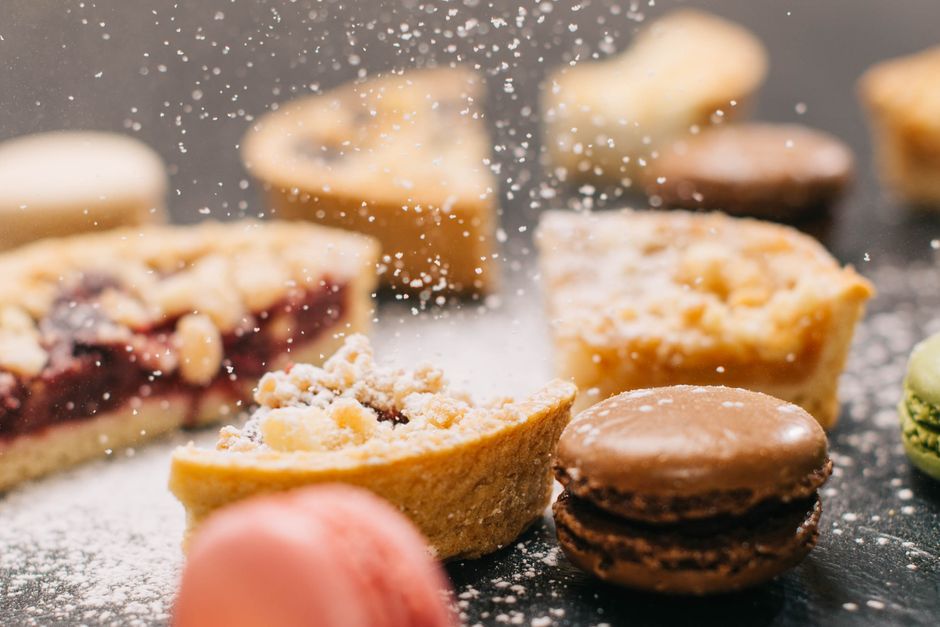
Crumb topping, also known as streusel topping, is a beloved element of many pies, adding a delightful textural contrast and an extra layer of flavor to sweet baked goods. Far beyond a simple afterthought, a well-executed crumb topping transforms a good pie into an exceptional one, offering a satisfying crunch that complements the soft, yielding filling. Understanding the components, ratios, and techniques involved in creating superior crumb toppings is crucial for any home baker aiming for pastry perfection. This comprehensive guide will delve into the science and art of crumb topping, covering everything from basic ratios to advanced flavor profiles and troubleshooting common issues.
The foundational elements of any crumb topping are deceptively simple: flour, fat, and sugar. These three ingredients, in varying proportions, form the basis of the characteristic crumbly texture. Flour provides the structure. All-purpose flour is the most common choice due to its moderate protein content, which develops enough gluten to bind the ingredients without becoming tough. For a slightly more tender crumb, cake flour can be substituted, though it will require careful handling to avoid overmixing. Whole wheat flour or oat flour can be incorporated for a nuttier flavor and a heartier texture, but they often need adjustments in fat content to maintain the desired crumb. The type of flour significantly influences the final texture, with finer flours contributing to a more delicate crumb and coarser flours yielding a more rustic, substantial topping.
The fat is the binder and flavor enhancer, responsible for creating those desirable little pockets of richness and preventing the topping from becoming a solid, cookie-like mass. Unsalted butter is the gold standard for crumb toppings. Its creamy texture, rich flavor, and ability to achieve a beautiful golden-brown hue when baked make it indispensable. Cold, cubed butter is essential for creating a crumbly texture. When combined with the dry ingredients, the cold butter coats the flour particles, inhibiting excessive gluten development and allowing the mixture to remain loose and granular. Shortening, while offering a very tender and crisp crumb due to its higher melting point, lacks the nuanced flavor of butter and can sometimes result in a less appealing mouthfeel. A combination of butter and shortening can strike a balance between flavor and texture. Coconut oil, particularly refined, can be used for a dairy-free option, but its distinct flavor may not be desirable in all pie applications. The temperature of the fat is paramount; if it’s too warm, it will melt too quickly, leading to a greasier topping.
Sugar provides sweetness, aids in browning, and contributes to the texture. Granulated sugar is the most common choice, offering a clean sweetness and a pleasant crunch. Brown sugar, whether light or dark, introduces moisture and molasses, imparting a richer, caramel-like flavor and a chewier texture to the crumb. A mix of granulated and brown sugar is often used to achieve a balance of crispness and chewiness. Powdered sugar, due to its fine texture, can create a very tender and delicate crumb, but it has a lower melting point and can contribute to a less defined crumb structure if used exclusively. The ratio of sugar to flour and fat is critical. Too little sugar results in a bland, less cohesive topping, while too much can lead to excessive spreading and a greasy texture.
The classic crumb topping ratio often hovers around a 1:1:1 ratio of flour, fat, and sugar by weight. However, this is a starting point, and variations are common. For a thicker, more abundant crumb topping, the flour-to-fat ratio might increase. For a crisper, more delicate topping, the sugar might be slightly increased. Understanding these fundamental ratios allows for customization. A common starting point for a standard 9-inch pie is 1 cup flour, 1 cup sugar, and 1 cup (2 sticks) butter. This is a very rich topping. A more balanced approach might be 1 cup flour, 3/4 cup sugar, and 1/2 cup (1 stick) butter. Experimentation is key to finding your preferred texture and flavor balance.
Beyond these core ingredients, a plethora of additions can elevate a simple crumb topping to something truly special. Spices are perhaps the most common and impactful addition. Cinnamon is a ubiquitous partner to apple, pear, and pumpkin pies, its warm, woody notes complementing the sweetness of the fruit and the richness of the spices. Nutmeg adds a subtle, peppery warmth, while ginger, cloves, and allspice bring deeper, more complex aromatic notes. A pinch of cardamom can introduce an exotic, floral dimension. For chocolate pies, a touch of espresso powder can enhance the chocolate flavor, while a dash of chili powder can provide a surprising and delightful kick.
Nuts are another popular and texturally enriching addition. Walnuts, pecans, and almonds are classic choices, their inherent flavors and varying degrees of crunch complementing a wide range of pie fillings. Chopped finely, they distribute evenly throughout the crumb. Coarsely chopped nuts provide larger textural bursts. Toasted nuts offer a more intense, developed flavor and a crisper bite. Other seeds, such as pumpkin seeds or sunflower seeds, can also be incorporated for added texture and visual appeal.
Oats, particularly rolled oats or old-fashioned oats, add a delightful chewiness and a slightly rustic character. They absorb moisture from the filling during baking, contributing to a satisfying textural contrast. Quick oats can be used, but they tend to break down more, resulting in a less distinct chew.
Other flavor enhancers include a pinch of salt to balance sweetness and amplify other flavors, vanilla extract for a warm, sweet aroma, and citrus zest (lemon, orange, or lime) for a bright, refreshing counterpoint. Cocoa powder can be incorporated for a chocolate crumb topping, and a small amount of cornstarch can be added to help the topping adhere more effectively to the pie crust, especially when using a very buttery crumb.
The technique for making crumb topping is as important as the ingredients. The goal is to create small, pea-sized crumbles, not a uniform dough. This is achieved by incorporating the fat into the dry ingredients. The most effective methods are using your fingertips, a pastry blender, or a food processor. When using your fingertips, work quickly and lightly, rubbing the cold butter into the flour and sugar mixture until the texture resembles coarse breadcrumbs with some larger, pea-sized pieces. Avoid overworking the mixture, which can melt the butter and create a greasy, dense topping. A pastry blender, with its wire tines, effectively cuts through the butter, achieving a similar crumbly texture with less direct heat from your hands. A food processor is the quickest method, using the pulse function. Add the dry ingredients and cold butter to the processor and pulse in short bursts until the desired crumb consistency is reached. Be extremely careful not to over-process, as this can quickly turn the mixture into a paste or dough.
Once the crumb topping is prepared, it’s typically sprinkled evenly over the unbaked or partially baked pie filling. The amount of crumb topping to use is a matter of preference, but a generous layer generally provides the most satisfying textural experience. For fruit pies, it’s often applied before baking. For cream or custard pies, the crumb topping is usually applied during the last portion of baking to prevent it from becoming soggy. Some bakers prefer to pre-bake their crumb topping for a few minutes before adding it to the pie, ensuring an extra crispy finish, especially for very wet fillings.
Troubleshooting common crumb topping issues is essential for consistent success. A crumbly topping that’s too dry and doesn’t hold together can be remedied by adding a tiny bit more melted butter or a tablespoon of cold water, mixed in gently. Conversely, a topping that’s too wet or greasy likely has too much fat or the butter was too warm. In such cases, a small addition of flour can help absorb excess moisture. If the topping browns too quickly before the pie is fully baked, it can be loosely tented with aluminum foil. If it doesn’t brown enough, a slightly higher oven temperature for the last few minutes or a brief broil (with careful monitoring) can achieve the desired golden hue. Soggy crumb topping is usually a result of the filling’s moisture content and insufficient baking time. Ensuring the pie is baked at the correct temperature for the appropriate duration is crucial.
The versatility of crumb topping extends beyond traditional pies. It’s an excellent addition to crisps, crumbles, cobblers, and even as a topping for muffins, cakes, or yogurt parfaits. The fundamental principles of flour, fat, sugar, and texture remain constant, allowing for endless variations in flavor and application.
Consider the specific pie filling when designing your crumb topping. A tart apple pie might benefit from a cinnamon-sugar crumb with toasted pecans. A rich chocolate cream pie could be enhanced by a dark cocoa powder crumb with a hint of espresso. A delicate lemon meringue pie might be best served with a simple, buttery, lightly sweetened crumb. The goal is to create a harmonious balance of flavors and textures, where the crumb topping complements, rather than overpowers, the filling.
Exploring different flour types can offer subtle yet significant improvements. Using a blend of all-purpose flour and almond flour, for instance, can add a nutty depth and a slightly coarser texture that pairs wonderfully with fruit fillings. Similarly, incorporating a portion of finely ground cornmeal can introduce a pleasant graininess and a subtle corn flavor, particularly suited to autumnal pies.
The type of sugar also plays a crucial role in the final texture and flavor profile. Using dark brown sugar exclusively will result in a chewier, more caramel-infused crumb, which is excellent for robust fruit pies. Light brown sugar offers a milder sweetness and a slightly less chewy texture. A combination of granulated and brown sugar is often the sweet spot for many bakers, providing both crispness and chew. For an even more complex sugar flavor, maple sugar can be used, though it’s significantly more expensive.
When it comes to fat, the choice of butter can also be refined. High-fat European-style butters, with their increased butterfat content, can lead to a richer, more tender crumb. However, they also have a lower water content, which can affect browning and crispness, so adjustments might be necessary. For vegan or dairy-free options, a high-quality vegan butter substitute that solidifies well when cold will yield the best results. Coconut oil, while a good solid fat, can impart a distinct coconut flavor that may not always be desired. Refined coconut oil has a more neutral flavor.
The concept of "clumping" is central to achieving an ideal crumb topping. This occurs when the fat is incorporated just enough to coat the flour and sugar particles, but not so much that it forms a cohesive dough. The goal is to have discrete pieces of fat dispersed throughout the dry ingredients, which will melt during baking, creating pockets of air and contributing to the crumbly texture. Overworking the mixture, whether by hand or in a food processor, will lead to a denser, more uniform texture.
The amount of topping is also a consideration. Some prefer a thin dusting, while others favor a thick, substantial layer. For fruit pies, a generous topping is often preferred to counterbalance the sweetness and moisture of the filling. For pies with very delicate fillings, like custards or meringues, a lighter application might be more appropriate to avoid overwhelming the other components.
Pre-baking the crumb topping is a technique that can significantly enhance its crispness. This is particularly beneficial for pies with very moist fillings that can otherwise make the topping soggy. Simply spread the prepared crumb topping on a baking sheet and bake it at a moderate temperature (around 350°F or 175°C) for 8-12 minutes, or until lightly golden. Let it cool completely before sprinkling it over the pie filling.
For an extra layer of flavor and texture, consider adding a pinch of ground dried fruit to your crumb topping. Finely ground dried cranberries, apricots, or even apple powder can add a subtle fruitiness and a more complex texture. This is a less common but highly effective way to elevate a basic crumb.
In conclusion, the crumb topping is a vital component of many pies, offering textural contrast and enhanced flavor. By understanding the fundamental ingredients, mastering the techniques for incorporating fat, and experimenting with flavor additions, bakers can consistently create exceptional crumb toppings that elevate any pie to new culinary heights. The balance of flour, fat, and sugar, combined with thoughtful spice and nut additions, and executed with proper technique, is the key to achieving that perfect, satisfying crumble.