Brown Sugar And Balsamic Glazed Pork Tenderloin
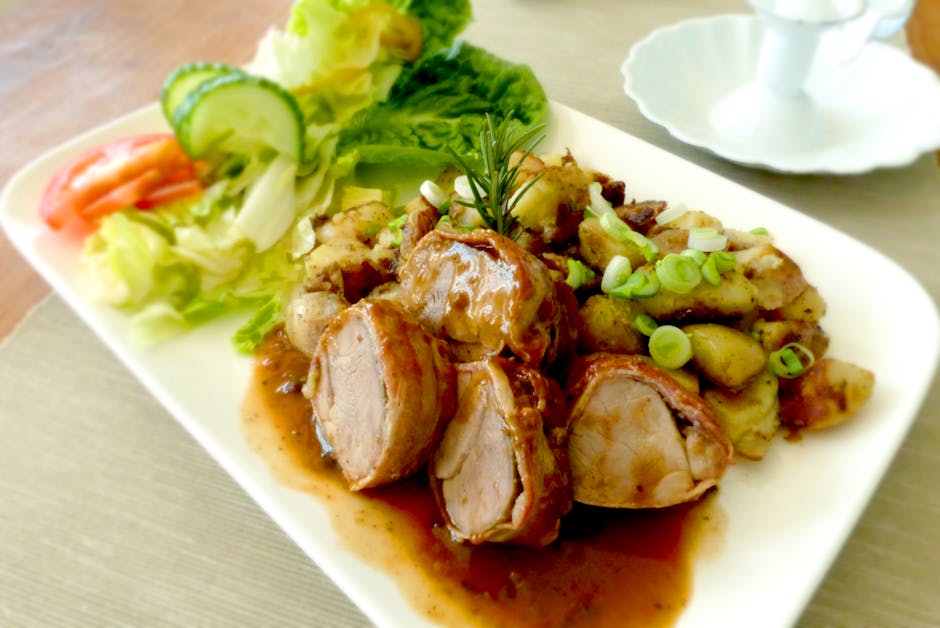
Brown Sugar and Balsamic Glazed Pork Tenderloin: A Culinary Masterpiece for the Home Chef
The allure of a perfectly cooked pork tenderloin lies in its inherent leanness, tenderness, and remarkable ability to absorb a myriad of flavors. Elevating this humble cut to a culinary centerpiece is achievable for any home cook, and the combination of brown sugar and balsamic glaze offers a sophisticated yet approachable pathway to gastronomic delight. This article delves deep into the science and art of creating a superior brown sugar and balsamic glazed pork tenderloin, exploring ingredient selection, preparation techniques, cooking methodologies, and the nuanced interplay of flavors that define this dish. We will dissect the role of each component, from the granular sweetness of brown sugar to the complex tang of balsamic vinegar, and how their synergy transforms pork tenderloin into an unforgettable meal. Understanding the optimal cooking temperatures, resting periods, and glaze consistency will be paramount to achieving a restaurant-quality result in your own kitchen, making this a go-to recipe for weeknight dinners and impressive entertaining alike.
Understanding the Core Ingredients: Pork Tenderloin, Brown Sugar, and Balsamic Vinegar
The success of this dish hinges on the quality and understanding of its primary components. Pork tenderloin, also known as pork filet or pork tender, is a long, slender muscle that runs along the backbone of the hog. Its leanness contributes to a delicate texture and a mild flavor profile, making it an ideal canvas for bold glazes. When selecting pork tenderloin, opt for a vibrant pinkish-red color with minimal connective tissue or fat marbling. The size of tenderloins can vary, typically ranging from 1 to 1.5 pounds. For this recipe, a single tenderloin is sufficient to serve 3-4 people, while two can easily cater to larger gatherings. Trim any excess silverskin, a thin, iridescent membrane that can render tough and chewy during cooking. This is a crucial step often overlooked, but it significantly impacts the final texture.
Brown sugar, the sweet anchor of our glaze, provides not only sweetness but also a subtle molasses undertone. Its crystalline structure contributes to caramelization, creating a beautiful, glossy crust on the pork. We will primarily focus on light brown sugar for its balanced sweetness and moisture content, though dark brown sugar can be employed for a richer, more intense molasses flavor. The proportion of brown sugar to other glaze ingredients is critical for achieving the desired sweetness without overwhelming the pork or burning.
Balsamic vinegar, originating from Modena, Italy, brings a sophisticated acidity and complex flavor to the glaze. True balsamic vinegar undergoes a lengthy aging process, resulting in a thick, syrupy consistency and a sweet-tart profile with notes of fruit, oak, and even a hint of chocolate. For this recipe, a good quality balsamic vinegar is recommended. While a more affordable standard balsamic will work, a "balsamic glaze" or "balsamic reduction" specifically designed for cooking will offer a more concentrated and luxurious flavor. The acidity of the balsamic vinegar not only balances the sweetness of the brown sugar but also helps to tenderize the pork and create a delightful counterpoint to its inherent richness.
The Alchemy of the Glaze: Balancing Sweetness and Acidity
The brown sugar and balsamic glaze is where the magic truly happens. The fundamental ratio aims for a harmonious balance between the caramelizing sweetness of the brown sugar and the assertive tang of the balsamic vinegar. A typical starting point for the glaze is a 2:1 ratio of brown sugar to balsamic vinegar, but this can be adjusted based on personal preference and the specific characteristics of your balsamic.
To create the glaze, combine brown sugar and balsamic vinegar in a small saucepan. The heat will encourage the sugar to dissolve and the vinegar to slightly reduce, thickening the mixture. Optional additions can further enhance the flavor profile. Minced garlic, for instance, adds a pungent depth, while a pinch of red pepper flakes can introduce a subtle warmth. A touch of soy sauce or Worcestershire sauce can contribute umami, adding another layer of complexity to the savory elements of the dish. Fresh herbs like rosemary or thyme can be infused into the glaze during its reduction or finely chopped and added at the end for a burst of freshness.
The process of reducing the glaze is key to achieving the correct consistency. Bring the mixture to a simmer over medium heat, stirring occasionally. As it simmers, the liquid will evaporate, and the glaze will begin to thicken. This reduction process concentrates the flavors, making them more intense. The goal is a glaze that is viscous enough to coat the back of a spoon but still pourable. Over-reduction can lead to a burnt, bitter glaze, so vigilance is essential. Conversely, an under-reduced glaze will be too thin and may not adhere well to the pork.
Preparation Techniques: Mastering the Pork Tenderloin
Before embarking on the cooking process, proper preparation of the pork tenderloin is paramount. As mentioned, removing the silverskin is the first critical step. Use a sharp paring knife to carefully lift one end of the silverskin and then, holding the knife at a shallow angle, slice underneath it, guiding the knife away from you to peel it away. Once the silverskin is removed, pat the tenderloin dry with paper towels. This step is crucial for achieving a good sear, which in turn contributes to browning and flavor development through the Maillard reaction.
Seasoning the pork generously with salt and freshly ground black pepper is non-negotiable. The salt not only enhances the natural flavor of the pork but also draws out some of its moisture, which can contribute to a better sear. Consider using a coarse sea salt or kosher salt for a more pronounced textural contrast.
For an even cook and a more visually appealing presentation, consider trussing the pork tenderloin. This involves tying the tenderloin at intervals with kitchen twine. Trussing helps to maintain a uniform shape, preventing the thinner ends from overcooking before the thicker center is done. It also allows the glaze to adhere more evenly. To truss, lay the tenderloin on a flat surface, place the twine underneath, and bring the ends up and over the tenderloin, tying them securely. Repeat this every 1-2 inches along the length of the tenderloin.
Cooking Methodologies: Sear, Glaze, and Roast for Perfection
The most effective method for cooking a brown sugar and balsamic glazed pork tenderloin involves a two-stage approach: searing and roasting. Searing creates a flavorful crust and locks in juices, while roasting ensures even cooking.
Begin by preheating your oven to 400°F (200°C). Heat a tablespoon of high-smoke-point oil, such as canola or grapeseed oil, in an oven-safe skillet over medium-high heat until shimmering. Carefully place the prepared pork tenderloin in the hot skillet and sear for 2-3 minutes per side, until a deep golden-brown crust has formed. This process is crucial for developing flavor and color. Do not overcrowd the pan; if necessary, sear the tenderloin in batches.
Once seared, remove the skillet from the heat. Brush or spoon a portion of the prepared brown sugar and balsamic glaze generously over the top and sides of the seared pork tenderloin. Transfer the skillet to the preheated oven.
The roasting time will vary depending on the thickness of the tenderloin and your desired level of doneness. For a medium-rare to medium pork tenderloin (internal temperature of 145°F/63°C), expect approximately 15-20 minutes. Use an instant-read meat thermometer inserted into the thickest part of the tenderloin to ensure accuracy. Avoid overcooking, as pork tenderloin can quickly become dry. During the last few minutes of roasting, you can brush on additional glaze for an even richer coating and more intense flavor.
Alternatively, if you don’t have an oven-safe skillet, you can sear the pork in a regular skillet and then transfer it to a baking sheet lined with parchment paper before glazing and roasting. This method is equally effective.
The Resting Period: A Critical Step for Juiciness
Once the pork tenderloin reaches its target internal temperature, remove it from the oven. This is a critical juncture that many home cooks overlook: the resting period. Tent the pork loosely with aluminum foil and let it rest for at least 5-10 minutes. This allows the internal juices, which have been driven to the center during cooking, to redistribute throughout the meat. Cutting into the pork immediately after removing it from the oven will result in those precious juices running out onto the cutting board, leaving you with a drier, less flavorful finished product. The resting period is an investment in a moist and tender outcome.
Finishing Touches and Serving Suggestions
While the tenderloin rests, you can utilize the remaining glaze. If it has thickened too much in the oven, you can thin it slightly with a tablespoon of water or chicken broth. You can also reduce any pan juices collected on the baking sheet or in the skillet with the remaining glaze for an intensified sauce.
After resting, remove the kitchen twine if you trussed the tenderloin. Slice the pork tenderloin into 1/2 to 3/4-inch thick medallions. Arrange the slices on a serving platter and drizzle with any remaining glaze or pan sauce.
The brown sugar and balsamic glazed pork tenderloin is a versatile dish that pairs well with a variety of side dishes. Classic pairings include roasted vegetables such as asparagus, Brussels sprouts, or sweet potatoes. Creamy mashed potatoes, a wild rice pilaf, or a quinoa salad also complement the richness of the glazed pork. For a lighter option, a simple green salad with a vinaigrette provides a refreshing contrast. The sweetness of the glaze also lends itself to pairing with slightly tart fruits like apples or pears, either in a cooked preparation or as a fresh relish.
Troubleshooting Common Issues: Preventing Burned Glaze and Dry Pork
Even with precise instructions, culinary endeavors can sometimes present challenges. A common concern with this recipe is the potential for the brown sugar and balsamic glaze to burn. This can occur if the glaze is reduced too much, or if the pork is cooked at too high a temperature for too long. To mitigate this, monitor the glaze closely during reduction and ensure your oven temperature is accurate. If the glaze begins to darken too rapidly during roasting, you can tent the pork loosely with aluminum foil for the remainder of the cooking time.
Another frequent issue is dry pork tenderloin. As highlighted, overcooking is the primary culprit. Relying on a meat thermometer is the most foolproof method for achieving the desired doneness. Remember that the internal temperature will continue to rise slightly during the resting period, so it’s generally advisable to remove the pork when it’s a few degrees below your target temperature. Ensuring the tenderloin is not overly trimmed of its natural fat (within reason) can also contribute to moisture retention.
SEO Optimization Strategies: Keywords and Content Structure
To ensure this article reaches its intended audience of home cooks searching for delicious and achievable pork recipes, strategic SEO implementation is vital. The primary keywords are embedded naturally throughout the text: "brown sugar balsamic pork tenderloin," "glazed pork tenderloin," "easy pork tenderloin recipe," "how to cook pork tenderloin," "sweet and savory pork," and "oven-roasted pork."
The article is structured with clear headings and subheadings, breaking down the information into digestible sections. This not only improves readability for the user but also signals to search engines the organized and comprehensive nature of the content. The use of bullet points and numbered lists, where applicable (though less so in this narrative-driven format), can also enhance user experience and SEO.
Furthermore, the article provides detailed explanations of ingredients and techniques, offering valuable information beyond a basic recipe. This depth of content signals authority and expertise, which search engines favor. The inclusion of practical advice, such as troubleshooting common issues, adds further value and increases the likelihood of users engaging with and sharing the content. The emphasis on specific cooking temperatures, resting times, and ingredient choices caters to users seeking precise guidance, further solidifying the article’s utility and search engine ranking potential. The inherent value of the information, presented in a clear and organized manner, is the cornerstone of effective SEO for culinary content.
The final piece of the puzzle is ensuring that the content is not only informative and keyword-rich but also engaging and easy to follow. The descriptive language used throughout, aiming to evoke the sensory experience of preparing and enjoying this dish, also contributes to user retention and positive engagement metrics, which indirectly influence SEO performance. The comprehensive nature of this article, covering everything from ingredient selection to serving suggestions and troubleshooting, positions it as a definitive resource for anyone looking to create a spectacular brown sugar and balsamic glazed pork tenderloin.