Homemade Tomato Sauce I
Homemade Tomato Sauce: From Garden Fresh to Pantry Staple, A Comprehensive Guide
The foundation of countless culinary creations, homemade tomato sauce transcends its simple ingredients to become a versatile, flavor-rich cornerstone of any well-stocked kitchen. Moving beyond the often-sugary, overly processed commercial varieties, crafting your own tomato sauce offers unparalleled control over taste, texture, and health. This comprehensive guide will navigate you through every aspect of creating exceptional homemade tomato sauce, from selecting the ideal tomatoes to achieving the perfect consistency and exploring flavor variations. Understanding the process empowers home cooks to elevate their pasta dishes, pizzas, stews, and more with authentic, deeply satisfying tomato flavor.
The journey begins with the tomato. While virtually any tomato can be used, certain varieties are intrinsically better suited for sauce-making due to their flesh-to-seed ratio, sweetness, acidity, and low water content. Roma tomatoes, also known as plum tomatoes, are the undisputed champions. Their dense, meaty flesh, minimal seeds, and low moisture content translate into a thicker, more concentrated sauce with less cooking time and reduced need for straining. San Marzano tomatoes, a specific variety of plum tomato originating from the San Marzano region of Italy, are often considered the gold standard for their exceptional sweetness, balanced acidity, and fewer seeds. Heirloom tomatoes, while offering a diverse range of flavors and colors, can be more watery and may require longer cooking times or additional straining to achieve a desirable sauce consistency. For a more complex flavor profile, consider blending different tomato types. For instance, combining Romas with a few beefsteak tomatoes can introduce a brighter acidity and a richer tomato essence. The key is to prioritize tomatoes with substantial flesh and a good balance of sweetness and acidity. Ripe, in-season tomatoes will always yield the best results.
Preparing the tomatoes for sauce is a crucial step that impacts both texture and flavor. The most common method for easily removing tomato skins is blanching. Bring a large pot of water to a rolling boil. Score the bottom of each tomato with a shallow "X" using a paring knife. Immerse the tomatoes in the boiling water for 30-60 seconds, or until the skins begin to loosen and peel away from the scored marks. Immediately transfer the blanched tomatoes to an ice bath to stop the cooking process. Once cool enough to handle, the skins will slip off with ease. For removing seeds, you have a few options. You can simply cut the tomatoes in half or quarters and scoop out the seeds with a spoon, or for a smoother sauce, you can pass the cooked tomatoes through a food mill, which effectively separates the flesh from the seeds and skins. Some recipes advocate for leaving the skins and seeds in for a more rustic texture, but for a smooth, velvety sauce, their removal is recommended. The core of the tomato should also be removed, as it can be tough and less flavorful.
The cooking process is where the magic truly happens, transforming raw tomatoes into a rich, concentrated sauce. The initial sautéing of aromatics sets the flavor foundation. Finely chopped onions and garlic are the classic starting point. Sautéing them gently in olive oil or butter over medium-low heat until softened and translucent (not browned) releases their sweet, mellow flavors without imparting bitterness. Other aromatics can be introduced at this stage, such as finely diced carrots for a touch of sweetness and body, or celery for an herbaceous undertone. The type of fat used also influences the final flavor; olive oil provides a classic Mediterranean profile, while butter adds richness and depth.
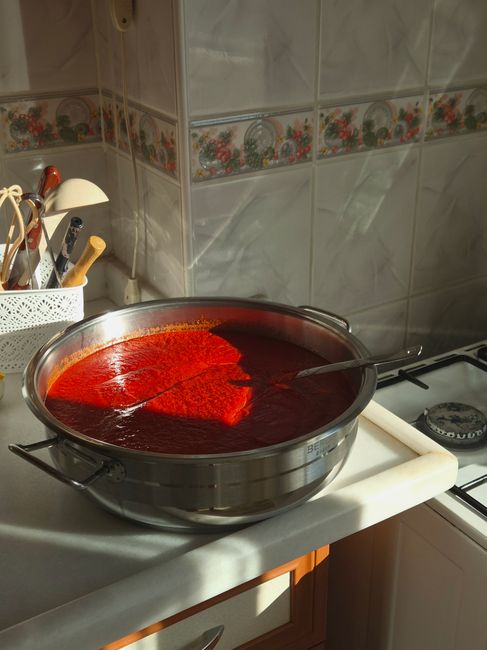
Once the aromatics are softened, the prepared tomatoes are added to the pot. This is where the cooking time becomes a significant factor. A slow, low simmer is paramount for developing deep, complex flavors and achieving the desired sauce consistency. Rushing the process by using high heat will result in a watery, underdeveloped sauce and can lead to scorching. The cooking time can vary significantly, from 30 minutes for a quick sauce to several hours for a deeply reduced, intensely flavored sauce. As the sauce simmers, it will naturally thicken as the water content evaporates. Stirring periodically is essential to prevent sticking and ensure even cooking. The aroma that fills your kitchen during this process is a testament to the slow transformation of simple ingredients into something extraordinary.
Seasoning is where personal preference and culinary creativity come into play. Salt and freshly ground black pepper are the fundamental building blocks of flavor. It’s best to season incrementally throughout the cooking process, tasting and adjusting as you go. Beyond the basics, herbs play a vital role. Fresh basil, added towards the end of cooking to preserve its delicate flavor, is a classic pairing. Other complementary herbs include oregano, thyme, rosemary, and parsley. Dried herbs can be added earlier in the cooking process to allow their flavors to infuse. A pinch of sugar can be added to balance the acidity of the tomatoes, especially if they are particularly tart. A bay leaf, removed before serving, can impart a subtle herbal note. For a touch of heat, a pinch of red pepper flakes can be incorporated. The beauty of homemade sauce lies in its adaptability; you can tailor the seasonings to suit your specific dish or palate.
Achieving the perfect texture is a matter of preference and the intended use of the sauce. For a smooth, velvety sauce, a food mill is an excellent tool, effectively pureeing the tomatoes while removing any remaining skins or seeds. Alternatively, an immersion blender can be used directly in the pot to achieve a smooth consistency. For a chunkier, more rustic sauce, simply mash the cooked tomatoes with a potato masher or leave them as they are after cooking. If your sauce is too thin, the solution is simple: continue simmering uncovered, allowing more liquid to evaporate. For a sauce that is too thick, you can thin it out with a splash of water, vegetable broth, or even a bit of white wine. The goal is a consistency that coats the back of a spoon without being overly watery or claggy.
The storage of homemade tomato sauce is as important as its preparation to ensure its longevity and maintain its quality. Once cooled completely, transfer the sauce to airtight containers. Glass jars, such as Mason jars, are ideal for both refrigeration and freezing. For refrigeration, the sauce will typically last for 5-7 days. Ensure the jars are filled to leave about an inch of headspace if you plan to freeze them. Freezing is an excellent option for preserving larger batches of sauce. Properly frozen sauce can maintain its quality for 6-12 months. To freeze, allow the sauce to cool completely, then transfer it into freezer-safe containers or heavy-duty freezer bags, pressing out as much air as possible. Label each container with the date of preparation to track its freshness. Thawing frozen sauce is best done in the refrigerator overnight; for a quicker thaw, you can gently reheat it in a saucepan over low heat.
Beyond the classic marinara, the world of homemade tomato sauce offers a canvas for endless culinary exploration. Adding roasted red peppers transforms the sauce into a vibrant, smoky delight, perfect for dipping or as a base for Mediterranean-inspired dishes. Sun-dried tomatoes, rehydrated and blended in, impart an intense, sweet-tart flavor. For a richer, more complex sauce, consider adding a splash of red wine during the simmering process. A touch of balsamic vinegar can also add a delightful tang and depth. For a creamy variation, stir in a dollop of heavy cream or mascarpone cheese at the end of cooking. Adding browned ground meat, vegetables like zucchini and eggplant, or even lentils can transform your basic sauce into a hearty ragù or a flavorful vegetarian chili base. The possibilities are truly limitless, allowing you to customize your sauce to complement virtually any dish.
The nutritional benefits of homemade tomato sauce are significant compared to many store-bought options. Tomatoes are rich in lycopene, a powerful antioxidant linked to various health benefits, including a reduced risk of certain cancers and heart disease. Lycopene is more readily absorbed by the body when cooked, making homemade sauce an excellent way to harness its full potential. By controlling the ingredients, you eliminate added sugars, excessive sodium, and artificial preservatives often found in commercial sauces. This makes homemade tomato sauce a healthier choice for individuals and families alike. The use of fresh, quality ingredients ensures that you are not only enjoying delicious food but also nourishing your body with essential vitamins and antioxidants.
When it comes to SEO, incorporating relevant keywords naturally throughout the article is crucial. Terms like "homemade tomato sauce," "how to make tomato sauce," "easy tomato sauce recipe," "best tomatoes for sauce," "San Marzano sauce," "marinara sauce recipe," "pasta sauce," and "canning tomato sauce" will help search engines understand the content’s relevance. Highlighting the benefits of homemade sauce, such as "healthy tomato sauce," "no added sugar sauce," and "fresh tomato sauce," will attract users seeking healthier alternatives. The comprehensive nature of the article, covering everything from tomato selection to storage and variations, also contributes to its SEO value, as it provides in-depth information that users are likely searching for. The use of clear headings and subheadings further enhances readability and SEO by breaking down the information into digestible chunks.
Finally, the act of making homemade tomato sauce is inherently rewarding. It connects us to our food, encourages mindful cooking, and results in a product that is both delicious and deeply satisfying. The aroma that permeates your home during the slow simmer, the vibrant color of the finished product, and the knowledge that you have created something wholesome and flavorful from scratch all contribute to the joy of this culinary endeavor. Mastering the art of homemade tomato sauce is an investment in countless future meals, a testament to the power of simple ingredients transformed through time and care. It’s a skill that pays dividends in flavor, health, and culinary confidence, solidifying its place as an essential technique for any home cook.