
Deep Fried Morel Mushrooms

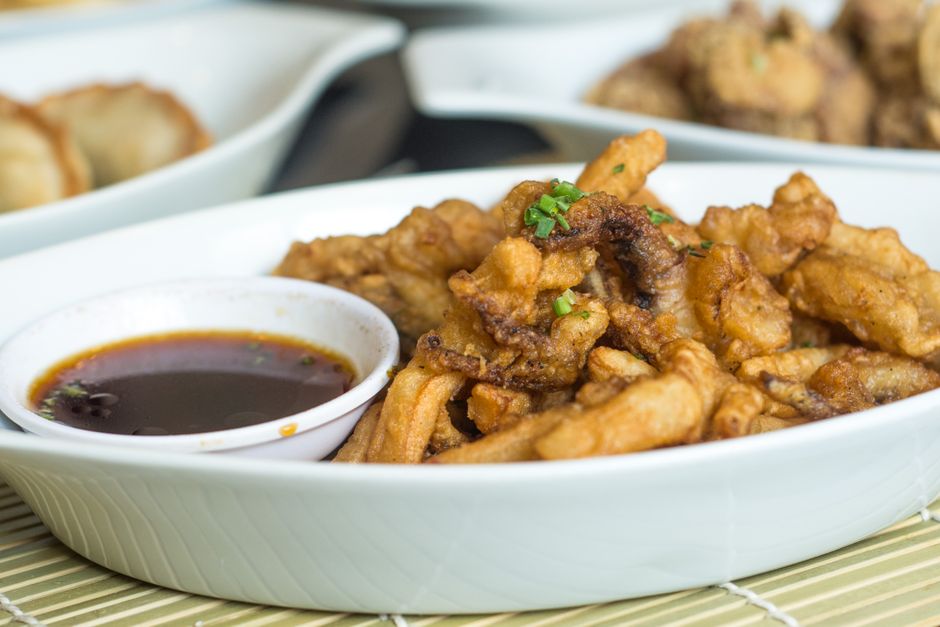
Deep Fried Morel Mushrooms: A Culinary Delectable Masterpiece
The ephemeral nature of morel mushrooms, appearing as a fleeting gift of spring, elevates them to a status of culinary reverence. Their unique honeycomb texture and earthy, woodsy flavor are unparalleled in the fungal kingdom, making them a coveted ingredient for discerning palates. Among the myriad of preparations that showcase their exquisite taste, deep frying stands out as a method that amplifies their natural appeal, creating a textural contrast that is both satisfying and profoundly delicious. This article delves into the art and science of deep frying morel mushrooms, exploring the nuances of preparation, battering, frying techniques, and serving suggestions that transform these forest jewels into a truly unforgettable dish.
Understanding the Morel Mushroom: The Foundation of Flavor
Before embarking on the journey of deep frying, a foundational understanding of the morel mushroom itself is crucial. Morels (Morchella spp.) are easily identifiable by their distinctive conical or oblong caps, which are pitted and ridged, resembling a honeycomb. They are typically found in woodland areas, often near specific tree species like ash, elm, and oak, emerging from the forest floor in spring after significant rainfall. Their flavor is often described as nutty, earthy, and slightly smoky, with a delicate, almost meaty texture when cooked. However, it’s imperative to note that morels are one of the few wild mushrooms that must be cooked thoroughly before consumption. Raw morels can contain toxins that cause gastrointestinal distress. Thorough cooking, including deep frying, neutralizes these compounds, rendering them safe and immensely enjoyable. The quality of the morels directly impacts the final dish; fresh, firm specimens with no signs of decay will yield the best results. When selecting morels, look for those that are plump, not dried out or mushy, and possess a clean, earthy aroma.
Preparation: The Crucial First Steps
Proper preparation of morel mushrooms is paramount to achieving a perfect deep-fried result. This process begins with thorough cleaning. Due to their porous nature and tendency to grow in soil, morels often harbor grit and debris within their intricate crevices. Rinsing them under cool running water is the initial step, but it’s essential to do so gently and efficiently. Soaking is generally discouraged as it can lead to waterlogging, which compromises texture and flavor. Instead, a gentle swish in a bowl of cool water, followed by careful agitation with your fingers to dislodge any trapped soil, is recommended. After rinsing, it’s crucial to dry them thoroughly. Patting them dry with paper towels is effective, but for optimal results, allowing them to air dry on a clean kitchen towel for a short period can further reduce moisture content. Excess water will not only affect the crispness of the fried exterior but can also cause the frying oil to splatter dangerously. Depending on their size, morels may be fried whole or halved. Larger specimens can be sliced lengthwise to ensure even cooking and a better surface area for the batter to adhere. This also allows the heat to penetrate to the core more effectively, eliminating any potential for residual toxins.
The Art of Battering: Creating the Crispy Shell
The batter is the protective and flavorful armor that transforms the delicate morel into a crispy delight. Several battering techniques can be employed, each yielding slightly different results. A classic approach involves a three-step process: dusting with flour, dipping in an egg wash, and then coating in a seasoned breadcrumb mixture or a specialized frying batter.
- Flour Dredge: The initial dusting of all-purpose flour helps the egg wash adhere better and provides a base for the subsequent coating. This layer also absorbs some surface moisture.
- Egg Wash: A simple mixture of beaten eggs, sometimes with a splash of milk or water, serves as the binder for the outer coating. Ensure the morels are fully coated in the egg wash.
- Outer Coating: This is where creativity can shine. Options include:
- Seasoned Breadcrumbs: Panko breadcrumbs are highly recommended for their superior crispness. Combining them with finely grated Parmesan cheese, garlic powder, onion powder, paprika, and a pinch of cayenne pepper adds layers of savory flavor.
- Cornmeal or Polenta: A mixture of fine or medium-grain cornmeal or polenta offers a rustic, slightly coarser texture and a distinct corn flavor that complements the earthiness of morels.
- Specialized Frying Batter: A liquid batter, often made with flour, cornstarch, baking powder, and a carbonated beverage like beer or club soda for extra lightness, creates a thicker, more substantial coating. The carbonation introduces air bubbles that expand during frying, resulting in a wonderfully airy and crisp crust.
The key to a successful batter is ensuring the morels are completely and evenly coated. Avoid overcrowding the morels in the dredging stations, as this can lead to clumps and uneven coverage.
Deep Frying Techniques: Achieving Golden Perfection
Deep frying morel mushrooms requires careful attention to temperature and technique to achieve a perfectly golden-brown and crispy exterior without overcooking the delicate interior.
- Oil Selection: A neutral-flavored oil with a high smoke point is essential. Canola oil, vegetable oil, peanut oil, or grapeseed oil are excellent choices. Avoid olive oil, as its smoke point is too low for deep frying and can impart an undesirable flavor.
- Oil Temperature: Maintaining a consistent oil temperature is paramount. For morels, a temperature of 350-375°F (175-190°C) is ideal. Too low a temperature will result in greasy mushrooms that absorb too much oil; too high a temperature will cause the exterior to burn before the interior is heated through. A deep-fry thermometer is an invaluable tool for monitoring and controlling the oil temperature.
- Frying Process:
- Preheat the Oil: Heat the oil in a deep, heavy-bottomed pot or a deep fryer to the desired temperature.
- Fry in Batches: Never overcrowd the fryer. Frying too many mushrooms at once will lower the oil temperature significantly, leading to soggy results. Fry in small batches, allowing each batch to cook undisturbed for the initial few minutes.
- Cooking Time: Deep-fried morels cook quickly due to their size and porous nature. They typically require 2-4 minutes per batch, depending on their size and the batter used. They are ready when they are a rich golden brown and float to the surface.
- Drainage: Once fried to perfection, carefully remove the morels from the hot oil using a slotted spoon or a spider strainer. Immediately transfer them to a wire rack set over a baking sheet lined with paper towels. This allows excess oil to drain off, preserving their crispness. Avoid placing them directly on paper towels, as this can lead to steaming and a loss of crispness.
- Seasoning: Season the fried morels immediately after removing them from the oil while they are still hot. A sprinkle of sea salt, freshly ground black pepper, or even a dusting of truffle salt can further enhance their flavor.
Troubleshooting Common Deep Frying Issues
Even with careful preparation, challenges can arise during the deep-frying process.
- Soggy Mushrooms: This is often caused by frying at too low a temperature, overcrowding the fryer, or insufficient drying of the morels before battering. Ensure the oil is at the correct temperature and fry in small batches.
- Burnt Exterior, Undercooked Interior: This indicates the oil temperature is too high. Lower the heat and fry for a slightly shorter duration.
- Batter Falling Off: This can be due to inadequate drying of the morels, insufficient adherence to the flour dredge or egg wash, or handling the battered morels too roughly. Ensure each step of the battering process is thorough.
- Oily Residue: This is a sign of oil temperature being too low or overcrowding the fryer. Proper draining on a wire rack is also crucial.
Serving Suggestions: Elevating the Deep-Fried Morel Experience
Deep-fried morel mushrooms are incredibly versatile and can be enjoyed in a multitude of ways, from simple appetizers to sophisticated side dishes.
- As an Appetizer: Serve them hot straight from the fryer, dusted with sea salt, as a standalone appetizer. A side of aioli, a creamy lemon-herb dip, or a spicy sriracha mayonnaise can provide a delightful counterpoint to their richness.
- Garnishes: Their crispy texture makes them an exceptional garnish for a variety of dishes. Sprinkle them over grilled steaks, pan-seared scallops, roasted chicken, or creamy risotto. They add both visual appeal and a satisfying textural element.
- In Salads: Toss them into a warm spinach salad or a composed green salad for an unexpected burst of flavor and crunch.
- With Pasta Dishes: Incorporate them into a light pasta dish with garlic, butter, and fresh herbs for an elegant and flavorful meal.
- As a Side Dish: They make a spectacular side for any main course, particularly those featuring game meats or rich, creamy sauces.
The Nutritional Aspect and Health Considerations
While deep-fried morels are undoubtedly a treat, it’s important to acknowledge their nutritional profile. Mushrooms, in general, are low in calories and fat and a good source of B vitamins, selenium, and potassium. However, the deep-frying process introduces a significant amount of fat from the oil. Moderation is key when incorporating this dish into a balanced diet. Furthermore, as emphasized earlier, thorough cooking is non-negotiable. The toxins present in raw morels are heat-labile and are effectively neutralized through the deep-frying process. Individuals with allergies to mushrooms or gluten (if a traditional flour-based batter is used) should exercise caution or opt for gluten-free alternatives.
The Ephemeral Delight: A Taste of Spring
The allure of deep-fried morel mushrooms lies not only in their exquisite flavor and texture but also in their fleeting availability. The anticipation of spring and the subsequent hunt for these elusive fungi adds a layer of mystique and reward to the eventual culinary enjoyment. Mastering the art of deep frying them ensures that this precious ingredient is savored in its most delectable form, a testament to the wonders of nature and the ingenuity of culinary preparation. The combination of the earthy, nuanced flavor of the morel with the irresistible crunch of a perfectly fried exterior creates a sensory experience that is truly unforgettable, making this dish a highly sought-after indulgence for any mushroom enthusiast. The textural interplay, from the initial crisp bite to the tender, savory interior, is a hallmark of this celebrated preparation. Each morsel is a concentrated burst of woodland essence, amplified by the golden embrace of the fried coating. This method of preparation celebrates the morel in its prime, transforming a simple fungus into a gourmet delicacy that resonates with the essence of springtime foraging.


