Slow Cooker Tapioca Pudding
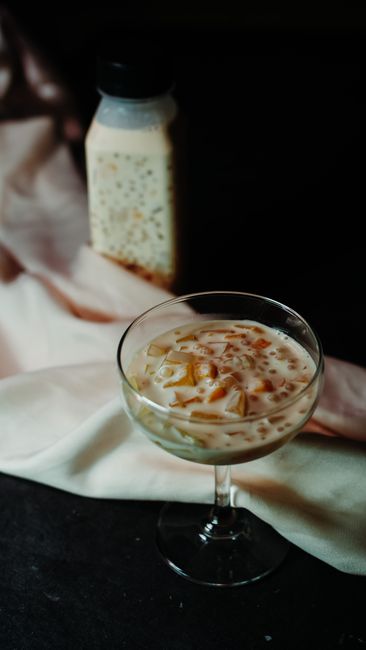
Slow Cooker Tapioca Pudding: A Creamy, Comforting, and Effortless Dessert
The allure of a perfectly creamy, comforting dessert is often met with the perceived barrier of time-consuming preparation. However, the slow cooker unlocks a world of effortless indulgence, and slow cooker tapioca pudding stands as a testament to this culinary magic. This classic, beloved dessert, known for its delicate texture and subtle sweetness, transforms into a hands-off marvel when prepared in a Crock-Pot or similar slow cooker. The gentle, consistent heat of the slow cooker mimics the precise environment needed for tapioca pearls to swell and soften, rendering them plump and translucent without the risk of scorching or overcooking that can plague stovetop methods. The result is a luxuriously smooth pudding, infused with the rich flavors of milk, eggs, and sweetener, all achieved with minimal active involvement. This method is ideal for busy households, aspiring home bakers seeking simple yet impressive treats, or anyone craving a nostalgic dessert without the fuss. The slow cooker’s ability to maintain a low, steady temperature for extended periods ensures that the tapioca pearls absorb the liquid gradually, creating an unparalleled creamy consistency that is difficult to replicate through other cooking techniques. Furthermore, the slow cooker’s hands-off nature allows for multitasking, freeing up valuable time for other kitchen tasks or simply enjoying a moment of relaxation while the dessert magically comes together.
The Foundation: Selecting the Right Tapioca and Liquid Base for Slow Cooker Tapioca Pudding
The success of any slow cooker tapioca pudding recipe hinges on two fundamental components: the tapioca pearls themselves and the liquid base. For optimal results, small pearl tapioca is the preferred choice. These small, granular pearls are designed to absorb liquid and expand, creating the signature chewy yet tender texture characteristic of good tapioca pudding. Avoid instant tapioca, which is pre-cooked and often results in a gluey, less desirable texture. The small pearls, when given adequate time to hydrate and cook in the slow cooker, will soften beautifully, yielding a pudding that is both satisfyingly textured and wonderfully smooth. Larger pearl tapioca, while sometimes used, requires a significantly longer cooking time and can be more prone to uneven cooking in a slow cooker, leading to some pearls being undercooked while others become mushy. Therefore, sticking with small pearl tapioca is a critical step for achieving the perfect slow cooker tapioca pudding.
The liquid base is equally crucial, forming the creamy canvas for the tapioca pearls. A combination of whole milk and heavy cream is often the secret to achieving a truly rich and decadent pudding. Whole milk provides a good balance of fat and liquid, ensuring the pudding is not too thin. The addition of heavy cream, even in moderate amounts, elevates the richness and contributes significantly to the luxurious mouthfeel. While some recipes might opt for evaporated milk or condensed milk for added sweetness and creaminess, a straightforward milk and cream base allows for greater control over the sweetness of the final product, enabling customization to individual preferences. For a dairy-free or vegan tapioca pudding, plant-based milks such as almond milk, soy milk, or coconut milk (from a carton, not canned for a lighter texture) can be used, though the final richness and texture might differ. If using a plant-based milk with a lower fat content, consider increasing the proportion of cream (if using dairy cream for a mixed base) or adding a touch of coconut cream or cashew cream to compensate for the missing fat and achieve a desirable creaminess. The interaction between the tapioca and the fat content in the liquid is vital for preventing the pearls from sticking to the bottom of the slow cooker and for creating a smooth, cohesive pudding.
Sweetening and Flavoring for Perfect Slow Cooker Tapioca Pudding: Balancing Taste and Tradition
The sweetness of slow cooker tapioca pudding is a delicate balance, intended to complement rather than overpower the subtle flavors of the tapioca and dairy. Granulated sugar is the most common sweetener, offering clean, straightforward sweetness. The amount of sugar can be adjusted based on personal preference, with a starting point typically ranging from 1/2 cup to 3/4 cup for a standard 4-quart slow cooker recipe. It’s important to remember that the pudding will become slightly less sweet as it cools. For a deeper, more nuanced flavor profile, brown sugar can be incorporated, either partially or entirely replacing granulated sugar. Brown sugar adds a subtle caramel note that pairs beautifully with the creamy base. Alternatively, maple syrup or honey can be used, offering their unique flavor characteristics. When using liquid sweeteners, it’s advisable to slightly reduce the amount of other liquids in the recipe to maintain the desired consistency, as these sweeteners also contribute moisture.
Beyond sugar, vanilla extract is an indispensable flavoring agent for tapioca pudding. Its warm, aromatic notes enhance the overall flavor and contribute to that classic, comforting taste. A teaspoon or two of pure vanilla extract is usually sufficient. For a richer vanilla flavor, a vanilla bean can be scraped and added to the slow cooker, infusing the pudding with its natural oils. Other flavorings can be introduced to create variations on the classic. Cinnamon or a pinch of nutmeg can add warmth and spice, particularly appealing in cooler months. A touch of lemon zest can brighten the flavor and provide a delightful contrast to the richness. For a more decadent experience, a tablespoon or two of cocoa powder can be whisked into the dry ingredients for a chocolate tapioca pudding, or a few chocolate chips can be stirred in during the final stages of cooking. The key is to introduce these flavorings judiciously, ensuring they enhance rather than dominate the inherent qualities of the tapioca pudding.
The Role of Eggs and Thickeners in Achieving the Perfect Consistency for Slow Cooker Tapioca Pudding
Eggs play a vital role in the texture and richness of slow cooker tapioca pudding, acting as both a binder and an emulsifier. Typically, egg yolks are used to impart a velvety smoothness and a richer, more custard-like quality. The fat in the yolks contributes to the creamy mouthfeel, while their proteins help to thicken the pudding. Whisking the egg yolks with a portion of the hot liquid before incorporating them into the main mixture is a crucial step known as tempering. This process gently warms the eggs, preventing them from scrambling when added to the hotter base. A common method involves reserving a cup or so of the hot liquid from the slow cooker, whisking the egg yolks into it gradually until smooth, and then slowly pouring this tempered mixture back into the slow cooker, stirring continuously.
While tapioca pearls are the primary thickener, some recipes might include an additional thickener for insurance or to achieve a specific consistency. Cornstarch is the most common addition, providing a reliable thickening agent that works well with dairy. It should be whisked with a small amount of cold liquid to form a slurry before being added to the slow cooker, to prevent lumps. This slurry is usually added during the final stages of cooking when the tapioca is nearly done. The amount of cornstarch will depend on the desired thickness, but generally, one to two tablespoons is sufficient for a standard recipe. It’s important to note that over-reliance on cornstarch can sometimes lead to a slightly gummy texture, so the goal is to use it as a supplementary thickener to ensure a perfectly smooth and creamy pudding, allowing the tapioca to do most of the work. The combination of gently cooked tapioca pearls, enriched egg yolks, and the careful addition of cornstarch (if used) is what ultimately creates that sought-after creamy, luscious texture in slow cooker tapioca pudding.
The Slow Cooking Process: Mastering the Art of Hands-Off Pudding Perfection
The beauty of slow cooker tapioca pudding lies in its simplicity, with the slow cooker doing the heavy lifting. The initial steps involve whisking together the dry ingredients – tapioca pearls, sugar, and salt – in the slow cooker insert. Then, the milk and cream are added, along with any whole egg whites if the recipe calls for them. The mixture is then stirred thoroughly to ensure the tapioca pearls are fully submerged and to prevent clumping.
The low setting on the slow cooker is the preferred method for preparing tapioca pudding. This gentle, consistent heat allows the tapioca pearls to swell and soften gradually, absorbing the liquid without becoming overcooked or developing a gummy texture. Cooking times can vary depending on the wattage of the slow cooker and the amount of liquid used, but typically range from 2 to 4 hours. It is essential to stir the pudding periodically, ideally every 30-60 minutes, especially during the first half of the cooking time. This stirring is crucial for preventing the tapioca pearls from sticking to the bottom of the slow cooker, which can lead to scorching and an unevenly cooked pudding. As the pudding cooks, it will gradually thicken.
Towards the end of the cooking time, usually in the last 30 minutes to an hour, the tempered egg yolks (and cornstarch slurry, if used) are incorporated. Stirring these in ensures they are evenly distributed and cook gently to thicken the pudding and add richness. Once the pudding has reached the desired consistency – it should be thick enough to coat the back of a spoon and the tapioca pearls should be soft and translucent – the vanilla extract is stirred in. It’s important to remove the slow cooker from the heat at this point to prevent the eggs from overcooking.
After cooking, the tapioca pudding will appear thinner than its final desired consistency. This is normal, as it will continue to thicken considerably as it cools. Allow the pudding to cool at room temperature for about 30 minutes before transferring it to individual serving dishes or a larger container. For optimal texture and flavor, refrigerating the pudding for at least 2-3 hours, or preferably overnight, is highly recommended. This chilling period allows the tapioca to fully absorb any remaining liquid, firm up the pudding, and meld the flavors, resulting in that perfect, creamy, and satisfying dessert experience.
Troubleshooting Common Issues with Slow Cooker Tapioca Pudding
Even with the seemingly foolproof nature of slow cooker cooking, occasional issues can arise with tapioca pudding. The most common complaint is a gluey or gummy texture. This is often a result of using instant tapioca instead of small pearl tapioca, or overcooking the pudding, which can break down the tapioca starch excessively. If using the correct tapioca pearls, ensuring the slow cooker is on the low setting and avoiding excessively long cooking times are critical. Another common problem is a thin or watery pudding. This can occur if there isn’t enough tapioca relative to the liquid, or if the pudding simply hasn’t cooked long enough for the tapioca to fully hydrate and thicken. In such cases, if the pudding is still warm, you can try stirring in a cornstarch slurry (1 tablespoon cornstarch mixed with 2 tablespoons cold water) and cooking for an additional 15-30 minutes on low, stirring frequently. However, be mindful of over-thickening. Conversely, a pudding that is too thick can sometimes happen if too much tapioca or thickener is used, or if it cooks for too long. While difficult to rectify entirely once over-thickened, you can try stirring in a little more milk or cream to loosen it up after it has cooled slightly.
Scorched or burnt tapioca pudding is a frustrating but often avoidable issue. This typically happens when the tapioca pearls stick to the bottom of the slow cooker. Consistent, periodic stirring, especially during the initial cooking phase, is the best preventative measure. Ensuring the tapioca pearls are fully submerged in liquid before cooking also helps. If scorching does occur, carefully scrape away the burnt bits from the bottom of the slow cooker insert (if possible without damaging the non-stick coating) before serving. A slightly burnt flavor can sometimes be masked by adding more vanilla or other flavorings. Finally, unevenly cooked tapioca pearls, where some are still hard and others are mushy, can occur if the cooking time is insufficient or if the heat source is too high. Again, using the low setting and stirring regularly are key to achieving uniformly tender pearls. Patience is also a virtue with slow cooker tapioca pudding; allowing it adequate time to cook and then chill is paramount for achieving its characteristic perfect texture.
Serving and Enjoying Your Effortless Slow Cooker Tapioca Pudding
Once your slow cooker tapioca pudding has chilled and reached its ideal creamy consistency, it’s ready to be savored. The beauty of this dessert lies in its versatility and the myriad of ways it can be garnished and enjoyed. The classic approach involves a simple topping of fresh fruit. Berries, such as strawberries, blueberries, and raspberries, add a burst of freshness and a touch of tartness that beautifully contrasts with the pudding’s sweetness. Sliced peaches, ripe mango, or even a spoonful of compote can offer delightful seasonal variations.
A dollop of whipped cream is another timeless accompaniment, adding an extra layer of richness and airy indulgence. For a more decadent experience, a sprinkle of toasted nuts, like slivered almonds or chopped pecans, can provide a satisfying crunch. A drizzle of caramel sauce or chocolate syrup can transform a simple tapioca pudding into a more elaborate dessert. For those who enjoy a hint of spice, a dusting of cinnamon or a tiny pinch of nutmeg can further enhance the comforting notes of the pudding.
Beyond individual servings, slow cooker tapioca pudding can be a showstopper when served family-style. Imagine a large, inviting bowl passed around the table, each scoop revealing that perfect, creamy texture. It’s an ideal dessert for brunches, potlucks, or cozy family dinners. The make-ahead nature of this dessert makes it exceptionally convenient for entertaining. Prepare it the day before, and simply chill and garnish before serving. This allows the host to enjoy their guests without being tied to the kitchen. The subtle sweetness and comforting texture of slow cooker tapioca pudding make it a universally appealing dessert that evokes nostalgia and culinary satisfaction, all achieved with minimal effort thanks to the magic of the slow cooker. Its inherent adaptability ensures it can be tailored to a wide range of tastes and occasions, solidifying its place as a go-to, effortless dessert option for any home cook.