Oven Fried Chicken Wings
The Ultimate Guide to Crispy, Flavorful Oven-Fried Chicken Wings: A Home Cook’s Masterclass
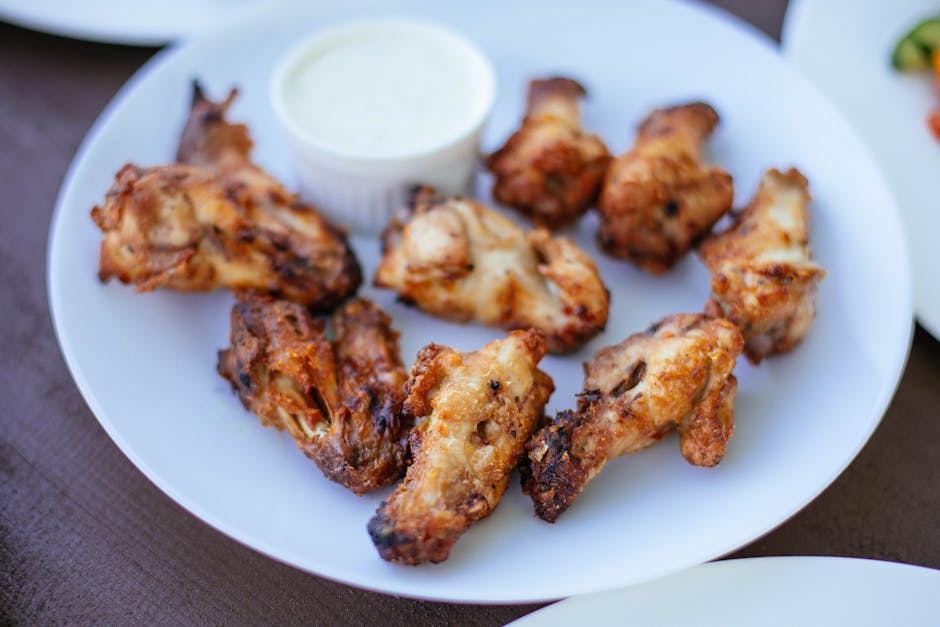
Achieving truly crispy, restaurant-quality chicken wings at home without the mess and danger of deep-frying is entirely possible through oven-frying. This method leverages high heat and a few key techniques to render fat, create a shatteringly crisp exterior, and lock in juicy tenderness. Forget soggy, greasy wings; this comprehensive guide will equip you with the knowledge and step-by-step instructions to consistently produce perfect oven-fried chicken wings, adaptable to a myriad of flavor profiles and occasions. We will delve into the crucial elements of wing preparation, the science behind oven-frying, ingredient selection, precise cooking parameters, and troubleshooting common issues, ensuring every batch is a resounding success.
The foundation of exceptional oven-fried chicken wings lies in proper preparation. Start with high-quality chicken wings, preferably fresh, not frozen. Thawed wings can release excess moisture, hindering crispiness. If using frozen wings, ensure they are completely thawed and thoroughly patted dry. The "wingettes" (flat) and "drumettes" are the most common cuts, but you can also use whole wings, cut at the joint. Before any seasoning, a crucial step for maximum crispiness is to pat the wings exceptionally dry with paper towels. Moisture is the enemy of crispiness. For an extra edge, consider air-drying the wings in the refrigerator, uncovered, for at least an hour, or even overnight. This further dehydrates the skin, setting the stage for a superior crisp. Some home cooks advocate for patting dry and then lightly dusting with a starch like cornstarch or baking powder (discussed later) before applying seasonings, which further aids in moisture absorption and browning.
The magic of oven-frying lies in the synergistic combination of dry heat and a rendered fat barrier. Unlike deep-frying, where the entire wing is submerged in hot oil, oven-frying relies on circulating hot air within the oven to cook the wings from all sides. To facilitate this, a wire rack set inside a baking sheet is indispensable. This elevates the wings, allowing hot air to circulate freely underneath and around them, preventing them from steaming in their own juices and promoting even cooking and crisping. The baking sheet acts as a drip pan, catching any rendered fat, which can then be used for other culinary purposes if desired, or discarded. The rack prevents the bottoms from becoming soggy. Ensure the rack is sturdy enough to support the weight of the wings without sagging.
Seasoning is where the flavor journey truly begins. While a simple salt and pepper combination is classic, the possibilities are virtually endless. For oven-fried wings, a dry rub is often preferred over a wet marinade. Wet marinades can introduce excess moisture, counteracting the quest for crispiness. Dry rubs, on the other hand, adhere directly to the wing and contribute to a flavorful, textured exterior. A basic, yet effective, dry rub can include: salt, black pepper, garlic powder, onion powder, and paprika. The paprika not only adds color but also a subtle sweetness and smokiness. For a spicier kick, cayenne pepper or chili powder can be incorporated. For those seeking umami depth, consider a pinch of MSG or nutritional yeast. Smoked paprika is a game-changer for adding a sophisticated smoky flavor without liquid smoke.
Beyond basic seasoning blends, consider the impact of specific ingredients on achieving crispiness. Baking powder is a widely recognized secret weapon for oven-fried chicken wings. It’s not to be confused with baking soda, which has a metallic taste. Baking powder, when mixed with the wing’s natural moisture and exposed to high heat, undergoes a chemical reaction that breaks down proteins on the skin, accelerating browning and creating an incredibly crisp texture. Crucially, use aluminum-free baking powder to avoid any metallic off-flavors. A common ratio is about 1 tablespoon of baking powder per pound of chicken wings, mixed thoroughly with your dry seasonings. Another starch that aids in crisping is cornstarch. It absorbs moisture and contributes to a golden-brown, crunchy coating. A tablespoon or two per pound, combined with seasonings, can significantly enhance the crisp factor. Experiment with both to see which yields your preferred texture.
The cooking temperature and time are critical parameters for successful oven-fried wings. A high oven temperature is essential for rendering the fat in the skin and creating a crispy exterior. Preheat your oven to a scorching 425°F (220°C). This high heat creates a "sear" effect, similar to frying. The cooking time will vary depending on the size of the wings and your oven’s efficiency, but typically ranges from 35 to 45 minutes. For optimal crisping, it’s highly recommended to flip the wings halfway through the cooking process. This ensures that both sides are exposed to the direct heat and achieve an even level of crispiness. Another technique to enhance crispiness and even cooking is to rotate the baking sheet halfway through the cooking time as well. This accounts for any hot spots in your oven.
The cooking process can be further optimized with a few advanced techniques. Some cooks advocate for a two-stage cooking process. The first stage involves a slightly lower temperature, around 375°F (190°C), for about 20-25 minutes to cook the wings through and render some fat. Then, the temperature is increased to 425°F (220°C) for the final 10-15 minutes to achieve maximum crispiness. Another effective method is to broil the wings for the last few minutes of cooking. This intense top-down heat is excellent for achieving a final, ultra-crisp exterior, but requires vigilant monitoring to prevent burning. Keep a close eye on the wings during this stage.
Saucing is a beloved component of chicken wings, but the timing and method are crucial for preserving crispiness. Ideally, sauce the wings immediately before serving. If you sauce them too early and let them sit, the moisture from the sauce will inevitably soften the crisp coating. Toss the cooked, crispy wings in your desired sauce in a large bowl until evenly coated. This ensures that the crispiness is at its peak when the wings are enjoyed. For classic buffalo wings, a combination of melted butter and your favorite hot sauce (like Frank’s RedHot) is a standard. Other popular sauces include barbecue, honey garlic, teriyaki, lemon pepper, and Sriracha-lime. The possibilities are endless, allowing for customization to suit any palate.
Troubleshooting common issues is a vital part of mastering any recipe. Soggy wings are the most frequent complaint. This is almost always attributable to insufficient drying, overcrowding the baking sheet, or a low oven temperature. Ensure wings are bone-dry, space them out generously on the rack so they aren’t touching, and use the recommended high oven temperature. Uneven cooking or crisping can be caused by hot spots in the oven. Rotating the pan and flipping the wings helps mitigate this. Burning is a risk with high-heat cooking. Keep a watchful eye on the wings, especially during the last stages of cooking or if using the broiling method. If specific areas are browning too quickly, you can loosely tent them with aluminum foil.
Beyond the basic preparation and cooking, consider the importance of wing selection. Fattier wings, like those with more skin and fat pockets, tend to render more fat, contributing to a crispier outcome. If you prefer leaner wings, you may need to be even more diligent with drying and consider adding a touch more baking powder. The quality of your ingredients, from the chicken itself to your spices, will also impact the final flavor and texture. Fresh, high-quality spices will offer a more vibrant taste.
For those with dietary considerations, gluten-free oven-fried chicken wings are easily achieved by ensuring your chosen seasonings and any sauce ingredients are gluten-free. Most dry rubs are naturally gluten-free, but always check labels for any hidden starches or fillers. Similarly, keto-friendly oven-fried wings can be made by avoiding sugary sauces and focusing on savory spice blends.
Serving oven-fried chicken wings hot off the rack is paramount to enjoying their crispy perfection. Serve them with classic accompaniments like celery sticks, carrot sticks, and a side of blue cheese or ranch dressing. The coolness and crunch of the vegetables provide a welcome contrast to the warm, savory wings. The residual heat in the wings will continue to cook them slightly, so it’s best to serve them immediately after saucing.
To recap, the journey to perfect oven-fried chicken wings is a meticulous yet rewarding process. It begins with meticulous drying, followed by a well-chosen dry rub incorporating aids like baking powder or cornstarch. High oven heat, proper spacing on a wire rack, and halfway flipping are essential cooking parameters. Finally, immediate saucing before serving ensures maximum crispiness. By understanding these principles and applying them consistently, you can elevate your home-cooked chicken wing game to restaurant-worthy heights, delighting yourself and your guests with every crispy, flavorful bite. The versatility of this method allows for endless flavor exploration, making oven-fried chicken wings a staple for any occasion, from casual game nights to more formal gatherings. Mastering this technique unlocks a world of delicious possibilities, all achievable within the confines of your own kitchen, without the splattering oil or the need for specialized equipment.