Panera’s Broccoli Cheddar Soup: An Analysis of the Cultural Phenomenon and Culinary Technique


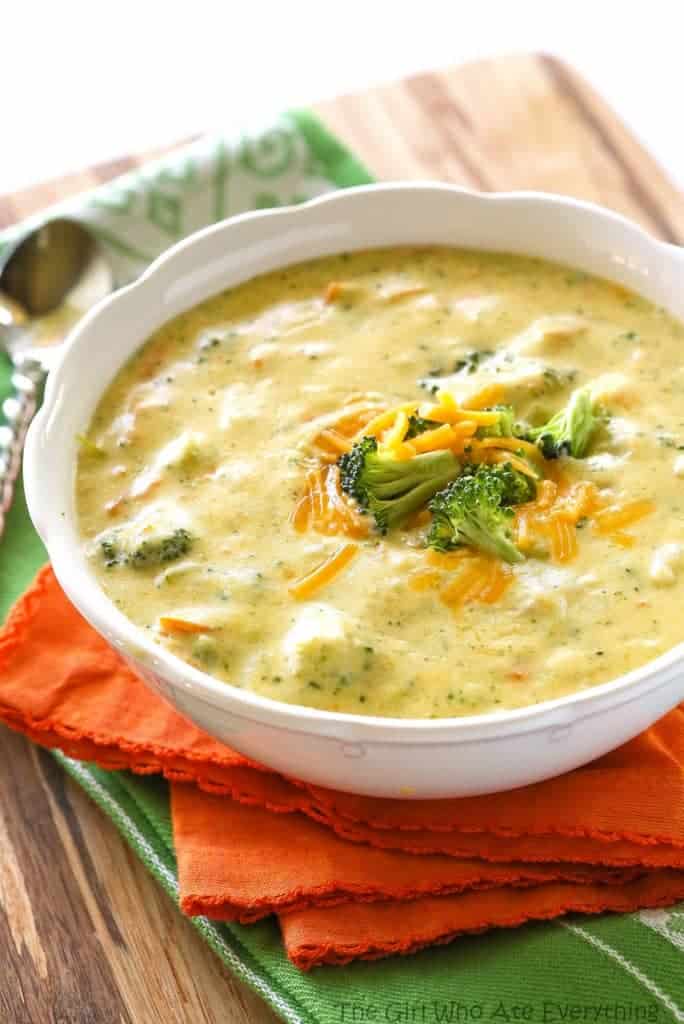
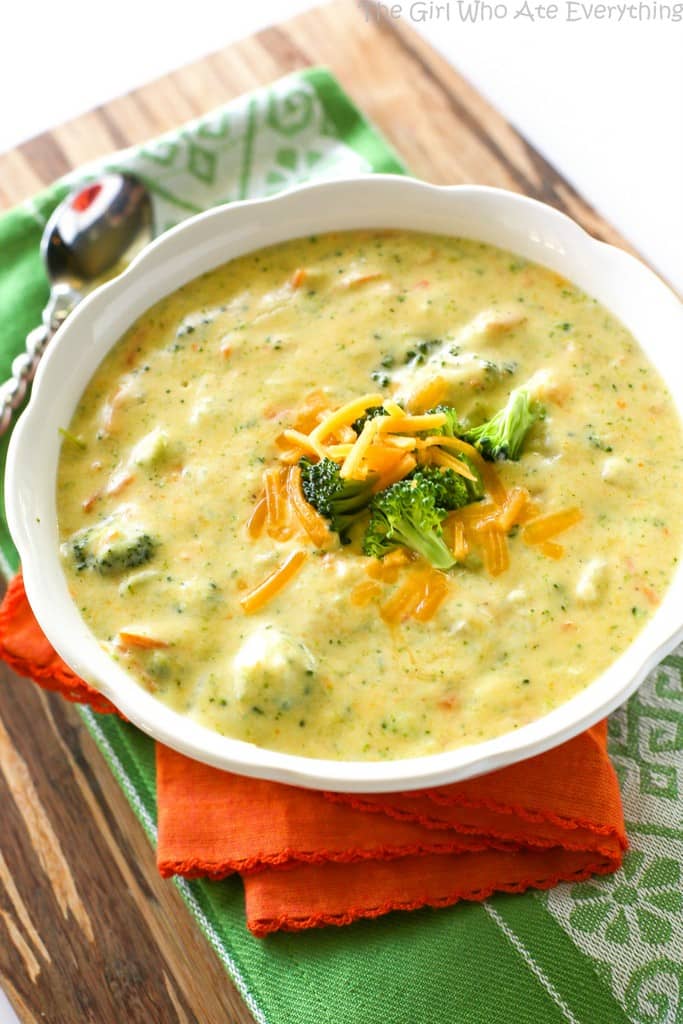
The enduring popularity of the Broccoli Cheddar soup served at Panera Bread represents a significant case study in the intersection of fast-casual dining trends and the home-cooking movement. Since its introduction, the soup has become a staple of the American quick-service industry, often cited by consumer research groups as a primary driver of customer loyalty for the Panera brand. As public interest in recreating restaurant-quality meals at home has surged, the specific methodology behind this dish—characterized by its distinct texture, flavor profile, and nutritional composition—has become a subject of extensive culinary study and domestic replication.
The Historical Context and Brand Development
Panera Bread, originally founded as Au Bon Pain in the 1980s before rebranding and expanding its footprint, strategically utilized soup as a foundational element of its "clean food" marketing initiative. The Broccoli Cheddar soup emerged during a period when the fast-casual sector was attempting to bridge the gap between high-speed convenience and high-quality ingredients. By positioning the soup as a "comfort food" alternative to traditional fast-food offerings, the company successfully targeted a demographic that prioritized both time-efficiency and perceived dietary health.
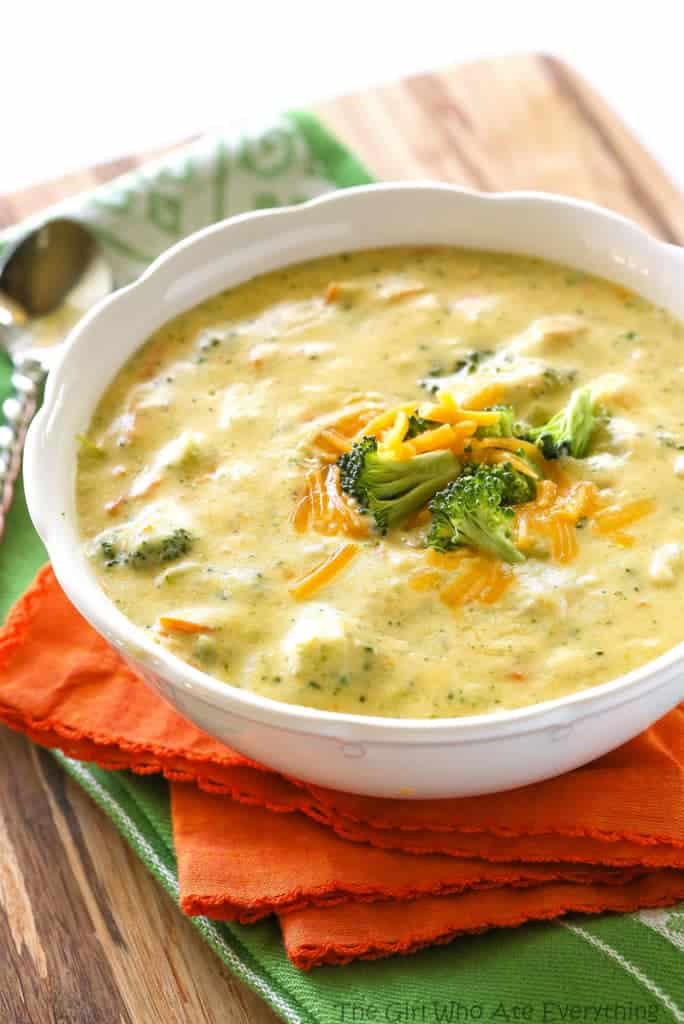
Chronologically, the rise of the soup coincided with the early 2000s boom in artisanal bread and cafe-style dining. The pairing of the soup with a sourdough baguette became a signature service model, fostering a Pavlovian association between the creamy, vegetable-forward dish and the bakery experience. This brand association has proven so potent that, even decades later, the soup serves as a benchmark for home cooks looking to validate their own culinary skills against commercial standards.
Culinary Composition and Technical Methodology
From a technical standpoint, the preparation of a high-quality broccoli cheddar soup relies on a precise emulsion and the careful management of dairy components. Commercial and home versions typically utilize a "roux"—a mixture of flour and fat—as the primary thickening agent. Professional chefs emphasize that the consistency of the final product is heavily dependent on the ratio of liquid (usually chicken or vegetable stock and half-and-half) to the starch base.
One of the most common technical errors in replicating this dish is the improper incorporation of the cheese. Culinary experts warn that adding high-fat, aged cheddar while the soup base is at a high boil leads to the separation of milk solids and fat, resulting in a "grainy" or broken texture. To maintain the smooth, velvety mouthfeel associated with the restaurant version, the heat must be removed or significantly reduced before the introduction of the cheese. This step is critical to maintaining the structural integrity of the emulsified proteins.
Supporting Data and Nutritional Profile
A standard serving of a classic broccoli cheddar soup—approximately 12 ounces—generally falls within the 400 to 450-calorie range. The macronutrient breakdown typically features roughly 17 to 20 grams of protein and 30 to 35 grams of fat, largely derived from the dairy base.
Nutritional analysts point out that while the soup provides significant satiety due to its fat and protein content, it is frequently criticized for its sodium levels, which often hover between 600mg and 800mg per serving. This is a common characteristic of restaurant-grade soups, where salt is used not only for seasoning but also as a flavor enhancer for the broccoli, which can otherwise be a muted ingredient when simmered for long periods.
For the health-conscious consumer, there is a clear trend toward modifying these traditional recipes. The use of "matchstick" carrots, for instance, serves a functional purpose beyond convenience; the surface area of thinner carrot strips allows for faster integration of flavor and a more uniform texture, which has become a preferred method in modern home test kitchens.
Consumer Behavior and the Home-Cooking Shift
The shift toward home preparation of restaurant staples has been accelerated by the rise of digital recipe sharing and food blogging. Data from consumer surveys suggest that nearly 65% of home cooks have attempted to replicate a "favorite" restaurant dish at least once in the past year. The Broccoli Cheddar soup is consistently ranked in the top ten of such "copycat" requests.
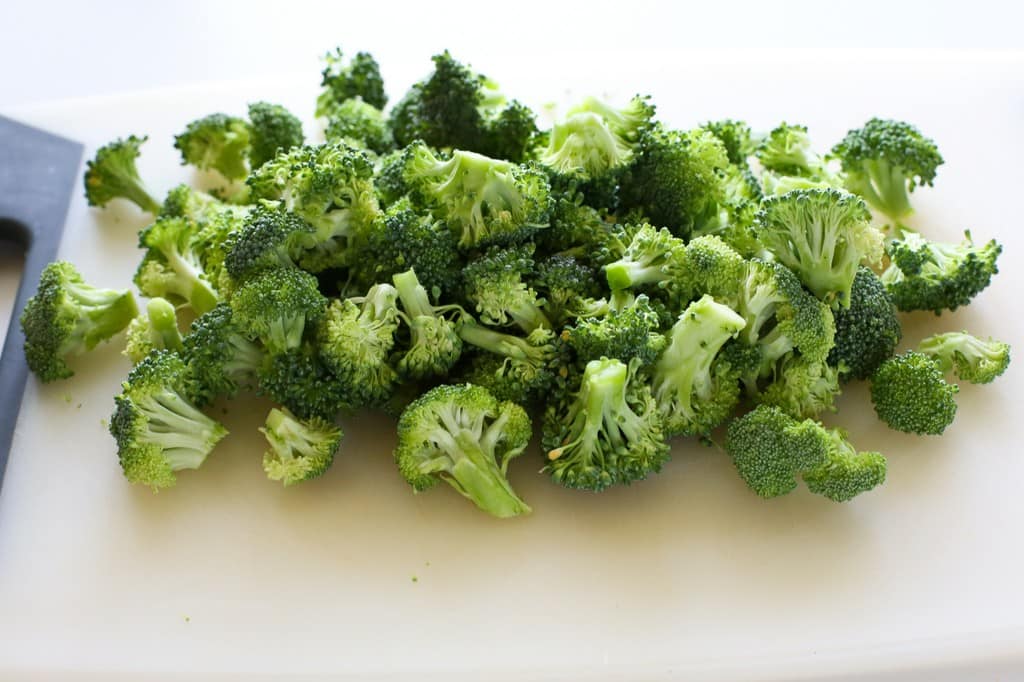
Industry observers note that this behavior is not merely about cost-saving, although the price differential between a $7 bowl at a café and the cost of bulk ingredients at home is significant. Rather, the act of preparing the soup serves as a sensory engagement with the brand. When a consumer successfully replicates the specific, sharp cheddar flavor and the exact bite-sized ratio of broccoli florets, it reinforces brand loyalty while simultaneously empowering the individual as a home chef.
Addressing Dietary Restrictions and Modern Adaptations
As dietary preferences continue to diversify, the traditional roux-based recipe faces challenges regarding gluten-free and dairy-free requirements. The traditional inclusion of wheat flour in the roux is the primary obstacle for those with celiac disease or gluten sensitivities.

Alternative thickening methods, such as the use of a cornstarch slurry, have gained traction. A cornstarch slurry involves mixing equal parts starch and cold water before whisking it into the hot soup base. This method is highly effective for achieving a thick, glossy texture without the need for gluten. However, some traditionalists argue that a cornstarch-thickened soup lacks the depth of flavor provided by a toasted flour-and-butter roux.
Furthermore, the adaptation of the recipe for lactose-intolerant consumers—often involving the use of cashew-based creams or coconut milk—represents the next frontier in the evolution of this dish. While these substitutions alter the flavor profile, they demonstrate the flexibility of the core concept: a base of brassica vegetables supported by a rich, savory cream sauce.
Broader Impact and Industry Implications
The long-term impact of the broccoli cheddar soup on the restaurant industry is substantial. It solidified the "soup-and-salad" lunch combo as a viable and highly profitable business model. It also demonstrated the power of a single, iconic menu item to anchor an entire brand’s identity.
From an economic perspective, the sustainability of such menu items relies on the relatively low cost of broccoli and carrots compared to meat-based proteins. This allows food service providers to maintain healthy profit margins while offering a product that customers perceive as high-value and comforting.
As the industry looks toward the future, the focus will likely remain on enhancing the quality of these staple items. Trends indicate a shift toward sourcing locally grown broccoli and higher-quality, aged cheddar cheeses, as consumers demand greater transparency regarding ingredient provenance. The "Panera-style" soup is no longer just a recipe; it is a cultural touchstone that has permanently altered how home cooks perceive the boundaries between restaurant quality and domestic culinary practice.
In conclusion, the popularity of this dish is a testament to the power of simple, high-impact comfort foods. Whether prepared in a professional kitchen or in a home pot, the combination of sharp cheddar, broccoli, and a well-balanced base remains a hallmark of modern American culinary preferences. As long as the dish continues to provide a sense of comfort and reliability, it will remain a centerpiece of both cafe menus and family recipe boxes across the country.