The Ultimate Guide to Halloween Culinary Traditions and Seasonal Menu Planning

Halloween, historically rooted in the ancient Celtic festival of Samhain, has evolved into a global cultural phenomenon characterized by elaborate costuming, community engagement, and, most notably, a specialized culinary landscape. As October 31st approaches, households across North America shift their domestic focus toward the preparation of thematic treats that serve both as festive decorations and functional party fare. The modern Halloween food industry reflects a blend of traditional confectionary practices and contemporary creative presentation, ranging from rapid ten-minute preparations to complex, multi-stage culinary projects designed for group participation.
Historical Context and Evolution of Halloween Gastronomy
The transition of Halloween from a solemn religious observation to a commercialized public holiday in the early 20th century necessitated the development of accessible, portable food items. The practice of "trick-or-treating," which gained widespread popularity in the United States during the late 1940s and 1950s, solidified the role of sugar-based confections as the centerpiece of the holiday. According to data from the National Confectioners Association, Halloween remains the most significant holiday for chocolate and candy sales in the United States, with total spending consistently exceeding $3 billion annually in recent years.
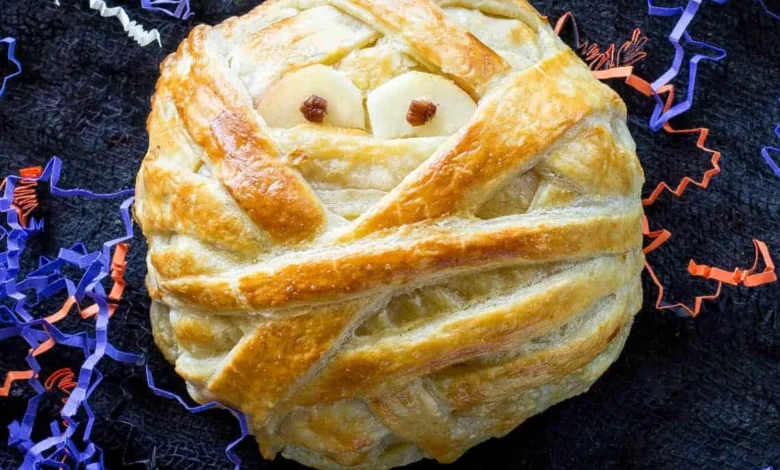
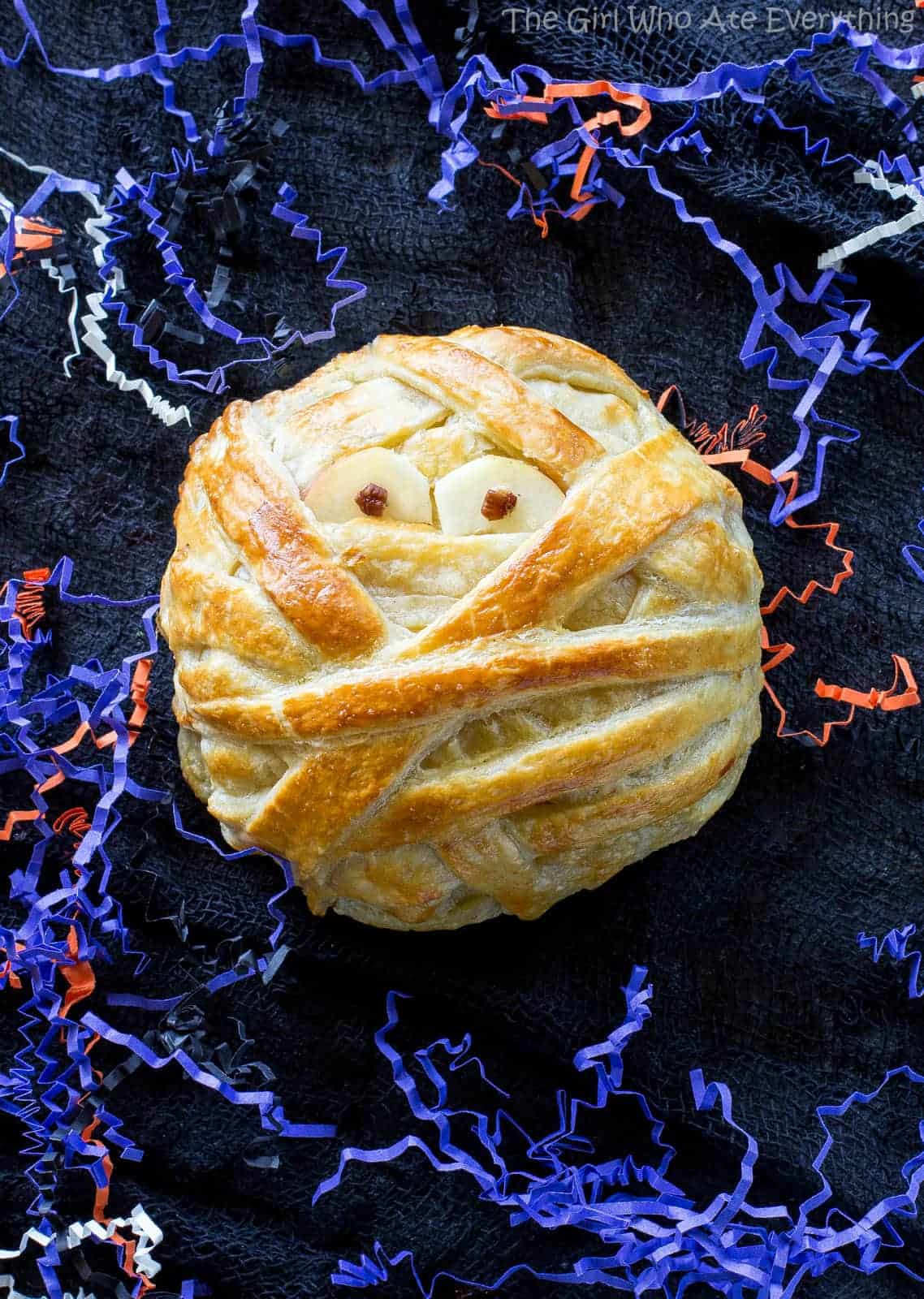
Beyond the retail sector, domestic culinary activity has seen a significant shift toward thematic "tablescapes." Home cooks now frequently employ architectural techniques—such as molding pastry into the shapes of mummies or using food-safe dyes to create anatomical replicas—to align home-cooked meals with the aesthetic of the holiday. This evolution represents a broader trend in social dining, where the presentation of food is considered as critical as its nutritional content.
Chronology of Preparation and Implementation
Effective holiday menu planning follows a distinct chronological trajectory. Culinary experts suggest that preparation for large-scale Halloween events should commence at least two weeks prior to the event date to manage ingredient procurement and structural food preparation.
- Weeks 3-4 of October: Procurement of non-perishable staples, such as specialized candy, baking decorations, and puff pastry, to avoid supply chain disruptions common during peak retail periods.
- 1 Week Prior: Preparation of "dry" components, such as cookie dough or decorative garnishes, which can be stored in climate-controlled environments to maintain structural integrity.
- 24-48 Hours Before: Execution of high-moisture items, such as savory pastries or delicate thematic appetizers.
- Event Day: Final assembly of "fresh-touch" items, including the plating of chilled appetizers or the final glazing of desserts, ensuring optimal texture and visual impact.
Categorization of Festive Culinary Assets
Professional event planners categorize Halloween food into four distinct functional tiers, each serving a specific purpose within a social or domestic gathering:
1. Confections and Structural Bark
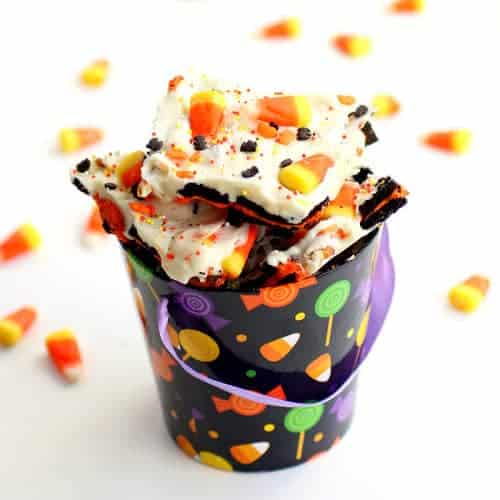
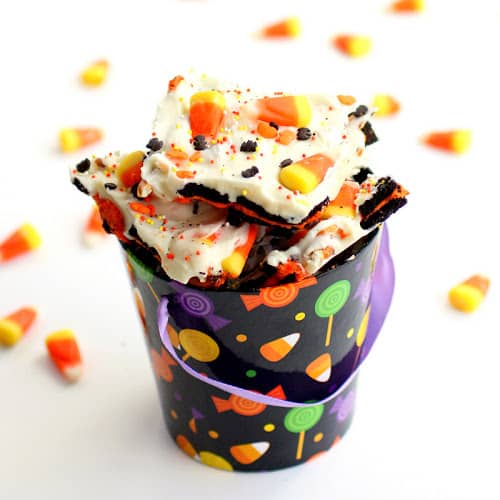
The most common category involves high-sugar-content items such as chocolate bark, which utilizes ingredients like candy corn—a staple of the season—to create visual contrast. The technical challenge here lies in tempering chocolate to ensure a consistent snap and preventing the "bloom" associated with improper cooling. These items are favored for their durability and ease of storage.
2. Interactive "Kids-Friendly" Items
Items designed for child participation often focus on anthropomorphism. Examples include the assembly of "Dracula dentures," which utilize marshmallow teeth and almond slivers or icing to mimic anatomy. These projects are frequently integrated into educational settings or community centers, providing a tactile medium for child development through culinary play.
3. Savory Party Appetizers
The rise of "spooky" savory food has seen a move away from purely sugary snacks. A prominent example is the "Mummy Wrapped Brie," which employs puff pastry to encase a wheel of soft-ripened cheese, topped with cinnamon-infused nuts. From a food science perspective, this dish serves as a study in temperature management; the pastry must reach a golden, crisp state without compromising the integrity of the melting cheese core.
4. Thematic Main Courses
Dinner-scale preparations, such as shepherd’s pie modified with vegetable or potato piping to resemble gravestones or arachnids, represent the most complex tier of Halloween cooking. These meals are designed to provide sustenance during long-form social activities, such as cinematic marathons, where the environment is controlled and the dining experience is secondary to the visual narrative.
Market Trends and Consumer Behavior
Analysis of culinary consumption trends during the final quarter of the year indicates a preference for "comfort-based" ingredients. As seasonal temperatures decline, there is a measurable increase in the consumption of warm, soup-based dishes. Industry analysts note that "fall-themed" soup recipes often act as a secondary anchor for Halloween party menus, providing a nutritional balance to the high-glucose content of the event’s traditional desserts.
Retail data suggests that consumers are increasingly seeking out "all-in-one" recipes that minimize active preparation time. The ten-minute recipe threshold is a critical metric; data from food blogs and recipe aggregators shows that engagement rates for recipes that can be completed under 15 minutes are significantly higher than those requiring extensive prep. This is attributed to the "time-poor" nature of modern households managing both work and holiday-related community obligations.

The Broader Implications of Holiday Culinary Traditions
The ritual of preparing specialized food for Halloween serves several sociological functions. Primarily, it acts as a bonding mechanism for families, providing a structured activity that encourages collaboration across generations. Furthermore, it reinforces community identity; the exchange of treats and the hosting of shared meals are foundational to the social fabric of suburban and urban neighborhoods during the autumn months.
From an economic standpoint, the "spooky food" sector encourages home-based commerce and creative entrepreneurship. Small-scale creators who develop unique thematic recipes often leverage social media platforms to disseminate their methods, creating a digital economy centered around seasonal aesthetics. While critics argue that the holiday promotes excessive sugar intake, nutritionists often emphasize the importance of "moderation-based" planning, where parents can use these projects to introduce children to the mechanics of cooking and the importance of ingredient selection.
Official Guidelines and Safety Considerations
When organizing public or school-based events involving these types of foods, health departments emphasize the importance of allergen awareness. Given the prevalence of common allergens such as nuts, dairy, and gluten in traditional Halloween recipes, clear labeling is required. For public events, the integration of allergen-free alternatives—such as fruit-based "ghosts" or vegetable-based "mummies"—has become an industry standard to ensure inclusivity.
Furthermore, food safety protocols remain paramount. The use of puff pastry and soft cheeses, while aesthetically pleasing, requires careful temperature control to avoid the proliferation of pathogens. Event coordinators are advised to limit the "danger zone" exposure of perishable foods to no more than two hours at room temperature, a recommendation underscored by the USDA during holiday periods when buffet-style dining is prevalent.
Conclusion
The culinary landscape of Halloween is more than a collection of recipes; it is a complex synthesis of seasonal timing, historical tradition, and modern marketing. By adhering to a structured preparation timeline and prioritizing a balance between aesthetic appeal and nutritional awareness, households can effectively navigate the demands of the season. As the holiday continues to evolve, the emphasis on accessibility, creativity, and shared experience will remain the primary drivers of consumer behavior and culinary innovation. Whether through the simple assembly of chocolate bark or the structural complexity of a thematic dinner, the food associated with October 31st continues to serve as an essential component of the contemporary holiday experience.