The Evolution of the Savory Tart
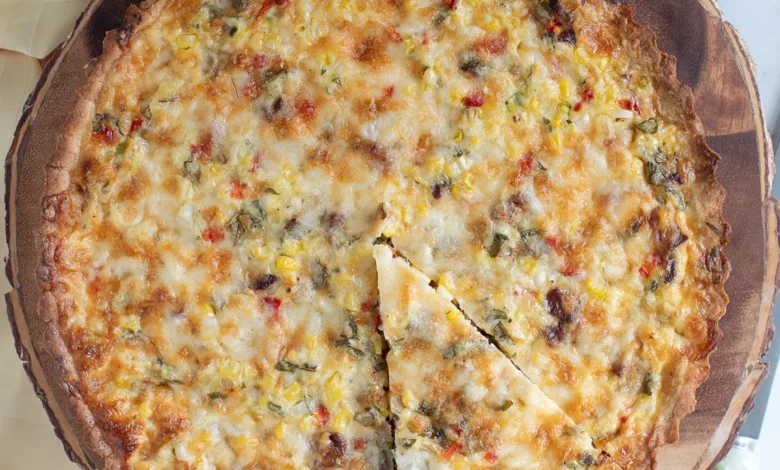
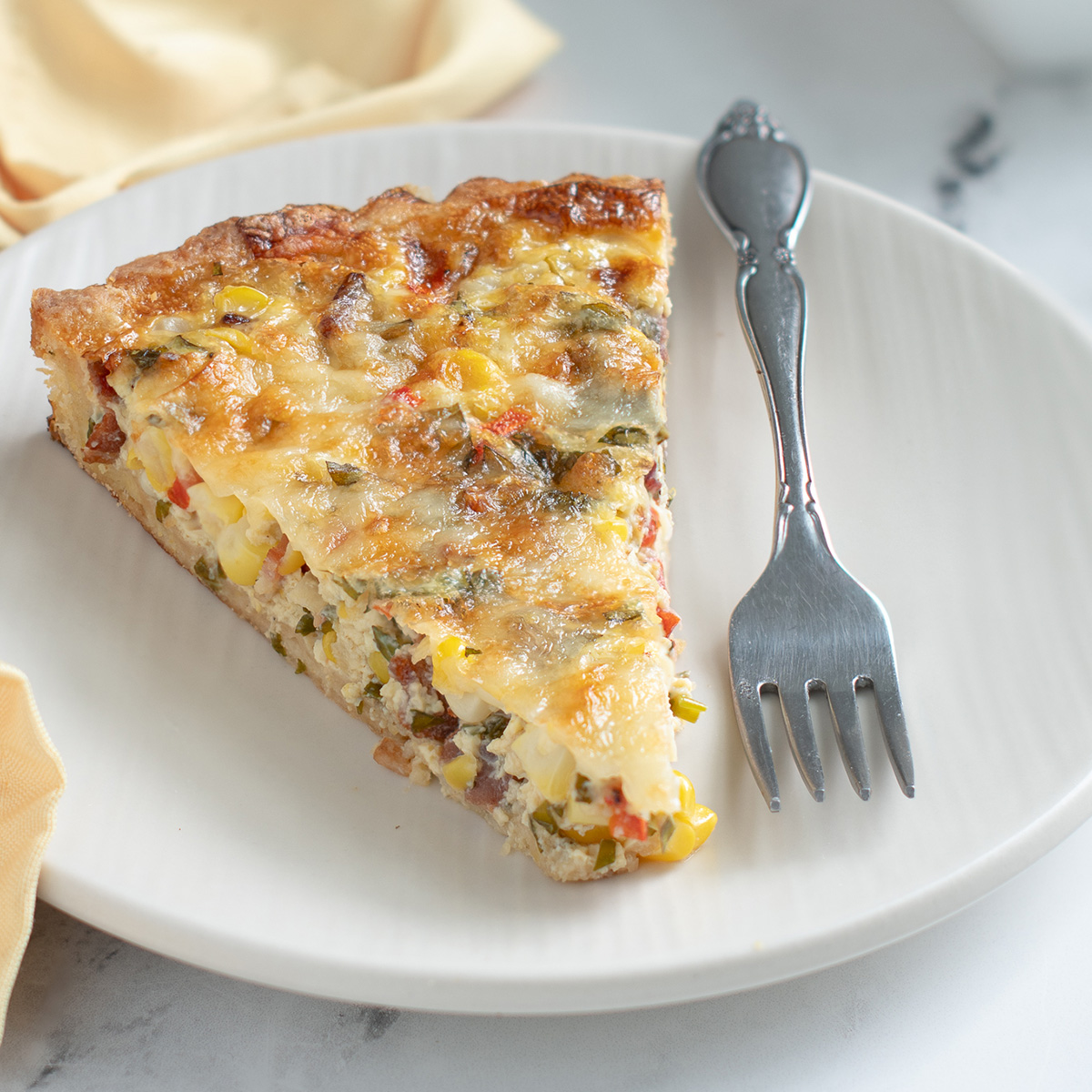
The history of the quiche, which originated in the Alsace-Lorraine region of France, is rooted in the "kuchen" or cake-like structures of German influence. Traditionally, these dishes relied heavily on a rich, egg-based custard often fortified with cream and bacon or lardons. However, contemporary culinary preferences have shifted toward reducing cholesterol and fat content while increasing fiber and vegetable intake. The Corn Quiche in a Flaky Cornmeal Crust addresses these modern dietary demands by substituting a significant portion of the traditional egg-and-cream custard with a volume of fresh vegetables and aromatics.
By employing a cornmeal-infused crust, the recipe achieves a structural integrity that complements the corn filling, adding a textural crunch that contrasts with the softness of the custard. Culinary analysts note that this "veggie-forward" approach is part of a broader movement in the food industry to make savory pastries more suitable for a variety of mealtimes, moving away from the restrictive "breakfast-only" categorization of traditional egg tarts.
Culinary Methodology and Development
The development of this recipe involved a meticulous, multi-stage testing process aimed at achieving a perfect "binding" ratio. In traditional quiche, the custard serves as the primary structural element; in this variation, the custard acts only as a secondary binder. This requires precise measurement of the egg-to-dairy ratio to ensure the tart remains firm enough to slice without the rubbery consistency often associated with over-cooked eggs.
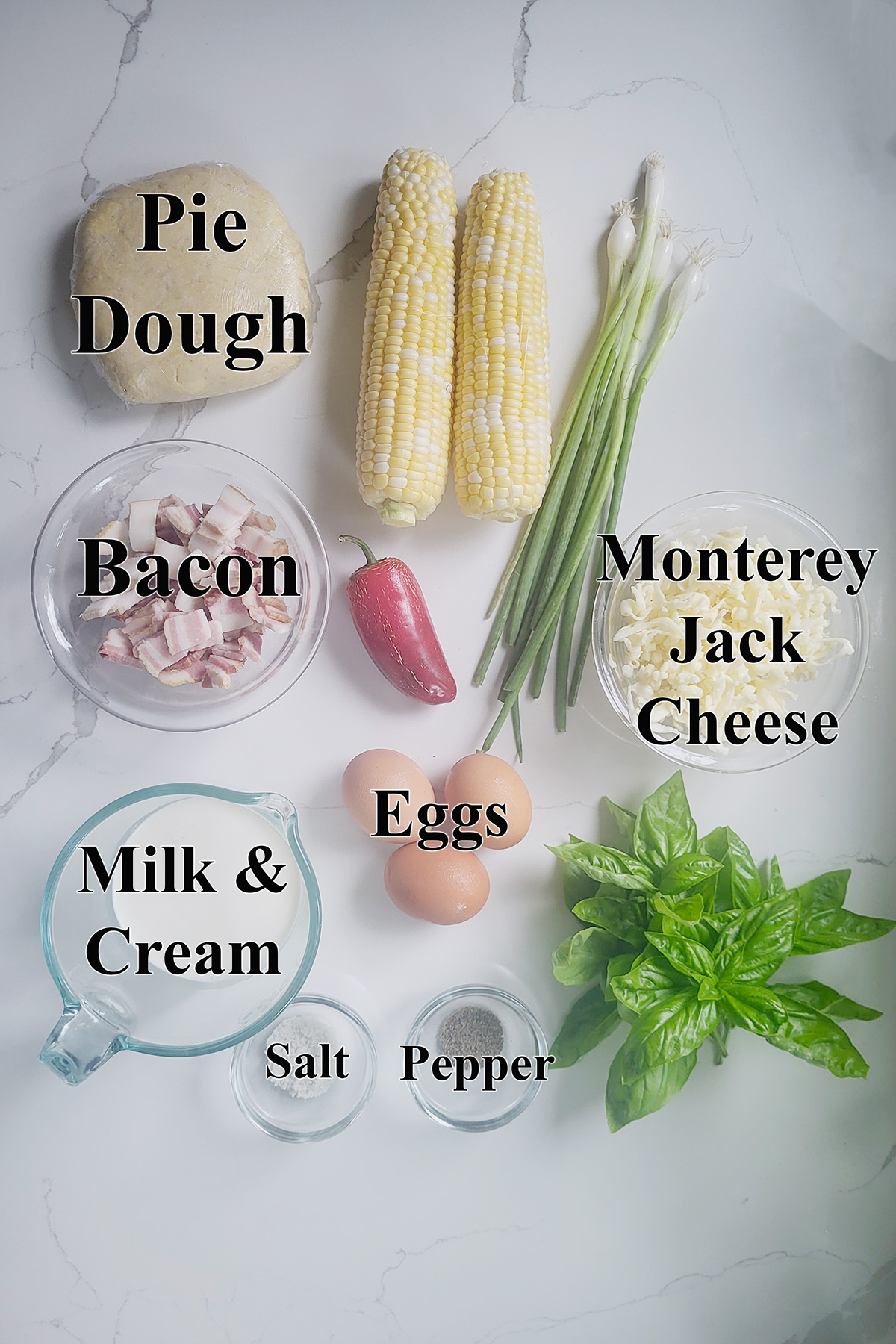
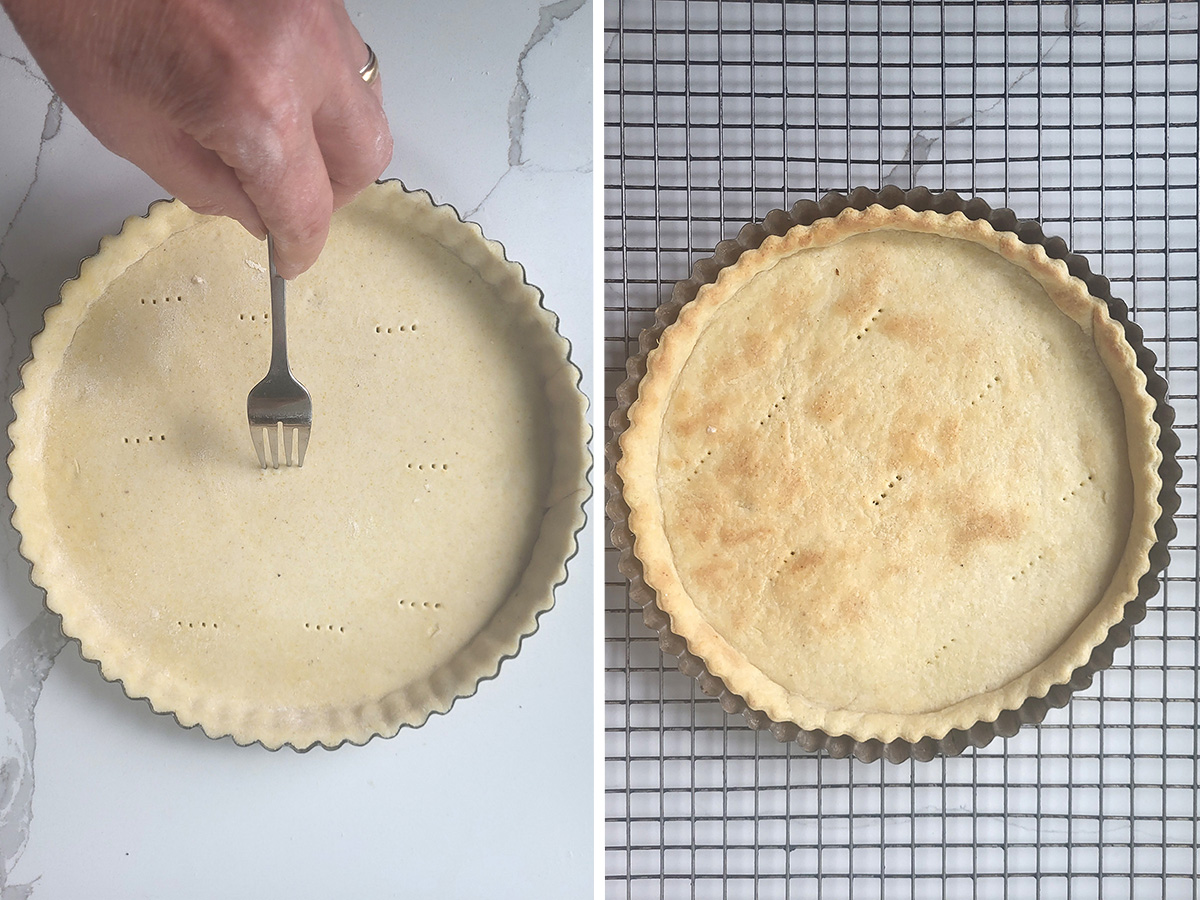
Chronologically, the assembly of the dish begins with the preparation of the cornmeal crust. Chefs recommend a par-baking phase, particularly when utilizing a standard pie plate rather than a fluted tart pan, to ensure the base remains crisp and avoids the "soggy bottom" phenomenon. The filling, which consists of sweet corn, diced jalapeño for heat, and fresh basil for brightness, is then layered with cheese—typically Monterey Jack or a similar mild, melting variety—before the custard is poured over the top. The total preparation time of approximately 75 minutes is split between 45 minutes of active assembly and 30 minutes of baking, a timeline that fits within the parameters of mid-range complexity for home-cooked meals.
Nutritional Profile and Dietary Implications
From a nutritional standpoint, the transition to a vegetable-heavy filling results in a distinct shift in caloric and macronutrient distribution. A single slice of this corn-focused quiche contains approximately 286 kilocalories. This caloric density is significantly lower than traditional quiche varieties, which often exceed 400 calories per serving due to higher heavy-cream and meat content.
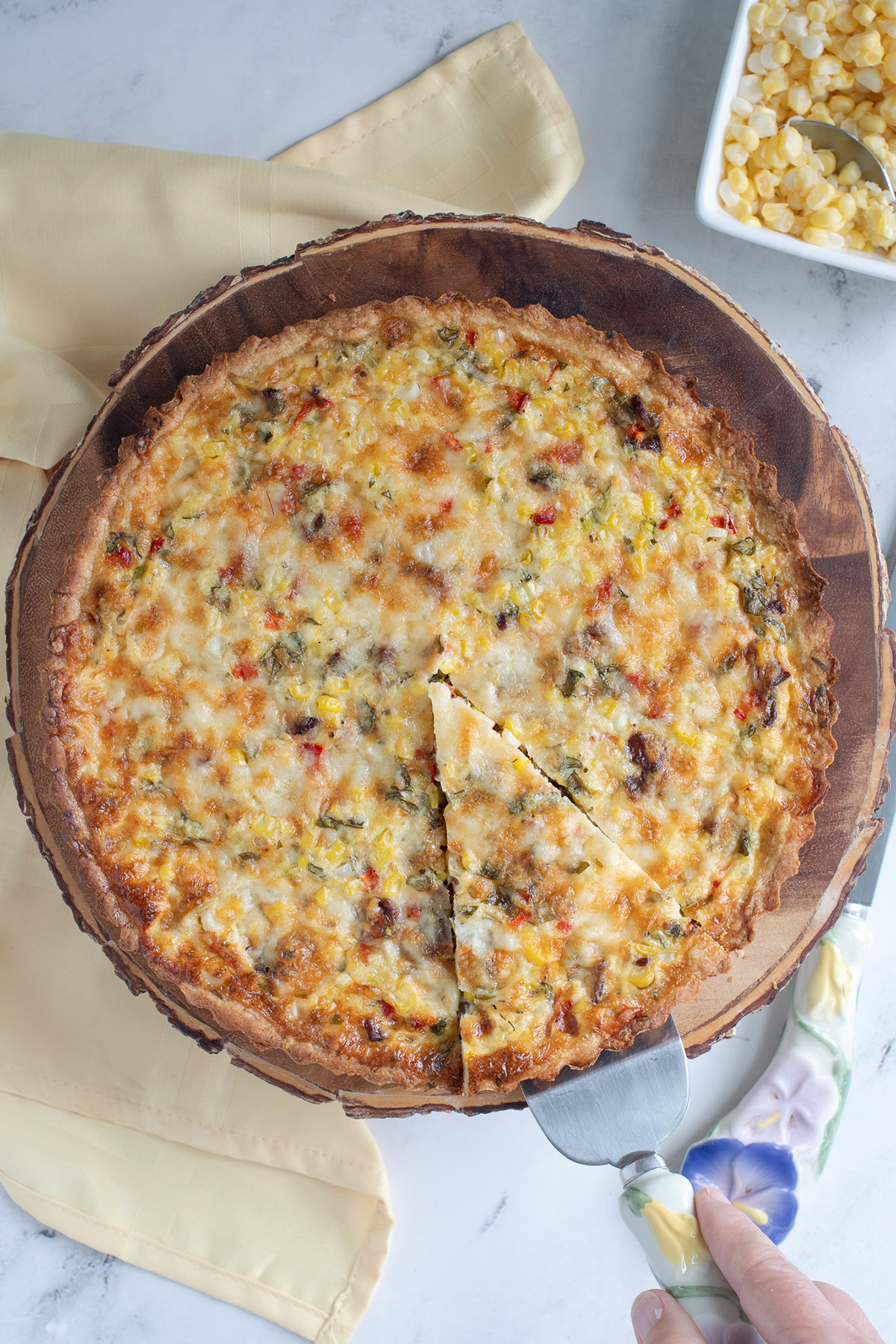
The dish provides 12 grams of protein per serving, largely derived from the eggs and the incorporated cheese. With 23 grams of fat and 8 grams of carbohydrates, the meal maintains a balanced profile suitable for individuals monitoring their carbohydrate intake. Furthermore, the inclusion of corn and basil adds a modest fiber content and micronutrients such as Vitamin A and Calcium. The sodium content, measured at 676 milligrams, remains a factor for those managing blood pressure, though this can be adjusted by reducing the quantity of cheese or eliminating added salt in the crust preparation.
Technical Considerations for Home Preparation
The successful execution of this dish relies on several technical variables. First, the choice of corn is critical. While fresh corn is preferred for its sweetness and texture, the recipe is validated for the use of frozen corn kernels, provided they are properly thawed and drained of excess moisture. Excess liquid is the primary cause of failure in custard-based tarts, as it prevents the egg from setting properly and compromises the crust.
Second, the substitution of peppers is a key consideration for the home cook. The inclusion of jalapeño provides a specific capsaicin-driven heat; however, for those sensitive to spice, the use of sweet bell peppers serves as a viable alternative that maintains the desired vegetable volume without the heat.
Third, the handling of the dough is a foundational element. Because the crust contains cornmeal, it is inherently more friable than a standard flour-based pastry. The recommendation to freeze excess dough allows for future preparation, reflecting a trend toward "batch cooking" and waste reduction in the modern kitchen. If a standard 9-inch pie plate is used, the addition of pie weights during the par-baking phase is mandatory to prevent the sides of the crust from collapsing, a common issue with non-fluted, sloped-edge bakeware.
Market Context and Consumer Reception
Industry data indicates that consumer interest in "savory bakes" has seen a 15% increase in search volume over the past two years, with specific interest in "brunch-to-dinner" recipes. This Corn Quiche aligns with this trend, offering a dish that performs equally well when served hot directly from the oven or at room temperature. This versatility is highly valued by consumers looking for meal-prep solutions that do not lose their quality upon reheating.
Storage guidelines suggest that the tart is best consumed within 48 hours of preparation if refrigerated. For longer-term storage, the quiche can be frozen for up to one month, provided it is wrapped airtight. The process of rewarming in a low-temperature oven (approximately 200°F) is essential to restore the crispness of the cornmeal crust without drying out the custard.
Broader Implications for Culinary Arts
The popularity of recipes such as this highlights a democratization of culinary skills. By providing detailed, test-verified instructions, home cooks are empowered to replicate techniques—such as blind baking and custard binding—that were previously the domain of professional kitchens.
Furthermore, the emphasis on ingredient adaptability—allowing for substitutions based on seasonal availability or personal preference—encourages a more flexible, creative approach to cooking. As food costs continue to fluctuate, recipes that utilize affordable staples like corn and seasonal herbs, while minimizing expensive protein additions, are becoming increasingly vital in the household economy. The success of this Corn Quiche serves as a case study in how simple, whole-food ingredients can be elevated through proper technique to create a meal that is both economically efficient and gastronomically sophisticated.
In conclusion, the Corn Quiche in a Flaky Cornmeal Crust stands as a testament to the benefits of modernizing traditional recipes. By balancing structural requirements with a focus on fresh, accessible ingredients, it offers a sustainable model for home cooking that meets the needs of the contemporary diner. Whether viewed as a convenient brunch staple or a centerpiece for a light dinner, its success is a reflection of the evolving relationship between home chefs and the fundamental principles of baking. The integration of data-driven testing, nutritional awareness, and flexible preparation makes this recipe a significant addition to the repertoire of modern savory baking.