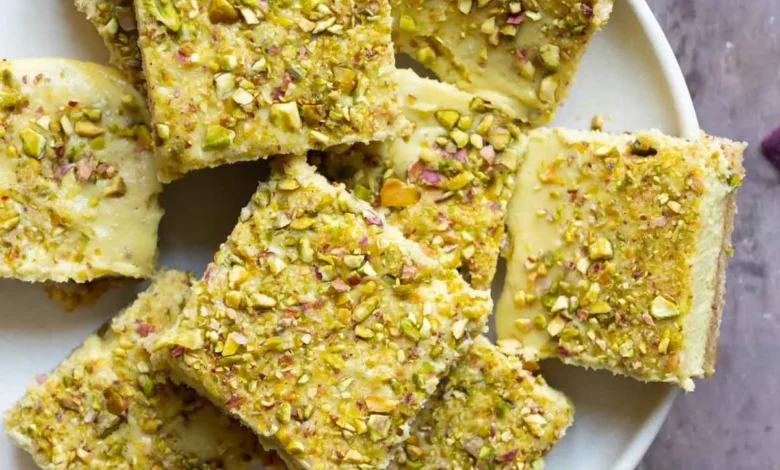
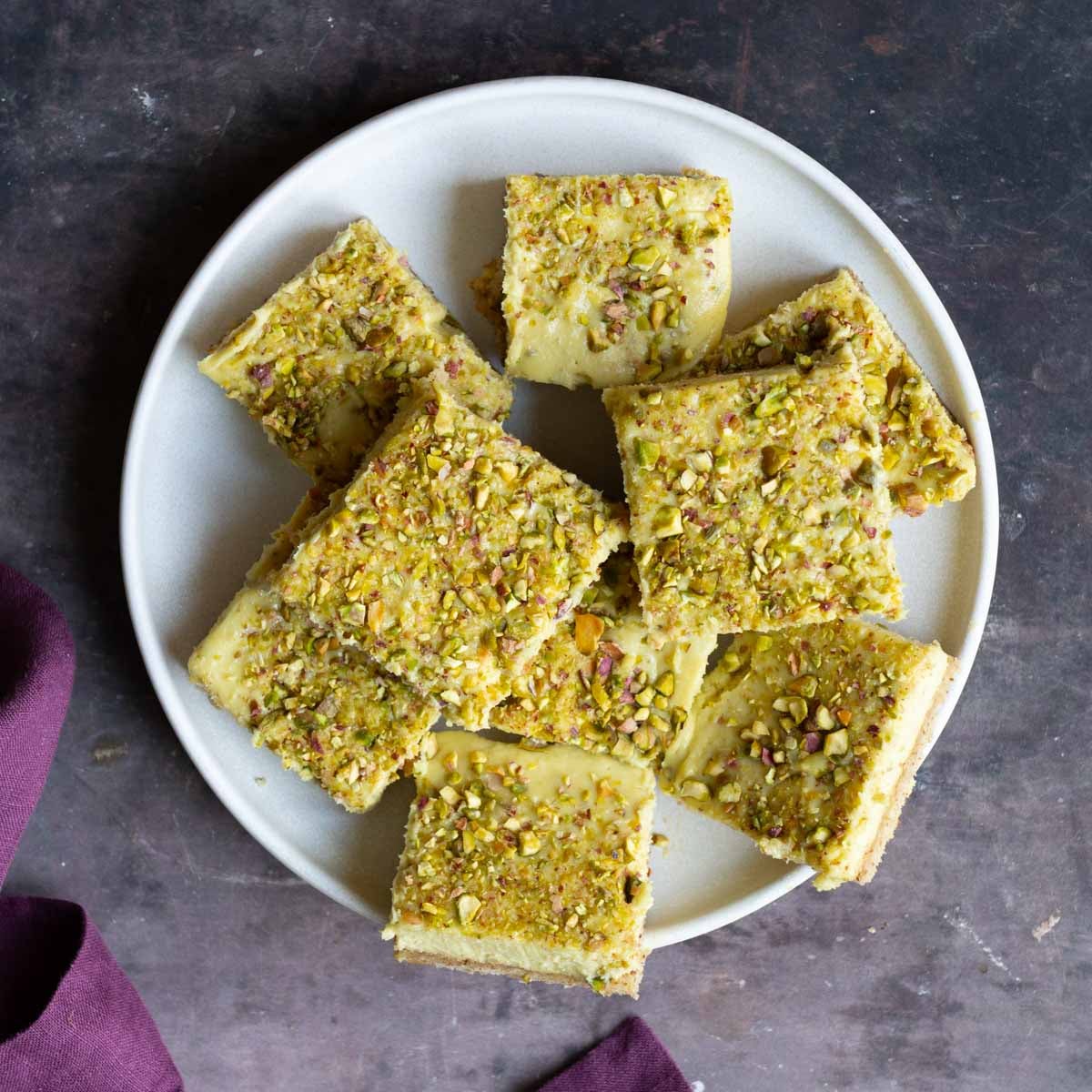
The culinary landscape of festive Indian desserts is currently witnessing a significant shift toward plant-based innovation, exemplified by the emergence of the Kesar Pista bar. This refined, dairy-free, and gluten-free confection represents a fusion of traditional South Asian flavor profiles—specifically the classic combination of saffron (kesar) and pistachio (pista)—with modern dietary requirements. As global demand for inclusive, allergen-friendly holiday treats increases, recipes like these are gaining traction among professional and home chefs alike.
The Historical and Cultural Context of Kesar Pista
Saffron and pistachios have occupied a prestigious position in Indian culinary history for centuries. Saffron, derived from the Crocus sativus flower, is often referred to as "red gold" due to its labor-intensive harvesting process, which requires the manual picking of stigmas from thousands of flowers to produce just one ounce of the spice. In the context of mithai (Indian sweets), saffron provides both a distinct floral aroma and a warm, golden hue, symbolizing luxury and celebration.
Pistachios, native to the Middle East and Central Asia, have been a staple in the subcontinent’s diet for generations, prized for their distinct nutty profile and vibrant green color. Historically, these ingredients were combined in traditional recipes such as Kesar Pista Burfi (a condensed milk fudge), Ladoo (sweet energy balls), and Peda (a soft, milk-based sweet). The evolution of these flavors into a modern, layered bar format indicates a broader movement in the food industry to adapt historical flavors for a health-conscious, global audience.
The Rise of Plant-Based Nutritional Profiles
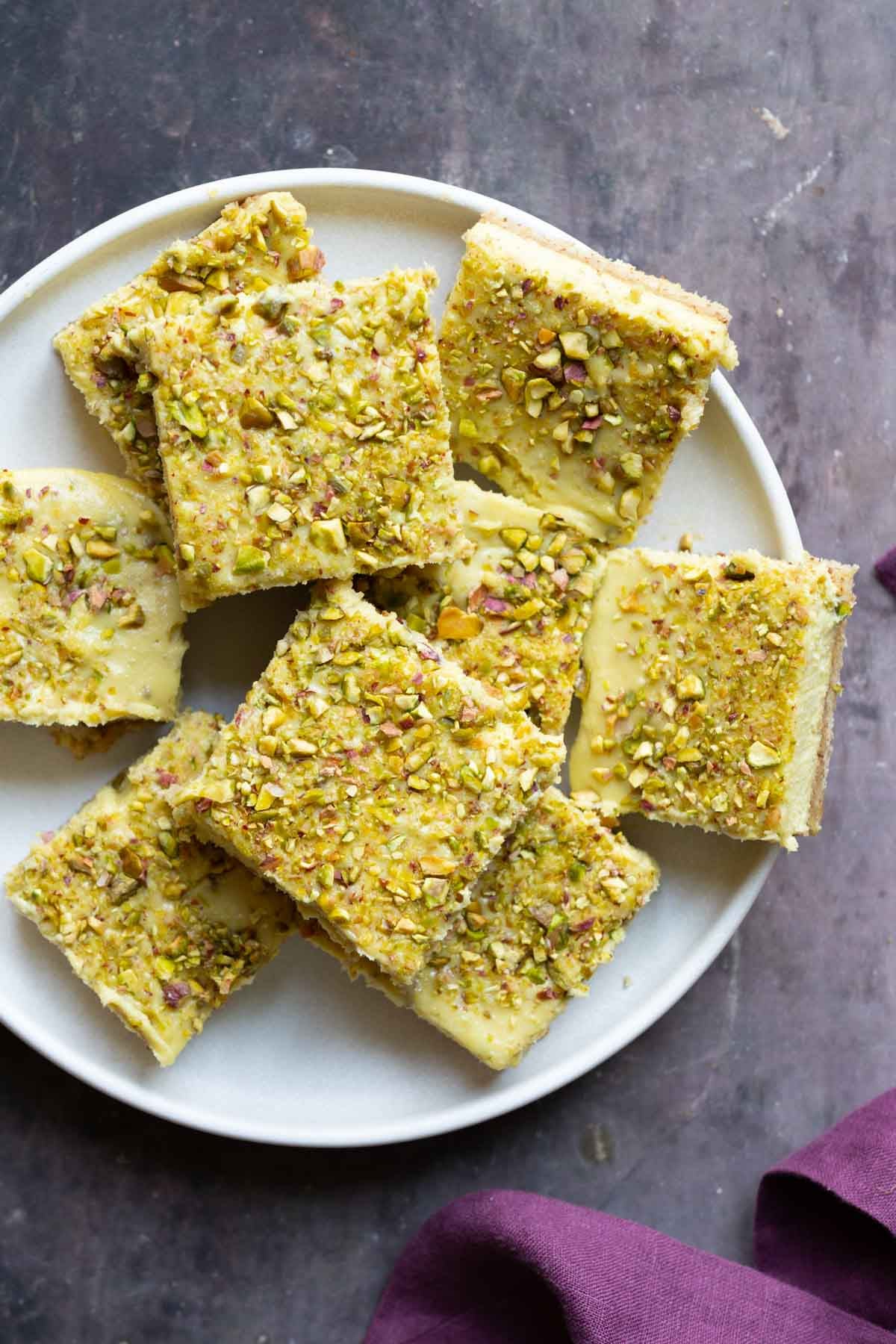
The Kesar Pista bar in question distinguishes itself through a deliberate nutritional architecture. By utilizing an almond flour base instead of traditional semolina or wheat, the recipe achieves a gluten-free status while increasing the protein content of the dessert.
Data indicates that consumers are increasingly seeking "hidden nutrition" in their snacks. A single serving of this plant-based bar provides approximately 7g of protein—a significant figure for a dessert item, primarily derived from the high density of almonds and cashews. This shift toward nutrient-dense desserts is part of a larger market trend where consumers favor ingredients like nuts and seeds over refined sugars and dairy-based fats. The use of cashews as a base for the cream layer serves as a functional replacement for dairy, providing the necessary fat content to maintain a creamy, luxurious mouthfeel without the use of animal products.
Chronology and Preparation Methodology
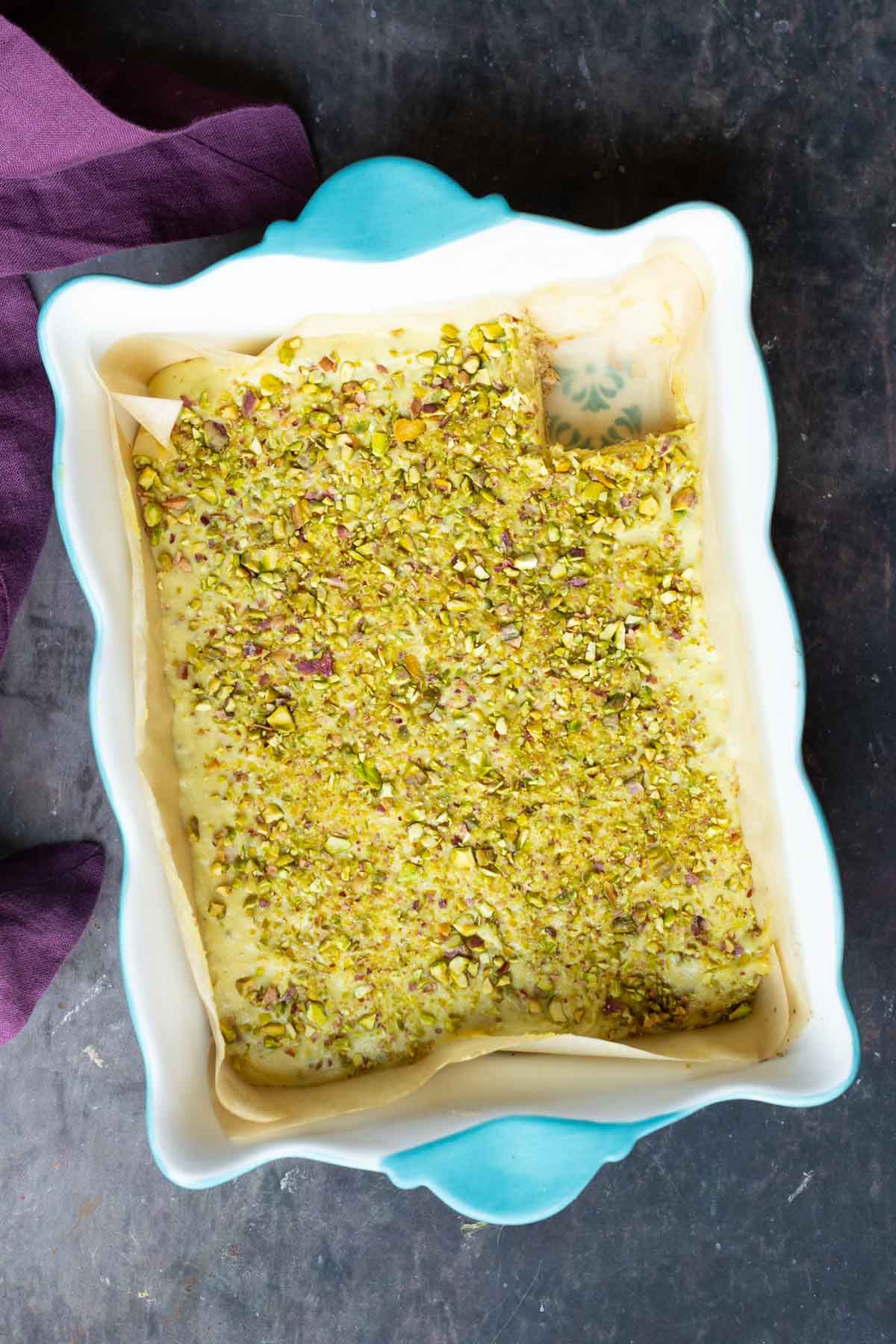
The preparation of this dish follows a three-stage culinary timeline that ensures both stability and texture.
- The Foundation (Crust Preparation): The initial phase involves creating a crust composed of almond flour, tapioca starch, and a binding agent, typically coconut oil and maple syrup. This mixture is baked at 335°F (168°C) until golden. The use of almond flour creates a lower glycemic index compared to traditional flour-based crusts.
- The Infusion (Saffron Activation): A critical technical step involves "activating" the saffron in warm non-dairy milk. This chemical process allows the crocin and picrocrocin—the compounds responsible for color and flavor—to dissolve fully. If added directly to a cold mixture, these compounds remain locked, leading to an uneven distribution of flavor.
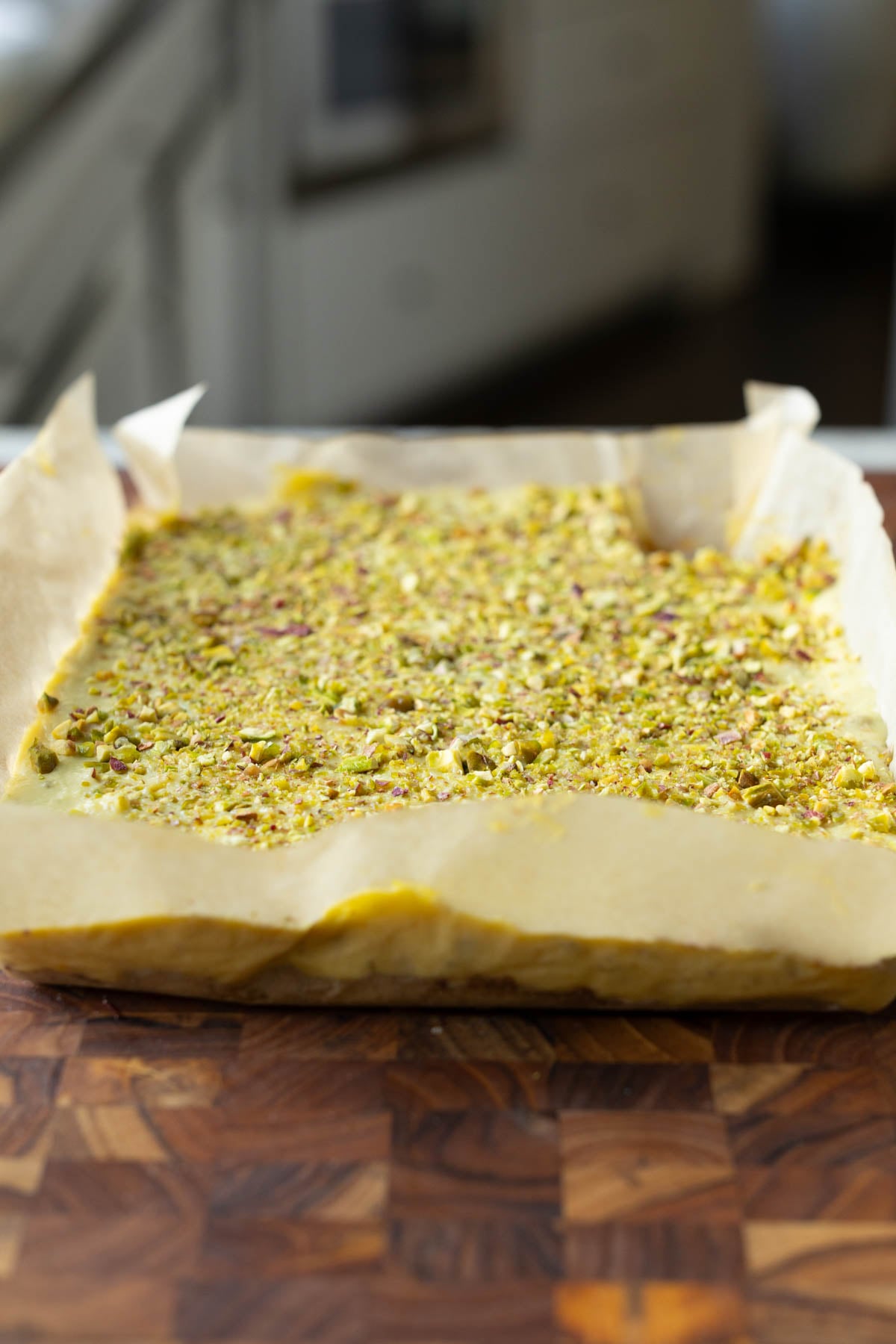
- The Emulsion (Cream Layer): The final component involves blending soaked cashews with the infused saffron milk, cornstarch, and lemon juice. The addition of heat in a skillet activates the starch, creating a stable, set cream that is poured over the cooled crust. The process concludes with a mandatory chilling period, which is essential for the proteins and fats to solidify into a sliceable, consistent form.
Industry Implications and Market Trends
The development of such recipes reflects a broader trend in the food industry known as "traditional fusion." As South Asian cuisine continues to gain popularity globally, the necessity to accommodate various dietary restrictions—such as lactose intolerance, soy allergies, and gluten sensitivity—has led to a surge in recipe development that preserves authentic flavor profiles while stripping away common allergens.
According to industry analysts, the "Free-From" market—referring to food free from gluten, dairy, or soy—is projected to see consistent growth through the end of the decade. By creating a product that is both culturally resonant and dietarily inclusive, home cooks and chefs are effectively democratizing access to traditional festive sweets.
Dietary and Storage Considerations
The shelf-stability of the Kesar Pista bar is another factor that appeals to modern consumers. Because the recipe relies on fats from nuts rather than volatile dairy proteins, the bars have a shelf life of up to four days in a standard refrigerated environment. Furthermore, the ability to store these bars in a freezer provides an added layer of convenience for holiday meal planning.
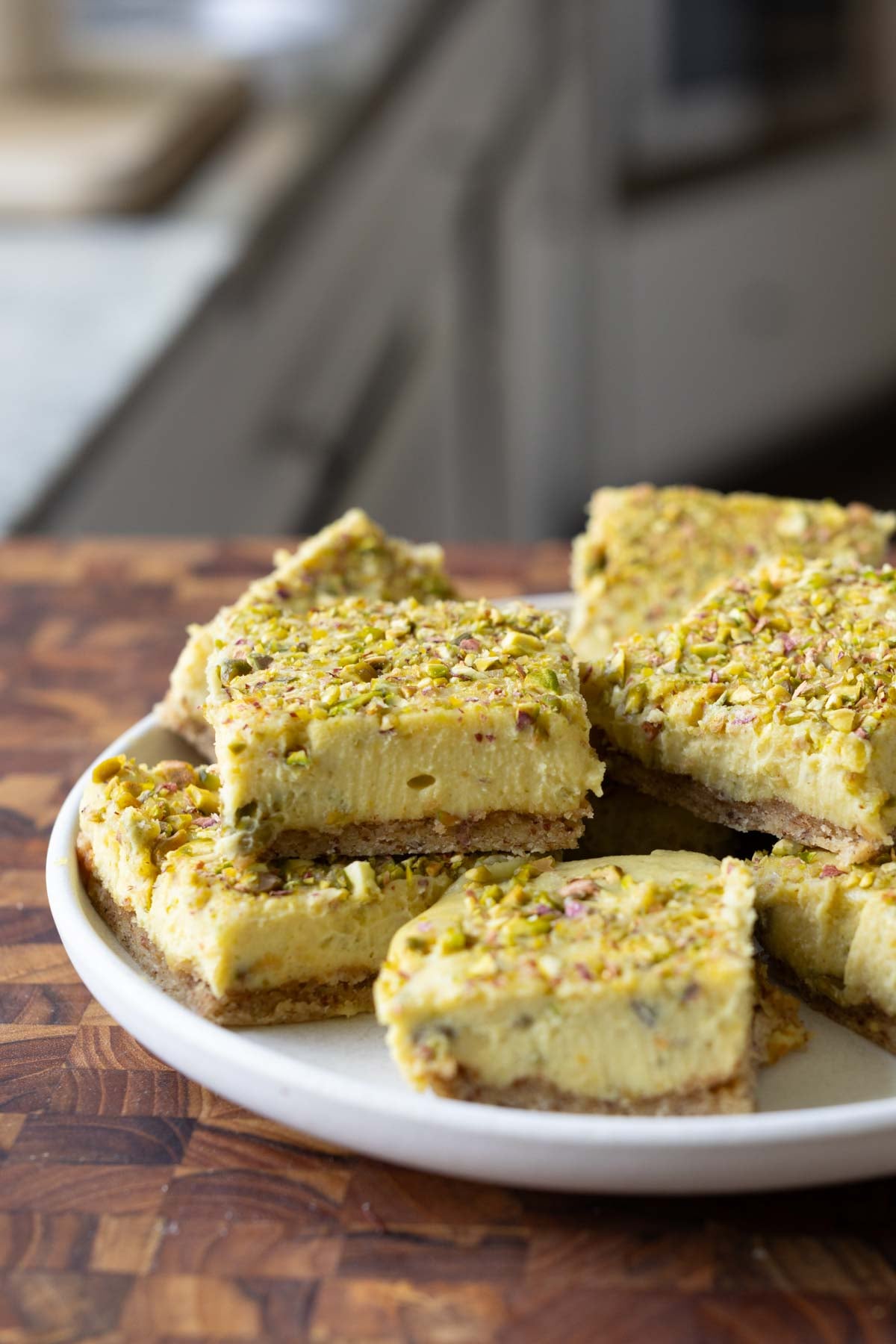
From an allergen standpoint, while the recipe is naturally soy-free and gluten-free, it remains high in tree nut content. Experts note that for those with nut allergies, the reliance on pistachios and almonds makes this particular dessert unsuitable. However, for the vast majority of the population, the move away from dairy to nut-based fats represents a significant improvement in the nutritional profile of high-calorie holiday treats.
Analysis of Flavor Profiles
The success of the Kesar Pista bar is largely attributed to the balance of fats and aromatics. Saffron acts as a top note, providing a floral sharpness, while cardamom provides a grounding, earthy warmth. The pistachios, when used as a topping, provide a textural contrast—the "crunch" against the "cream."
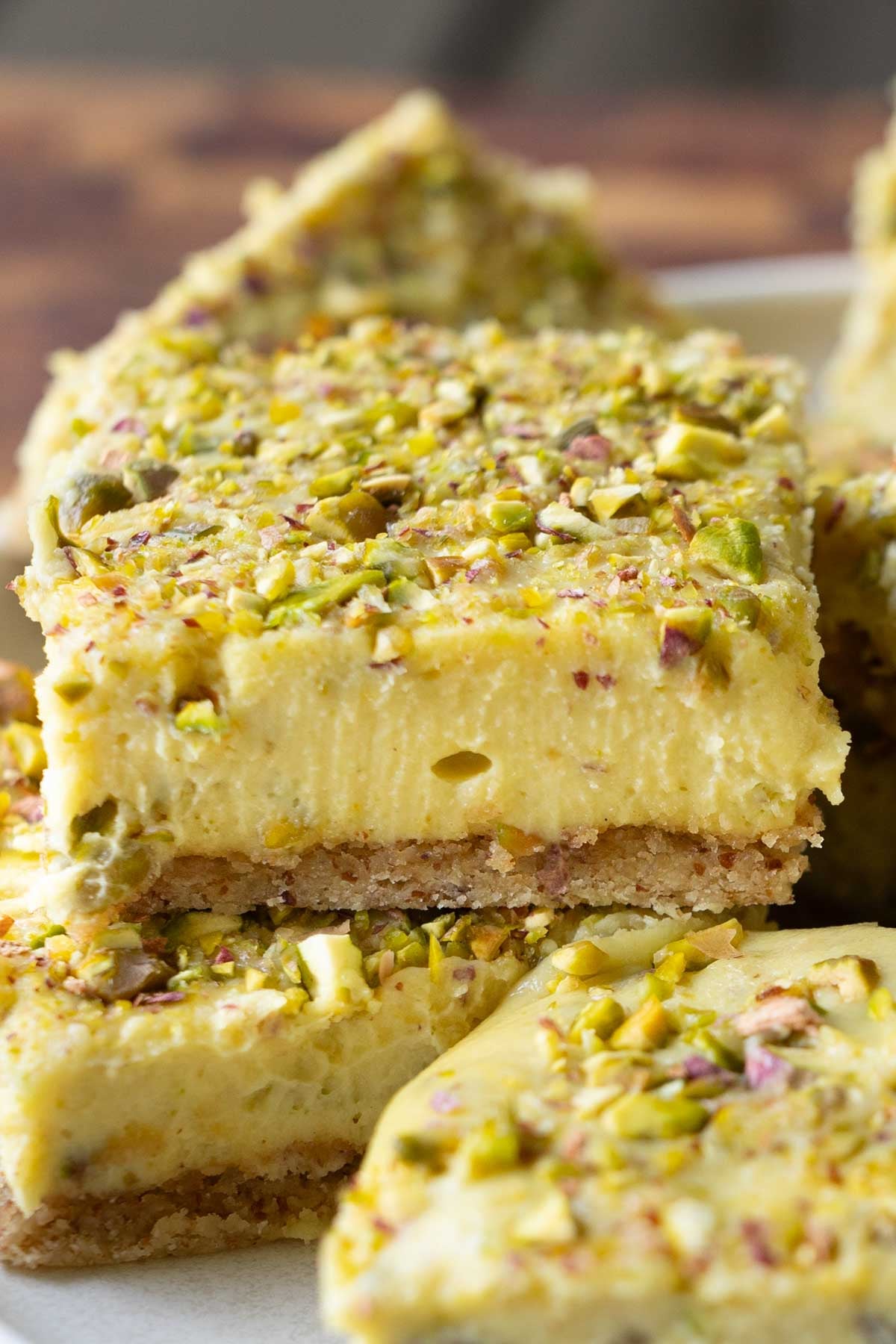
Professional chefs often emphasize that the quality of the pistachios is paramount. Using raw, unsalted pistachios allows the chef to control the sodium levels of the final product, preventing the dessert from becoming overly savory. This attention to detail in ingredient selection is consistent with the artisanal approach currently sweeping the home-baking sector.
Conclusion
The Kesar Pista bar serves as a prime example of how traditional cultural artifacts can be successfully adapted for the modern era. By prioritizing protein density, plant-based fat sources, and clear, allergy-conscious labeling, this recipe bridges the gap between heritage cuisine and contemporary dietary standards. As the culinary world moves toward more sustainable and inclusive practices, the adoption of such recipes for holidays like Diwali and other festive gatherings underscores a shift in how society celebrates—valuing both the preservation of history and the necessity of wellness.