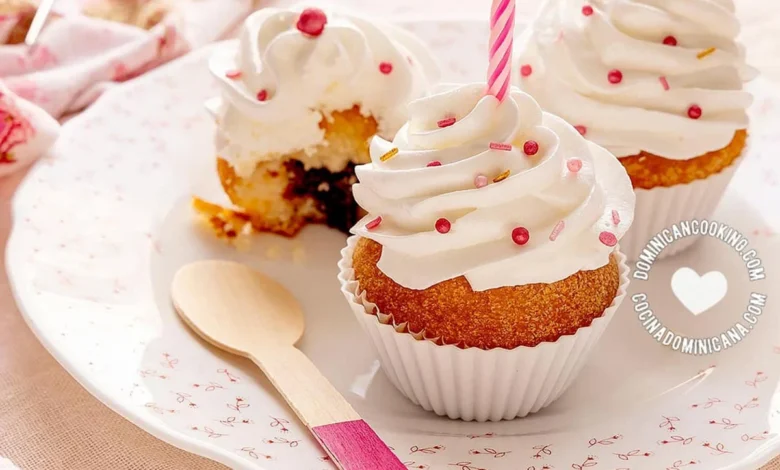
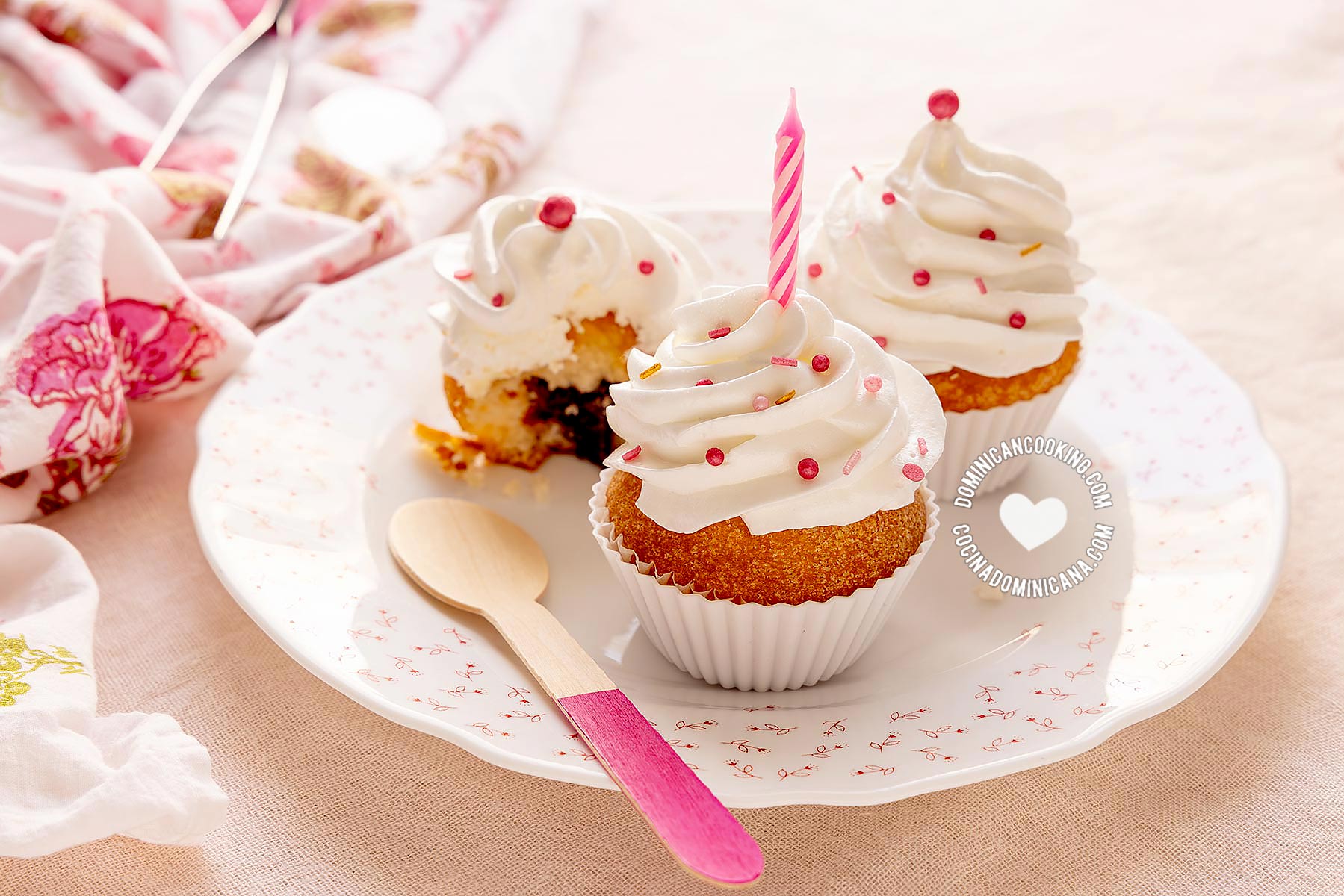
The culinary landscape of Caribbean-inspired baking is undergoing a subtle yet significant evolution as traditional heritage recipes are adapted into contemporary formats. Among the most recent developments in this space is the reimagining of the classic bizcocho dominicano—the beloved Dominican cake renowned for its feather-light texture and distinct citrus profile—into a scaled-down, individual serving known as the Dominican bizcocho cupcake. Spearheaded by home-baking advocates and culinary creators like Clara Gonzalez, known to many as "Tía Clara" of Dominican Cooking, this adaptation bridges the gap between generations of traditional island celebration cakes and the modern demand for accessible, portion-controlled pastries.
Background and Culinary Context
To understand the significance of the bizcocho cupcake, one must examine the cultural weight of the original Dominican cake. Traditionally reserved for major life milestones—including weddings, baptisms, and quinceañeras—the authentic Dominican cake is characterized by its delicate, almost melt-in-your-mouth crumb, a subtle infusion of fresh orange juice and zest, and a generous filling of traditional fruit preserves, typically pineapple. The cake is conventionally encased in suspiro, a glossy, marshmallow-like meringue frosting that requires precise technique to achieve its stable peaks and glossy finish.
However, the traditional multi-tiered bizcocho dominicano presents a formidable challenge for novice bakers. The preparation demands specialized creaming methods, careful temperature management, and advanced decorating skills to achieve a smooth, professional-grade meringue coating. Recognizing these barriers to entry, culinary developers have sought to deconstruct the classic formulation. By translating the traditional batter into standard muffin tins, bakers can replicate the exact flavor profile and textural characteristics of the island staple without the intimidating structural demands of a multi-layered celebration cake.
Chronology and Development of the Recipe Concept
The transition of the Dominican cake into a cupcake format represents a gradual shift in home-baking experimentation rather than a sudden commercial invention. Over recent years, home bakers seeking to celebrate Dominican heritage abroad or simplify birthday preparations began experimenting with smaller molds.
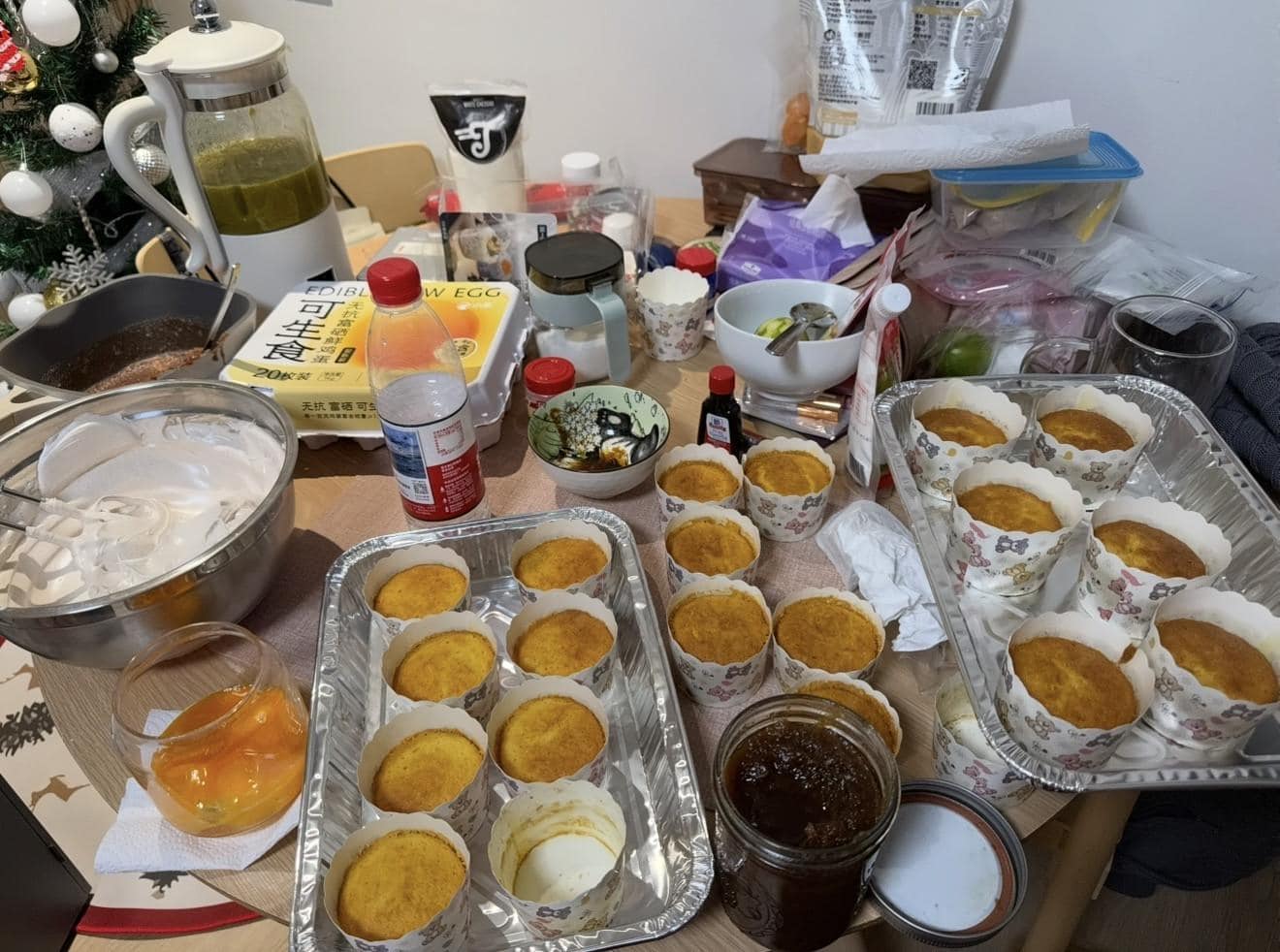
The process requires strict adherence to the foundational batter of the bizcocho dominicano, maintaining the precise ratio of fats, sugars, and leavening agents necessary to achieve the signature airy interior. Chronologically, the adaptation follows a specific assembly method designed to honor the traditional components:

- Batter Preparation: Mixing the citrus-infused butter, sugar, and flour components to achieve the necessary aeration.
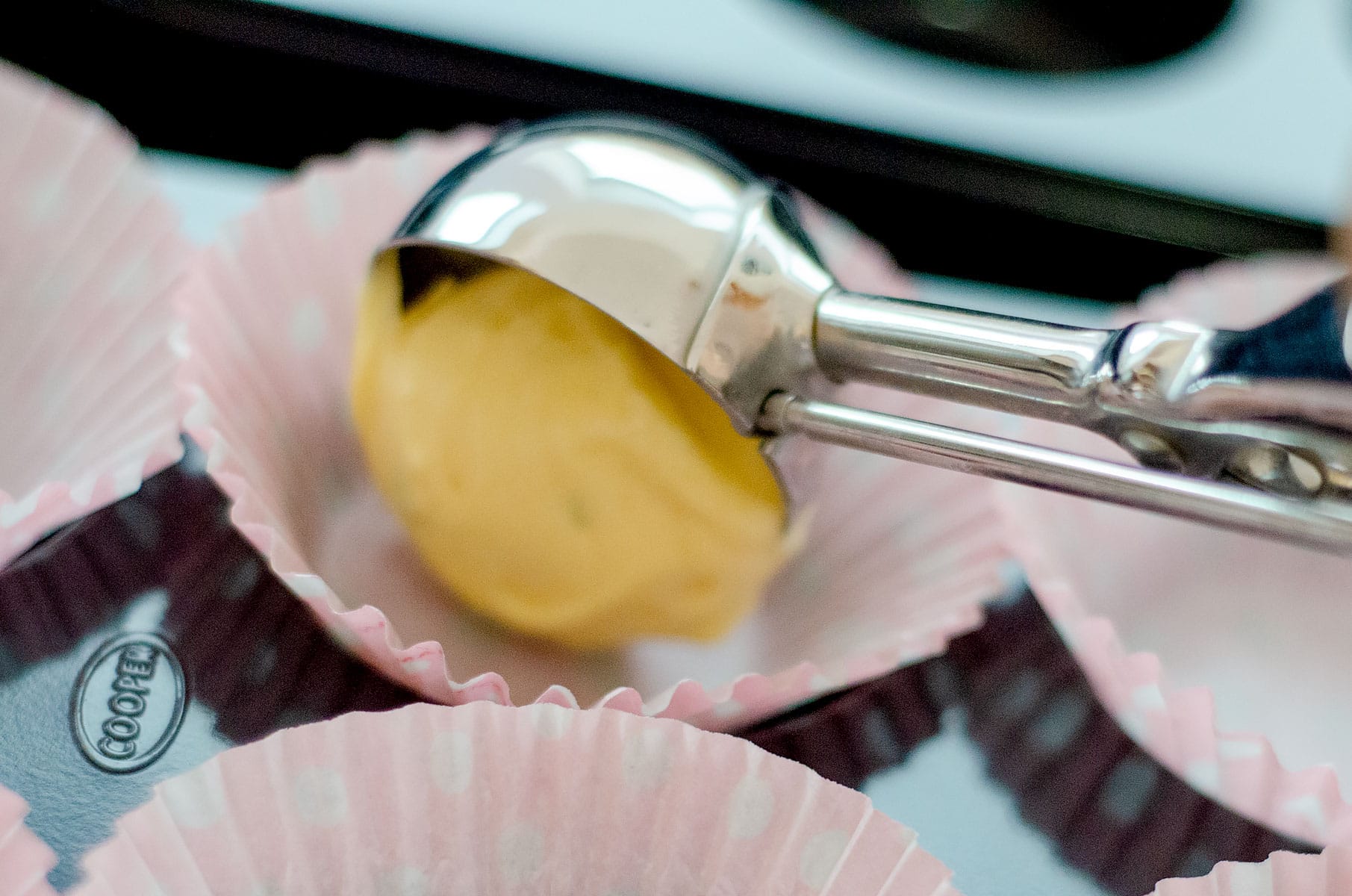
- Tin Preparation: Lining standard cupcake pans with decorative paper wrappers to ensure individual presentation.
- Core Infusion: Introducing a fruit preserve directly into the center of the unbaked batter rather than slicing a finished cake layers apart. While traditional cakes favor pineapple, contemporary adaptations frequently incorporate guava jam (pasta de guayaba) for a distinct regional variation.
- Baking Dynamics: Subjecting the filled tins to moderate oven heat for approximately 25 minutes. During this phase, the behavior of the batter shifts; as the cake rises around the heavier preserve, the filling naturally anchors itself, infusing the surrounding crumb with fruit essence.
- Meringue Application: Crowning the cooled baked goods with traditional suspiro icing, applied either simply or via piping bags for aesthetic presentation.
Technical Adjustments and Baking Mechanics
Adapting a large-scale celebration cake into individual portions introduces unique baking physics. According to culinary notes from recipe developers, the inclusion of a dense fruit filling inside a delicate, aerated batter alters the standard rise of the pastry.
Because fruit preserves carry significant weight compared to cake batter, centers tend to sink during the baking cycle if not properly managed. Professional guidance suggests either capping the preserve with a small additional layer of batter or manually guiding the batter over the filling prior to baking to ensure a uniform dome. This technical nuance highlights the intersection of traditional flavor profiles and modern baking science.

Furthermore, the substitution of standard pineapple filling with guava jam reflects a broader trend of flavor diversification within Caribbean-American fusion baking. While the structural integrity of the cake remains tied to the original recipe, the internal profile can be customized to suit regional preferences or specific event themes.
Cultural Implications and Market Impact
The introduction and popularization of Dominican bizcocho cupcakes carry notable implications for cultural preservation and the democratization of ethnic cuisine. By lowering the technical threshold required to produce an authentic island dessert, these recipes empower domestic bakers—particularly second- and third-generation diaspora communities—to maintain cultural touchstones during family gatherings and national celebrations.
From a commercial standpoint, the shift toward miniaturized cultural staples aligns with broader consumer trends favoring bite-sized, hygienic, and easily transportable event catering. Rather than slicing a massive communal cake, hosts can offer individual units adorned with personalized touches, such as custom-crafted paper flags or themed toppers, which have become popular elements in contemporary party planning.
The reception of these recipes across digital platforms underscores a sustained global appetite for authentic, home-style international baking content. As culinary educators continue to publish step-by-step documentation, the traditional flavors of the Dominican Republic are increasingly integrated into mainstream baking repertoires, ensuring that the legacy of the bizcocho dominicano endures in kitchens of all scales.