Inside Chez Wong: The Legend of Lima’s Most Exclusive Culinary Sanctuary and the Art of Peruvian-Chinese Fusion


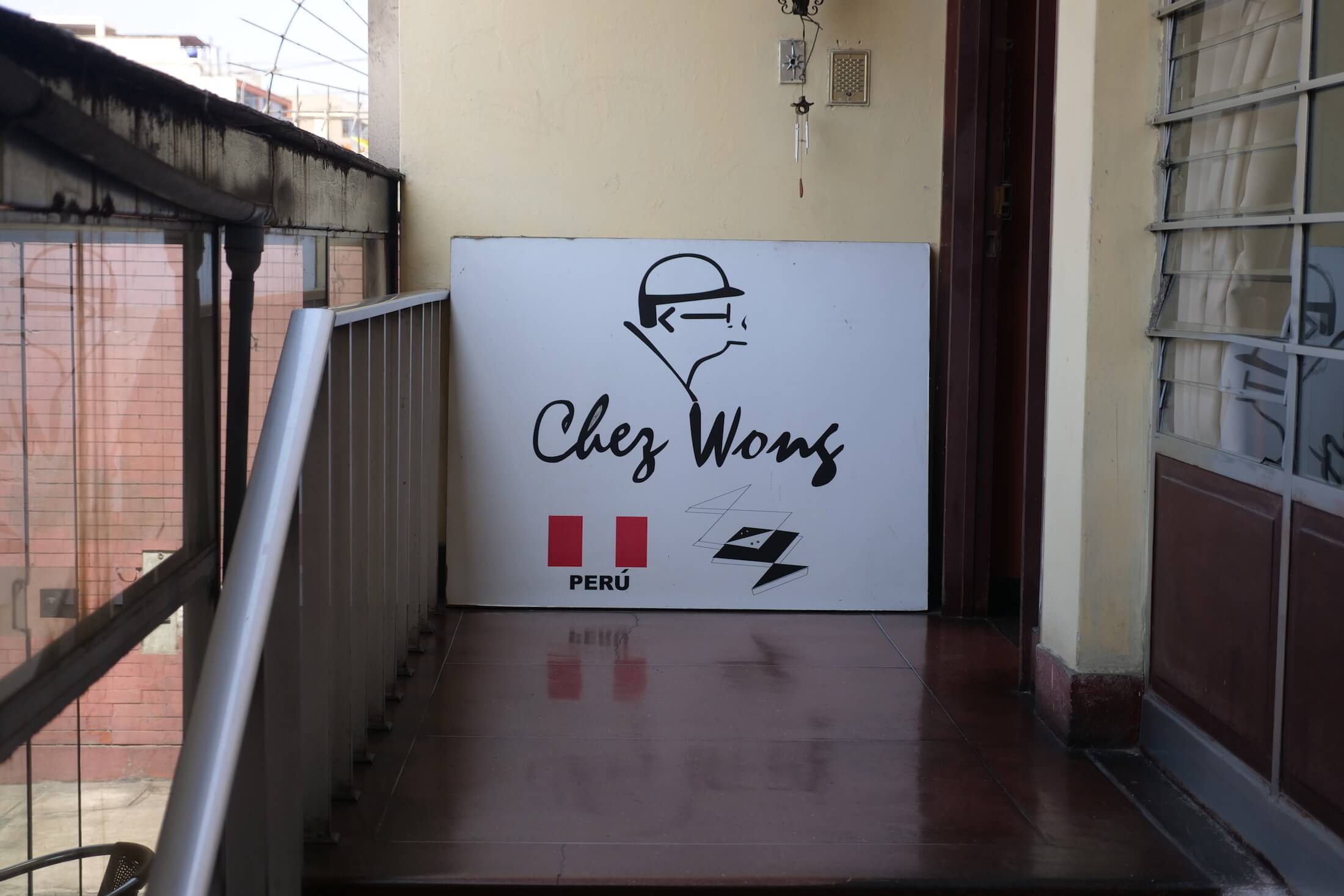
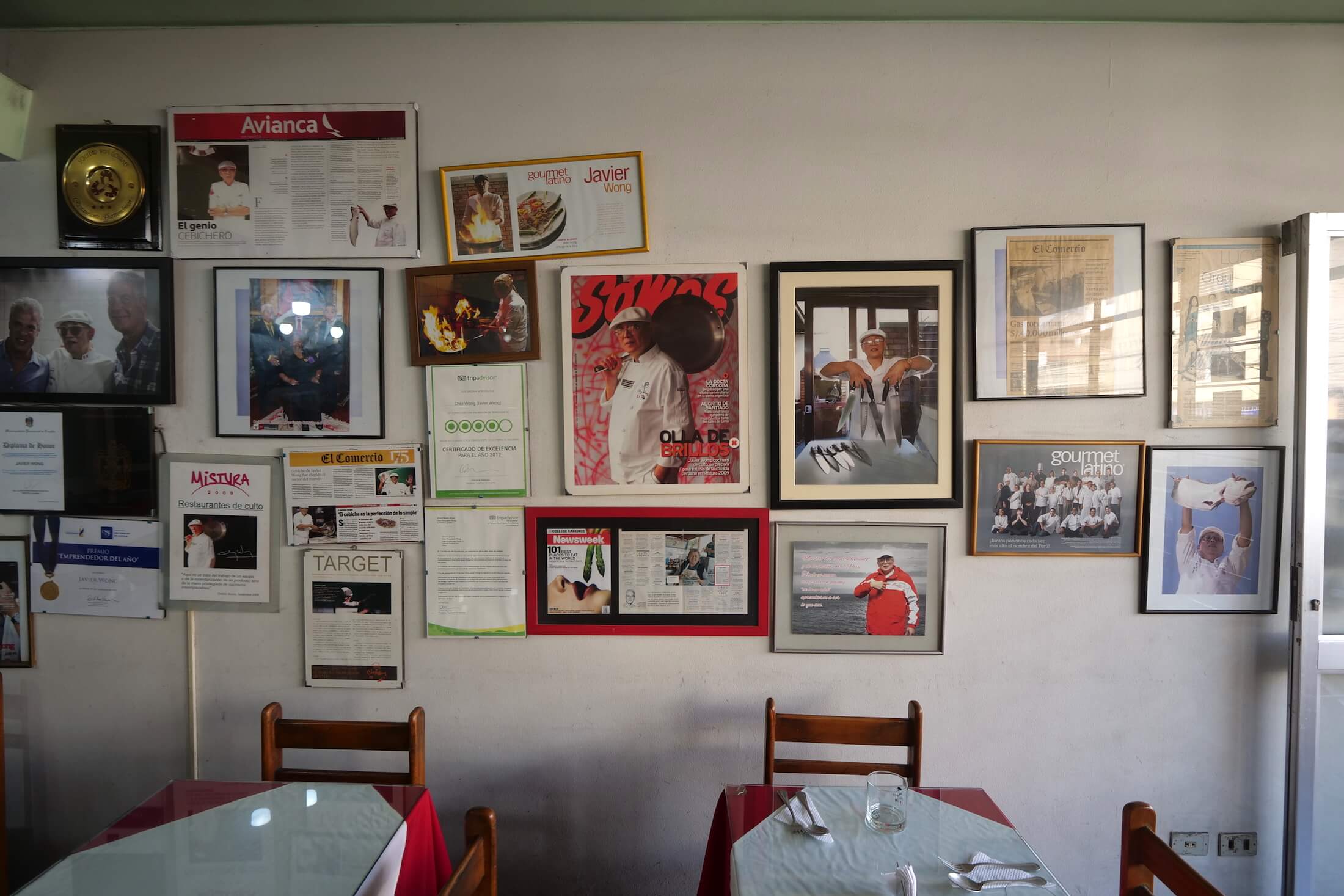
The culinary landscape of Lima, Peru, has experienced a meteoric rise over the past two decades, transforming the South American capital into a globally recognized epicenter for gastronomy. Among the city’s constellation of celebrated dining establishments, few hold the mythical status of Chez Wong, an unmarked, reservation-only sanctuary operated by legendary chef Javier Wong. Operating out of his residential home in the unassuming La Victoria district, Wong has cultivated an international following among culinary critics, global chefs, and dedicated gastronomes. The restaurant’s enduring appeal lies not in modernist molecular techniques or sprawling multi-course tasting menus, but in an uncompromising dedication to two dishes: ceviche and a high-heat fish stir-fry.

The Genesis of a Culinary Icon
To understand the cultural significance of Chez Wong, one must examine the unique gastronomic evolution of Peru, particularly the historical convergence of Peruvian ingredients with East Asian cooking techniques. Javier Wong is a prominent figure of Chifa cuisine—the culinary tradition born from Chinese immigrants who arrived in Peru in the 19th and 20th centuries. Wong masterfully bridges these cultural divides, marrying the vibrant freshness of local Peruvian seafood with the precision, speed, and wok-fire mastery of Cantonese cooking traditions.
Wong’s journey to culinary prominence spans decades. Born in Lima to parents of Chinese descent, he developed an early appreciation for the handling of fresh fish. Over the years, he refined a minimalist philosophy that prioritizes the intrinsic quality of ingredients over complex manipulations. This ethos ultimately materialized as Chez Wong, an informal dining space where the boundaries between kitchen and dining room dissolve entirely. Guests sit mere feet from the stainless-steel cutting board, observing a master at work in an environment that functions simultaneously as a private home, a professional kitchen, and a living museum of Peruvian food culture.
Strict Operations and the Logistics of Exclusivity
The operational model of Chez Wong diverges sharply from conventional high-end restaurants. The establishment functions strictly on a reservation-only basis, with waiting lists frequently stretching several weeks or months in advance. The restaurant is open exclusively for lunch, operating Tuesday through Saturday from 1:00 PM to 3:30 PM, and remains closed on Sundays and Mondays.
This rigid schedule is dictated by a strict operational philosophy regarding supply chain management. Chef Wong does not rely on pre-purchased bulk inventories or commercial suppliers for prolonged storage. Every morning, Wong personally visits Lima’s local fish markets to select the day’s protein, purchasing the exact quantity of fish required to serve the day’s roster of confirmed guests. Consequently, walk-in patrons are routinely turned away—not out of hostility, but due to the mathematical precision of the kitchen’s daily provisioning.

During a typical service, the restaurant accommodates a maximum of approximately eight tables. There are no printed menus, and diners do not place individual orders. Instead, the kitchen dictates the progression of the meal, ensuring that every guest receives dishes prepared from the exact fish procured that morning. This uncompromising standard of freshness requires significant logistical foresight, reinforcing the venue’s reputation as a temple of culinary discipline.
The Anatomy of a Masterpiece: Ceviche
The meal at Chez Wong invariably begins with Peru’s national dish: ceviche. While variations of the dish are ubiquitous across South America, Wong’s interpretation is celebrated for its radical simplicity and textural harmony.
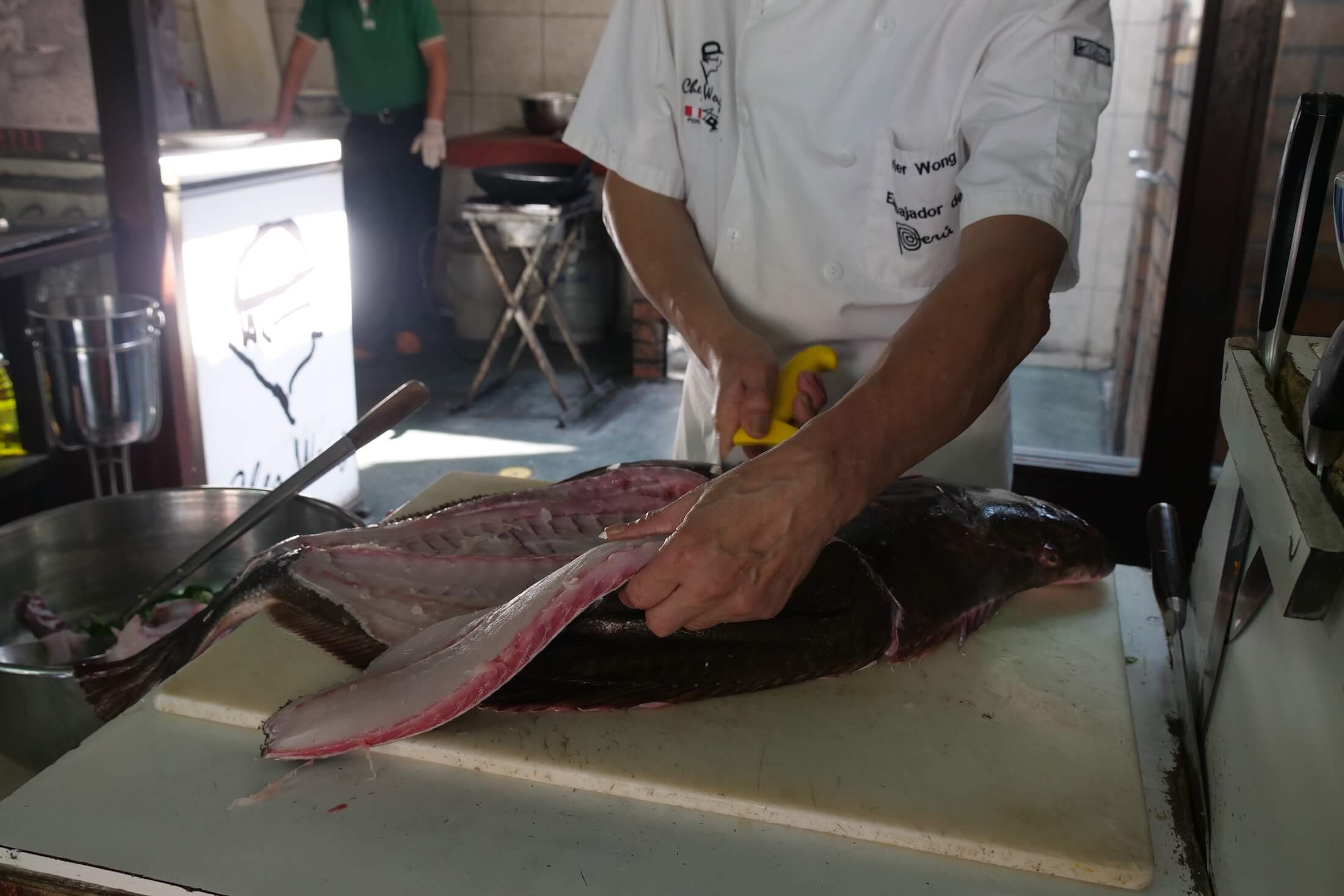
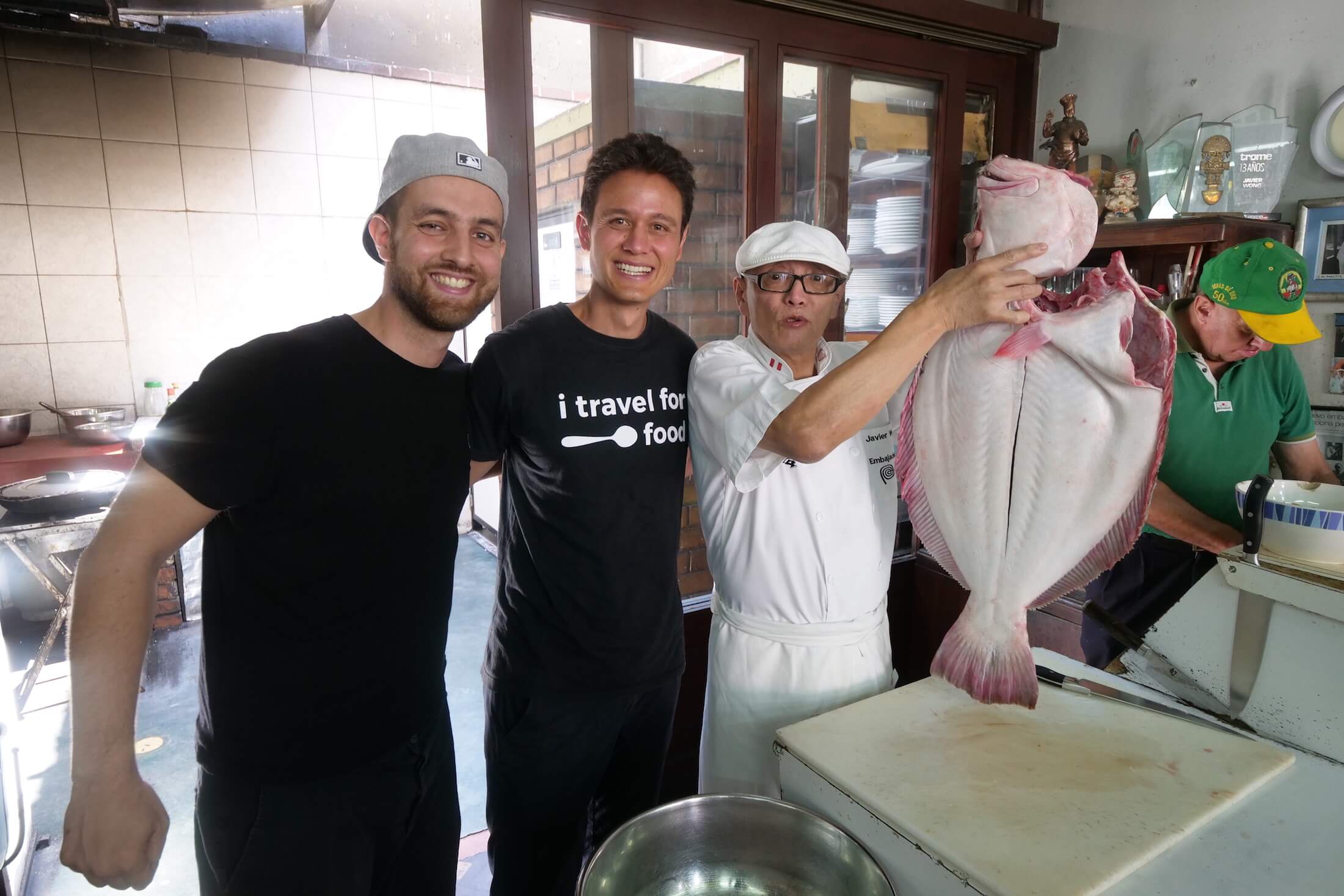
The preparation begins with Dover sole, a specific type of flounder that Wong utilizes exclusively for its delicate texture and clean flavor profile. Sourcing fish of this caliber requires established relationships with trusted vendors. Wong approaches the whole fish with anatomical precision, wielding his knife with fluid, decades-honed mechanics that yield thick, substantial cubes of fish meat rather than the thin slices common in commercial establishments.
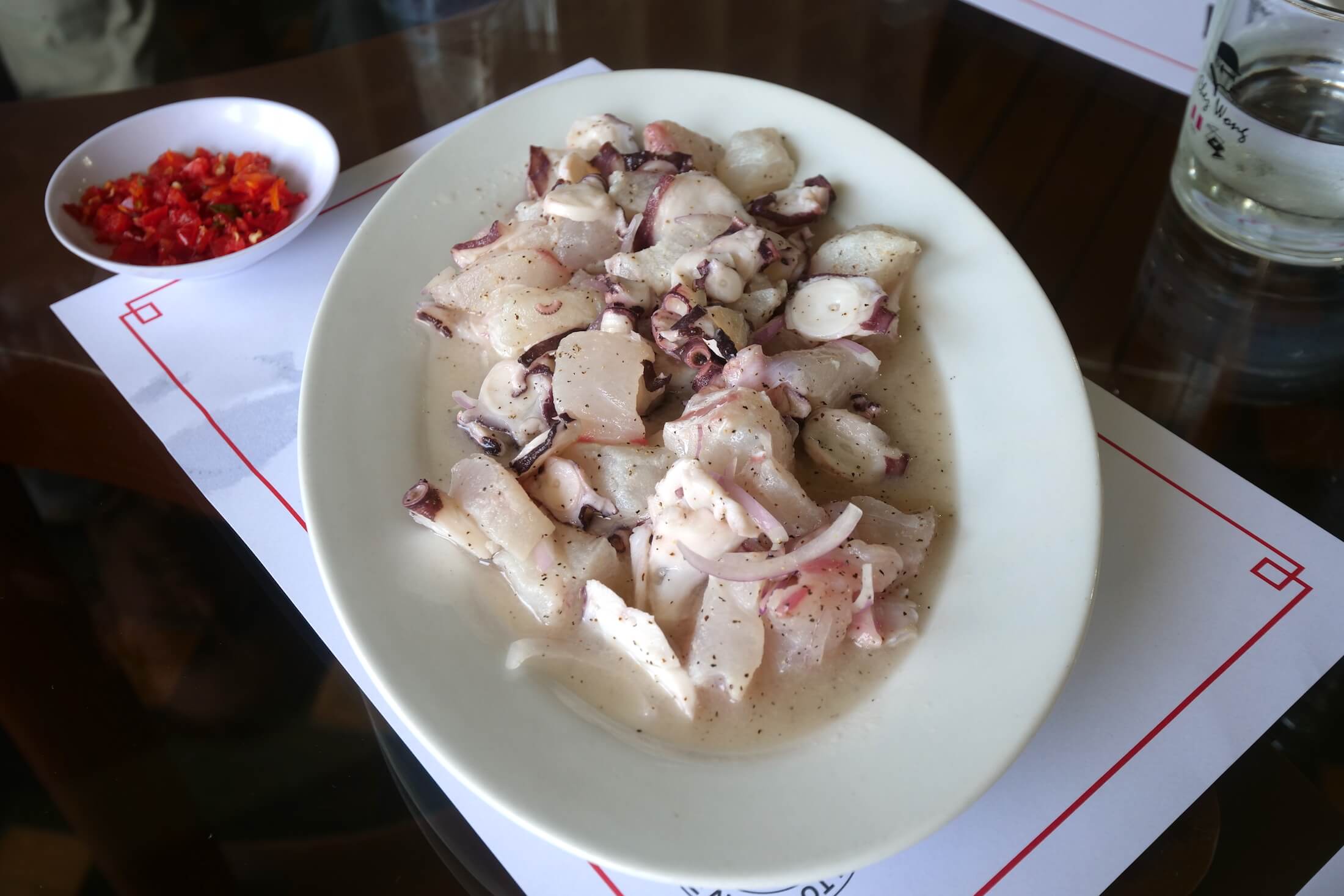
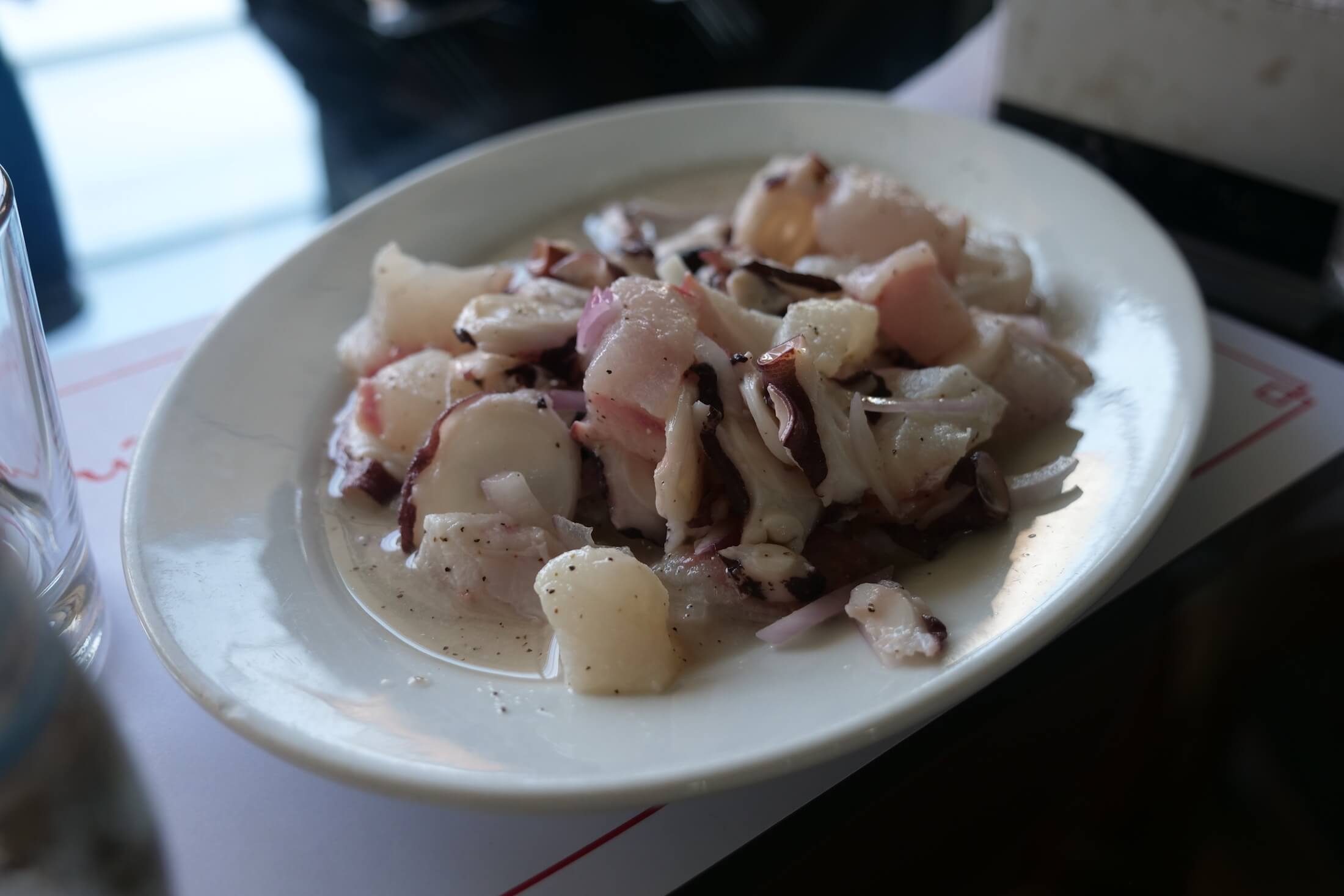
Unlike many contemporary culinary interpretations that introduce numerous secondary ingredients, Wong’s ceviche incorporates just five core components: fresh Dover sole, blanched octopus chunks, freshly squeezed lime juice, salt, and a minimal touch of black pepper. The absence of traditional garnishes such as sweet potatoes or large quantities of raw red onion allows the quality of the raw protein to remain the focal point.
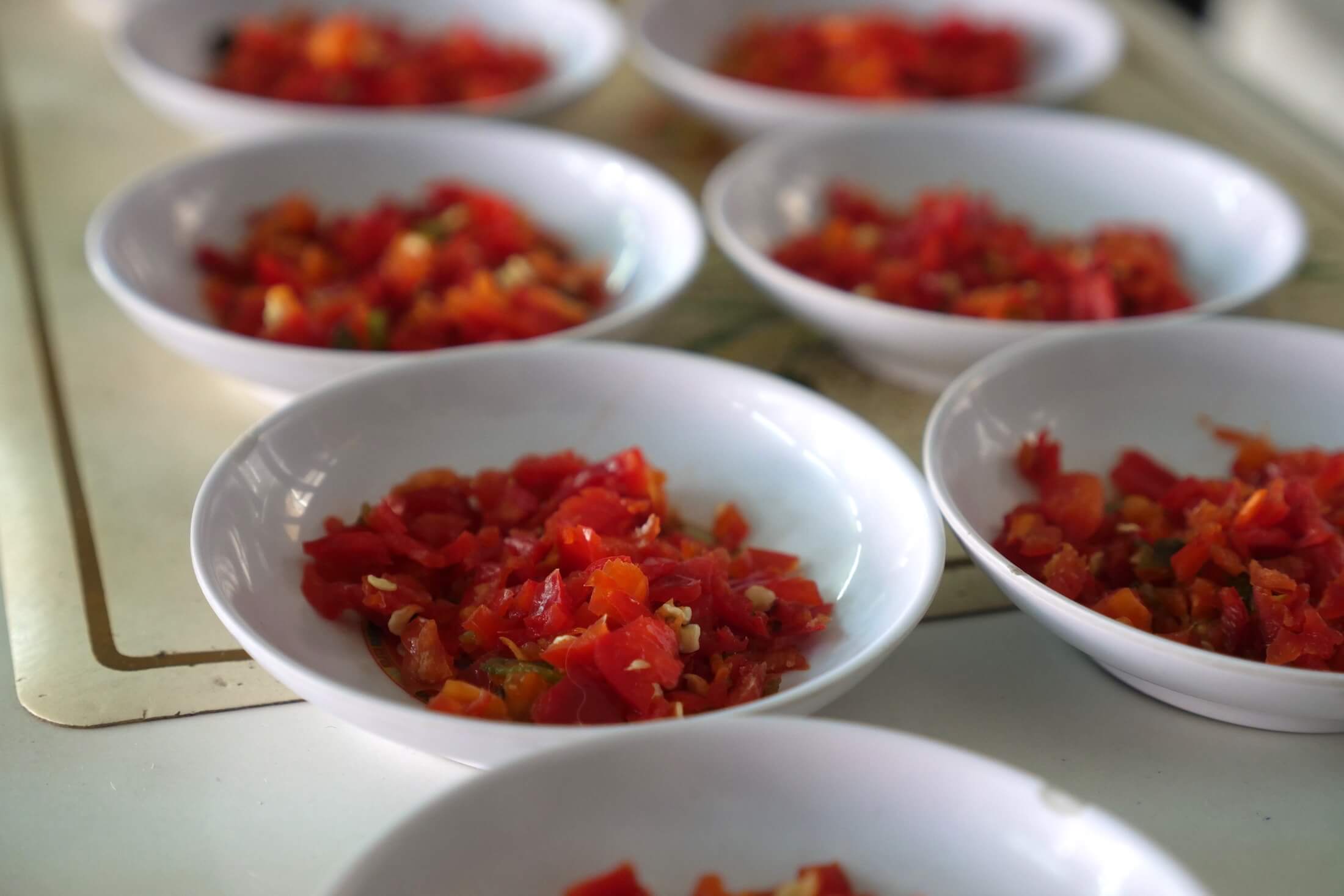
The curing process relies heavily on the tactile intuition and experience of the chef. The citrus acid from the lime juice alters the proteins in the fish—curing rather than cooking the meat—creating an opaque exterior while maintaining a tender interior. Served alongside a rotation of regional Aji chillies laid out on individual small dishes, diners are encouraged to balance the sourness, saltiness, and heat to personal preference.
The Phenomenon of Leche de Tigre
The dining experience at Chez Wong extends beyond the solid components of the plate into the rich citrus marinade pooling at the base of the serving dish. Known culturally as leche de tigre (tiger’s milk), this potent mixture of lime juice, fish juices, salt, and aromatics is a staple of Peruvian coastal cuisine.
At Chez Wong, the residual liquid is often transferred into a glass for guests to consume directly as a beverage. Rich in texture and robust in flavor, the tiger’s milk delivers an intense sensory profile characterized by high acidity, savory depth, and a lingering peppery warmth from the accompanying chilies. Food historians and culinary analysts note that while tiger’s milk is served across various establishments in Lima, the version produced at Chez Wong is distinguished by its concentrated richness, a direct result of the high-grade Dover sole used as the base protein.
Wok Mastery and the Second Course
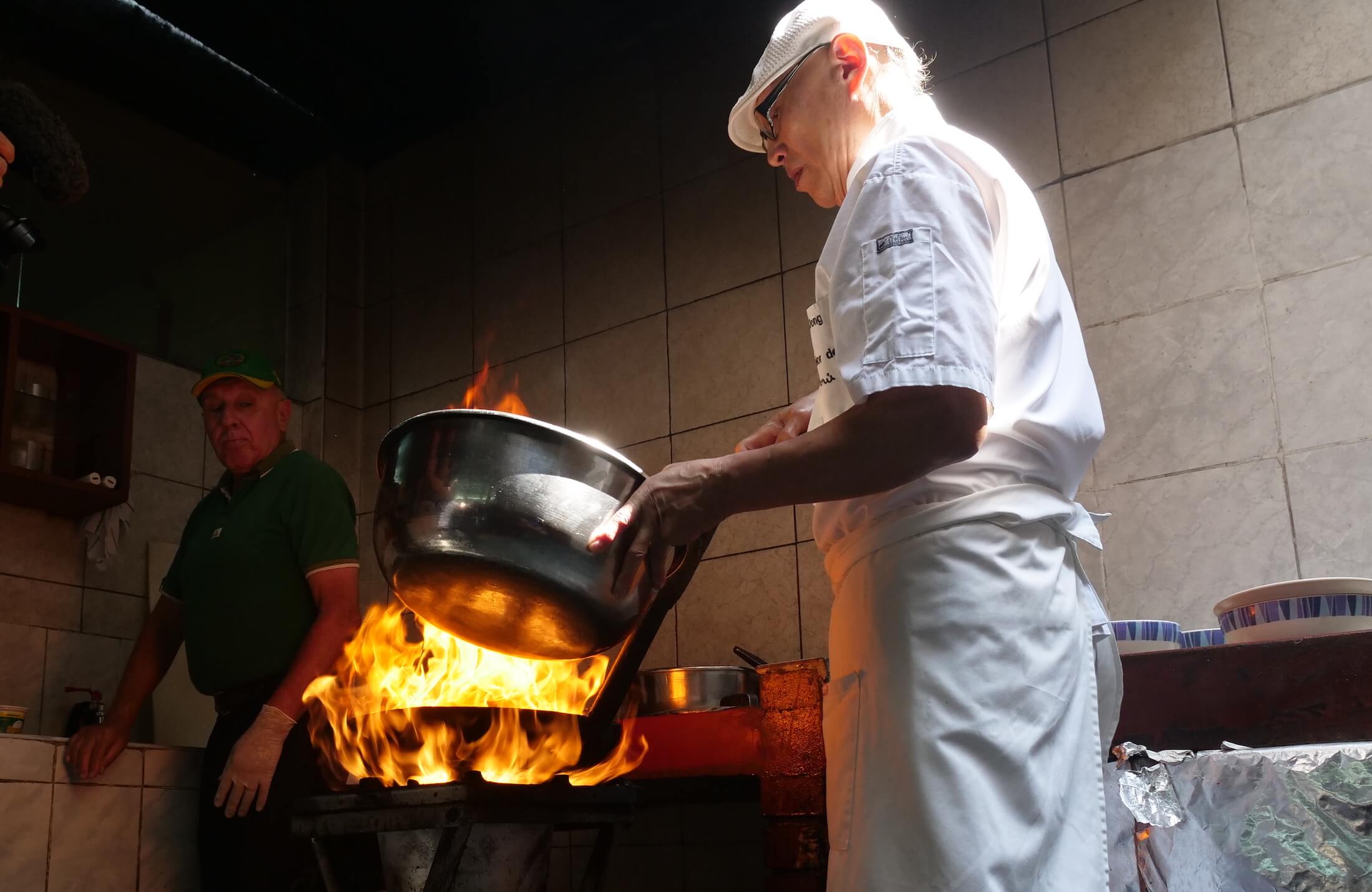
Following the raw preparation of the ceviche, the dining experience transitions to a high-heat wok dish that highlights Wong’s Chinese heritage. The cooking process is characterized by intense pyrotechnics. Operating a high-pressure gas burner, Wong subjects the wok to roaring flames that frequently reach the ceiling, creating an atmosphere of controlled intensity within the compact dining room.
The second course typically features a stir-fry composed of fish meat, snow peas, chard, bok choy, large round mushrooms, and a surprising secret ingredient: fresh tangerine or orange segments. Wong combines all ingredients simultaneously into a single mixing bowl before transferring them into the blazing wok. This technique requires an intimate understanding of the precise cooking thresholds of each component.
Despite the intense heat and the inclusion of citrus fruit, the structural integrity of the fish is maintained. Wong utilizes a heavy metal serving spoon strictly for plating once the burner is extinguished, preventing the tender cubes of fish from breaking apart during the rapid cooking phase. The resulting dish exhibits a distinct smoky flavor profile imparted by the high-heat wok, balanced by the acidity of the citrus and the crisp texture of the seasonal vegetables.
Economic and Cultural Implications
A meal at Chez Wong represents a significant financial investment compared to standard local dining, though it remains accessible relative to global fine-dining benchmarks. For instance, a recent documented group dining experience for four patrons totaled approximately 545 Nuevo Soles (roughly equivalent to $165 USD), encompassing the multi-course seafood menu and beverages.
Beyond the immediate economic transaction, establishments like Chez Wong play a vital role in the preservation and global promotion of Peruvian culinary heritage. By maintaining traditional methods, limiting commercial scaling, and prioritizing ingredient provenance, Javier Wong has established a blueprint for artisanal gastronomy. The restaurant’s enduring relevance demonstrates that international culinary acclaim can be achieved without corporate expansion, relying entirely on individual craftsmanship, historical authenticity, and an unwavering commitment to quality.