The Rise of Egg-Free Traditional Mexican Pastries: How Modern Dietary Adaptations Are Reshaping Classic Pan Dulce

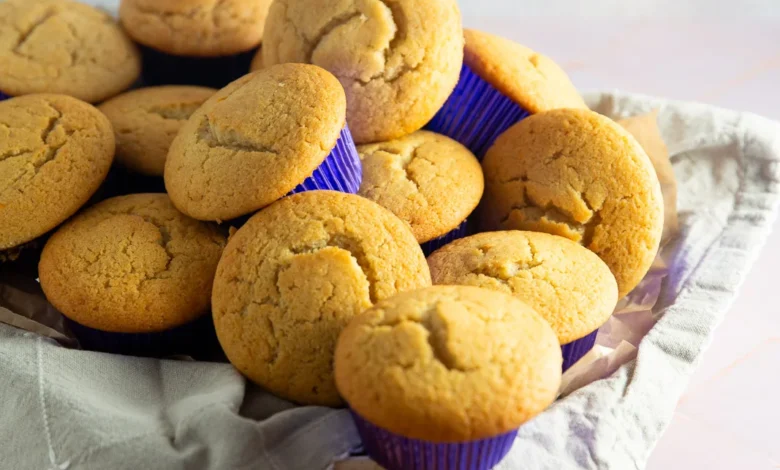
The culinary landscape of traditional Mexican baking is undergoing a quiet yet significant transformation, spearheaded by home cooks and professional bakers alike who are reimagining heritage recipes for contemporary dietary preferences. At the forefront of this movement is the adaptation of mantecadas—the beloved, golden-domed sponge cakes traditionally wrapped in red or purple paper liners and sold in panaderías across Mexico. Recent culinary innovations have demonstrated that these rich, citrus-infused pastries can be successfully produced without eggs, opening up new avenues for plant-based and allergen-conscious baking without sacrificing the characteristic texture and flavor that have defined the snack for generations.
Historical Context and Evolution of the Mantecada

To understand the magnitude of adapting a recipe like the mantecada, one must examine its origins within Mexican gastronomy. Historically, the name "mantecada" derives from "manteca," referring to the pork lard or vegetable shortening that traditionally served as the primary fat source in the batter. Unlike standard muffins, which often rely on a lighter, more aerated structure, authentic mantecadas are characterized by a higher fat content, resulting in a dense, tender crumb that remains moist for days.
Over the decades, as culinary practices modernized, commercial bakeries largely transitioned from lard to vegetable oils and butter, yet the core components—specifically eggs for structure and lift—remained non-negotiable. The recent shift toward eliminating eggs while retaining the precise sensory profile of a traditional mantecada represents a technical hurdle that pastry developers have spent months refining. Achieving the signature high, golden dome and fine, pound-cake-like crumb without the emulsifying and binding properties of eggs requires a careful chemical substitution of ingredients.
The Science of Substitution: Yogurt, Citrus, and Cornstarch

The breakthrough in creating a successful egg-free mantecada lies in the precise interaction of acidity, lipids, and starches. Culinary experts adapting these recipes have found that natural yogurt serves as a multi-functional replacement for eggs. When combined with baking soda, the acidity in the yogurt triggers a chemical reaction that provides the necessary lift, replacing the aeration typically achieved by whipping eggs. Furthermore, the lactic acid in the yogurt contributes to the moisture retention and subtle tang that balances the sweetness of the pastry.
In addition to yogurt, the formulation relies heavily on an increased proportion of neutral vegetable oil. This mimics the high-fat content of traditional mantecadas, ensuring the crumb stays tender and does not dry out—a common pitfall in egg-free baking. The incorporation of cornstarch (Maizena) further refines the texture, softening the harsh proteins in standard all-purpose flour to produce the fine, velvety crumb associated with high-end bakery goods.
Aromatics and the Authenticity of Flavor

A defining characteristic of Mexican pan dulce is its reliance on uncompromised, natural aromatics rather than artificial flavorings. In the case of traditional mantecadas, the dominant flavor profile is fresh orange zest paired with Mexican vanilla. Culinary developers emphasizing authentic flavor notes stress that the inclusion of substantial amounts of fresh citrus zest—specifically avoiding the bitter white pith—is essential for replicating the aromatic experience of a neighborhood panadería. When baked, the volatile oils from the orange zest release compounds that saturate the kitchen, anchoring the modern adaptation firmly in traditional sensory expectations.
Broader Implications for Plant-Based and Inclusive Gastronomy
The successful formulation of egg-free mantecadas points to a broader trend within international baking: the democratization of traditional comfort foods through flexible dietary engineering. By substituting dairy yogurt and standard milk with plant-based alternatives—provided the non-dairy yogurt possesses sufficient acidity to react with the leavening agents—the recipe transforms seamlessly into a fully vegan offering.

Food industry analysts note that the demand for allergen-friendly and plant-based iterations of cultural staples has grown exponentially over the past five years. Consumers increasingly expect to participate in cultural traditions, such as enjoying an afternoon pan dulce with a cup of coffee or hot chocolate, regardless of dietary restrictions. Recipes that bridge the gap between historical authenticity and modern dietary needs without compromising on texture, shelf life, or taste profile are becoming standard benchmarks in contemporary culinary arts.
As home bakers and professional pastry chefs continue to experiment with heritage formulas, innovations like the egg-free mantecada illustrate that traditional foodways are not static. Instead, they are dynamic systems capable of absorbing modern technical insights while preserving the cultural and sensory heritage that makes them enduringly popular.