How Alejandra Graf’s Horchata Rice Krispies Treats Reimagined Traditional Mexican Flavors for Modern American Kitchens

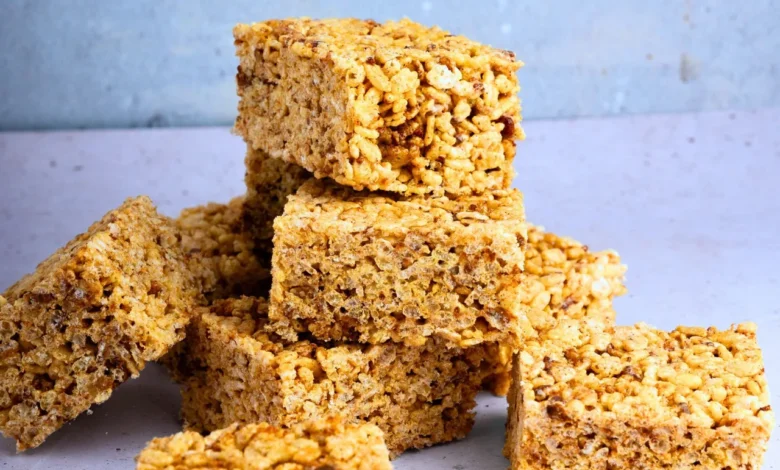
The intersection of culinary tradition and contemporary baking has given rise to innovative comfort foods that bridge cultural divides. A prominent example of this culinary fusion is the creation of horchata-flavored Rice Krispies treats by recipe developer and cookbook author Alejandra Graf. Featured as a bonus recipe in her cookbook Comemos, these chewy, cinnamon-infused cereal bars replicate the distinct flavor profile of traditional Mexican horchata utilizing standard pantry staples without relying on artificial flavor extracts or commercial syrups. The recipe has gained significant traction among home cooks seeking nostalgic, cross-cultural dessert options that require minimal preparation time.
Culinary Background and Cultural Significance
Horchata is deeply embedded in the culinary heritage of Mexico and various Latin American countries. Traditionally prepared as a refreshing beverage made from soaked white rice, blended nuts or seeds, cinnamon, and sweetener, horchata offers a comforting profile characterized by subtle warmth and creamy sweetness. Graf sought to capture this familiar sensory experience—frequently associated with childhood memories and family gatherings—and adapt it into a portable, solid snack format suitable for lunchboxes and modern dessert tables.

The resulting recipe reflects a growing trend in North American home cooking where bicultural families integrate traditional flavors from their heritage into universally recognized, mainstream convenience foods. By combining the textural familiarity of marshmallow cereal treats with foundational elements of Mexican beverages, the recipe serves as an edible representation of the dual identities common in many contemporary households across the United States.
The Chemistry of Flavor: Why Powdered Milk is Essential
Replicating the nuanced taste of horchata in a dry, marshmallow-bound cereal bar presented a distinct technical challenge for recipe developers. Traditional horchata relies heavily on dairy or plant-based liquids to achieve its characteristic creamy mouthfeel. However, introducing liquid milk or pre-made horchata beverage directly into a marshmallow and cereal mixture introduces excess moisture, which dissolves the marshmallows and prevents the treats from setting properly.
To solve this problem, Graf utilized dry milk powder toasted in butter. When heated gently, milk solids undergo the Maillard reaction, developing complex caramel and nutty notes that closely mimic the rich, milky undertones of traditional horchata. This method bypasses the need for commercial horchata extracts, allowing home cooks to achieve authentic depth of flavor using accessible grocery store ingredients.

The Role of Spice and Ingredient Variations
Cinnamon selection plays a critical role in achieving an authentic flavor profile. The recipe calls for a generous quantity of cinnamon, incorporated directly into the warm butter before the marshmallows are added. This technique allows the fat-soluble compounds in the spice to bloom, distributing the flavor evenly throughout the mixture and avoiding the clumping of dry powder.
Furthermore, the recipe emphasizes the distinction between Ceylon cinnamon—often referred to as true cinnamon and commonly used in traditional Mexican cuisine—and Cassia cinnamon, the variety most frequently found on standard supermarket shelves in the United States. Ceylon cinnamon offers a milder, sweeter, and more floral aroma, which aligns more closely with the subtle complexity of authentic horchata compared to the sharper, more pungent profile of Cassia.
Dietary Adaptability and Practical Preparation

Designed for efficiency, the recipe requires approximately 15 minutes of active preparation time, followed by 30 minutes of setting time, utilizing a standard 8-by-8-inch baking pan and a single saucepan. The omission of baking makes the process accessible to novice bakers and busy households.
To accommodate modern dietary preferences, the formula offers straightforward substitutions:
- Gluten-Free Options: Standard crispy rice cereals often contain barley malt flavoring, rendering them non-gluten-free. Substituting a certified gluten-free puffed rice cereal resolves this issue.
- Vegan Adaptations: The dessert can be adapted using plant-based marshmallows, vegan butter, and coconut milk powder, provided the powdered milk alternative is free from caseinates—a milk-derived protein occasionally added to commercial plant powders.
- Storage and Freezing: While the bars can be stored in an airtight container at room temperature for up to three days, refrigeration is discouraged as it causes the cereal to harden. For longer storage, individual wrapping and freezing allow the treats to be preserved for future consumption.
Broader Implications for Home Cooking Trends
The popularity of innovations like the horchata Rice Krispies treat highlights a broader shift in culinary publishing toward accessible fusion recipes. As second- and third-generation immigrants seek ways to honor their cultural roots while engaging with contemporary food media, creators like Graf provide practical pathways for cultural expression through everyday cooking. By demystifying complex traditional flavors and translating them into familiar formats, these recipes contribute to a more diverse and inclusive culinary landscape in modern home kitchens.