Leftover Rice Arroz con Leche: A Quick and Innovative Take on Traditional Dominican Rice Pudding

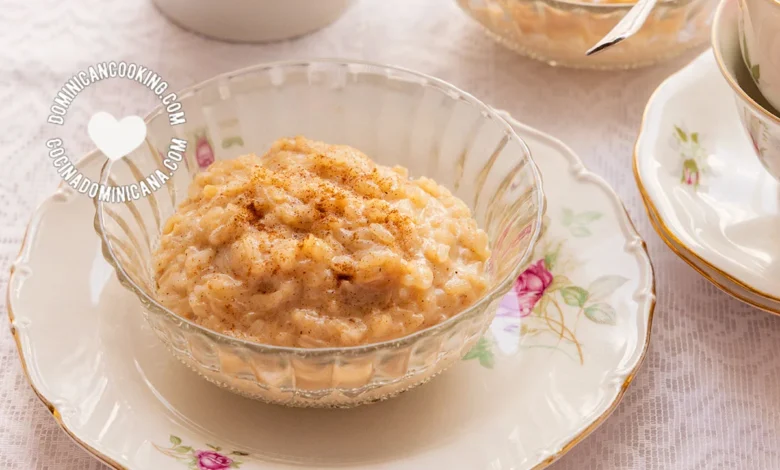
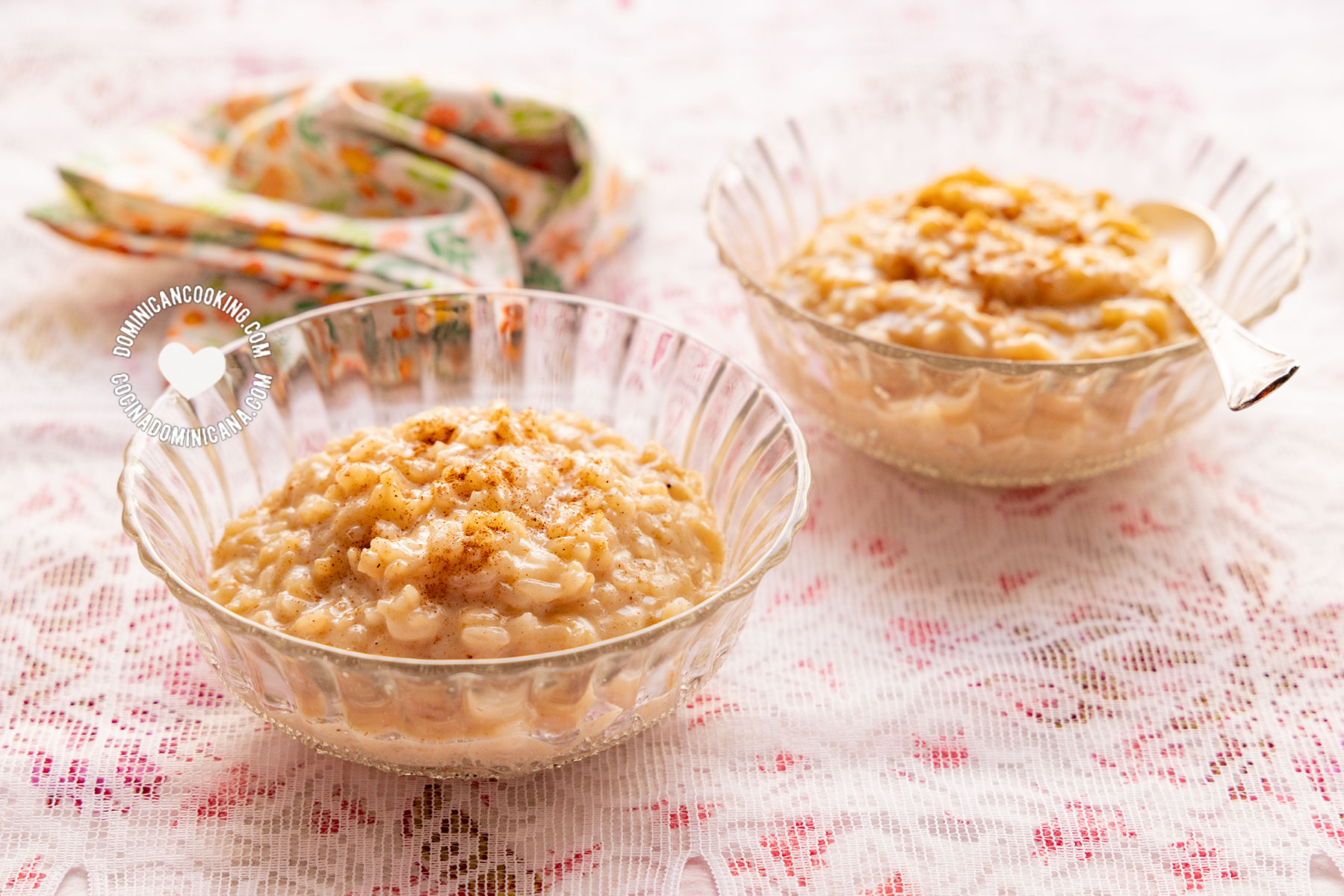
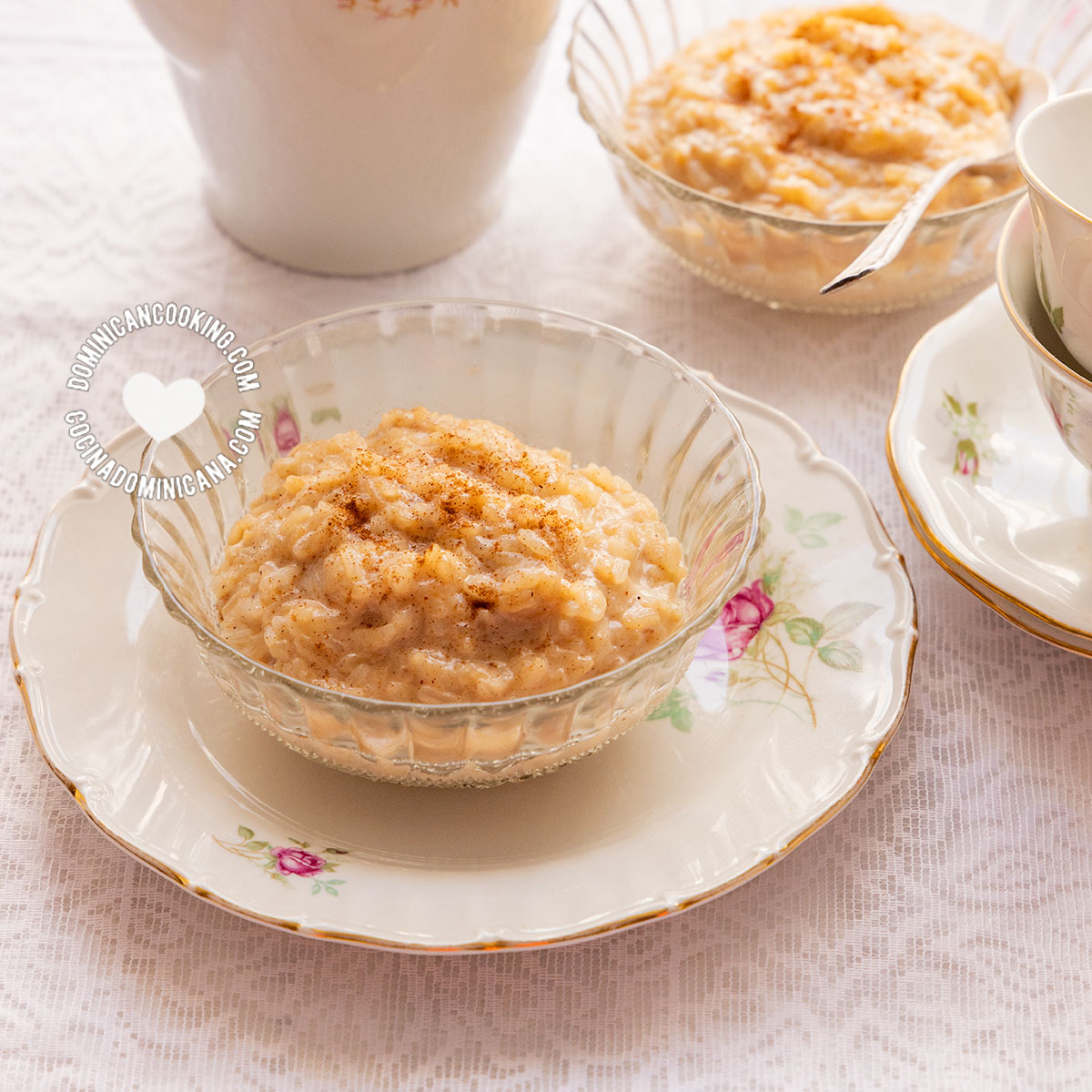
In many Latin American households, particularly in the Dominican Republic, white rice (arroz blanco) is a daily dietary staple. Consequently, the management of leftover grains is an ingrained aspect of domestic culinary tradition. Culinary expert Clara Gonzalez, widely known online as Tía Clara, has highlighted a practical and innovative approach to traditional dessert preparation through her popularized recipe for leftover rice arroz con leche (rice pudding). This streamlined recipe transforms day-old cooked white rice into a dessert that traditionally requires raw grains and extensive simmering, significantly reducing kitchen labor while preserving the cultural essence of the classic comfort food.
Background and Culinary Context
Traditional arroz con leche is a cherished dessert across Latin America, Spain, and parts of the Caribbean. Standard preparation typically involves simmering raw white rice in milk, water, and aromatics such as cinnamon sticks, lemon peel, and cloves for an extended period. The slow-cooking process allows the starches in the raw rice to break down naturally, thickening the liquid into a rich, creamy pudding.
However, contemporary cooking trends increasingly emphasize efficiency, resourcefulness, and the reduction of food waste. In the Dominican kitchen, leftover arroz blanco has historically found new life in savory dishes such as chofán (Dominican-style fried rice), arroz amarillo, or rice salads (ensalada de arroz). Gonzalez’s method extends this philosophy of resourcefulness into the realm of sweets, demonstrating how home cooks can repurpose staples without sacrificing flavor or texture.

Chronology and Preparation Method
The adapted recipe modifies the conventional timeline of arroz con leche by bypassing the initial long-simmering phase required to soften raw grains.
According to the provided recipe specifications, the preparation is divided into distinct stages:
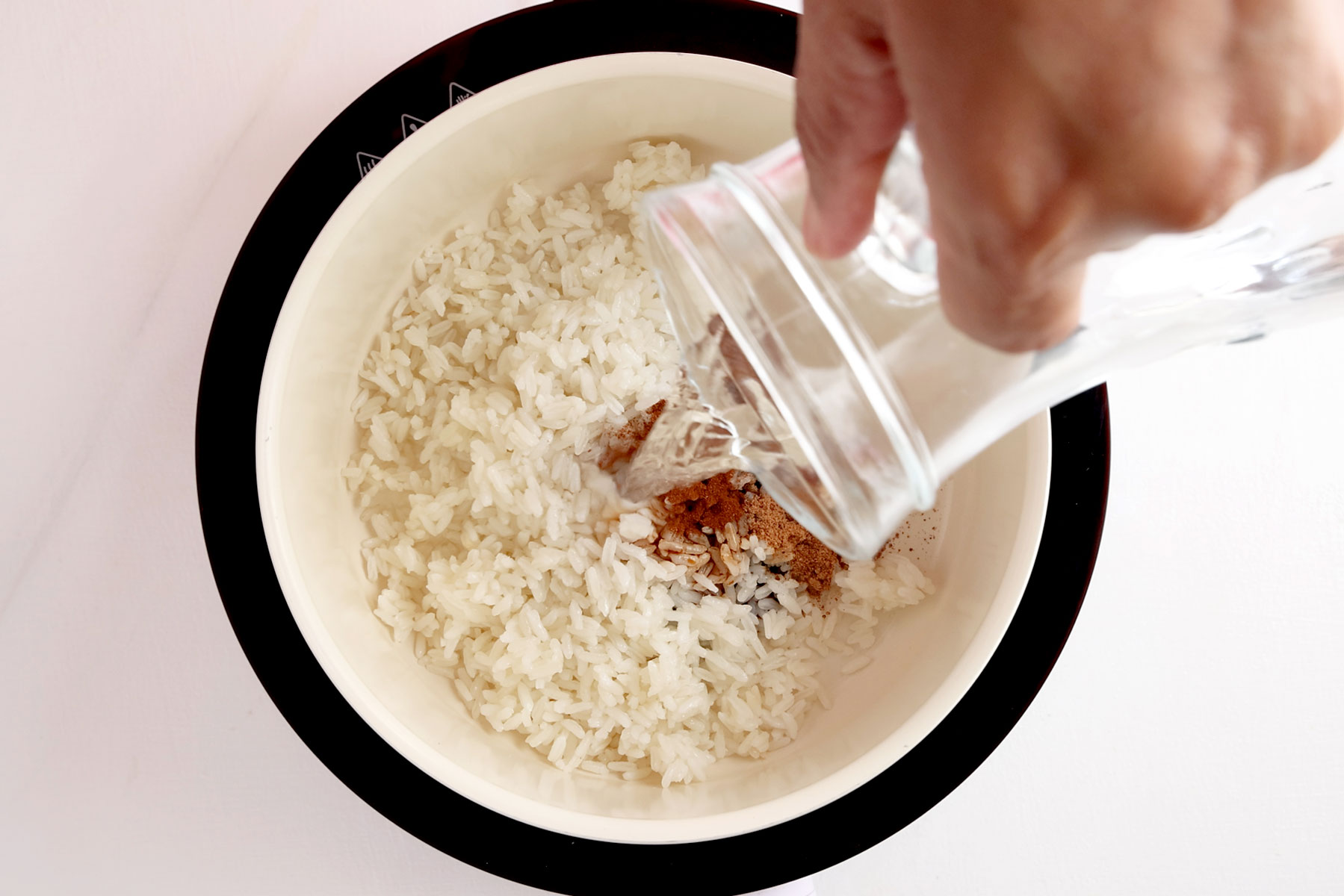
- Preparation and Combination: The process begins with approximately one cup of leftover white rice, sufficient to yield four standard servings.
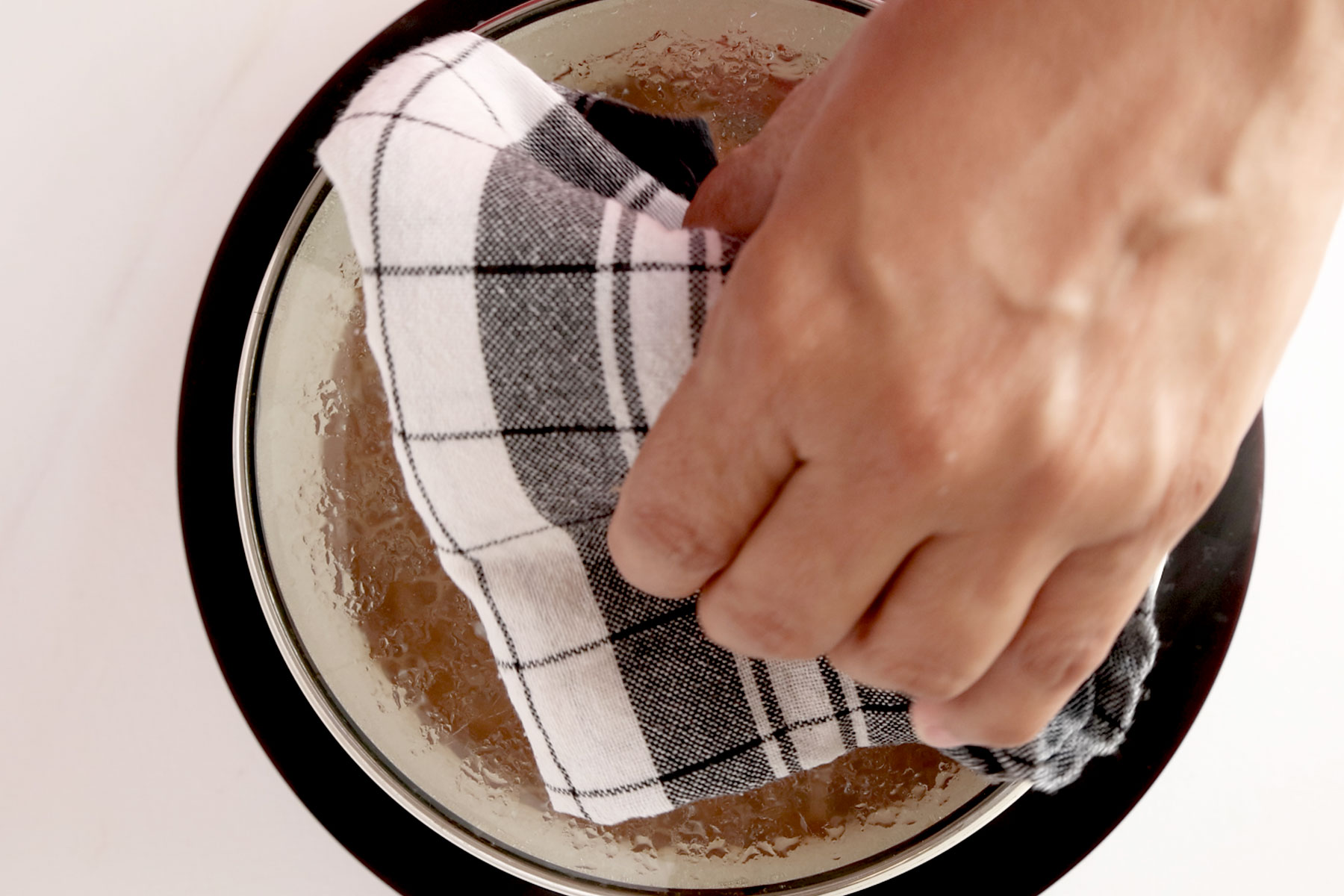
- Simmering and Flavor Infusion: Unlike traditional methods that rely on whole spices requiring prolonged steeping, this quick version incorporates ground spices directly into the mixture. This technique accelerates flavor absorption and gives the finished pudding a slightly deeper hue compared to its ivory-colored counterpart.
- Dairy Integration: Condensed milk is introduced to the mixture to expedite the thickening process and impart the necessary sweetness and rich mouthfeel without requiring hours of reduction on the stovetop.
- Final Assembly and Serving: The entire cooking process takes approximately 45 minutes—roughly half the time of traditional sweet rice dishes (arroz con dulce). The final product can be served either warm or chilled, depending on consumer preference.
Nutritional Profile and Dietary Considerations
Analysis of the nutritional data for the four-serving recipe indicates a nutrient-dense, calorie-conscious dessert option suitable for occasional indulgence. Each standard serving contains approximately 708 kilocalories.
Further nutritional metrics per serving include:
- Carbohydrates: 116 grams, primarily derived from the rice and the concentrated sugars in the condensed milk.
- Protein: 16 grams, contributed significantly by the dairy components.
- Total Fat: 20 grams, with 12 grams coming from saturated fats.
- Sodium and Minerals: The recipe contains 841 milligrams of sodium, alongside notable levels of calcium (555 milligrams) and potassium (724 milligrams), which are typical for dairy-heavy puddings.
While the dish provides substantial calcium and energy, individuals monitoring their intake of added sugars (69 grams per serving) or sodium are advised by culinary and health professionals to consume such traditional desserts in moderation.
Broader Economic and Cultural Implications
The popularization of recipes that utilize kitchen leftovers addresses broader contemporary discussions surrounding food sustainability and household economy. In regions experiencing fluctuating food costs, maximizing the utility of every prepared meal is both a cultural value and a practical necessity. By demonstrating that high-status comfort foods can be successfully replicated using leftover ingredients, culinary platforms encourage sustainable domestic practices.
Furthermore, the adaptation of heritage recipes reflects the dynamic nature of modern cuisine. As home cooks balance busy daily schedules with a desire for authentic, culturally resonant meals, shortcuts that do not compromise the core flavor profile gain widespread acceptance. Recipes like Tía Clara’s leftover arroz con leche bridge the gap between generational cooking traditions and the demands of modern lifestyles, ensuring that cultural culinary practices continue to thrive in contemporary households.