The culinary landscape of Colombia is defined by its regional diversity, shaped by a confluence of indigenous, Spanish, and African influences. While international attention often gravitates toward iconic main courses like the bandeja paisa or sancocho, the true foundation of the Colombian dining experience rests on its robust selection of side dishes. These accompaniments are not merely supplementary; they are essential structural components of the national diet, providing the necessary starch, texture, and flavor profiles to balance complex proteins and soups.

The Historical and Cultural Context of Colombian Staples
The prominence of starch-based sides in Colombia is rooted in the country’s varied geography. The Andean region, the Caribbean coast, and the Pacific lowlands each offer distinct agricultural yields that have dictated traditional meal structures. For generations, Colombian families have utilized local crops—specifically plantains, cassava (yuca), and various Andean potato varieties—to create dishes that sustain laborers and urban families alike.
Historically, these side dishes served a functional purpose, acting as calorie-dense fillers during periods of economic hardship. Today, they remain a staple of both home cooking and the burgeoning Colombian restaurant industry, which has seen an uptick in international recognition over the last decade. Culinary historians note that the "must-try" status of these dishes is not a recent marketing trend, but a reflection of the enduring preservation of ancestral techniques that prioritize fresh, locally sourced ingredients.

Analysis of Primary Side Dish Components
To understand the Colombian culinary identity, one must examine the role of the plantain and the tuber. These ingredients are prepared with a precision that borders on the scientific.
- The Plantain Taxonomy: Plantains are categorized by their maturity. Green plantains are characterized by high starch content and low sugar, making them ideal for frying. When transformed into patacones (twice-fried green plantain discs), they serve as a neutral, crispy canvas for toppings. Conversely, maduros—ripe plantains—are prized for their high sugar content, which caramelizes during cooking, creating a distinctively sweet flavor profile.
- The Versatility of the Potato: Colombia is home to an extensive array of potato varieties, particularly in the Cundinamarca and Boyacá regions. The preparation of papas chorreadas (potatoes in a scallion and tomato cream sauce) reflects the Andean tradition of integrating dairy and aromatics into simple starch dishes. Meanwhile, papa salada represents the minimalist approach, where the potato is boiled in heavily salted water to create a crystalline skin, a technique that has been used for centuries to pair with roasted meats.
Chronology of Culinary Integration
The integration of these specific sides into the daily diet occurred in stages, mirroring the country’s socio-economic development:

- Pre-Colonial Era: Indigenous populations utilized tubers like yuca and native potatoes as primary food sources. Methods such as boiling and roasting were the standard.
- Colonial Era: The introduction of frying techniques and dairy by Spanish settlers led to the development of complex side dishes like papas chorreadas, which married native crops with European cooking styles.
- 20th Century: As urbanization accelerated in cities like Bogotá, Medellín, and Cali, the standardization of these side dishes in "corriente" (standard daily menu) restaurants helped solidify their status as the national baseline for lunch service.
- Contemporary Era: The current decade has seen these traditional sides re-emerge in fine dining, where chefs are applying modern culinary techniques—such as sous-vide preparation for yuca or refined plating for ensalada rusa—to elevate home-style classics.
Data and Nutritional Implications
From a nutritional standpoint, the reliance on these side dishes provides a high-energy diet. A typical serving of arroz con coco (coconut rice) or yuca frita provides significant complex carbohydrates. However, nutritionists point out that the preparation methods—specifically deep frying—contribute to high caloric density.
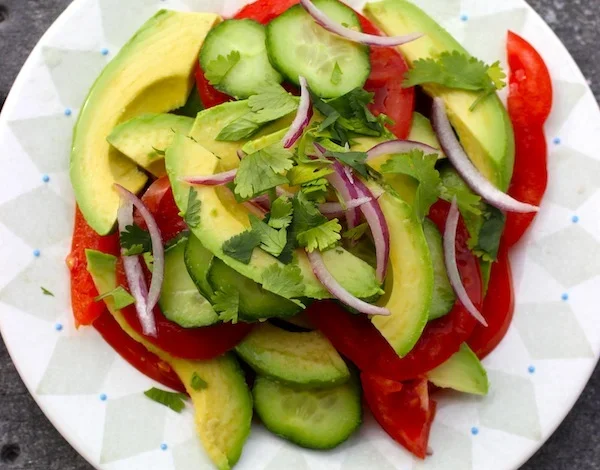
Recent health surveys from the Colombian Ministry of Health indicate that while these traditional sides are culturally indispensable, there is a growing dialogue regarding portion control and the use of healthier fats. Despite this, the economic data from the restaurant sector shows that demand for traditional sides remains inelastic; even as consumer preferences shift toward healthier lifestyles, the cultural demand for authentic accompaniments like ensalada de aguacate (avocado salad) continues to grow.

Regional Variations and Cultural Significance
The Arroz con Coco Titote is a prime example of the Caribbean influence, utilizing the toasted coconut residue known as "titote" to impart a deep, nutty flavor. This differs significantly from the Arroz Blanco found in the interior, which is meant to be a neutral base. The presence of these variations allows for a localized dining experience that reinforces regional pride.
Furthermore, the Ensalada Rusa (Russian Salad) provides a window into the global migration patterns that influenced Colombian foodways. Introduced via European immigrants, the dish was adapted to include local ingredients, eventually losing its foreign identity to become a staple at family gatherings and holiday meals throughout the country.

Economic and Culinary Implications
The persistence of these ten dishes—Tajadas de Maduro, Patacones, Arroz con Coco, Arroz Blanco, Yuca Frita, Papas Chorreadas, Papa Salada, Ensalada Rusa, Plátanos Asados con Queso, and Ensalada de Tomate y Aguacate—has broader implications for the hospitality industry.
For the restaurateur, these items are high-margin, low-cost additions that satisfy the customer’s expectation of a "complete" meal. From a logistical perspective, the reliance on these ingredients allows for supply chain stability, as plantains and tubers are grown domestically year-round. The "must-try" status of these dishes serves as a barrier to entry for international chains that fail to incorporate these local staples, as the Colombian consumer maintains a strong preference for traditional accompaniments over mass-market fries or generic salads.

Conclusion: A Legacy on the Plate
The significance of these side dishes extends beyond the palate. They are historical markers that track the evolution of Colombian society. Whether it is the simplicity of a salted potato served at an asado or the complexity of a coconut-infused rice dish from the coast, these sides serve as the connective tissue between generations.
As the culinary world continues to globalize, the preservation of these specific preparations is essential for maintaining the integrity of Colombian gastronomy. They represent a commitment to the foundational elements of the cuisine—the soil, the labor, and the history of a nation that values the art of the side dish as much as the main course itself. Through the diligent practice of these recipes, the culinary heritage of Colombia remains accessible, ensuring that these traditions continue to define the country’s future dining landscape.