Mastering the 30-Minute Shacha Chicken Stir-Fry: A Culinary Deep Dive into a Pantry Staple

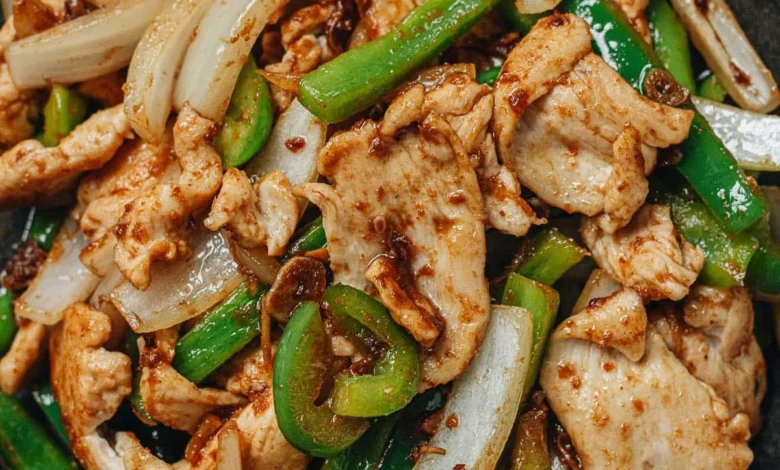
The global culinary landscape is constantly evolving, yet certain traditional pantry staples remain indispensable for home cooks seeking efficient, deeply complex flavor profiles without the labor-intensive preparation typical of heritage cooking. Among these versatile ingredients is shacha sauce, a savory Chinese barbecue paste that has transitioned from regional specialty to a celebrated global flavor enhancer. Recent culinary trends highlight an increasing demand for rapid weeknight meals that do not compromise on authenticity or depth, positioning the shacha chicken stir-fry as a significant focal point in contemporary home cooking.
Understanding the Cultural and Historical Roots of Shacha Sauce

To fully appreciate the culinary mechanics of a shacha chicken stir-fry, one must examine the rich history and unique composition of shacha sauce itself. Often referred to colloquially as Chinese barbecue sauce, shacha has roots that trace back to the satay sauces of Southeast Asia. During periods of historical migration and maritime trade, Chinese communities—particularly those originating from the Chaoshan region in Guangdong province—encountered these peanut- and spice-based pastes.
Adapting the foreign recipes to local tastes and available ingredients, Chaoshan artisans replaced or augmented the foundational elements with indigenous flavor profiles. They incorporated a robust blend of garlic, shallots, chili peppers, and crucially, dried seafood such as brill fish and dried shrimp. This inclusion of marine umami elements fundamentally separated shacha from its Southeast Asian ancestors, creating a savory, slightly sweet, and intensely aromatic paste.
Over the decades, the sauce migrated further, gaining immense popularity in Taiwanese cuisine, where it became a cornerstone for everything from communal hot pot dipping sauces to rapid wok-tossed stir-fries. Culinary historians note that the sauce’s ability to encapsulate multiple flavor profiles—salty, sweet, umami, and mildly spicy—in a single jar revolutionized how households approach seasoning.
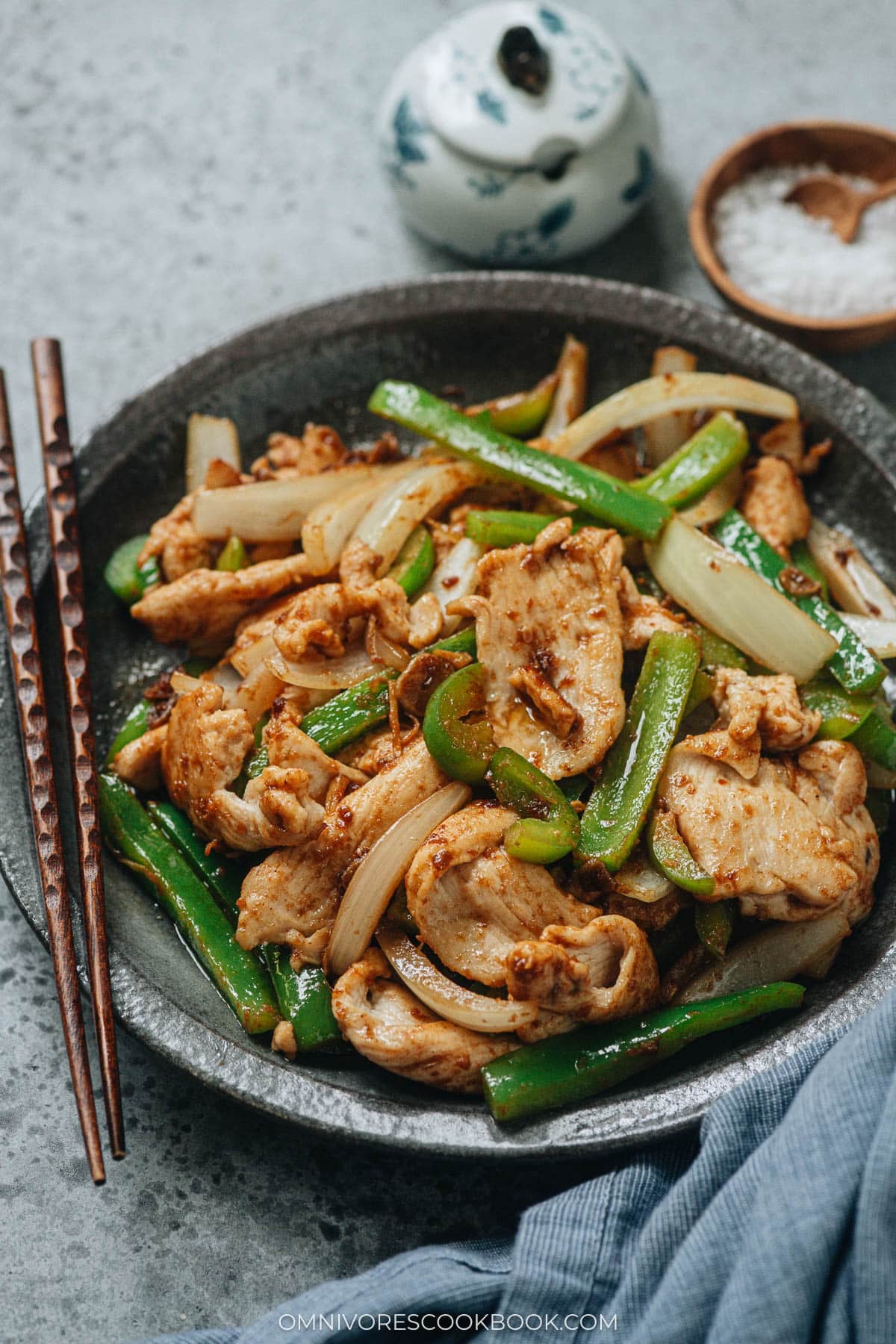
Anatomical Breakdown of the Recipe: Ingredients and Selection
Achieving restaurant-quality results in a home kitchen requires careful ingredient selection and preparation. The shacha chicken stir-fry relies on a deliberate triad of components: the protein and its marinade, the cohesive sauce mixture, and the crisp aromatics and vegetables.
Protein Selection and Marinade Science
The primary protein for this dish is traditionally boneless, skinless chicken breast due to its ability to absorb flavors rapidly and cook evenly within minutes. However, culinary flexibility allows for the substitution of boneless, skinless chicken thighs for those favoring a higher fat content and inherently juicier texture.
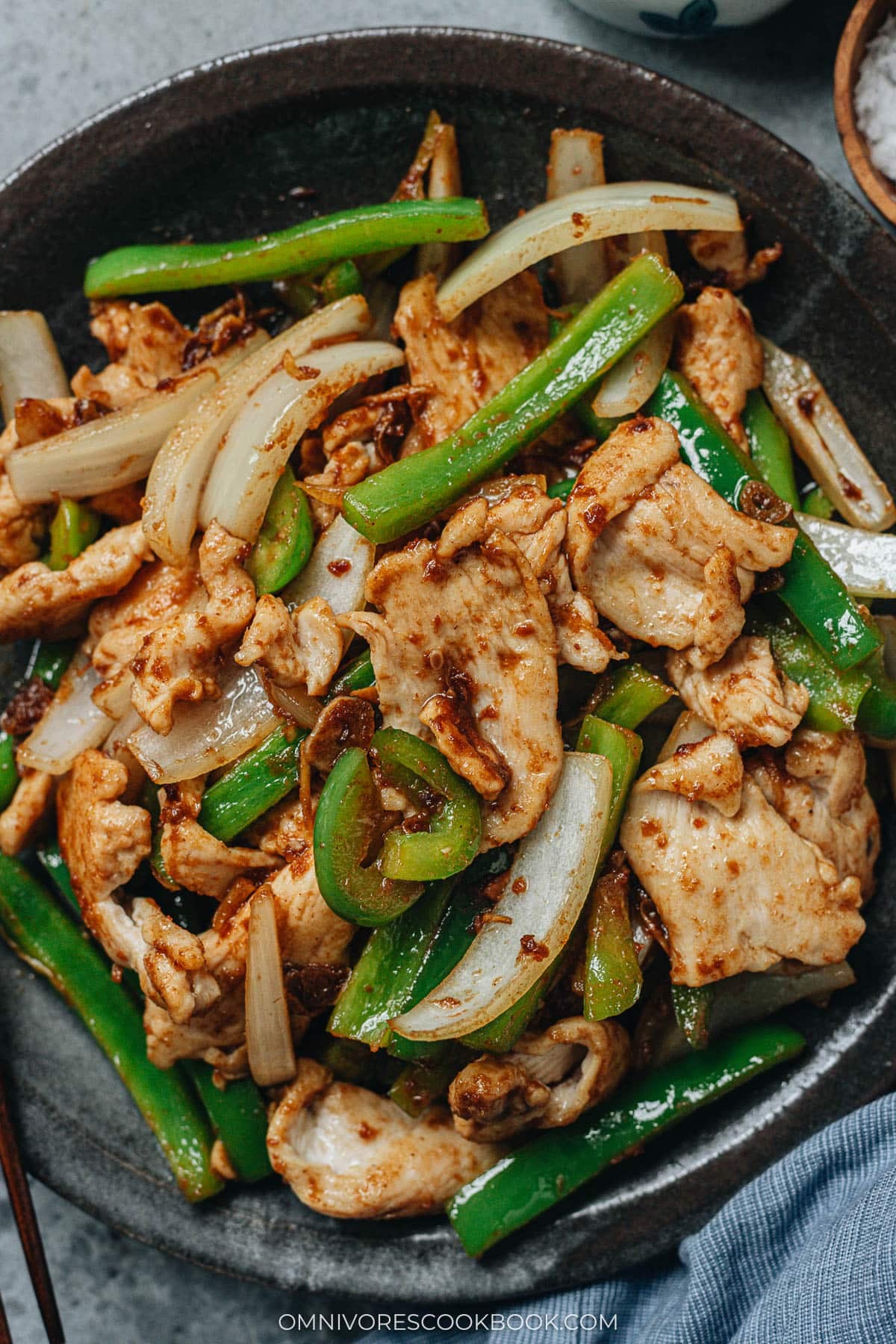
Regardless of the cut chosen, the preparation begins with a brief chemical and physical tenderization process, known in Chinese cooking as velveting or marinating. The chicken is sliced against the grain to shorten the muscle fibers, ensuring a tender bite. It is then coated in Shaoxing wine—a traditional rice wine that neutralizes any gaminess while adding a subtle, nutty complexity—alongside a pinch of salt and a small amount of cornstarch. The cornstarch acts as a moisture barrier, sealing the juices inside the meat during the high-heat searing process.
The Flavor Vehicle: The Shacha Sauce Mix
The core identity of the dish is carried by the sauce mixture. Standard preparation involves combining the concentrated shacha paste with light soy sauce, a touch of sugar to balance the inherent salinity and marine funk of the dried seafood, and a final drop of sesame oil to elevate the aromatics. This blend is integrated directly into the skillet during the cooking sequence rather than added at the very end, allowing the sugars and fats within the paste to caramelize slightly against the hot metal surface.
Aromatics, Vegetables, and Lipids
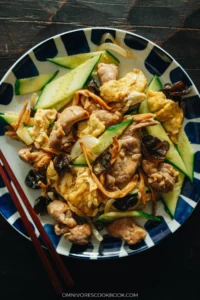
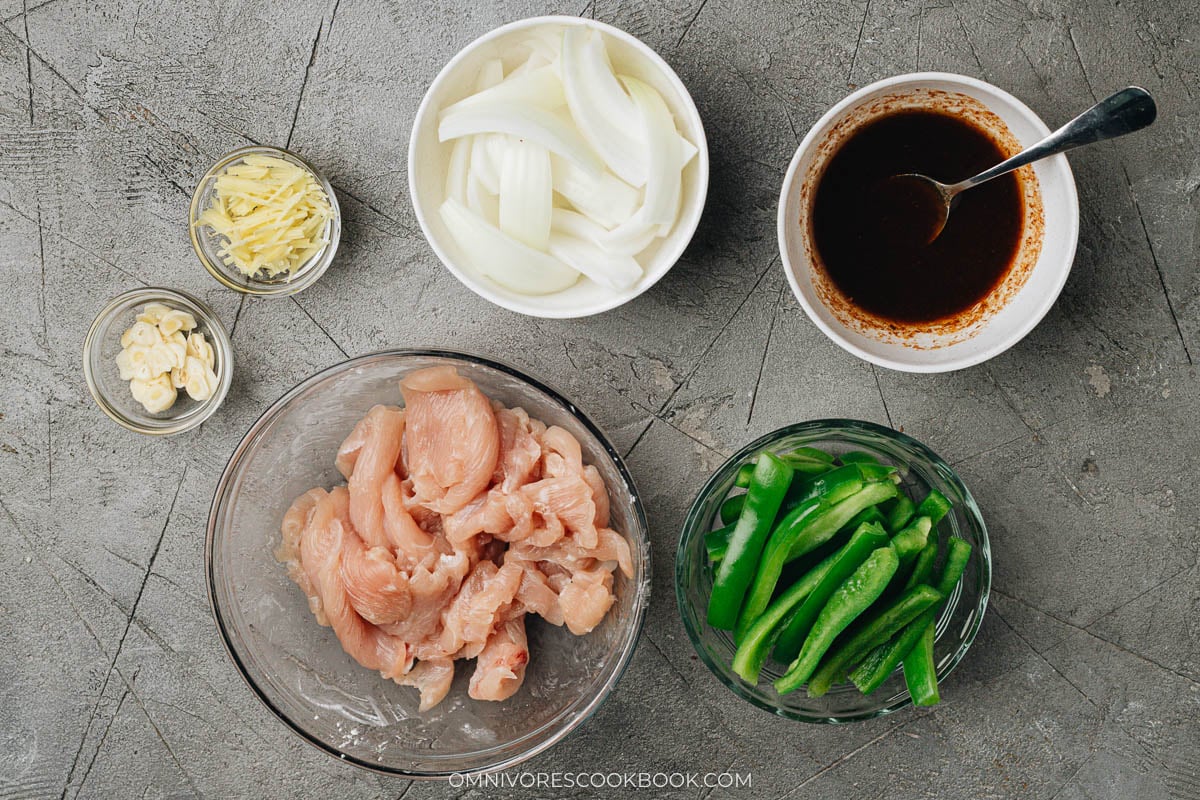
The supporting cast of the dish includes thinly sliced garlic, julienned ginger, white onion, and bell pepper. Unlike minced ginger, which can easily burn or overpower delicate dishes, julienned ginger softens during the rapid cooking phase, imparting a clean, warming heat. The structural integrity of the vegetables is maintained by introducing them to the pan for only a brief period, preserving their crispness and natural sweetness. For the cooking fat, culinary experts recommend peanut oil due to its exceptionally high smoke point and neutral-yet-complementary nutty profile, though standard vegetable oil serves as an adequate alternative.
Step-by-Step Chronology of Preparation
Executing a successful 30-minute stir-fry requires precise timing and organization, often referred to in professional kitchens as mise en place. The preparation follows a strict chronological sequence to prevent overcooking and ensure optimal textural contrast.
Phase One: Preparation and Marination (Minutes 1–10)
The process begins by slicing the chicken breast thinly against the grain. The meat is combined in a medium bowl with Shaoxing rice wine, a measured pinch of salt, and cornstarch. Thorough mixing ensures every piece is evenly coated. While the chicken rests to absorb the marinade, the sauce mixture is whisked together in a separate small vessel, combining the shacha paste, light soy sauce, sugar, and sesame oil until a uniform consistency is achieved. Simultaneously, the aromatics (garlic and ginger) and vegetables (onions and bell peppers) are sliced and staged near the cooking station.
Phase Two: The High-Heat Sear (Minutes 11–15)
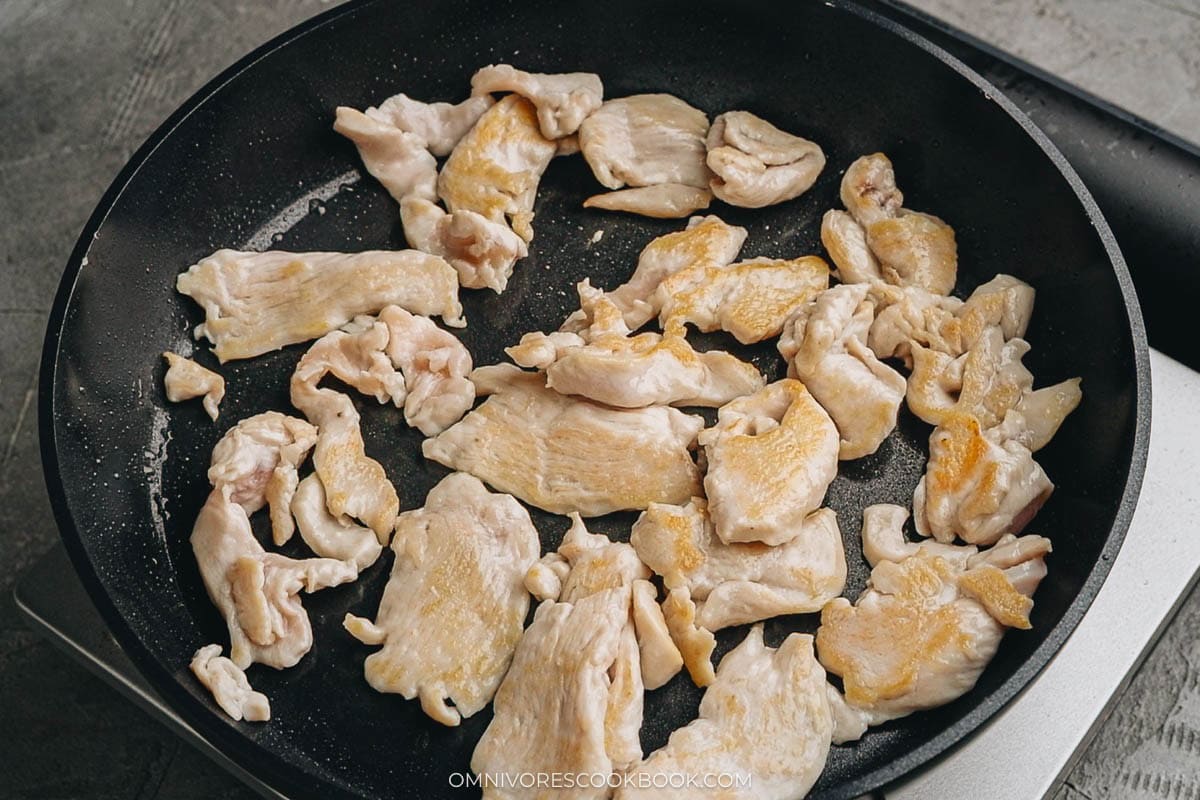
A large skillet or wok is placed over medium-high heat and allowed to preheat thoroughly before any fat is introduced. Once the cooking oil is added and begins to shimmer, the marinated chicken is distributed across the surface in a single, non-overlapping layer. This specific technique prevents the meat from overcrowding the pan, which would otherwise release moisture and cause the chicken to steam rather than sear. The pieces are cooked undisturbed until a light, caramelized char develops on the bottom, after which they are flipped briefly before being removed and set aside on a clean plate.
Phase Three: Sauce Activation and Vegetable Integration (Minutes 16–25)
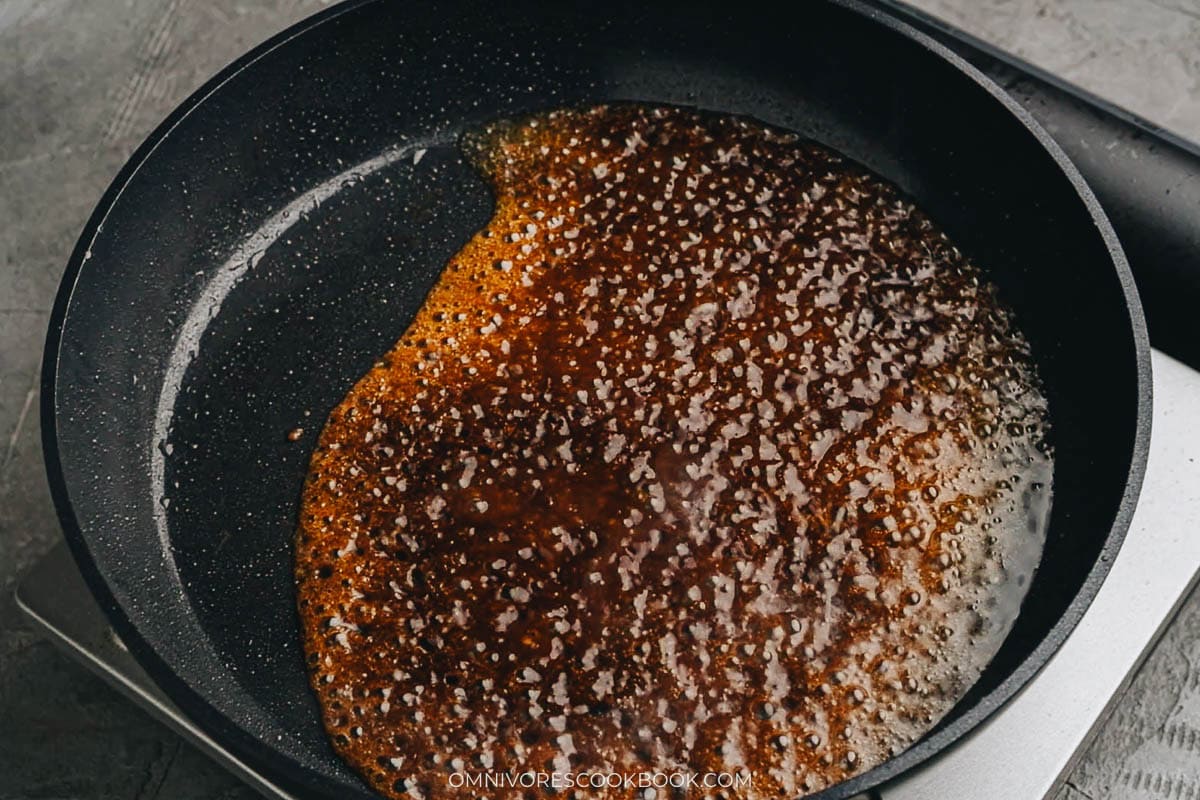
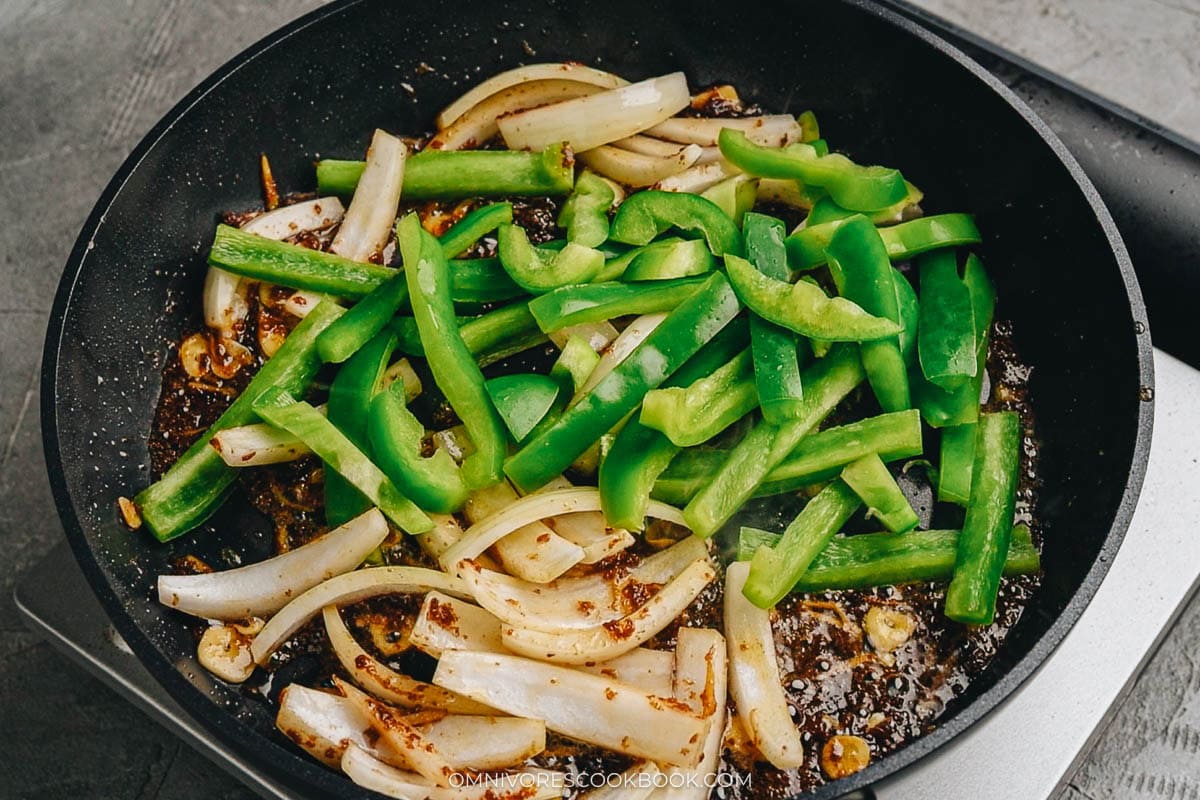
Utilizing the residual oils and fond left in the skillet from the chicken, the prepared shacha sauce mix is poured directly into the hot pan, immediately followed by the sliced garlic and julienned ginger. This step activates the fat-soluble compounds in the spices, cooking them for approximately one minute until intensely aromatic. The white onions and bell peppers are then introduced to the skillet. Continuous stirring for roughly sixty seconds ensures the vegetables are coated in the rich paste while retaining their crisp texture and vibrant color.
Phase Four: Final Assembly and Plating (Minutes 26–30)
The previously seared chicken, along with any accumulated resting juices, is returned to the skillet. All elements are tossed vigorously together until the sauce coats every component uniformly and the chicken is heated through. The finished dish is transferred immediately to a serving platter and presented alongside freshly steamed white rice.
Expert Culinary Tips for Optimization
Professional execution of this recipe relies on adherence to several foundational culinary principles. First, slicing against the grain is non-negotiable when working with lean poultry; failure to do so results in a stringy, difficult-to-chew texture. Second, thermal management of the cooking vessel dictates the success of the sear. Introducing protein to a lukewarm pan guarantees moisture loss and a gray, unappealing aesthetic.
Furthermore, because commercial brands of shacha sauce vary significantly in their sodium levels and ingredient ratios—some leaning sweeter while others emphasize dried fish—cooks are advised to calibrate the final seasoning profile just before plating. A minor adjustment using water to dilute excessive saltiness or additional soy sauce to enhance depth ensures consistency across different product varieties.
Broader Culinary Implications and Weeknight Adaptation
The enduring popularity of recipes like the shacha chicken stir-fry reflects a broader shift in modern domestic cooking habits. Consumers increasingly seek out ethnic flavor profiles that can be replicated efficiently using readily available commercial condiments. By bridging the gap between complex traditional ingredients and the fast-paced demands of contemporary schedules, dishes utilizing multi-faceted sauces like shacha empower home cooks to explore global cuisines without requiring extensive culinary training or a sprawling spice cabinet. As international grocery aisles expand and consumer palates become more adventurous, the integration of regional Chinese pastes into everyday Western home cooking represents a permanent and flavorful evolution of modern gastronomy.