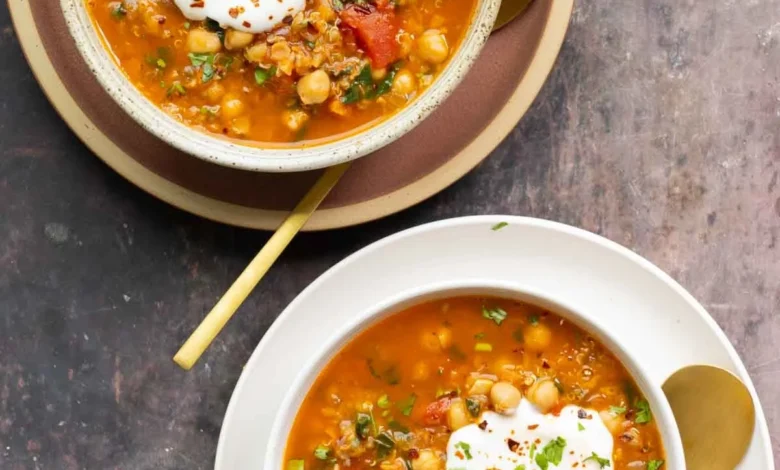
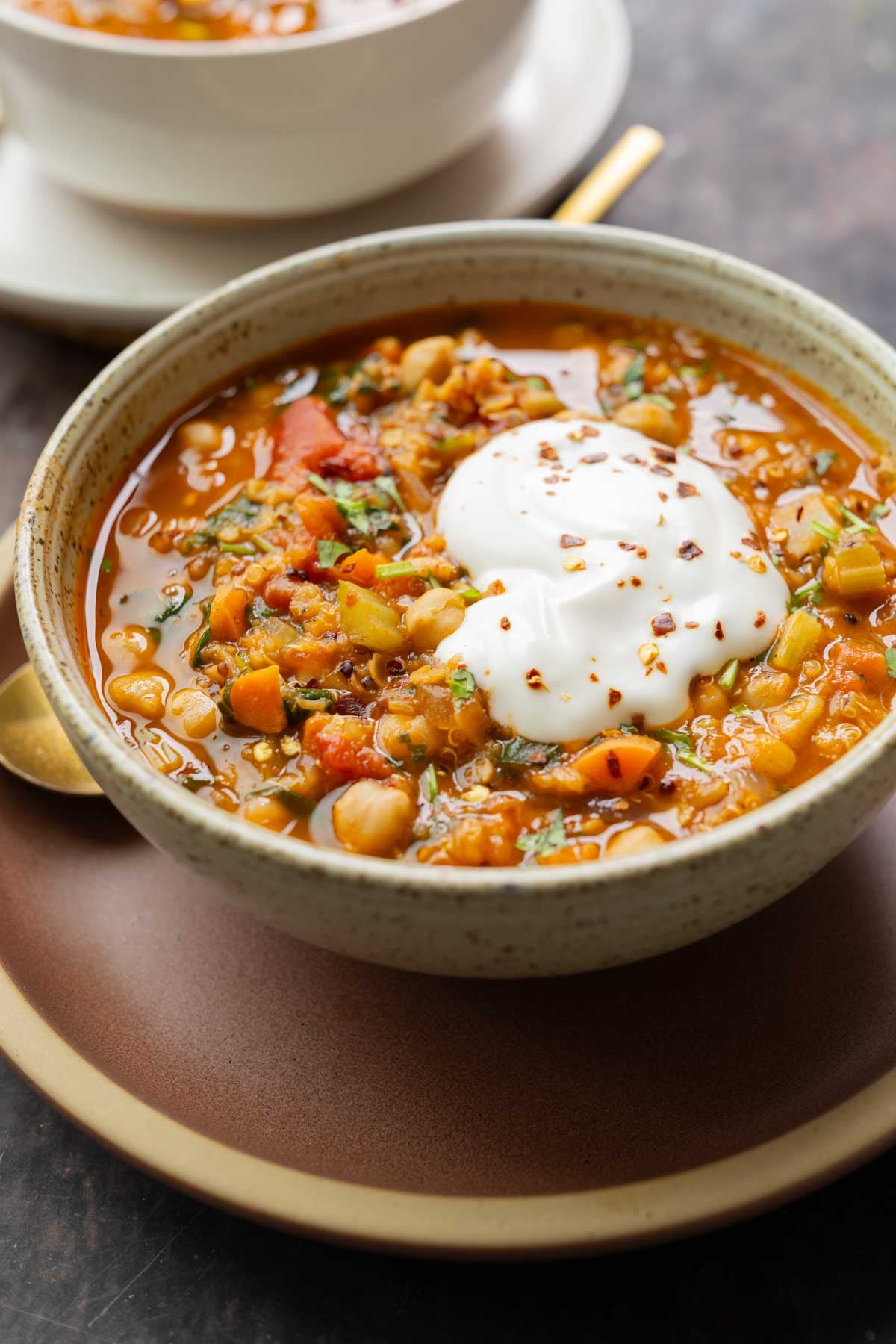
The culinary traditions of North Africa, specifically Morocco, are defined by a complex interplay of spices, legumes, and grains that have sustained populations for centuries. Among these, harira stands as the most iconic dish, a traditional soup that serves as a cornerstone of the Moroccan diet. Recently, modern culinary adaptations have sought to modernize this classic recipe by integrating nutrient-dense staples such as chickpeas, red lentils, and quinoa into a single-pot preparation that emphasizes both efficiency and nutritional density. This shift toward "pantry-staple cooking" reflects a growing global trend in food consumption that prioritizes budget-friendly, sustainable, and highly accessible ingredients without compromising traditional flavor profiles.
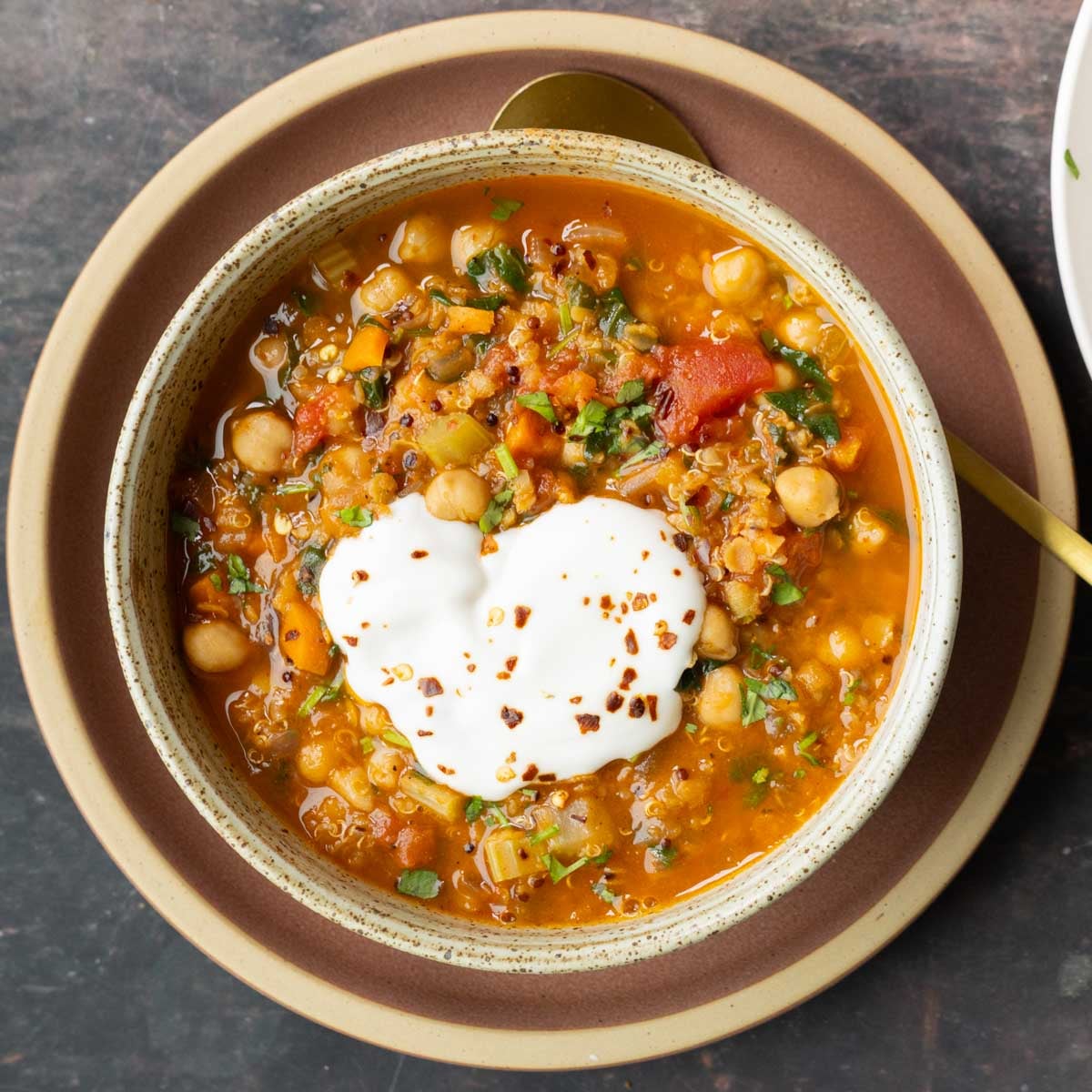
The evolution of harira from a ceremonial, time-intensive dish to a streamlined, 30-minute meal represents a significant change in how home cooks approach international heritage recipes. Historically, harira was often associated with the breaking of the fast during Ramadan, a period requiring meals that provide sustained energy and high fiber content. By utilizing red lentils—which break down to create a natural, creamy texture—and pairing them with the structural integrity of chickpeas and the protein-rich profile of quinoa, modern versions of this soup achieve a nutritional balance that exceeds that of traditional recipes relying solely on pasta or flour-based thickeners.
Nutritional Profile and Dietary Implications
Data provided by nutritional analyses of this specific one-pot preparation indicate a significant contribution to daily dietary requirements. A single serving contains approximately 21 grams of protein and 21 grams of dietary fiber, alongside 8 milligrams of iron. These figures are particularly noteworthy in the context of plant-based diets, which often face challenges regarding the bioavailability of iron and the density of protein intake.
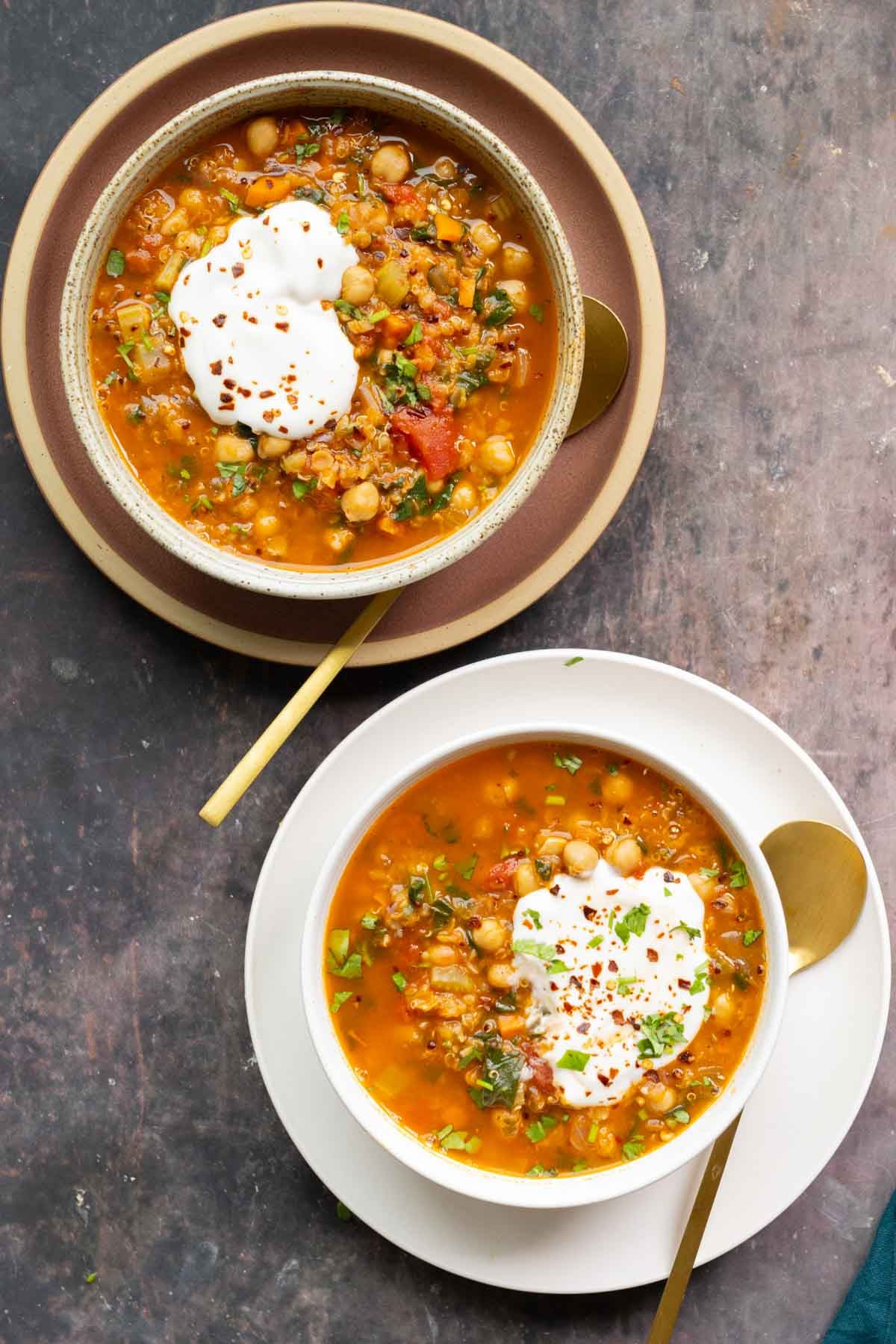
The inclusion of quinoa as a structural grain provides a complete amino acid profile, a factor that differentiates this recipe from more traditional versions that might use white flour or refined noodles as a thickening agent. Furthermore, the reliance on legumes—specifically lentils and chickpeas—aligns with recommendations from international health organizations, such as the World Health Organization (WHO) and the Food and Agriculture Organization (FAO), which have consistently highlighted the role of pulses in promoting heart health, managing blood glucose levels, and reducing the environmental footprint of global food systems.
A Chronology of the Preparation Process
The methodology for crafting this iteration of harira is designed for efficiency, moving away from the traditional multi-stage cooking processes. The preparation is effectively divided into four distinct phases:
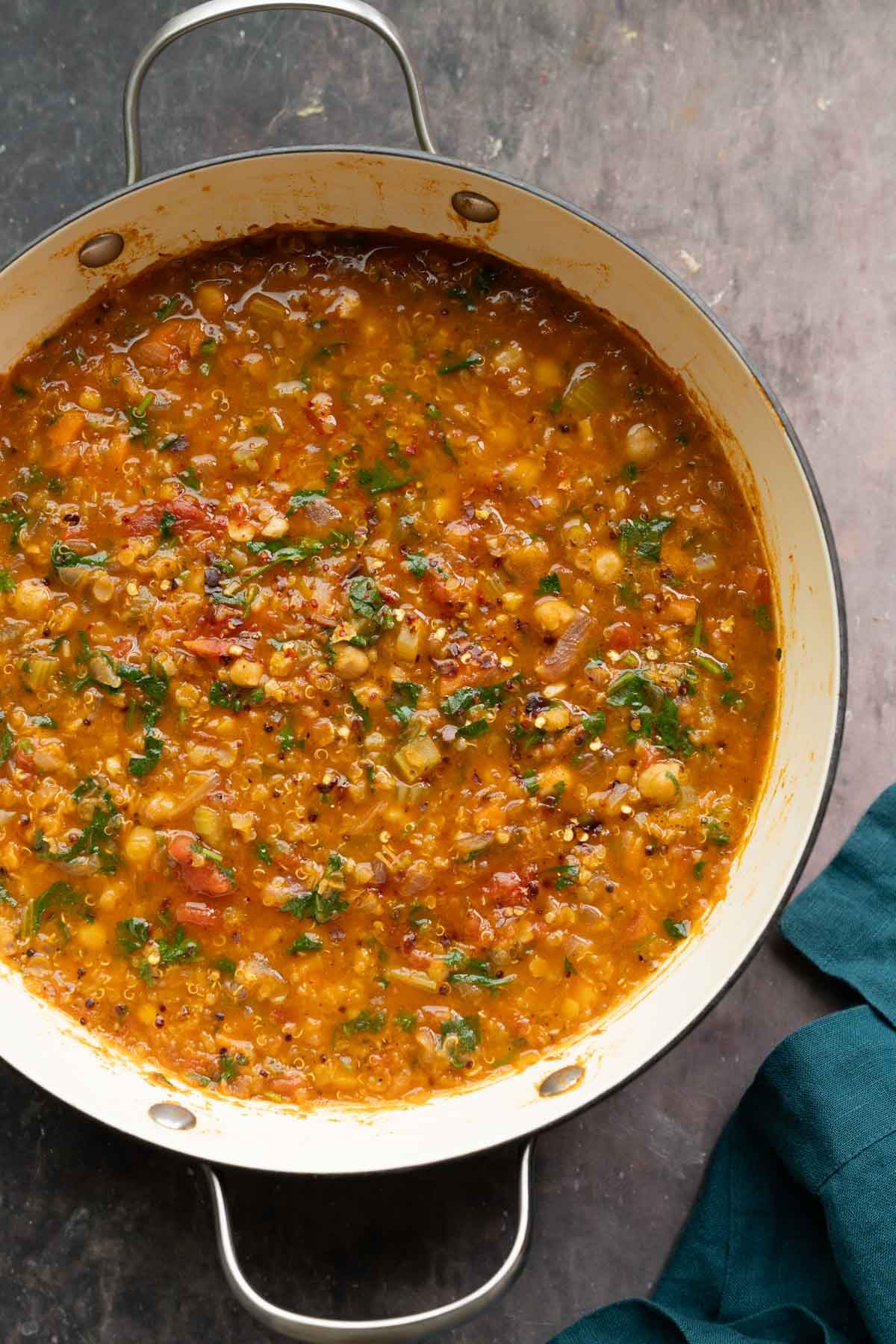
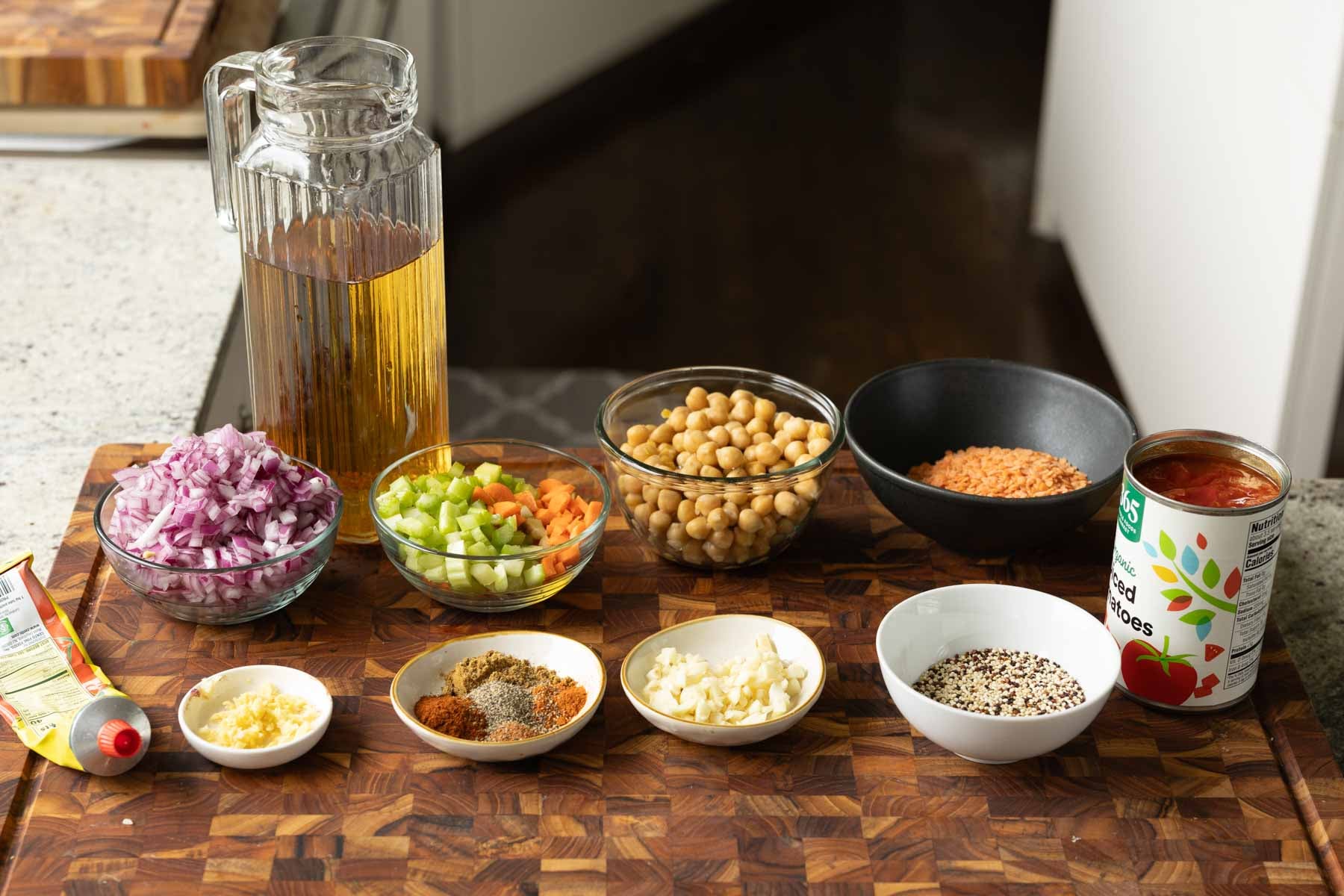
- Aromatic Foundation (0–8 minutes): The process begins by lightly heating garlic in a base medium, such as oil or a small amount of vegetable stock for those seeking an oil-free alternative. The introduction of onions, carrots, and celery creates a mirepoix-style base that provides the foundational aromatics essential to Moroccan cuisine.
- Spice Integration (8–15 minutes): The application of heat to tomato paste, ginger, and a curated blend of spices—often including cumin, turmeric, and paprika—is a critical step known as "blooming." This process releases the fat-soluble compounds in the spices, significantly enhancing the depth of the soup’s flavor profile before the liquid base is added.
- Simmering and Texture Development (15–45 minutes): The addition of chickpeas, red lentils, and quinoa along with a vegetable-based stock allows for a simultaneous cooking process. Because red lentils have a shorter cooking time than green or brown varieties, they act as both a source of protein and a natural thickening agent, creating the signature velvety consistency of harira without the need for additional starches.
- Finishing and Balancing (45–50 minutes): The final phase involves the incorporation of fresh herbs—cilantro and spinach—and the addition of acid, typically lemon juice. The acidity serves to brighten the earthy notes of the legumes and balance the salt content, a common technique in North African cooking to elevate the flavor of pulses.
Economic and Sustainability Considerations
From an economic perspective, this dish serves as a model for cost-effective meal planning. With an estimated total cost of $6.50 to $7.00 for the entire pot, the recipe is optimized for affordability. The reliance on dried or canned legumes and pantry-staple grains mitigates the volatility of food prices associated with fresh produce, which can vary significantly by season and location.
Furthermore, the recipe’s adaptability—being naturally gluten-free, soy-free, and nut-free—addresses the increasing demand for inclusive dietary options. By removing animal-derived ingredients and relying on plant-based fats or omitting them entirely, the environmental impact of the meal is substantially lowered compared to traditional recipes that incorporate meat broths or dairy-based thickeners.
Industry and Expert Perspectives
Culinary historians note that the versatility of harira is its primary strength. While there are regional variations throughout Morocco—ranging from the inclusion of lamb or beef in some coastal cities to purely vegetable-forward versions in rural mountainous regions—the core components remain the same.
"The beauty of a dish like harira is its ability to absorb the culture of the person cooking it," says one culinary analyst. "By utilizing modern, high-protein grains like quinoa, the dish moves from being a simple soup to a complete nutritional powerhouse. It is a perfect example of how global cuisines are evolving to meet the demands of modern, health-conscious consumers who still desire the comfort of heritage cooking."
Broader Impact and Future Trends
The rise of one-pot, plant-based recipes is not merely a passing trend but a response to the "time-poverty" currently faced by many urban households. As professional and personal schedules become increasingly compressed, the demand for "low-touch" cooking methods—where the vessel does the majority of the work—has surged.
The successful integration of these nutritional benchmarks into a 30-minute preparation window suggests that future food development will continue to focus on "nutrient-dense convenience." This implies a shift where home cooks are no longer forced to choose between the nutritional value of a home-cooked meal and the time-saving convenience of pre-packaged goods.
Moreover, the emphasis on shelf-stable ingredients like lentils and chickpeas reflects a broader move toward long-term food security. In an era of global supply chain uncertainty, the ability to produce a calorie-dense, protein-rich meal from a pantry shelf is an increasingly valuable skill. As these recipes circulate within the digital ecosystem, they reinforce the viability of plant-forward diets as a mainstream standard rather than a niche preference.
Ultimately, the modernization of Moroccan harira serves as a bridge between the historical importance of the dish as a communal, nourishing staple and the future of sustainable, efficient, and health-focused home cooking. Through the careful selection of ingredients and the simplification of technique, this ancient recipe remains as relevant today as it has been for generations, proving that the most enduring meals are those that can adapt to the changing needs of the world while retaining their fundamental identity.