Dave’s Hot Chicken Goes XL with New Slider Packing 50 Grams of Protein

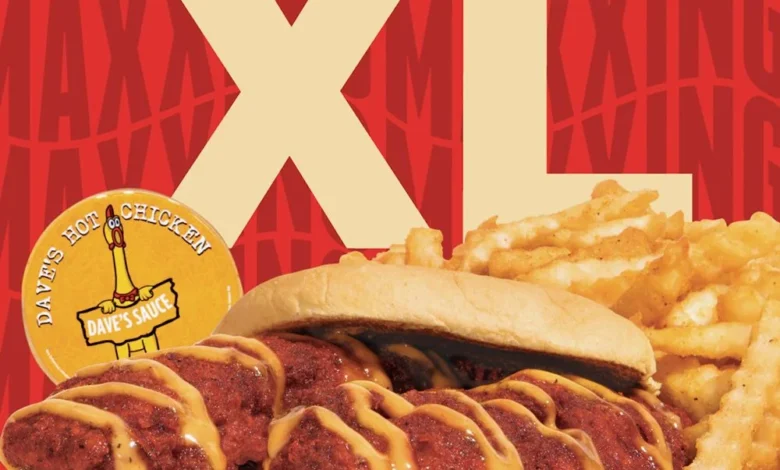
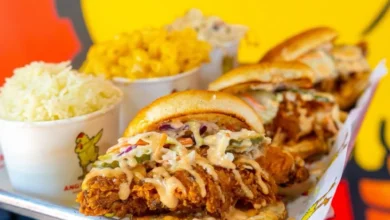
The quick-service restaurant industry is witnessing a significant shift toward high-protein menu innovation, and Dave’s Hot Chicken is leading this trend with the launch of its new XL Slider. Available nationwide for a limited time, this menu expansion represents a departure from the brand’s standard slider format, featuring a larger bun designed to accommodate two full-sized chicken tenders. By incorporating 50 grams of protein into a single handheld offering, the company is positioning itself to capture a larger share of the "heavy hitter" demographic—customers seeking substantial, high-satiety meals that align with modern fitness-conscious eating habits.
The Evolution of a Hot Chicken Phenomenon
The trajectory of Dave’s Hot Chicken from a makeshift parking lot operation to a global powerhouse is a foundational element of the company’s brand identity. Founded in 2017 in East Hollywood, the concept was born from the collaboration of Chef Dave Kopushyan, Arman Oganesyan, and Tommy Rubenyan. With a starting capital of just $900, the trio utilized portable fryers and folding tables to establish a cult following. This grassroots beginning, centered on a singular focus of perfecting Nashville-style hot chicken, allowed the brand to iterate its menu rapidly based on direct consumer feedback.
By 2019, the brand had moved beyond its pop-up roots into a brick-and-mortar location. This period marked a critical inflection point, as the founders partnered with Bill Phelps, the former CEO and co-founder of Wetzel’s Pretzels, to develop a scalable franchise model. This strategic move enabled the brand to leverage institutional knowledge in franchising, rapidly expanding its footprint while maintaining the quality standards that defined its initial success. The subsequent involvement of high-profile investors, including entertainer Drake, further accelerated brand recognition, turning a local favorite into a household name with international appeal.
Anatomy of the XL Slider: Design and Nutritional Profile
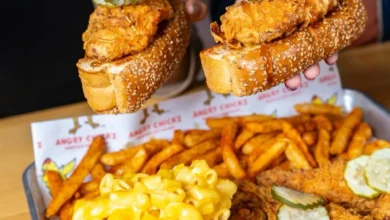
The XL Slider is not merely a scaling up of the original menu item; it represents a reconfiguration of the brand’s core product architecture. Standard sliders typically feature a single tender, but the XL iteration utilizes a custom-sized bun to hold two tenders side-by-side. This design choice is intended to address customer demand for higher protein content and a more substantial meal format.
From a nutritional standpoint, the inclusion of 50 grams of protein is a deliberate strategic choice. According to recent industry trends in the quick-service sector, consumers are increasingly prioritizing protein density. By highlighting this metric in their marketing, Dave’s Hot Chicken is appealing to a demographic that views fast food not just as a quick meal, but as a fuel source. The inclusion of the brand’s signature kale slaw and pickles serves to balance the heat of the chicken, maintaining the flavor profile that has become synonymous with the "Dave’s" name.
Chronological Expansion and Franchise Growth
The company’s growth has been defined by aggressive, yet controlled, scaling. Since the inception of the franchise model in 2019, the company has sold the rights to over 1,500 locations. This growth is not confined to the domestic United States; the brand has successfully entered markets in Canada, the Middle East, and Europe.
The following timeline highlights the brand’s rapid ascension:

- 2017: The brand is founded in an East Hollywood parking lot by childhood friends.
- 2019: The company pivots to a franchise model with the assistance of industry veteran Bill Phelps.
- 2021: The brand experiences a massive influx of interest, aided by strategic celebrity partnerships and social media virality.
- 2023-2024: The company sustains a pace of opening over 100 locations annually.
- 2026: The launch of the XL Slider marks the brand’s focus on menu diversification and premiumization to maintain market relevance.
With more than 150 new locations slated to open in the current fiscal year alone, the introduction of limited-time offerings like the XL Slider serves a dual purpose: it generates immediate foot traffic and provides the corporate team with data on consumer preferences for larger, more expensive menu items.
Executive Perspective on Menu Strategy
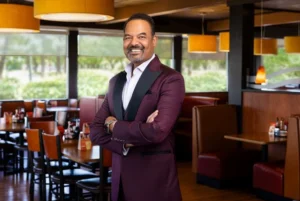
Jim Bitticks, CEO of Dave’s Hot Chicken, has characterized the XL Slider as a response to the evolving needs of the brand’s customer base. In an official statement, Bitticks noted that the goal was to provide "big flavor" in an "extra-large" format. By emphasizing the retention of the brand’s signature elements—the sauce, the spice levels, and the slaw—while simply increasing the volume, the company aims to minimize the risk associated with menu changes.
Industry analysts suggest that this strategy is common among successful quick-service chains. When a brand has a high-performing "hero" product, radical changes can be alienating. Instead, "stretching" the product—maintaining the core identity while adjusting the portion size—allows the company to increase the average check size without alienating the existing customer base.
Broader Economic and Industry Implications
The quick-service restaurant (QSR) sector is currently facing headwinds, including rising labor costs and fluctuating commodity prices for poultry. The introduction of a "premium" slider, which commands a higher price point than the standard version, helps the company offset these inflationary pressures. By framing the product as a "protein-packed" meal, the brand justifies the price point to the consumer, who perceives the added value in terms of nutritional content.
Furthermore, the "limited time offer" (LTO) strategy remains one of the most effective tools in the QSR arsenal. LTOs create artificial scarcity, which drives consumer urgency. For a brand like Dave’s, which relies heavily on a digital-first community of over seven million followers, an LTO acts as a catalyst for social media engagement. Fans are incentivized to share their experience with the product, effectively providing the brand with organic, user-generated marketing that traditional advertising cannot replicate.
Market Analysis: The Future of Hot Chicken
The "hot chicken" category has seen a saturation of competition over the last five years. As the market matures, winners are increasingly determined by operational efficiency and the ability to pivot menu offerings without losing brand identity. Dave’s Hot Chicken’s ability to scale to over 1,500 locations suggests a robust supply chain and a consistent training program for franchisees.
Looking ahead, the success of the XL Slider will likely dictate future menu development. If the product performs well, the company may consider adding it to the permanent menu or using it as a template for other "XL" versions of existing products. The reliance on simple, consistent ingredients—chicken, bread, pickles, slaw, and sauce—has been the bedrock of the brand’s success. By doubling down on this simplicity, the company minimizes the complexity of kitchen operations, which is essential for maintaining service speed in a high-volume environment.
Conclusion
The launch of the XL Slider is a calculated move that reflects both the history and the future of Dave’s Hot Chicken. By staying true to the principles that propelled it from a parking lot pop-up to a global enterprise—craveability, simplicity, and a strong brand voice—the company continues to find ways to engage its audience. As the brand enters a new phase of expansion, the XL Slider serves as a reminder that even the most successful concepts must continue to innovate to maintain their momentum. Whether this product becomes a long-term staple or remains a limited-time attraction, it underscores the brand’s commitment to evolving alongside its customers while keeping the core "Dave’s" experience intact. For fans looking to experience the latest iteration, the slider is currently available across the nationwide footprint, inviting both long-time patrons and newcomers to sample a larger version of the phenomenon that began with just $900 and a dream.