Corn Casserole Is A Staple Side Dish That Defines The Traditional Thanksgiving Experience

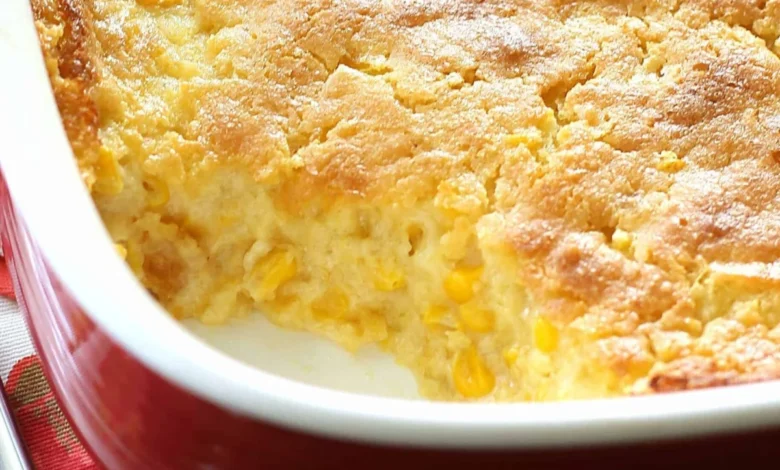
The enduring presence of corn casserole on the American Thanksgiving dinner table represents a fascinating intersection of culinary history, regional identity, and the evolving standards of holiday comfort food. Often referred to by various monikers—including corn pudding, spoon bread, or corn soufflé—this dish has transcended its humble, ingredient-efficient origins to become one of the most highly anticipated side dishes in the United States. As holiday food trends shift toward health-conscious alternatives, the persistence of the classic, calorie-rich corn casserole serves as a testament to the cultural significance of tradition during seasonal festivities.
The Evolution of the Corn Casserole
While the exact origins of corn casserole remain difficult to pinpoint, the dish is firmly rooted in the Southern United States’ culinary traditions. Early iterations of the dish were born from the necessity of utilizing corn—a crop native to the Americas—in various textures and forms. Historically, "spoon bread" was a staple in Southern kitchens, characterized by its soft, custard-like consistency that required a spoon for serving.
By the mid-20th century, the introduction of processed convenience goods, such as pre-mixed cornbread bases and canned creamed corn, simplified the preparation process. This shift enabled the dish to move from a labor-intensive kitchen project to a "quick-prep" staple suitable for large holiday gatherings. The modern iteration, frequently associated with the "Jiffy" corn muffin mix, reflects a mid-century pivot toward home convenience, effectively standardizing the flavor profile that millions of Americans recognize today.

Nutritional Context and Cultural Debate
The current discourse surrounding holiday nutrition often centers on the "health-ification" of traditional recipes. In recent years, culinary platforms have seen a surge in requests for "skinny" versions of classic Thanksgiving sides, including sweet potato casseroles and mashed potatoes. Despite this trend, data regarding holiday consumption patterns suggest that the demand for high-caloric, traditional comfort foods remains largely unaffected.
From a nutritional standpoint, a standard serving of traditional corn casserole contains approximately 316 kilocalories, with a significant portion derived from fats and carbohydrates. Proponents of the classic recipe argue that the social and psychological benefits of maintaining holiday traditions outweigh the focus on caloric intake for a single day. Nutritionists often categorize such dishes as "cultural anchors," noting that the communal act of sharing caloric, traditional foods plays a vital role in the social fabric of family gatherings.
Preparation and Culinary Techniques
The classic corn casserole is technically defined by its texture, which sits somewhere between a dense cornbread and a light, airy soufflé. The standard preparation involves a blend of whole-kernel sweet corn, creamed corn, a dry cornbread base, and often butter or sour cream to provide moisture.
Technological advancements in kitchen appliances and the widespread availability of online cooking tutorials have further standardized the preparation of this dish. Key techniques, such as the "jiggle test"—where a chef assesses the structural integrity of the center of the casserole to ensure it is set—have become industry standards for home cooks. Furthermore, the ability to prepare the dish up to three days in advance or freeze it for up to three months allows for logistical efficiency during the high-stress period of Thanksgiving preparations.

Supporting Data and Consumer Trends
Market research into holiday food consumption indicates that side dishes account for nearly 60% of the effort in a typical Thanksgiving meal. Among these, corn-based sides are consistently ranked in the top five most popular categories. Retail data from the late autumn season show a significant uptick in the sales of canned corn, creamed corn, and pre-packaged corn muffin mixes, peaking during the week of Thanksgiving.
This surge in demand is indicative of the "set-and-forget" appeal of the casserole. For large gatherings, the ability to scale the recipe—often by moving from an 8-inch square pan to a 9×13-inch baking dish—makes it a practical choice for hosts managing multiple courses. Culinary experts note that the dish’s ability to retain its flavor and texture at room temperature further enhances its value as a reliable addition to a buffet-style spread.
Institutional Perspectives on Holiday Dining
Food historians and cultural sociologists have often remarked on the "resistance to change" regarding Thanksgiving menus. While innovation is encouraged in everyday cooking, the Thanksgiving table is frequently treated as an immutable collection of specific dishes. The refusal of many families to alter the corn casserole recipe—even when presented with egg-free or gluten-free alternatives—highlights the emotional weight assigned to food memories.
When asked about the potential for modifying these vintage recipes, culinary professionals often advise caution. The absence of certain ingredients, such as eggs in some older recipes, is often a result of specific regional or historical chemical balances that ensure the dish’s characteristic texture. Altering these ratios can lead to a failure in the dish’s structural integrity, reinforcing the notion that "traditional" recipes have reached a state of perfected utility.

Broader Impact and Future Implications
As the United States becomes more culinarily diverse, the definition of a "traditional" Thanksgiving continues to expand. However, the corn casserole remains a cross-regional favorite, bridging the gap between Northern and Southern culinary expectations. Its longevity is sustained not by its complexity, but by its reliability and its association with collective memory.
Looking toward the future of holiday dining, it is likely that the corn casserole will continue to be a subject of culinary debate. As the demand for plant-based and allergen-free alternatives grows, the industry will face the challenge of replicating the "classic" mouthfeel of the corn-and-dairy-heavy original. Yet, for the foreseeable future, the consensus among both amateur home cooks and seasoned chefs remains clear: the dish serves as a fundamental component of the holiday experience, providing a sense of consistency in an increasingly fast-paced world.
The popularity of the dish is further evidenced by its longevity in the public domain. It is rare to find a community cookbook or a family recipe box that does not contain a variation of this corn-based side. This widespread adoption has turned a simple, inexpensive dish into a national icon of holiday hospitality. As long as families continue to gather around the Thanksgiving table, the corn casserole—in all its butter-laden, simple-to-make glory—is likely to remain the first dish to disappear from the serving platter.