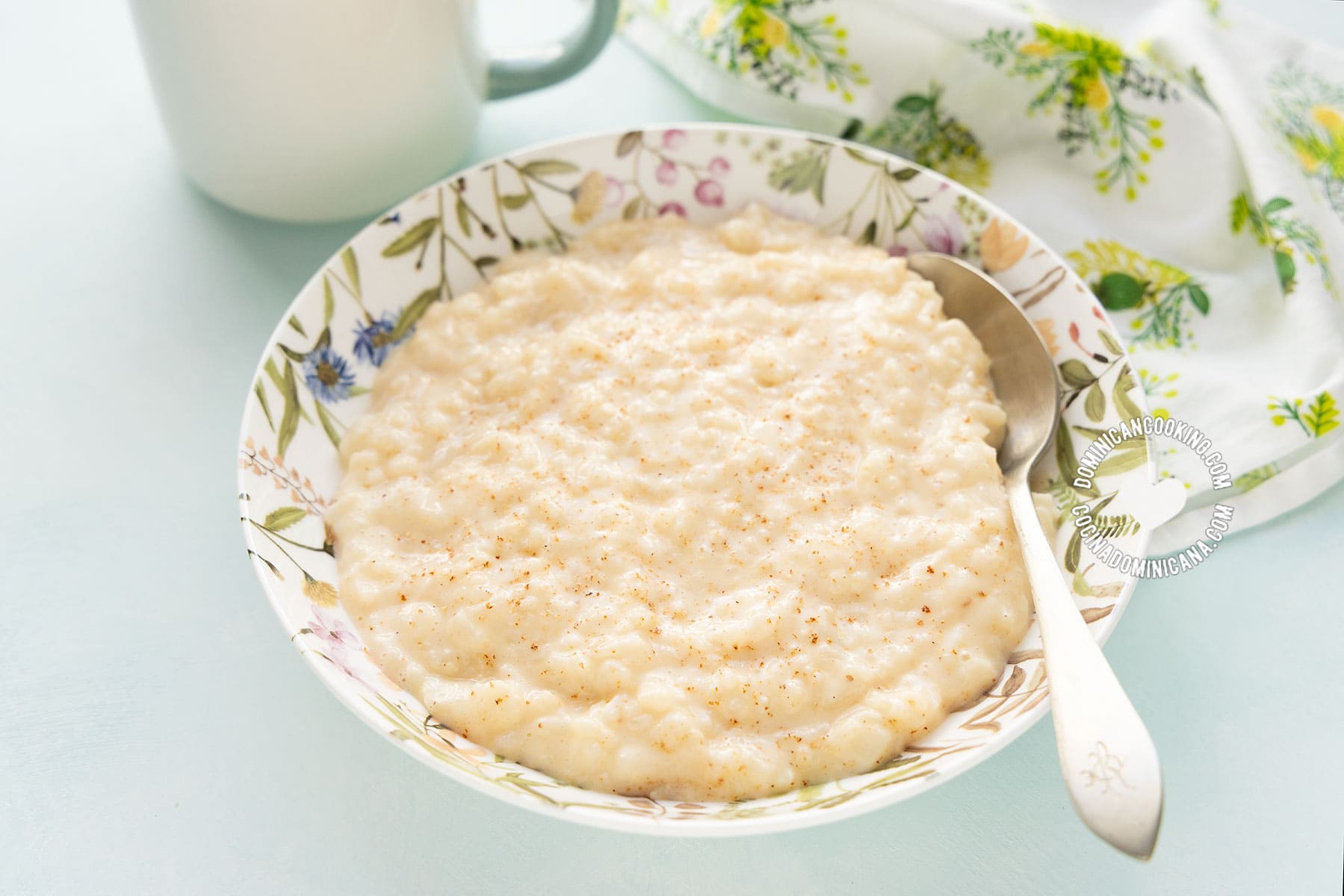
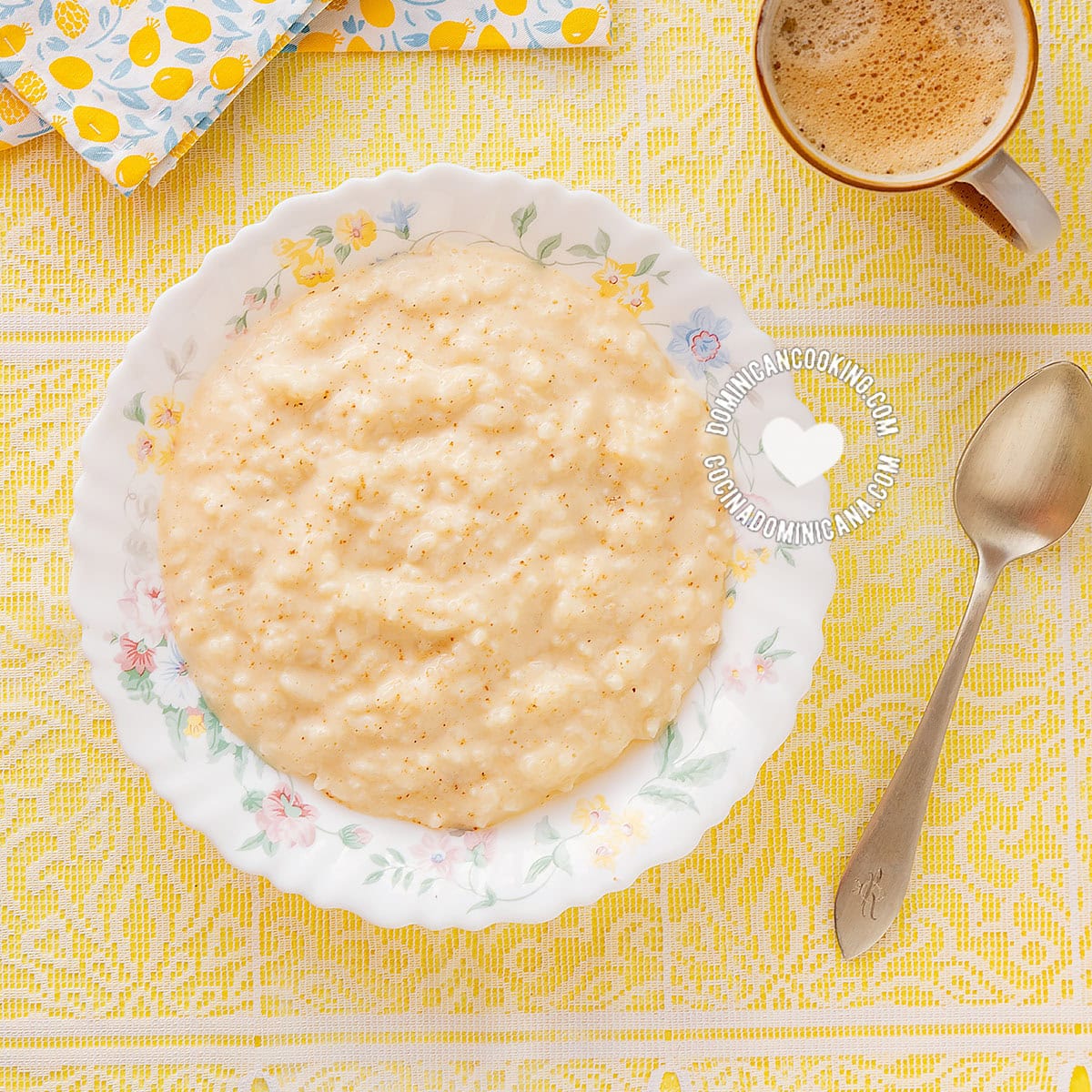
The culinary traditions of the Caribbean often balance rich, celebratory flavors with utilitarian dishes designed for nourishment, comfort, and digestive recovery. While arroz con leche—a sweet rice pudding infused with milk, cinnamon, and sugar—is globally recognized as a beloved dessert across Latin America, a lesser-known variation holds a steadfast place in Dominican households: arroz con leche salado, also frequently referred to as arroz con leche amargo. Despite the term amargo, which translates to bitter in Spanish, this savory, sugar-free rice porridge contains no bitter elements. Instead, it is a mild, creamy concoction prepared with rice, milk, butter, and salt, serving as a traditional breakfast staple, a light evening meal, or a soothing remedy for those recovering from illness.
As culinary historians and cultural anthropologists document the evolution of Caribbean gastronomy, traditional recipes like the savory rice porridge offer a window into resourcefulness and domestic economy. Long before the advent of modern convenience foods, Caribbean households mastered the art of transforming basic pantry staples—and often leftover grains—into wholesome, comforting meals. Today, as contemporary consumers increasingly seek out low-sugar diets, comforting comfort foods, and nostalgic culinary traditions, arroz con leche salado is experiencing a quiet resurgence among home cooks seeking alternatives to heavily sweetened breakfast options.
Historical Context and Cultural Significance
The foundation of Dominican cuisine rests on a fusion of Taíno, Spanish, and African influences, where rice and dairy products have long served as dietary centerpieces. Rice cultivation, introduced to the Americas during the colonial era, quickly became a cornerstone of daily sustenance. While sweet rice puddings were traditionally reserved for festive occasions, religious observances, or afternoon treats, the unsweetened variant emerged out of practical necessity.

In many traditional Dominican homes, including memories shared by home cooks and food writers such as Clara Gonzalez of Dominican Cooking, mothers and grandmothers prepared the unsweetened version as a gentle morning meal or an easily digestible dinner. The dish shares functional similarities with Asian congees or European rice porridges—foods historically relied upon to soothe an upset stomach, nourish young children on school days, or provide warmth and comfort during cooler or rainy weather. Furthermore, the practice of utilizing leftover white rice (arroz blanco) to expedite the cooking process highlights an ethos of zero food waste deeply embedded in Caribbean kitchen culture.
Nutritional Profile and Dietary Implications
From a nutritional standpoint, arroz con leche salado offers a distinct profile compared to its dessert counterpart. Standard nutritional calculations for a traditional four-serving recipe indicate an average of approximately 474 kilocalories per serving, driven largely by whole milk and butter. The dish provides a substantial amount of complex carbohydrates (roughly 56 grams per serving), paired with 16 grams of protein and moderate fat content (20 grams, of which 12 grams are saturated fats).
Because the recipe omits added sugars—limiting natural sugar content primarily to the lactose found in milk—it avoids the rapid glycemic spikes associated with sweet breakfast pastries and sugary cereals. Dietitians note that unrefined, easily digestible porridges are frequently recommended in clinical and domestic settings for individuals experiencing gastrointestinal distress, as the soft texture of the rice combined with warm milk requires minimal digestive effort. Additionally, the presence of calcium (exceeding 500 milligrams per serving) contributes to daily nutritional requirements, making it a well-rounded option for growing children.
Preparation Methodology and Culinary Techniques
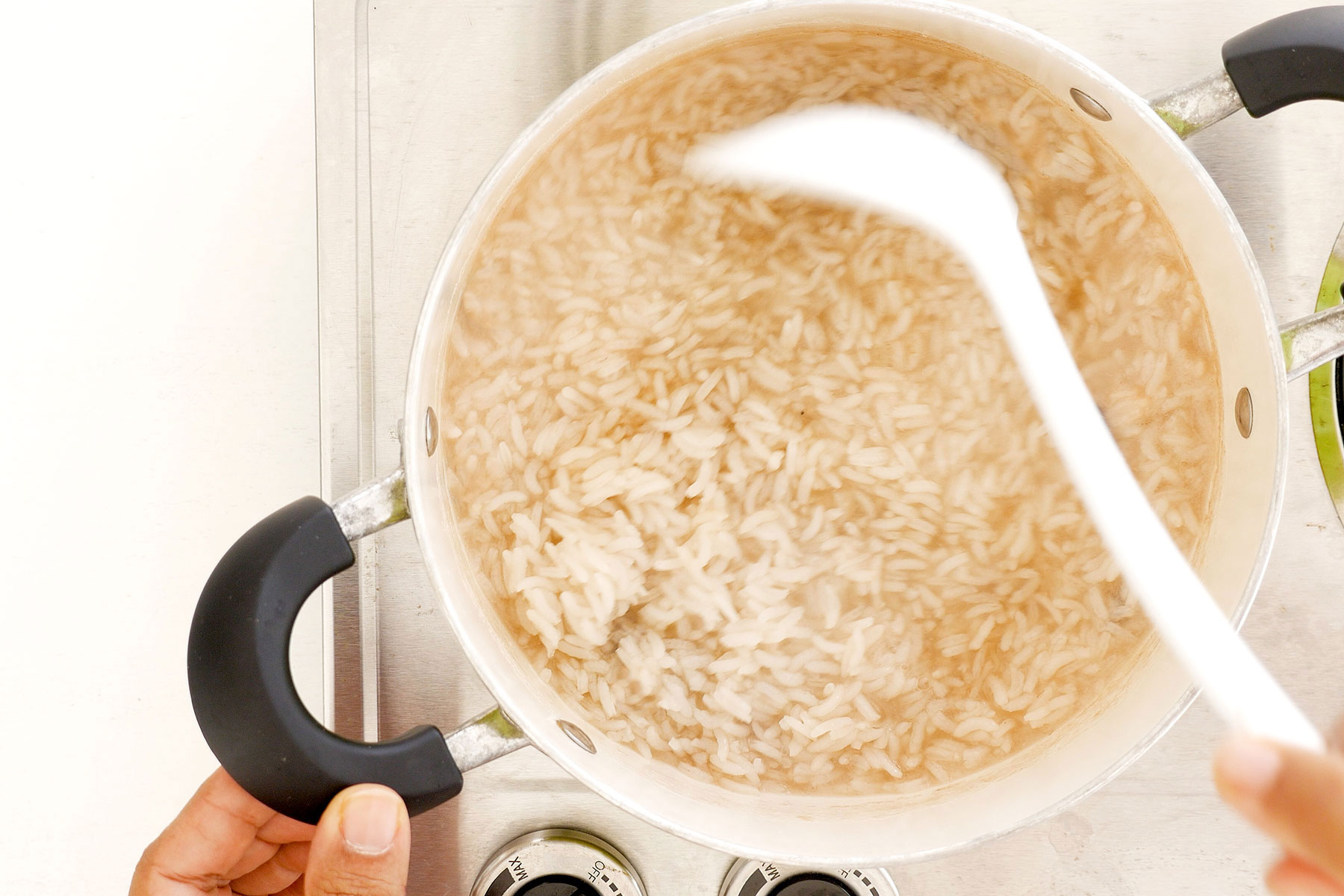
Preparing arroz con leche salado requires patience, though modern adaptations have streamlined the process significantly. Traditionally, raw white rice is simmered slowly in milk—often a combination of whole milk and water or evaporated milk—until the grains break down and release their starches, yielding a thick, velvety porridge. Butter and salt are incorporated toward the end of the cooking process to impart savory depth and a creamy mouthfeel.
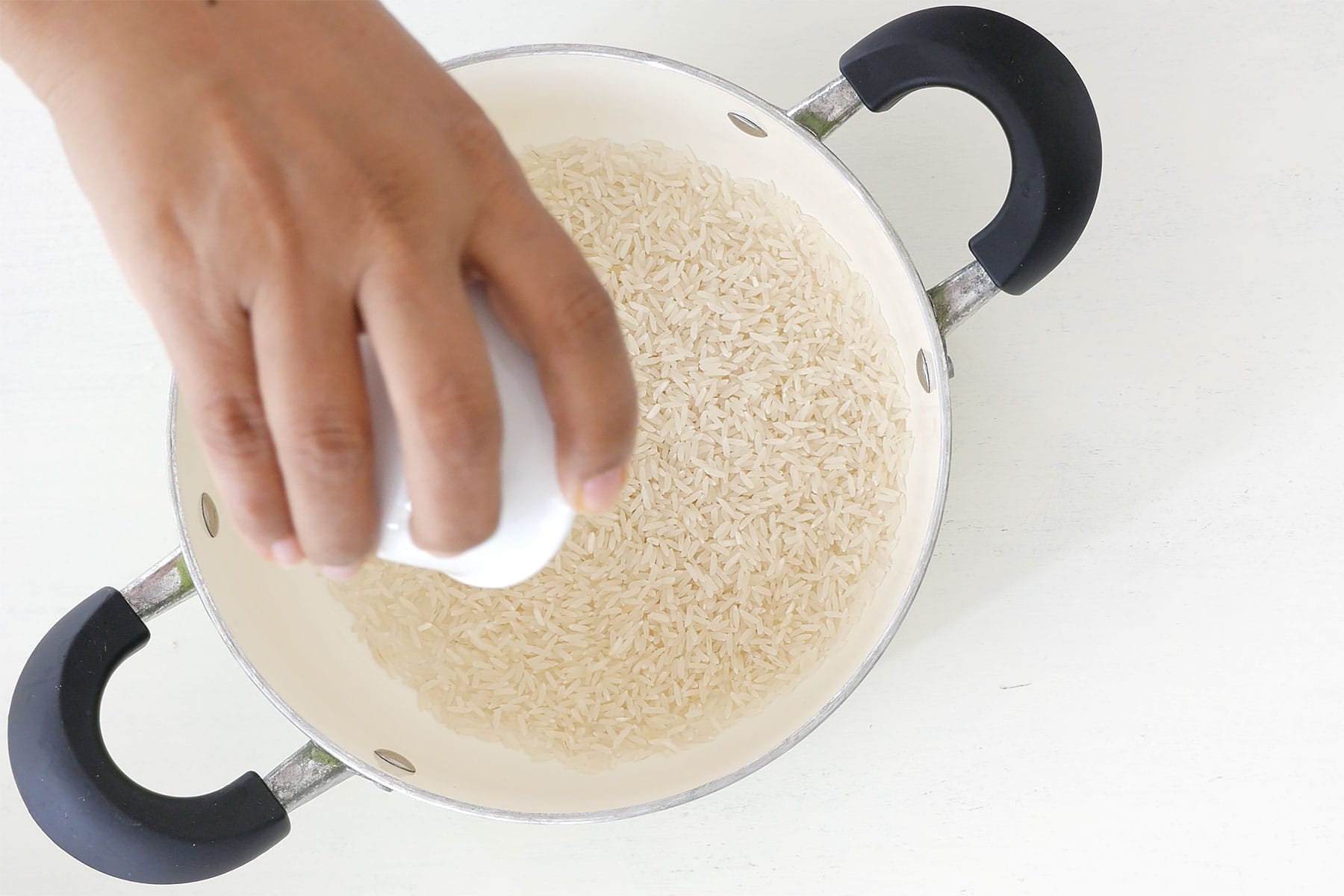
For time-pressed cooks, utilizing leftover cooked white rice substantially reduces the total preparation and cooking time, which can otherwise span up to two hours when starting from raw grains. Culinary experts recommend maintaining a low, steady heat during the simmering phase to prevent scorching, as dairy-based porridges burn easily if left unattended. Unlike the dessert variation, which frequently incorporates lemon zest, cinnamon sticks, and raisins, the savory version remains minimalist, relying solely on the purity of milk, butter, and salt to define its flavor profile.
Modern Revival and Consumer Reception
In recent years, digital food platforms and cultural documentation projects have brought regional dishes like arroz con leche salado to a broader international audience. While culinary experts note that the unsweetened flavor profile represents an acquired taste—particularly for individuals accustomed to sweet American or modern breakfast formats—it continues to evoke profound nostalgia for the Dominican diaspora.
Food safety and culinary authorities emphasize that while traditional comforting foods offer immense psychological and digestive benefits, proper handling of dairy-based porridges is essential. Leftovers should be promptly cooled and refrigerated to prevent bacterial growth, a standard kitchen safety protocol for all milk-based preparations.
As global interest in diverse, heritage-based comfort foods continues to grow, dishes like arroz con leche salado serve as a testament to the versatility of rice and the enduring legacy of Caribbean domestic cooking. Whether embraced as a nostalgic taste of childhood, a gentle remedy for an unsettled stomach, or a wholesome, low-sugar morning meal, this traditional porridge bridges the gap between historical resourcefulness and modern nutritional mindfulness.