
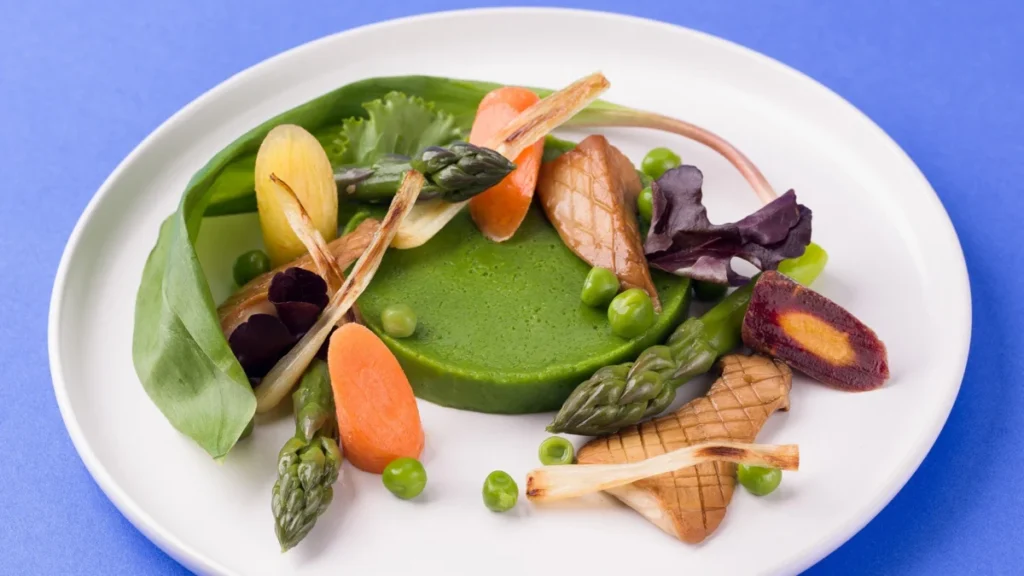
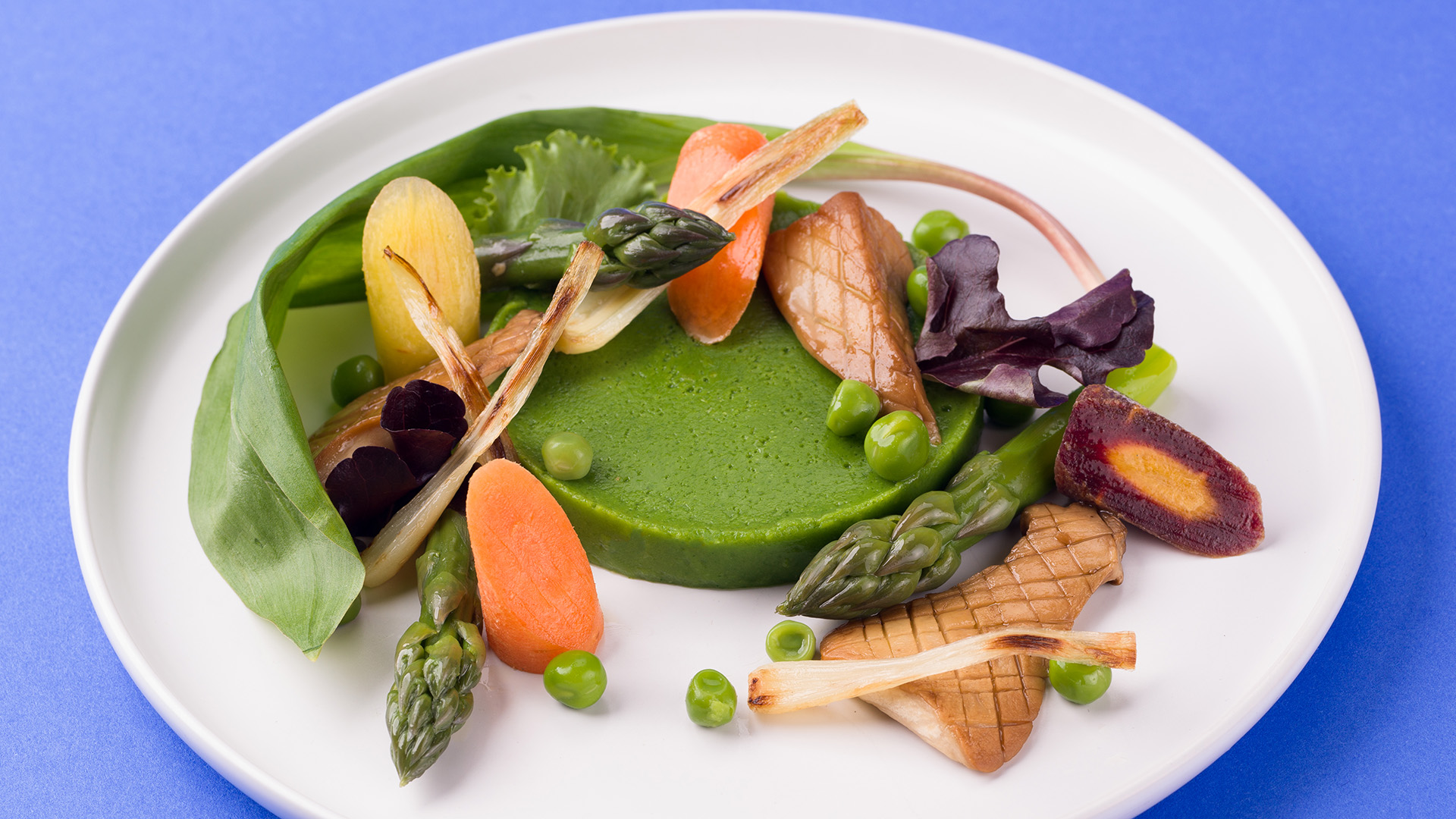
The culinary landscape is currently undergoing a significant shift toward plant-based innovation, as demonstrated by the recent introduction of the Spring Pea Panna Cotta Salad. This dish represents a sophisticated intersection of modernist gastronomy and seasonal produce, moving away from traditional garden salads to offer a refined, texturally complex experience. By utilizing vegetable-based gelling agents to achieve the signature silkiness of a traditional dairy panna cotta, the recipe challenges the conventional boundaries of savory plating.
The Evolution of Modernist Plant-Based Cuisine
Modernist cuisine, which gained international prominence in the early 21st century, relies on the application of scientific principles to food preparation. The move toward vegan-friendly emulsions and hydrocolloids has enabled chefs to replicate the mouthfeel of heavy cream using alternative fats and stabilizers. The Spring Pea Panna Cotta is a case study in this trend, replacing bovine gelatin with agar-agar or other plant-derived thickeners to maintain structural integrity while highlighting the natural chlorophyllic brightness of English peas.
Historically, the panna cotta—an Italian dessert originating from the Piedmont region—was strictly a dairy-based creation. However, the rise of "savory desserts" and "vegetable-forward dining" has prompted a re-evaluation of the form. The decision to integrate legumes into a molded, gelatinous structure is part of a broader culinary movement that seeks to minimize the environmental footprint of high-end dining by prioritizing seasonal, locally sourced produce over imported dairy.
Chronology of Preparation and Implementation
The preparation of this dish requires a meticulous approach to timing and temperature control, reflecting the precision required in professional test kitchens. The total lead time for the salad is approximately six hours, though the active labor requirement is significantly lower.
- Phase One: Puree and Emulsion (Hour 0–1): Fresh spring peas are blanched and shocked in an ice bath to preserve their vivid green pigment, a process involving the denaturing of enzymes that would otherwise dull the color. The peas are then processed into a fine puree and passed through a chinois to ensure a smooth texture.
- Phase Two: The Setting Process (Hour 1–2): The liquid base is brought to a specific temperature—usually just below boiling—to activate the hydrocolloids. It is then portioned into molds.
- Phase Three: Curing (Hour 2–6): The panna cotta undergoes a mandatory refrigeration period. During this time, the molecular bonds of the gelling agent tighten, creating the characteristic wobble and resistance essential for the dish’s success.
- Phase Four: Plating (Hour 6): The final stage involves the assembly of crisp, raw, or lightly sautéed vegetables, such as shaved asparagus, wild mushrooms, and micro-herbs, which provide the textural contrast to the soft base.
Nutritional and Culinary Analysis
From a nutritional perspective, the Spring Pea Panna Cotta offers a unique profile compared to traditional salads. While a standard salad relies on the crunch of fibrous greens, this dish introduces concentrated plant proteins and complex carbohydrates.

Data from recent food science journals suggest that the consumption of pureed legumes, when properly prepared, can improve nutrient bioavailability. Furthermore, the exclusion of heavy dairy reduces the saturated fat content significantly, aligning the dish with contemporary dietary guidelines that favor heart-healthy, plant-based fats. The culinary challenge, however, lies in balancing the natural sweetness of the peas with the acidity of the dressing and the earthy umami profile of the mushrooms.
Market Implications and Industry Trends
The introduction of such dishes signifies a growing demand for high-complexity vegan options in fine dining. Industry analysts note that restaurants that adopt these types of technical, vegetable-centric dishes often see an increase in repeat clientele who are looking for "experiences" rather than mere meals.
"The modern diner is no longer satisfied with a simple vinaigrette over greens," says a spokesperson for a prominent culinary institute. "They are looking for the same level of technical prowess applied to the vegetable kingdom that has historically been reserved for meat and dairy."
This shift has also had an impact on supply chains. As demand for high-quality, early-season produce like spring peas increases, small-scale farmers are seeing greater incentive to prioritize these crops, fostering a more robust local agricultural ecosystem. The scalability of this recipe, which yields four servings, makes it an ideal candidate for high-end bistros looking to streamline labor costs while maintaining an elevated presentation.
Technical Challenges in Hydrocolloid Application
The primary challenge for practitioners of this dish is the precise measurement of setting agents. Because vegetable-based gelling agents like agar-agar do not behave identically to bovine gelatin, the margin for error is narrow. If the ratio is too high, the panna cotta becomes rubbery and loses its delicate, melt-in-the-mouth quality; if too low, the structure fails to hold its shape upon unmolding.
This technical requirement has led to a standardized "easy" difficulty rating in culinary curricula, yet it requires the use of digital precision scales—a hallmark of the modernist kitchen. The ability to control the "snap" of the panna cotta against the "crunch" of the fresh asparagus requires a deep understanding of structural food science.
The Broader Impact on Sustainable Gastronomy
The Spring Pea Panna Cotta Salad is more than a creative exercise; it is an indicator of the future of dining. As the global food industry faces increasing pressure to reduce the carbon impact associated with animal husbandry, the ability to mimic the sensory pleasure of traditional dairy through vegetable-based engineering becomes essential.
The environmental benefits of substituting dairy with pea-based emulsions are quantifiable. Pea production requires significantly less water and land than the production of heavy cream. When combined with the seasonal sourcing of asparagus and mushrooms, the carbon footprint of this dish is a fraction of that of a traditional cream-based appetizer.
Furthermore, the dish serves as a testament to the versatility of the pea—a humble ingredient often relegated to side-dish status. By elevating it to the centerpiece of a composed salad, chefs are encouraging a broader appreciation for leguminous crops, which also play a critical role in nitrogen fixation in soil, thereby promoting better agricultural health.
Conclusion: A New Standard for Spring Dining
The Spring Pea Panna Cotta Salad encapsulates the essential tenets of 2025 culinary trends: high technical execution, a focus on sustainability, and an emphasis on texture over mere volume. By prioritizing the structural integrity of the vegetable, this dish provides a blueprint for future culinary innovations.
As the food industry continues to move toward more sustainable practices, the reliance on modernist techniques to enhance, rather than mask, natural flavors will likely become the industry standard. This dish stands as a refined, professional, and forward-thinking example of how the intersection of science and nature can produce a result that is as intellectually satisfying as it is sensory. Whether served in a professional kitchen or a home environment, the recipe serves as a reminder that the most sophisticated dishes are often those that respect the simplicity of the ingredient while utilizing the precision of modern technique.



0 Komentar
Sampaikan opini dan diskusi yang membangun dengan bahasa yang santun.
No Comments Yet
Be the first to share your thoughts on this story.