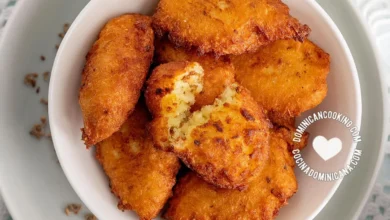
The arepa serves as the foundational pillar of Colombian gastronomy, acting as both a primary carbohydrate source and a versatile cultural icon that transcends socioeconomic boundaries. This corn-based staple, characterized by its flattened, circular shape and varied preparation methods—ranging from griddled to deep-fried—is consumed daily across the country. As a culinary artifact, the arepa represents a bridge between pre-Columbian agricultural practices and the syncretic foodways that emerged following the Spanish conquest. Its ubiquity in the Colombian diet, where it is served at breakfast, lunch, and dinner, reflects its status as a vital component of the national identity.

Historical Context and Evolution
The origins of the arepa are rooted in the indigenous cultivation of maize (Zea mays), which was the agricultural cornerstone for pre-Columbian societies in the northern Andes. Archaeological evidence suggests that indigenous groups in the regions now comprising Colombia and Venezuela were grinding maize into dough and cooking it on clay griddles, or "budares," centuries before European contact.

The arrival of the Spanish in the early 16th century introduced livestock and new culinary techniques, which transformed the arepa from a simple indigenous flatbread into a more complex dish. Over the subsequent centuries, the integration of dairy products—specifically various types of fresh cheese—and proteins such as pork and eggs, diversified the regional profiles of the arepa. By the 19th and 20th centuries, these regional variations had become formalized, with distinct preparations defining the culinary borders of departments like Antioquia, Boyacá, and the Caribbean coast.

Geographical Variations and Regional Identity
The versatility of the arepa is best observed through its regional iterations. In the Antioquia region, the "Arepa Paisa" is a staple. Typically made from white corn, this variety is often thin, mild in flavor, and designed to act as a neutral canvas for butter, salt, or hearty toppings like hogao (a traditional creole sauce made of tomatoes and onions).
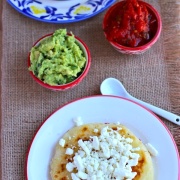
Conversely, the "Arepa Boyacense," hailing from the high-altitude department of Boyacá, incorporates wheat flour and panela (unrefined cane sugar) into the corn dough, resulting in a distinctively sweet and savory profile. Moving toward the Caribbean coast, the "Arepa de Huevo" represents a significant departure in technique; this version is deep-fried, with a raw egg cracked into a pocket within the dough during the cooking process. These variations are not merely culinary preferences but are markers of local agricultural history and regional availability of ingredients.

Nutritional and Economic Significance
From a nutritional perspective, the arepa provides essential complex carbohydrates. When prepared using traditional methods—specifically the nixtamalization of corn—the nutritional profile is enhanced, increasing the bioavailability of niacin and other B vitamins. In contemporary Colombia, the arepa industry remains a significant economic sector. The production of precooked corn flour (masarepa) has allowed for the mass commercialization of the product, making it accessible to urban populations who may lack the time for traditional, time-intensive corn processing.
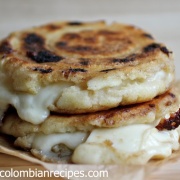
According to household consumption studies in Colombia, the arepa is present in more than 80% of urban households, consistently ranking as the most frequent accompaniment to daily meals. The industry has seen steady growth, with both small-scale artisanal producers and large-scale industrial firms contributing to a market that supports thousands of jobs across the agricultural and retail sectors.

The Modern Culinary Landscape
While the arepa remains a staple of home cooking, it has also transitioned into the fine-dining sphere. Chefs in major Colombian cities, including Bogotá and Medellín, have begun to deconstruct the traditional arepa, utilizing heirloom corn varieties and gourmet fillings to elevate the dish. This culinary movement serves to preserve ancestral techniques while adapting the arepa for a globalized palate.

However, the rapid modernization of the food industry has brought challenges. The shift toward processed corn flours has led to concerns regarding the loss of traditional nixtamalization methods, which some food historians argue alter the authentic texture and nutritional integrity of the final product. Preservationist groups and local government initiatives have occasionally sought to register specific regional recipes, such as the arepa from the Santander region, as protected cultural heritage to ensure that traditional recipes are not lost to industrial standardization.

Socio-Cultural Implications
The arepa serves as a symbol of domestic stability and cultural continuity. In many Colombian households, the act of preparing arepas is a shared domestic ritual. Whether it is the grinding of corn or the careful shaping of the dough, the process is often a multigenerational activity. This cultural significance is echoed in the "arepa culture" that has traveled with the Colombian diaspora. In cities across the United States, Europe, and South America, arepa shops serve as "third spaces" for the Colombian community, providing not just food, but a tangible connection to the homeland.

Experts in the sociology of food often point to the arepa as a tool for social cohesion. Unlike many other global street foods that are marketed as "fast food," the arepa retains its status as a "comfort food," associated with familial care and hospitality. Its presence on the table is often a prerequisite for a complete meal, signaling that the home is a place of sustenance and tradition.

Future Perspectives
As Colombian cuisine continues to gain international recognition, the arepa is poised to become a staple in the global culinary lexicon. The rise of gluten-free diets has inadvertently bolstered the international appeal of the arepa, as its corn-based composition provides a natural alternative to wheat-based breads.

However, the future of the arepa lies in the balance between industrial efficiency and the maintenance of artisanal standards. The continued interest in heritage grains and traditional farming practices among younger generations of Colombians suggests that the evolution of the arepa will likely be characterized by a "return to roots." By prioritizing the use of locally sourced corn and traditional preparation methods, producers and home cooks alike are ensuring that the arepa remains a relevant, resilient, and defining element of the Colombian identity.

In conclusion, the arepa is far more than a mere corn cake; it is a historical record of Colombia’s indigenous past, a testament to the country’s regional diversity, and a vital component of its modern economic and social fabric. As it adapts to the demands of the 21st century, the arepa remains an unwavering constant in the lives of millions, serving as a reminder that culinary traditions are not static, but living, breathing expressions of culture. Whether served with simple butter or elaborate, modern-day fillings, the arepa persists as the most authentic, enduring, and beloved ambassador of Colombian gastronomy.