Beyond the Plate: How the Real Mediterranean Lifestyle Extends Healthspan and Prevents Chronic Disease

The pursuit of longevity has long captivated public health researchers, nutrition scientists, and individuals seeking a higher quality of life well into their later years. Among the myriad dietary paradigms studied globally, the authentic Mediterranean diet consistently emerges as one of the most thoroughly researched and scientifically validated approaches to health promotion. While public discourse frequently reduces this lifestyle to a list of recommended ingredients—chiefly olive oil, fish, and leafy greens—recent investigations emphasize that true longevity within Mediterranean communities extends far beyond the plate. Comprehensive studies indicate that the remarkable health outcomes observed in these regions are the culmination of an integrated ecosystem comprising nutrient-dense foods, continuous natural movement, robust social infrastructure, and intentional rest.
For decades, epidemiological studies, including the landmark Seven Countries Study initiated in the mid-20th century, have documented lower rates of cardiovascular disease, cancer, and neurodegenerative disorders among populations residing in the Mediterranean basin, particularly Greece and southern Italy. These findings have prompted global health organizations to reevaluate how lifestyle factors collectively influence the human genome and mitigate the biological markers of aging. Understanding the mechanisms behind this longevity requires an examination of the nutritional science, sociological frameworks, and everyday physical habits that define the authentic Mediterranean way of life.
Nutritional Foundations: The Science of Antioxidants and Plant-Centric Diets
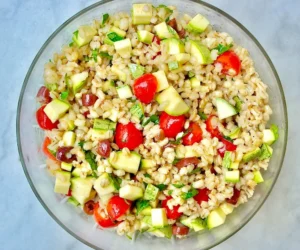
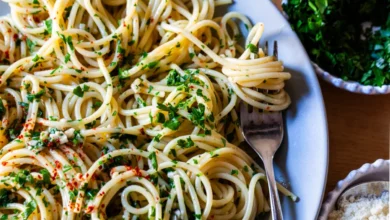
At the core of the Mediterranean longevity paradox is a dietary pattern that is fundamentally plant-centric. Unlike modern Western diets, which frequently position meat as the central component of a meal, traditional Mediterranean culinary traditions treat vegetables, legumes, grains, and herbs as the primary focus, with animal proteins serving a complementary role.
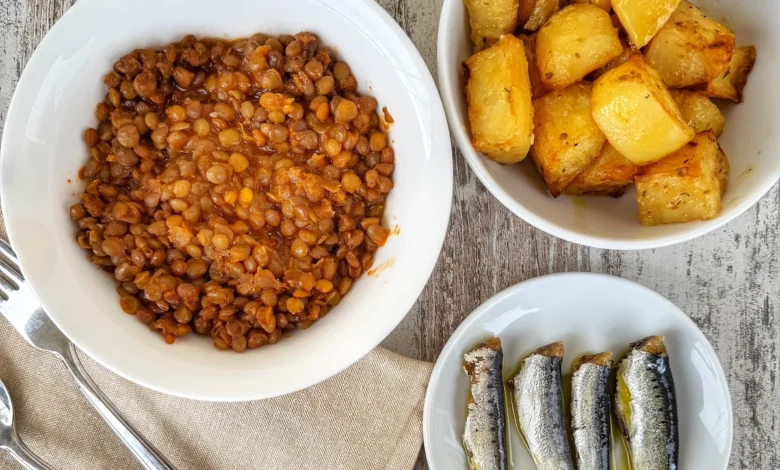
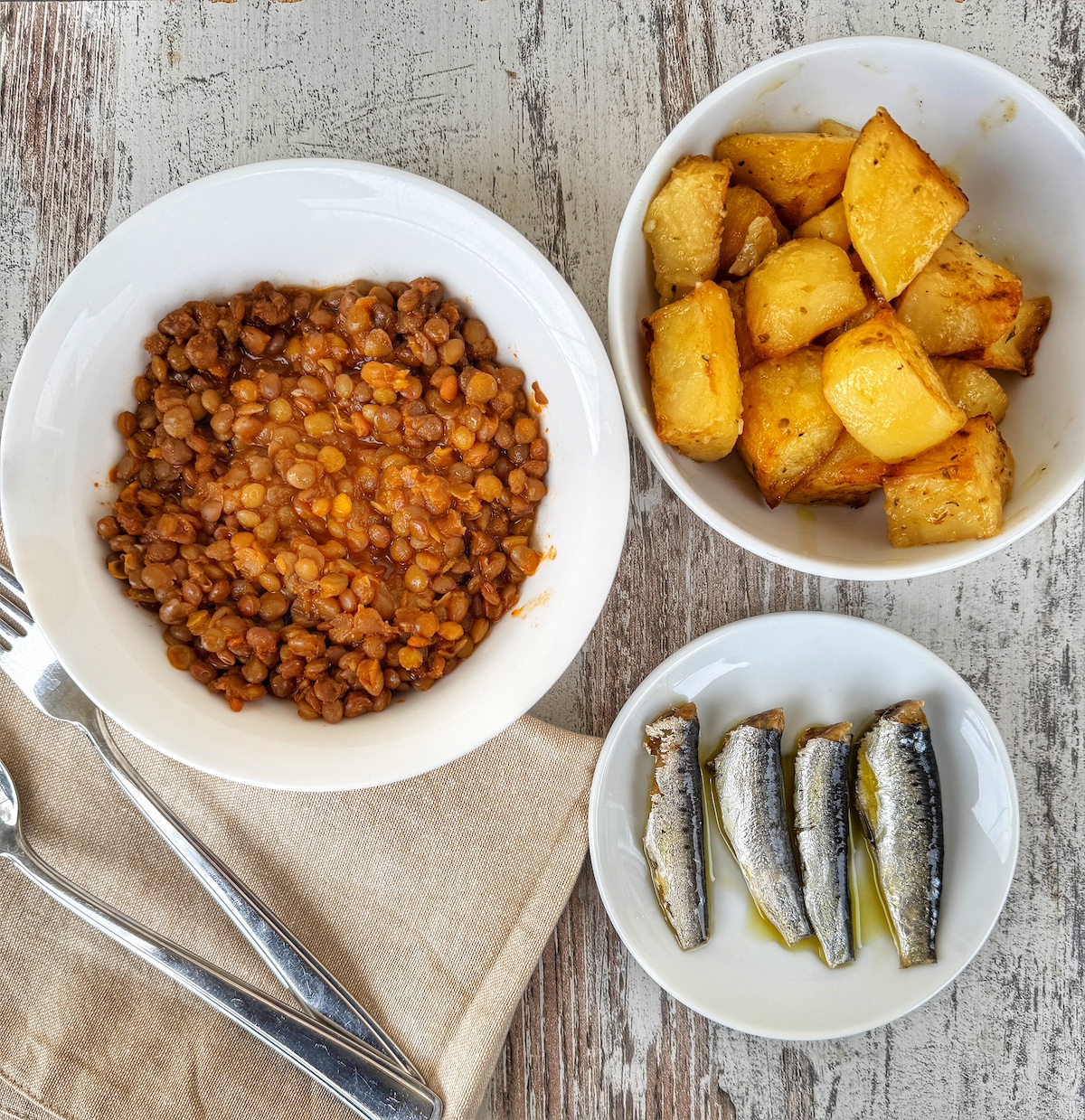
This dietary composition delivers a high concentration of bioactive compounds, most notably antioxidants and polyphenols. Foods such as dark leafy greens, wild herbs, seasonal fruits, and extra virgin olive oil are rich in agents that neutralize reactive oxygen species, thereby reducing systemic inflammation and oxidative stress—two primary drivers of cellular aging and chronic pathology. Furthermore, the regular inclusion of fatty fish, such as sardines and mackerel, provides an abundance of omega-3 fatty acids, which support cardiovascular health and cognitive function.
Clinical research has increasingly demonstrated that this dietary synergy protects against age-related cognitive decline, including dementia and Alzheimer’s disease. Longitudinal studies tracking elderly populations adhering to a strict Mediterranean diet report not only an extension of overall lifespan—commonly referred to as life expectancy—but also an extension of "healthspan," defined as the period of life spent free from chronic disease and debilitating frailty. By preserving muscle mass, bone density, and neurological integrity, the diet enables older adults to maintain independence and functional capacity.
The Sociological Architecture of Longevity: Community and "Third Places"
Dietary habits alone, however, fail to fully explain the exceptional concentration of centenarians found in certain Mediterranean locales, often categorized within global "Blue Zones." Sociologists and public health experts increasingly point to the profound impact of social structures and community integration on physiological health.
Human beings are inherently social primates, and chronic isolation is widely recognized by medical professionals as an independent risk factor for mortality, carrying health risks comparable to smoking or obesity. In traditional Mediterranean villages, social connection is not left to chance; it is woven into the daily fabric of community life. Multigenerational households provide continuous emotional and physical support, reducing the psychological burden of aging and ensuring that older adults remain active, valued participants in family dynamics.
Beyond the immediate family, community cohesion is maintained through shared cultural practices, religious gatherings, and civic participation. Anthropologists frequently highlight the presence of "third places"—distinct social environments separate from home ("first place") and work ("second place"). In Mediterranean communities, these third places might include the local coffee shop, the village square, the open-air market, or the parish church. These accessible hubs facilitate spontaneous interactions, combat loneliness, and foster a deep sense of belonging and collective identity, which correlates with lower rates of clinical depression and enhanced psychological resilience.
Everyday Movement: Rejecting Sedentary Culture for Informal Physical Activity
In contemporary industrialized societies, physical activity is frequently compartmentalized into structured, high-intensity workouts performed in commercial fitness centers. In contrast, the traditional Mediterranean lifestyle relies on continuous, low-intensity physical exertion integrated into daily routines—a concept public health researchers refer to as "incidental physical activity."
Data compiled from observational studies of long-lived populations reveal that centenarians in these regions rarely engage in strenuous, formal exercise regimens. Instead, their high levels of daily energy expenditure are the byproduct of an active lifestyle dictated by necessity and tradition. Gardening, manual food preparation, domestic cleaning, and walking to local markets or places of worship constitute a steady baseline of physical movement throughout the day.
This continuous engagement offers profound physiological benefits. Regular, low-impact movement aids in metabolic regulation, assists in maintaining a healthy body mass index, supports cardiovascular conditioning, and preserves joint mobility. Crucially, maintaining mobility into advanced age directly enhances self-efficacy—the individual’s belief in their ability to execute behaviors necessary to produce specific performance attainments. When older adults remain capable of managing their own errands and household responsibilities, they retain a sense of autonomy and purpose that reinforces their connection to the broader community.
Implications for Modern Public Health and Policy
As global healthcare systems grapple with the rising prevalence of non-communicable chronic diseases, the lessons derived from Mediterranean longevity models offer valuable frameworks for public health interventions. Policymakers and nutritional epidemiologists emphasize that adopting the Mediterranean model requires a systemic shift rather than isolated dietary modifications.
Public health strategies are increasingly focusing on environmental design to encourage incidental movement, urban planning that fosters community gathering spaces, and educational initiatives that promote whole-food, plant-forward culinary traditions. By examining the interplay between nutrition, social architecture, and physical activity, researchers continue to refine guidelines aimed at not merely extending human life, but enhancing the vitality and well-being of aging populations worldwide.