
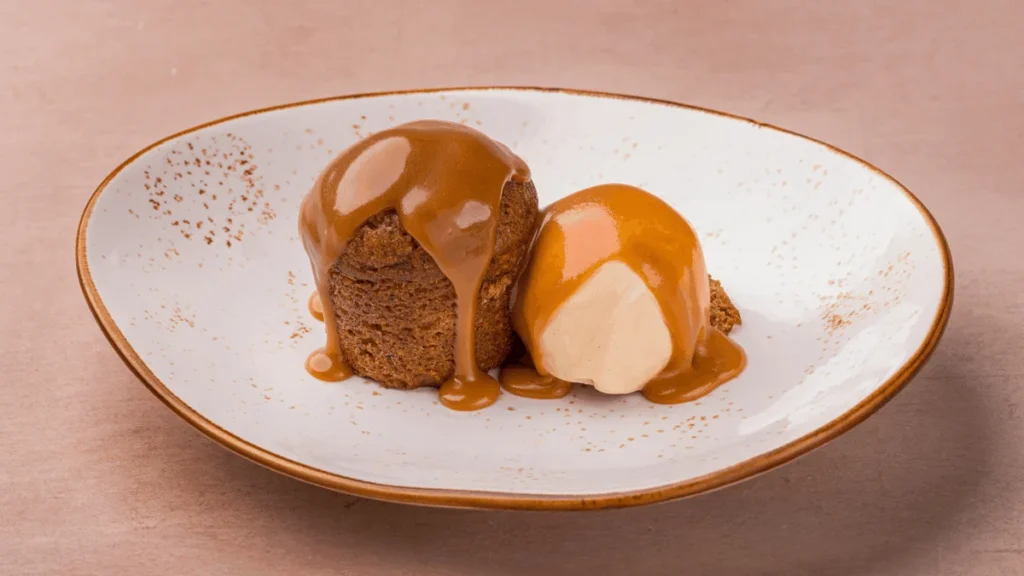
The Scientific Foundations of Black Garlic
Black garlic is the result of a controlled, long-term Maillard reaction applied to fresh Allium sativum. By exposing raw garlic bulbs to temperatures ranging from 60 to 90 degrees Celsius in high-humidity environments for several weeks, the cloves undergo a profound chemical metamorphosis. The enzymatic breakdown of sugars and amino acids results in the characteristic dark pigment, a soft, jelly-like texture, and a flavor profile devoid of the pungent, sulfurous bite of fresh garlic.
Instead, black garlic possesses a complex, sweet, and balsamic-like profile with notes of tamarind, molasses, and aged soy sauce. When introduced into an ice cream base, these properties interact with the lactic fats of the cream and the floral notes of honey. The result is a profile that functions similarly to salted caramel but with a deeper, more robust earthy foundation. This application relies on the principle of bridging, where the deep, caramelized notes of the garlic harmonize with the high sugar content of the honey, effectively neutralizing any lingering savory acidity.
Chronology of Modernist Culinary Experimentation
The transition of black garlic from a niche ingredient in East Asian cuisine to a staple of the global modernist pantry has occurred over the last two decades. While black garlic originated centuries ago in Korea, it gained international prominence in Western fine-dining establishments during the early 2000s, popularized by chefs looking to incorporate "funky" or aged ingredients into their repertoires.
The specific integration of black garlic into frozen desserts emerged as a logical extension of this trend. Culinary research laboratories, such as those associated with the Modernist Pantry, began documenting standardized procedures for these infusions around 2015. The process typically requires a 24-hour cycle, accounting for the steep time of the garlic, the maturation of the base, and the final freezing process. This extended timeline is essential, as it allows the volatile compounds of the garlic to fully emulsify with the dairy proteins, ensuring a smooth, consistent texture that avoids crystallization.

Data-Driven Culinary Analysis
From a nutritional and chemical perspective, the incorporation of black garlic offers more than just aesthetic novelty. Black garlic is known to have higher concentrations of S-allyl cysteine, a water-soluble organosulfur compound, compared to its raw counterpart. When blended into a high-fat dairy base, the bioavailability of these compounds is potentially influenced by the presence of lipids.
Yield metrics for this specific recipe indicate a standard output of 12 portions, requiring a precise ratio of emulsifiers to ensure stability. Industry standards for premium, small-batch ice creams suggest a butterfat content of at least 14% to 16%. In the case of Black Garlic Honey Ice Cream, the viscosity of the honey provides a secondary stabilizing effect, acting as an anti-freeze agent that lowers the freezing point of the mixture. This is a critical technical factor; if the ratio is miscalculated, the high sugar content from the honey can lead to a texture that is either too soft or prone to rapid melting, necessitating the 24-hour maturation period to ensure the base is properly chilled and stabilized before churning.
Industry Reactions and Market Trends
Professional chefs and food scientists have noted a shift in consumer demand toward "complex sweetness." According to recent market analysis from the global food ingredient sector, there is a growing segment of consumers—particularly among the "foodie" demographic—who actively seek out desserts that balance sugar with salt, acidity, or umami.
"The introduction of savory notes into dessert is no longer considered a shock tactic," says Dr. Julian Thorne, a food technologist specializing in sensory perception. "It is an evolution of the consumer palate. By utilizing the Maillard-derived sweetness of black garlic, the chef is essentially creating a natural caramel enhancer. It is a sophisticated use of chemistry that resonates with the modern interest in artisanal and fermented foods."
However, the commercial viability of such a product remains limited to the premium segment. High production costs associated with the fermentation of garlic and the necessity of high-quality honey place this product firmly in the luxury or specialty tier. Retailers focusing on artisanal goods have reported that while these flavors may not reach the volume of traditional vanilla or chocolate, they serve as essential "brand builders" that distinguish a product line in a crowded marketplace.
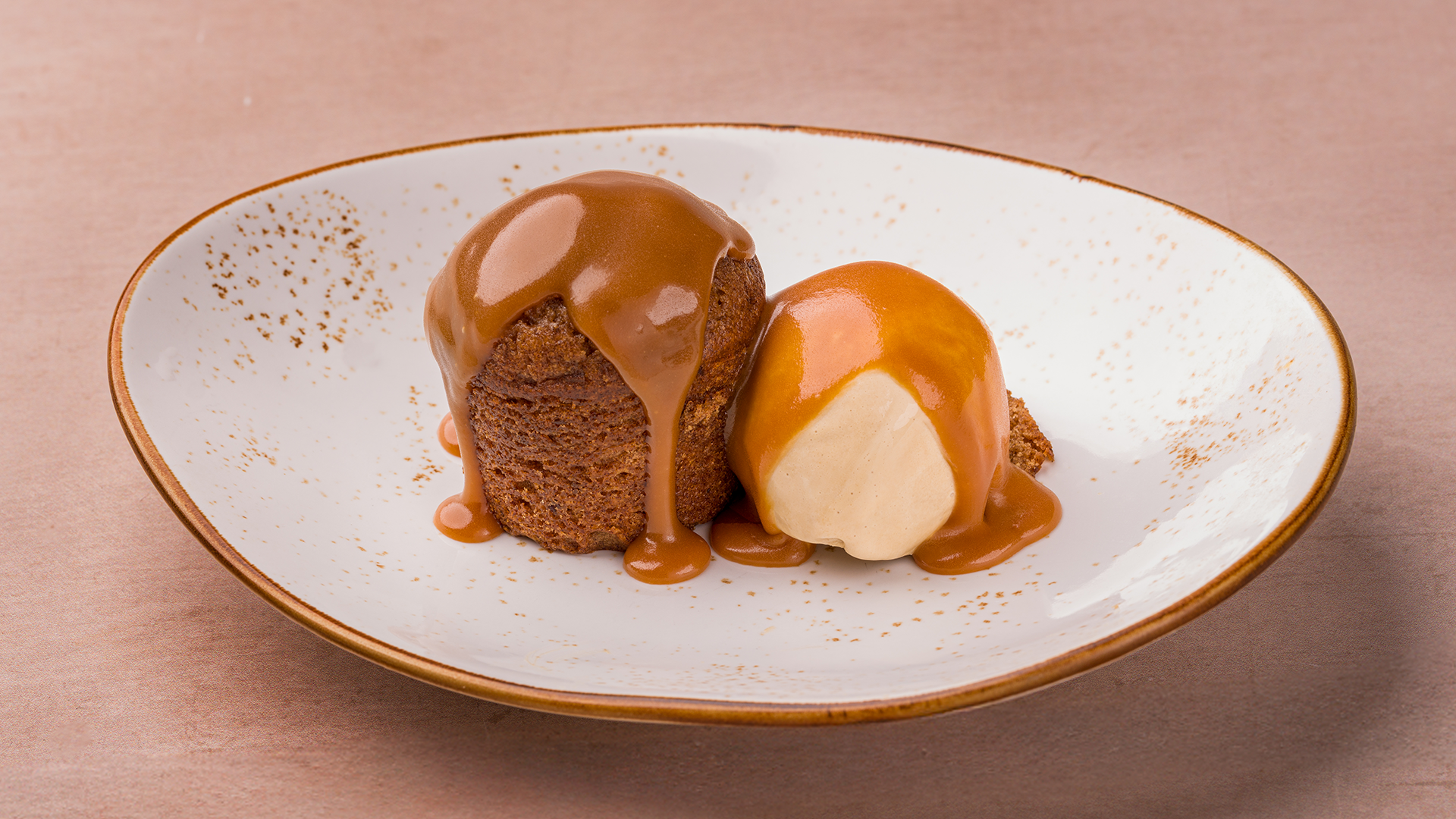
Broader Implications for Modernist Gastronomy
The rise of Black Garlic Honey Ice Cream highlights a broader movement in the food industry toward "intentional ingredients." By moving away from artificial flavoring agents and toward ingredients that have undergone biological transformation—such as fermentation or controlled heat-aging—producers are offering products with a more transparent and "clean" label.
Furthermore, the integration of black garlic into dessert signifies the breakdown of rigid culinary silos. Historically, ingredients like garlic were strictly reserved for the savory course. The blurring of these lines reflects a more globalized approach to flavor, influenced by the fusion of traditional techniques and modern food science. As the industry moves forward, it is anticipated that similar ingredients, such as fermented mushrooms or aged miso, will see increased application in confectionery, provided that the balance between the ingredient’s core identity and the dessert’s sweet base is managed with the same precision applied to black garlic.
Operational Considerations and Best Practices
For those operating within the culinary arts, the preparation of this dessert requires adherence to strict temperature controls. The "intermediate" difficulty rating assigned to this recipe stems from the necessity of emulsifying the black garlic paste into the cream base without creating graininess.
- Paste Preparation: The black garlic must be processed into a fine, homogenous paste. Any remaining fibrous particles will negatively affect the mouthfeel of the finished product.
- Infusion: A cold-infusion process is generally preferred, where the garlic paste is whisked into the dairy base and allowed to steep under refrigeration. This prevents the "cooked" or raw garlic flavors from overpowering the delicate floral notes of the honey.
- Churning Kinetics: Given the high density of the mixture, the churning process must be monitored to ensure adequate air incorporation, or "overrun." An ideal overrun for this type of dense, flavor-heavy ice cream is generally between 20% and 30%.
Conclusion
The emergence of Black Garlic Honey Ice Cream as a recognized culinary item is a testament to the ongoing innovation within the food sector. By leveraging the specific chemical properties of fermented garlic and balancing them against the natural sweetness of honey, creators have developed a product that appeals to the intellectual curiosity of the modern consumer. While it may not become a universal staple, its presence in the market confirms that the pursuit of complex, umami-driven flavor profiles is a significant and lasting trend in contemporary gastronomy. As research into fermented ingredients continues to expand, the culinary community can expect to see further experimentation that continues to challenge the definitions of sweet and savory.









0 Komentar
Sampaikan opini dan diskusi yang membangun dengan bahasa yang santun.
No Comments Yet
Be the first to share your thoughts on this story.