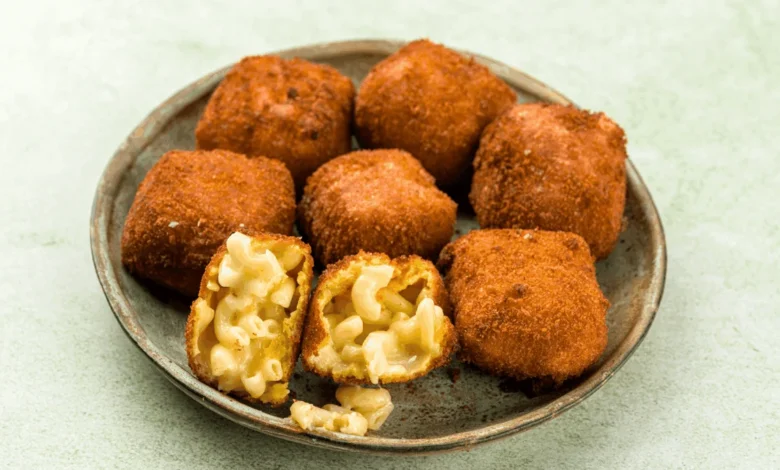
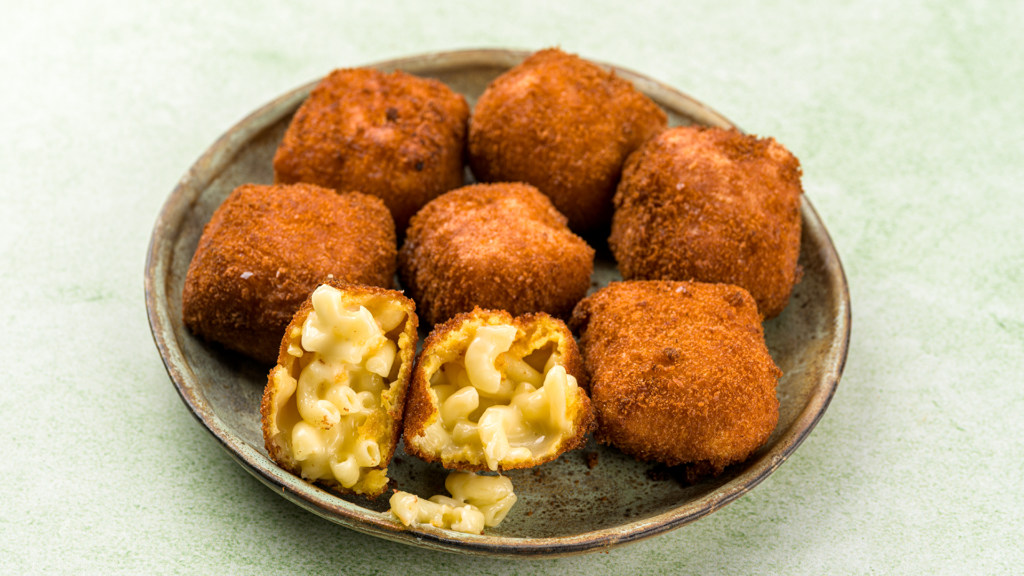
By utilizing specific food-grade additives, namely sodium citrate and sodium hexametaphosphate, culinary technicians have successfully stabilized the cheese matrix. This advancement ensures that the internal structure of the mac and cheese remains intact, maintaining its integrity under extreme heat while delivering a superior texture that is both crisp on the exterior and molten on the interior.
The Science of Stable Emulsions
At the core of this culinary breakthrough is the stabilization of dairy proteins. In a standard cheese sauce, the balance between fats and proteins is precarious. When heated, the proteins can clump together, causing the sauce to separate into a pool of oil and rubbery solids. Sodium citrate serves as an emulsifying salt, which modifies the proteins in the cheese to prevent this separation. It effectively prevents the "grainy" texture often associated with melted cheddar and ensures that the sauce remains fluid and glossy even after cooling.
Sodium hexametaphosphate (SHMP), a sequestering agent and emulsifier, further enhances this stability. It works by binding with calcium ions, which prevents the proteins from cross-linking too aggressively. In the context of deep-fried mac and cheese, this combination creates a "cheese glass"—a stable, solid structure when cold that transitions into a perfectly smooth, viscous liquid when reheated. This structural integrity is what allows the mac and cheese to be breaded, handled, and dropped into hot oil without the risk of the internal contents breaching the crust.
Chronology of Culinary Innovation
The history of deep-fried macaroni and cheese traces back to Southern United States comfort food traditions, where the dish began as a novelty item at state fairs. In the early 2000s, the dish gained nationwide prominence, though it was frequently criticized for its inconsistent quality. Reports of greasy, structurally compromised squares became common, leading many professional kitchens to abandon the dish entirely.
By 2015, the integration of modernist cooking techniques began to influence professional kitchens. Chefs began experimenting with hydrocolloids and stabilizing salts to improve the consistency of fried cheese-based appetizers. The current method, which utilizes a 24-hour setting time, reflects a shift toward prep-heavy, high-quality production. The timeline for creating this dish involves:
- Preparation (Day 1): The creation of the stabilized cheese sauce, which must be combined with cooked pasta and poured into a mold.
- Chilling (Day 1 to Day 2): A critical 24-hour refrigeration window. This duration allows the starch in the pasta to hydrate and the sodium citrate-stabilized cheese to set into a firm, sliceable block.
- Processing (Day 2): Cutting the block into uniform squares, breading, and the final high-heat frying process.
Supporting Data and Technical Specifications
The yield for this specific methodology is 12 substantial squares, designed for optimal heat penetration. The active preparation time is limited to approximately 20 minutes, provided the mise-en-place is ready, though the total time remains fixed at 24 hours due to the necessity of the setting phase.
From a food chemistry perspective, the pH balance of the cheese sauce is vital. Most natural cheeses have a pH level that makes them prone to splitting. The addition of sodium citrate shifts the pH to a slightly more neutral range, typically around 5.8 to 6.0, which is the "sweet spot" for optimal melting and binding. When compared to traditional roux-based sauces, which rely on flour for thickness, the modernist approach relies on protein modification. This results in a sauce that contains less starch, allowing the natural flavor of the cheese to remain at the forefront without the "pasty" mouthfeel of flour-heavy bechamel.
Industrial and Commercial Implications
The impact of this stabilization technique extends beyond the home kitchen. For the hospitality industry, the ability to produce a "fail-safe" deep-fried appetizer is of significant value. The primary cost-drivers in food service are waste and labor. A dish that explodes in the fryer represents not only a loss of product but also a degradation of the oil quality. When cheese leaks into a commercial fryer, it burns, creating carbonized particles that contaminate the oil and necessitate more frequent oil changes.
By utilizing sodium citrate and SHMP, kitchens can reduce food waste significantly. Furthermore, the 24-hour setting time allows for high-volume preparation during off-peak hours, streamlining service during busy periods. Industry analysts suggest that as consumers become more educated on the "science" behind their food, the demand for high-quality, scientifically consistent comfort food will continue to rise.
Professional Reactions and Best Practices
Professional chefs who have adopted these techniques emphasize the importance of precision. While the "magic" lies in the additives, the ratio of ingredients remains paramount. A common point of discussion among culinary experts is the importance of the breading process. A double-dredge method—consisting of flour, egg wash, and panko breadcrumbs—is highly recommended to create a secondary barrier of protection.
"The chemistry provides the interior stability, but the crust provides the physical barrier," notes a consultant in the commercial food industry. "If you do not have a uniform breading, even the most stable cheese sauce will eventually succumb to the pressure of the oil."
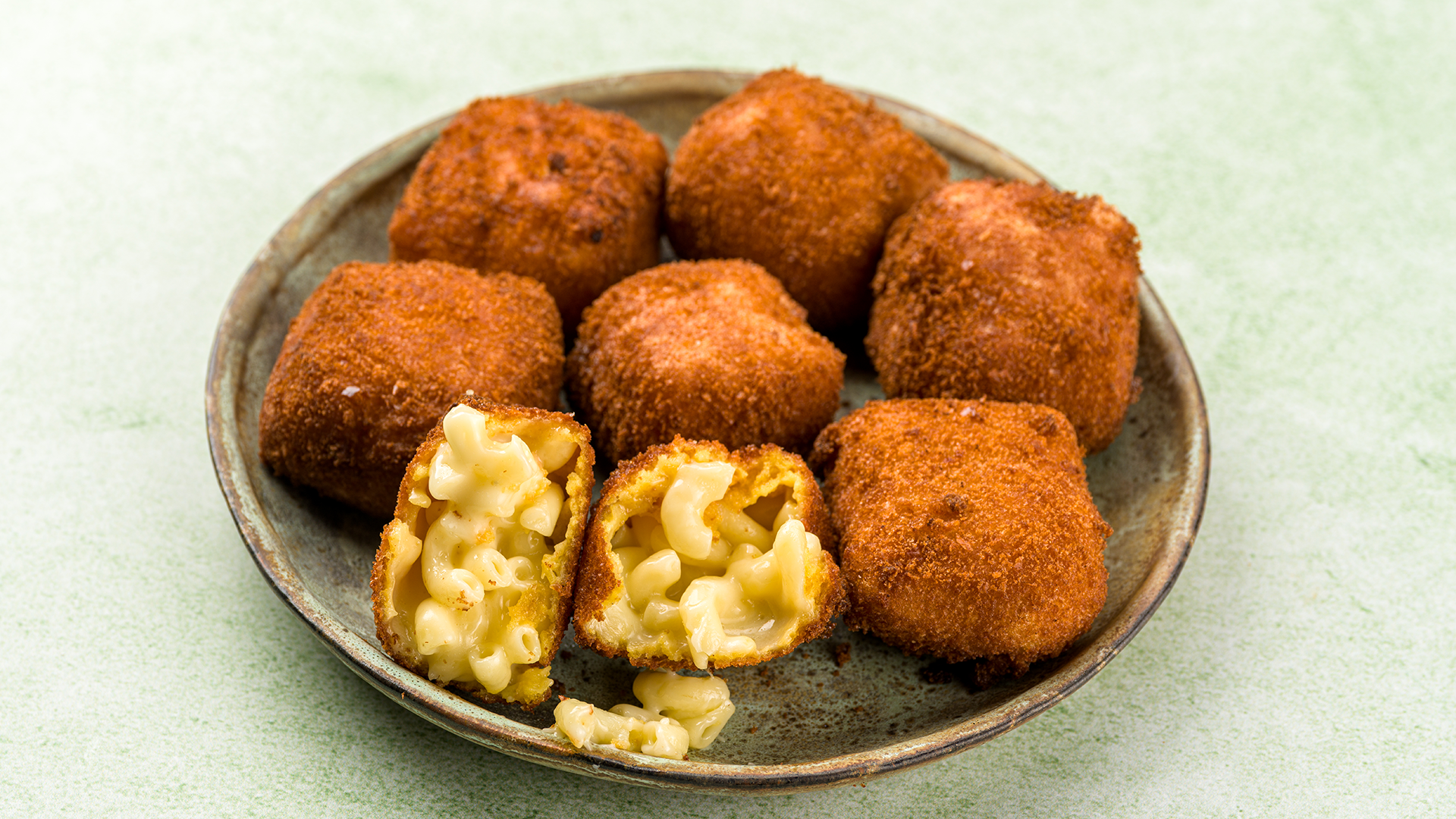
Furthermore, temperature control is essential. The fryer should be maintained at a steady 375°F (190°C). If the oil temperature drops too low, the breading absorbs excess oil, resulting in a greasy product. If it is too high, the exterior burns before the interior reaches the desired temperature. The 24-hour refrigeration window ensures the center of the square is cold enough to withstand the initial thermal shock of the hot oil, which is the final key to preventing blowouts.
Broader Impact on Home Cooking
The democratization of these once-esoteric ingredients—sodium citrate and sodium hexametaphosphate—has been facilitated by the rise of specialized culinary suppliers. Formerly available only through industrial food-grade distributors, these items are now accessible to the average home cook, enabling a level of precision that was previously reserved for high-end laboratories or Michelin-starred restaurants.
This shift represents a broader trend in the culinary world: the "modernist home." As home cooks adopt the tools of the professional trade, the standard for home-cooked meals is being redefined. The ability to successfully execute a dish that was once considered "impossible" or "too messy" provides a sense of accomplishment and elevates the home dining experience.
As the industry moves forward, the focus remains on perfecting the balance between tradition and innovation. The recipe for a blowout-free deep-fried mac and cheese is a prime example of how scientific understanding can preserve the soul of a classic dish while eliminating its most frustrating technical flaws. Whether viewed through the lens of a kitchen chemist or a home enthusiast, the result is a testament to the fact that when food science is applied correctly, the results are nothing short of culinary perfection.