The Ultimate Guide to Effortless No-Bake Summer Desserts: Beat the Heat with Chilled Delights

As the mercury rises and the days lengthen, typically from mid-June onwards, the prospect of operating a hot oven for an extended period becomes increasingly unappealing for many home chefs. This seasonal shift marks a predictable exodus from traditional baking methods towards cooler, more convenient culinary solutions, particularly in the realm of desserts. The demand for no-bake desserts surges during this period, transforming from a mere convenience into a highly anticipated culinary trend. These chilled creations are not simply a compromise for the heat; they represent a distinct category of dessert that offers unique textures, refreshing flavors, and an undeniable elegance, often surpassing their baked counterparts in warm-weather appeal. Their cool, creamy layers, often requiring only refrigeration or freezing to set, provide a refreshing contrast to the oppressive summer temperatures, making them a staple for seasonal entertaining and personal indulgence alike.
The Enduring Allure of No-Bake Desserts
The appeal of no-bake desserts extends beyond mere convenience. They often feature a delicate balance of textures, from the crispness of cookies or meringue to the silken smoothness of whipped cream or custards. The extended chilling time allows flavors to meld and ingredients to soften, creating a harmonious and deeply satisfying eating experience. This transformative process, where simple components like cookies and cream evolve into a sliceable, dreamlike confection overnight, is a hallmark of many no-bake recipes. Furthermore, their inherent simplicity often belies their impressive visual presentation, making them ideal for gatherings where time is a luxury but impact is desired.
The historical roots of no-bake desserts can be traced back to eras predating widespread refrigeration, where "iceboxes" (insulated cabinets cooled by blocks of ice) were essential household items. These early methods of chilling allowed for the creation of desserts that didn’t require an oven, making them accessible even in hot climates or during times when fuel for baking was scarce. The concept has evolved significantly, but the core principle of achieving structure and texture through chilling rather than heat remains central. Modern no-bake desserts leverage advances in dairy products, stabilizers, and readily available convenience items like graham crackers and instant puddings, making them more versatile and accessible than ever before.
Category Spotlight: The Unrivaled Icebox Cake
Among the pantheon of no-bake desserts, the icebox cake stands as a preeminent example of culinary ingenuity and seasonal appropriateness. Characterized by layers of cream and cookies that gradually soften and meld into a cohesive, sliceable cake during an overnight chill, these desserts are celebrated for their effortless preparation and sophisticated outcome. They require minimal active kitchen time, with the refrigerator performing the transformative work, making them a favorite for busy hosts.
-
Strawberry Malt Icebox Cake: A Contemporary Classic
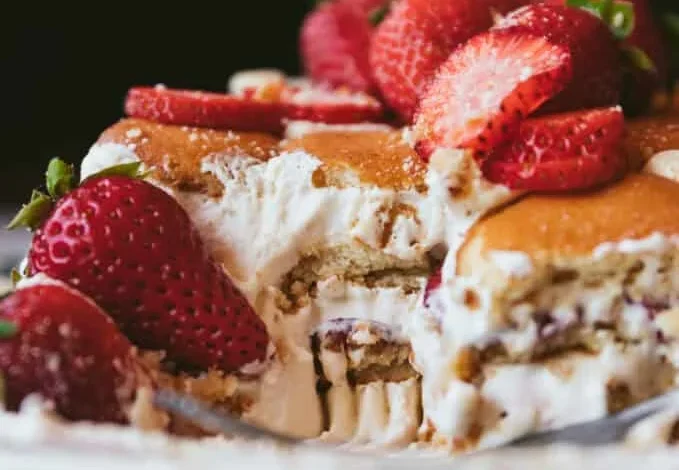
This particular iteration has rapidly gained popularity, becoming a summer obsession for many. It masterfully combines malted whipped cream, peak-season strawberries, and graham crackers into a chilled, ethereal confection. The malt introduces a nuanced, toasted flavor that complements the sweetness and slight tartness of fresh strawberries, creating a profile reminiscent of a gourmet strawberry milkshake translated into cake form. The graham crackers absorb moisture from the cream and fruit, softening to a cake-like consistency while still retaining a hint of their original texture.
- Preparation Profile: Requires approximately 20 minutes of active preparation, followed by an essential overnight chill (12-24 hours) for optimal texture development.
- Yield: Typically serves 8 individuals generously.
- Culinary Impact: The combination of familiar flavors with an unexpected malted twist often garners significant praise, presenting as both comforting and innovative. It capitalizes on the abundance of fresh summer berries, aligning with consumer preferences for seasonal ingredients.
- Expert Insight: Food critics often highlight the malt component as a sophisticated addition that elevates the classic strawberry-cream pairing, offering a depth of flavor beyond simple sweetness. Its high rating (5/5 from multiple reviews) underscores its consistent success.
-
No-Bake Tres Leches Icebox Cake: A Latin American Adaptation
The traditional Tres Leches cake, a beloved staple in Latin American cuisine, is renowned for its rich, milk-soaked sponge. This no-bake variant ingeniously captures that creamy, milky essence without the need for an oven. Utilizing crisp cookies or ladyfingers as a base, these are repeatedly layered with a luscious mixture of three milks (evaporated, condensed, and heavy cream), allowing the cookies to absorb the liquid and soften into a tender, cake-like texture.- Preparation Profile: Active preparation time averages 30 minutes, followed by a minimum of 8 hours of refrigeration for the layers to properly meld.
- Yield: Yields approximately 9 servings.
- Cultural Significance: This recipe demonstrates the adaptability of global culinary traditions to no-bake formats, making a complex flavor profile accessible with minimal effort. Its consistent ranking as one of the most requested recipes speaks to its broad appeal and satisfying authenticity.
- Market Trend: The enduring popularity of Tres Leches flavor profiles in desserts, beverages, and even confectionary items indicates a strong consumer demand for its rich, creamy characteristics. Its no-bake iteration taps into this trend while offering a simplified preparation method.
-
Cherry and Lemon Icebox Cake: Brightness Personified
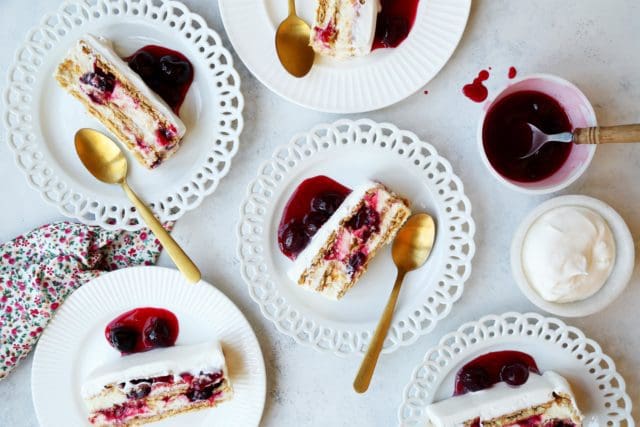
This dessert epitomizes summer refreshment, bringing together the vibrant tartness of cherries and the zesty brightness of lemon-infused whipped cream. Layers of graham crackers alternate with these key components, resulting in a dessert that is both invigorating and elegantly simple.- Preparation Profile: Requires approximately 25 minutes of active preparation and an overnight chill (8+ hours).
- Yield: Serves 9.
- Flavor Harmony: The interplay between sweet cherries and sharp lemon creates a sophisticated flavor profile that is simultaneously light and satisfying. This dessert leverages the seasonal availability of fresh cherries, enhancing its fresh appeal.
- Consumer Preference: Citrus and berry combinations consistently rank high in summer flavor preferences, indicating a strong market for desserts that offer a balance of sweet and tart.
No-Bake Frozen Desserts: The Ultimate Heatwave Solution
When temperatures soar to their peak, even refrigerated desserts might not feel cool enough. This is where frozen no-bake creations step in, offering an icy reprieve.
- Coffee Ice Cream Without an Ice Cream Maker: The No-Churn Revolution
The innovation of no-churn ice cream has democratized homemade frozen desserts, eliminating the need for specialized equipment. This coffee-flavored version exemplifies the technique, combining whipped cream, sweetened condensed milk, and robust coffee. The resulting mixture is frozen until it achieves a scoopable, luxuriously creamy consistency.- Preparation Profile: Remarkably quick active prep of 15 minutes, followed by 4-6 hours of freezing time.
- Yield: Serves 6-8.
- Culinary Science: The secret lies in the combination of sweetened condensed milk, which provides sweetness and a low freezing point, and whipped cream, which incorporates air and fat, preventing large ice crystal formation. This yields a remarkably smooth texture akin to traditional churned ice cream.
- Trend Analysis: No-churn ice cream recipes have seen a significant surge in popularity over the last decade, driven by consumer desire for homemade quality with minimal equipment and effort. Coffee, a globally beloved flavor, ensures broad appeal.
No-Bake Cakes & Layer Desserts: Grand Occasions, Minimal Effort
For those occasions that demand a show-stopping dessert without the stress of oven baking or complex techniques, these layered creations offer impressive visual appeal and exquisite taste.
-
No-Bake Eton Mess Sundaes: Deconstructed Elegance
A contemporary twist on the classic British Eton Mess, these sundaes present a delightful interplay of textures and flavors. Billowy whipped cream, crunchy crushed meringues, and macerated fresh strawberries are layered into individual serving glasses. The key here is immediate assembly and serving to maintain the meringue’s crispness, offering a dynamic textural experience.- Preparation Profile: A rapid 20 minutes of preparation with no cook or chill time, designed for instant gratification.
- Yield: 4 servings.
- Origin and Adaptation: The Eton Mess traditionally involves strawberries, meringue, and cream. This no-bake sundae version simplifies the assembly and presentation, making it perfect for individual portions and casual yet elegant entertaining.
- Entertaining Appeal: Individual desserts reduce serving complexities and offer a refined presentation, aligning with trends in personalized dining experiences.
-
The Neapolitan No-Bake Birthday Cake: A Trio of Flavors
Celebrating the timeless combination of chocolate, vanilla, and strawberry, this no-bake cake offers a visually striking and undeniably delicious option for special occasions. Layers of distinct flavored creams or mousses, interspersed with cake or cookie layers, come together to form a festive and vibrant dessert that appears far more complex than its preparation suggests.
- Preparation Profile: 20 minutes of active prep, followed by a 1-hour rest period for flavors to set. Total time is approximately 1 hour 20 minutes.
- Yield: 8-12 slices.
- Universal Appeal: The Neapolitan flavor profile is a universally recognized and beloved combination, ensuring broad appeal for diverse palates. Its layered structure and vibrant colors make it a natural centerpiece for celebrations.
- Event Planning: This cake addresses a common challenge for summer birthdays – how to deliver a celebratory cake without succumbing to the heat of an oven.
-
Creamy No-Bake Carrot Cake: Challenging Expectations
Initially met with skepticism, a no-bake carrot cake successfully reinterprets the beloved spiced classic. By focusing on the core flavors of carrot, cream cheese, and warming spices, and building layers with a suitable base (such as crushed biscuits or softened cake layers), this version achieves a cool, creamy texture while authentically capturing the essence of traditional carrot cake.- Preparation Profile: 30 minutes of active preparation, followed by a minimum 4-hour chill time.
- Yield: One 9-inch cake.
- Innovation in Classic Cuisine: This recipe demonstrates the potential for innovation within classic dessert categories, proving that traditional flavors can be successfully adapted to modern, convenience-driven preparation methods. Its high user rating (5/5 from 11 reviews) indicates its surprising success.
- Ingredient Focus: The use of fresh carrots (often finely grated and possibly lightly blanched or puréed for texture), cream cheese frosting elements, and warm spices like cinnamon and nutmeg are crucial for recreating the familiar flavor profile.
-
No-Bake Orange and Cream Pie: A Zesty Classic
A timeless recipe from culinary archives, this pie embodies simple summer perfection. It typically features a press-in crust (often made from crushed cookies or graham crackers), filled with a light, creamy orange-flavored mixture, and then chilled until firm. Its bright citrus notes make it particularly suitable for hot evenings.- Preparation Profile: 20 minutes of active prep, followed by a 2-hour chill.
- Yield: 1 pie, 8 slices.
- Nostalgic Appeal: This type of pie often evokes a sense of nostalgia, recalling simpler times and classic flavor combinations. The simplicity of a press-in crust further enhances its ease of preparation.
- Citrus Popularity: Citrus fruits are highly favored in summer desserts for their refreshing and palate-cleansing qualities, making orange and cream a perennial favorite.
Frequently Asked Questions: Navigating No-Bake Success
-
What defines a truly no-bake dessert?
A truly no-bake dessert, in the strictest sense, requires no heat application whatsoever from an oven or stovetop. The recipes highlighted here adhere to this principle, relying solely on mixing, layering, and subsequent chilling in a refrigerator or freezer to achieve their desired texture and set. This distinguishes them from recipes that might involve a brief stovetop cook for a custard or sauce, emphasizing maximum heat avoidance.
-
How far in advance can no-bake summer desserts be prepared?
Preparation timelines vary by recipe. Most icebox cakes, for instance, benefit significantly from an overnight chill (12-24 hours). This extended period is crucial for the cookies or crackers to absorb moisture and soften into a cake-like consistency, and for the flavors to fully meld. Frozen desserts like the no-churn coffee ice cream require a minimum of 4 to 6 hours to freeze solid enough for scooping. An important exception is individual layered desserts like Eton Mess Sundaes; these should be assembled and served immediately to preserve the crisp texture of components like meringues, which can soften quickly when exposed to moisture. -
What is the best no-bake dessert for a party or potluck?
For gatherings, the No-Bake Tres Leches Icebox Cake is highly recommended. Its preparation in a standard 9×13 inch pan makes it ideal for serving a crowd (9+ servings), and its sturdy, chilled nature allows it to travel well, provided it is kept adequately cool. The Neapolitan No-Bake Birthday Cake is a strong contender for its impressive visual impact and ability to cater to multiple flavor preferences, making it a celebratory and crowd-pleasing choice. -
Are any special equipment items necessary for no-bake desserts?
The beauty of no-bake desserts lies in their minimal equipment requirements. A hand mixer or stand mixer is highly beneficial for efficiently whipping cream to the desired consistency. Depending on the specific recipe, a loaf pan or a 9×13 inch baking dish will be needed for assembly. Beyond these basic kitchen tools, the most crucial "equipment" is patience, as the chilling or freezing time is indispensable for the dessert’s successful transformation. -
Can no-bake desserts be adapted for healthier dietary choices?
Modifications can be made to some recipes to align with healthier dietary goals, though results may vary. Swapping full-fat dairy products for lower-fat alternatives, such as light cream cheese or reduced-fat whipped topping, can reduce caloric and fat content. However, it is important to note that the fat content in dairy products plays a critical role in the stability and luxurious, sliceable texture of many no-bake layered desserts, particularly icebox cakes. Complete removal or drastic reduction of fat may compromise the final texture, leading to a less stable or less creamy result. For fruit-heavy options, increasing the proportion of fresh fruit can naturally boost nutritional value and fiber content. Adjusting sweeteners or using natural alternatives can also be explored, though this might impact the overall flavor balance.
In conclusion, no-bake desserts offer a versatile, delicious, and highly practical solution for summer entertaining and everyday indulgence. Their ease of preparation, refreshing qualities, and capacity for impressive presentation make them a celebrated category in modern culinary practices, proving that exceptional desserts don’t always require an oven.