
Gluten Free Quinoa Noodles

Gluten-Free Quinoa Noodles: A Comprehensive Nutritional and Culinary Guide
Quinoa, a pseudo-cereal native to the Andes, has gained immense popularity as a nutritious and versatile grain. Its protein content, complete amino acid profile, and fiber richness make it a standout in the world of healthy eating. This popularity has extended to the development of quinoa-based products, among which gluten-free quinoa noodles are a significant innovation. For individuals with celiac disease, gluten sensitivity, or those choosing a gluten-free lifestyle, quinoa noodles offer a satisfying and healthful alternative to traditional wheat-based pasta. This article delves into the nutritional advantages, culinary applications, and practical considerations of gluten-free quinoa noodles, providing an in-depth resource for consumers and culinary enthusiasts alike.
The nutritional profile of gluten-free quinoa noodles is a primary driver of their appeal. Unlike refined wheat noodles, which are often stripped of their natural nutrients, quinoa noodles retain the inherent goodness of their namesake grain. Quinoa is a complete protein, meaning it contains all nine essential amino acids that the human body cannot produce on its own. This is particularly beneficial for vegetarians, vegans, and those seeking to increase their protein intake without animal products. A typical serving of quinoa noodles provides a substantial amount of protein, contributing to muscle repair, satiety, and overall metabolic function. Furthermore, quinoa is an excellent source of dietary fiber, both soluble and insoluble. Fiber aids in digestion, promotes a healthy gut microbiome, and helps regulate blood sugar levels, preventing sharp spikes and crashes. This makes quinoa noodles a smart choice for individuals managing diabetes or seeking to improve their digestive health. The fiber content also contributes to a feeling of fullness, which can be instrumental in weight management efforts. Beyond protein and fiber, quinoa is also rich in essential minerals. It is a good source of manganese, which plays a role in bone health and metabolism. Magnesium, crucial for numerous bodily functions including nerve and muscle function, energy production, and blood pressure regulation, is also present in significant quantities. Phosphorus, vital for bone and teeth formation, and iron, essential for oxygen transport in the blood, are further nutritional assets of quinoa noodles. While the processing into noodles might slightly alter the exact mineral content compared to whole quinoa, they remain a significantly more nutrient-dense option than many other gluten-free pasta alternatives. Additionally, quinoa contains antioxidants, such as quercetin and kaempferol, which help combat oxidative stress in the body, potentially reducing the risk of chronic diseases. The absence of gluten, a protein found in wheat, barley, and rye, is the defining characteristic of these noodles, making them a safe and accessible option for individuals with gluten-related disorders.
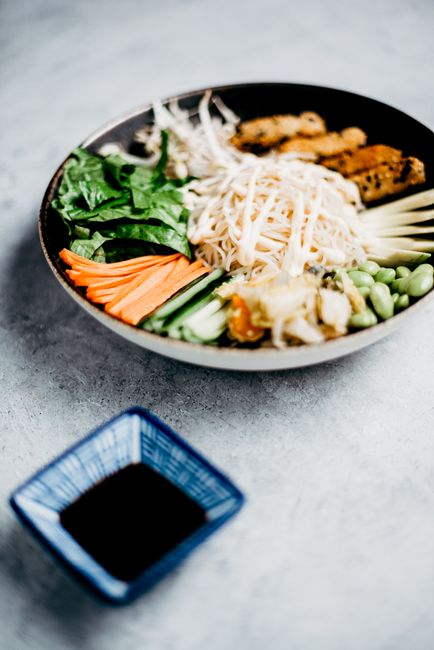
The versatility of gluten-free quinoa noodles in the kitchen is another compelling reason for their growing adoption. Their texture, while distinct from wheat pasta, is often praised for its pleasing chewiness and ability to hold sauces well. The flavor of quinoa noodles is generally mild and slightly nutty, a characteristic that complements a wide array of ingredients and culinary styles. One of the most straightforward applications is as a direct substitute for traditional pasta in any dish. Whether it’s a classic spaghetti bolognese, a creamy fettuccine alfredo, or a simple pesto pasta, quinoa noodles can be prepared and served in the same manner. Boiling time is typically similar to wheat pasta, though it’s always advisable to check package instructions as variations exist between brands and noodle thicknesses. For a healthier take on a classic, consider a marinara sauce packed with vegetables and lean protein, served over quinoa noodles. Stir-fries are another excellent avenue for quinoa noodles. Their ability to absorb flavors makes them ideal for soaking up savory sauces, ginger, garlic, and spices. Toss them with your favorite protein – chicken, tofu, shrimp, or beef – and a medley of crisp vegetables like broccoli, bell peppers, snap peas, and carrots for a complete and satisfying meal. The nutty undertones of the quinoa noodles can add an interesting dimension to the overall flavor profile of the stir-fry. Cold noodle salads are also a refreshing and popular choice, especially during warmer months. Quinoa noodles can be cooked and cooled, then tossed with a vinaigrette, chopped herbs, crunchy vegetables, and a protein source. Think of a Thai-inspired peanut noodle salad or a Mediterranean-style salad with cucumbers, tomatoes, olives, and feta. The structure of the noodles holds up well in cold preparations, preventing them from becoming mushy. Soups and broths benefit greatly from the addition of quinoa noodles. They can be added directly to simmering soups during the last few minutes of cooking, absorbing the broth’s flavors and adding substance to the meal. This is a fantastic way to boost the nutritional content of a simple chicken noodle soup or a vegetable broth-based stew. For those seeking to explore more creative culinary endeavors, quinoa noodles can even be used in baked dishes. Lasagna or baked ziti, when prepared with quinoa noodles, offer a gluten-free and protein-enhanced alternative to their wheat-based counterparts. The noodles will soften and absorb the sauces and cheeses beautifully during the baking process. When experimenting with different sauces and flavor combinations, consider the inherent taste of quinoa. Its mild nuttiness pairs well with earthy flavors like mushrooms, herbs like rosemary and thyme, and slightly sweet elements like roasted butternut squash. It also stands up well to bold flavors such as soy sauce, ginger, garlic, and chili.
When selecting gluten-free quinoa noodles, several practical considerations are important for consumers. Firstly, ingredient lists are crucial. While the ideal is 100% quinoa flour, many brands may blend quinoa flour with other gluten-free flours such as rice flour, corn flour, or tapioca starch. This blend can affect the texture, flavor, and nutritional profile. Pure quinoa noodles will generally have a more pronounced quinoa flavor and potentially a chewier texture. Those with multiple allergies or sensitivities should carefully scrutinize the ingredient list for any potential cross-reactants. Secondly, brand reputation and sourcing of ingredients can play a role. Some consumers prefer brands that are transparent about their sourcing practices and offer organic or non-GMO options. Certification is another key factor, especially for individuals with celiac disease. Look for certifications such as "Certified Gluten-Free" from reputable organizations. This ensures that the product has been tested and meets stringent standards for gluten content. The processing of quinoa noodles also varies. Some are extruded using bronze dies, which can create a rougher surface that holds sauce better. Others are made with Teflon dies, resulting in a smoother noodle. This difference can influence how well the noodles absorb sauce. Cooking times can also vary significantly between brands and types of quinoa noodles. It is always best to follow the package instructions precisely. Overcooking can lead to a mushy texture, while undercooking will result in a hard, unpalatable noodle. A good test for doneness is to taste a noodle; it should be tender but still have a slight bite (al dente). Rinsing cooked quinoa noodles under cool water can help prevent them from sticking together, especially if they are not going to be immediately incorporated into a sauce or dish. This is a common practice with many gluten-free pastas. Storage of uncooked quinoa noodles is generally straightforward. They should be kept in a cool, dry place, much like any other dried pasta, to maintain their freshness and prevent spoilage. Once cooked, leftovers should be stored in an airtight container in the refrigerator and consumed within a few days.
The growing demand for gluten-free products has fueled innovation in the food industry, and gluten-free quinoa noodles are a testament to this trend. As awareness of gluten-related disorders and the benefits of a gluten-free diet increases, so too does the market for alternatives that do not compromise on taste or nutrition. The culinary landscape has embraced quinoa, and its transformation into noodles has opened up new possibilities for home cooks and professional chefs alike. The development of these noodles represents a significant step forward in providing delicious and wholesome options for a wider range of dietary needs. The appeal of gluten-free quinoa noodles extends beyond those with specific dietary restrictions. Their impressive nutritional profile, particularly their high protein and fiber content, makes them an attractive choice for anyone looking to enhance the healthfulness of their meals. They offer a way to enjoy familiar pasta dishes with added nutritional benefits, contributing to a balanced and satisfying diet. The continued evolution of food science and culinary techniques promises further advancements in the texture and flavor of gluten-free alternatives, ensuring that options like quinoa noodles will only become more sophisticated and appealing.
The environmental and sustainability aspects associated with quinoa cultivation are also worth noting. Quinoa is known for its resilience and ability to grow in challenging environments, requiring less water and fewer pesticides than many traditional grains. This makes it a more sustainable crop, contributing to a more environmentally conscious food system. The production of gluten-free quinoa noodles, therefore, aligns with a broader movement towards sustainable and ethical food choices. As consumers become more discerning about the origins and impact of their food, the sustainable nature of quinoa adds another layer of appeal to these versatile noodles. The global supply chain for quinoa has also seen significant growth, making these noodles increasingly accessible in a wide variety of supermarkets and health food stores. This increased availability further solidifies their position as a mainstream gluten-free staple.
In conclusion, gluten-free quinoa noodles are a nutritional powerhouse and a remarkably versatile culinary ingredient. Their complete protein profile, rich fiber content, and essential mineral composition offer significant health advantages. Their mild, nutty flavor and satisfying texture make them a delightful substitute for traditional pasta, suitable for a vast array of dishes, from classic Italian fare to vibrant stir-fries and refreshing cold salads. By understanding ingredient lists, certifications, and cooking techniques, consumers can confidently incorporate these healthful noodles into their diets, enjoying delicious meals that cater to specific dietary needs and contribute to overall well-being. The ongoing innovation in the gluten-free market ensures that quinoa noodles will continue to be a valuable and popular choice for a health-conscious and diverse consumer base.


