
Honey Bbq Pulled Pork In The Slow Cooker

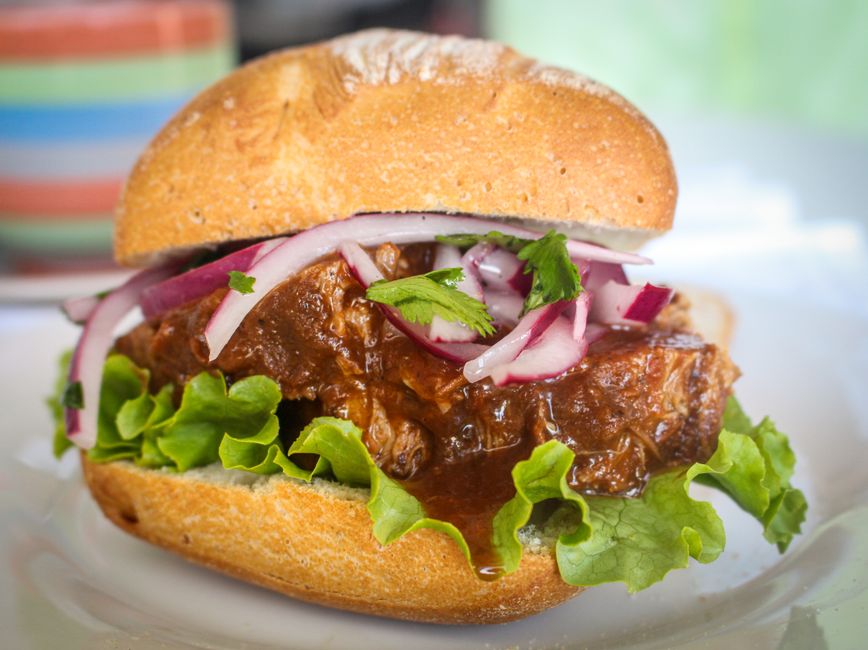
Slow Cooker Honey BBQ Pulled Pork: The Ultimate Guide to Tender, Flavorful, and Easy Meat
Achieving succulent, melt-in-your-mouth pulled pork doesn’t require hours of arduous labor or specialized equipment. The slow cooker, a culinary workhorse, simplifies this classic comfort food, infusing a pork shoulder with deep, smoky, and sweet honey BBQ flavors. This comprehensive guide delves into every aspect of crafting perfect slow cooker honey BBQ pulled pork, from selecting the ideal cut of meat to achieving optimal texture and flavor, and offers practical tips for maximizing your results and utilizing this versatile dish. Understanding the science behind slow cooking and the interplay of ingredients is paramount to consistently delicious outcomes. The low and slow cooking method breaks down tough connective tissues in the pork shoulder, such as collagen, into gelatin. This gelatin then lubricates the meat, resulting in an incredibly tender and juicy finished product. The acidity present in many BBQ sauces, like vinegar or tomato, also plays a crucial role in tenderizing the meat by denaturing proteins. Conversely, the sugars in honey and brown sugar caramelize during the cooking process, contributing to that irresistible sticky exterior and depth of flavor.
The foundation of exceptional slow cooker honey BBQ pulled pork lies in selecting the correct cut of meat. The undisputed champion for pulled pork is the pork shoulder, also known as pork butt or Boston butt. This cut is characterized by its generous marbling of fat and its abundance of connective tissue, both of which are essential for achieving the desired tenderness and moisture content. The fat renders down during the slow cooking process, basting the meat from within and preventing it from drying out. The connective tissue, as mentioned, breaks down into gelatin, contributing to that signature pull-apart texture. When purchasing a pork shoulder, aim for a cut that is at least 3-4 pounds, but larger cuts will also work, simply adjusting cooking time accordingly. Look for even marbling throughout the meat; avoid cuts that are overly lean. The skin should ideally be removed, though some recipes may leave a small amount of fat cap on. Trimming excessive fat is advisable, leaving about a ¼-inch layer to ensure moisture and flavor. A well-marbled pork shoulder is the key to unlocking the full potential of slow cooker pulled pork, preventing dryness and ensuring a rich, satisfying flavor profile.
Seasoning is the initial step in building the complex flavor of honey BBQ pulled pork. While the BBQ sauce will provide a significant portion of the flavor, a well-seasoned rub creates a flavorful crust and penetrates the meat. A fundamental rub for pulled pork typically includes salt, black pepper, garlic powder, onion powder, paprika (smoked paprika is highly recommended for an extra layer of smoky depth), and a touch of brown sugar for sweetness and caramelization. Some variations might include chili powder for a hint of heat, cayenne pepper for a spicier kick, or cumin for an earthy undertone. The salt not only seasons the meat but also helps to draw out moisture, which then reabsorbs the salt and other seasonings, leading to a more intensely flavored finished product. The sugar, when exposed to heat, caramelizes, creating a beautiful crust and contributing to the sticky texture of the pulled pork. For a truly SEO-friendly approach, consider keywords like "pulled pork seasoning," "pork shoulder rub," and "BBQ dry rub." Apply the rub generously to all sides of the pork shoulder, ensuring even coverage. Allow the seasoned pork to rest at room temperature for 30-60 minutes before placing it in the slow cooker to allow the seasonings to begin their work.
The liquid component in the slow cooker is crucial for maintaining moisture and infusing flavor. While some recipes opt for simply pouring BBQ sauce over the meat, incorporating additional liquids enhances the overall depth and complexity. A common base includes a portion of your chosen BBQ sauce, typically ½ to 1 cup, depending on the size of the pork shoulder and your desired sauciness. To this, add a liquid that complements the sweetness of the honey BBQ. Options include chicken broth or beef broth for a savory base, apple cider vinegar for a tangy counterpoint, or even a splash of beer (a lager or ale works well) for added complexity. Some recipes also incorporate Worcestershire sauce for its umami depth or soy sauce for a salty, savory boost. The acid from vinegar or even tomato-based sauces aids in tenderizing the pork. The combination of these liquids creates a flavorful braising liquid that the pork will simmer in for hours, allowing the flavors to meld and the meat to become exceptionally tender. For optimal SEO, keywords such as "slow cooker liquid for pulled pork," "braising liquid for pork," and "pulled pork cooking liquid" are important to integrate.
The honey BBQ sauce is the star of this dish. While store-bought sauces can be convenient, a homemade sauce offers unparalleled control over flavor and sweetness. A good honey BBQ sauce starts with a base of ketchup and typically includes honey for its signature sweetness. Other essential components often include brown sugar for caramelization, apple cider vinegar for tang, Worcestershire sauce for umami, mustard (Dijon or yellow) for a subtle bite, and spices like garlic powder, onion powder, and black pepper. For a smoky flavor, a touch of liquid smoke can be added, though smoked paprika in the rub can often suffice. The key to a successful honey BBQ sauce is achieving a balance between sweet, tangy, and savory. The honey, while providing sweetness, also contributes to the sticky, caramelized exterior of the pulled pork. Consider variations like adding a touch of sriracha for heat or a pinch of cinnamon for warmth. Many successful recipes start with a base of roughly equal parts ketchup and a mixture of honey and vinegar, then build from there with spices and other flavor enhancers. For SEO, incorporate terms like "homemade honey BBQ sauce," "easy BBQ sauce recipe," and "sweet and tangy pulled pork sauce."
Cooking time is a critical factor in achieving perfectly tender pulled pork in the slow cooker. Pork shoulder requires a significant amount of time to break down its connective tissues. The general guideline is 8-10 hours on low heat or 4-6 hours on high heat. However, these are estimates, and the most accurate indicator of doneness is internal temperature and texture. The pork is ready when it shreds easily with a fork and reaches an internal temperature of at least 195-205°F (90-96°C). Overcooking will not necessarily ruin the pork, but it can lead to a drier texture if not enough liquid is present. Undercooking will result in tough, unappetizing meat. It’s always better to err on the side of longer cooking times, as the slow cooker will maintain a consistent temperature. Periodically checking the tenderness towards the end of the cooking cycle is advisable. Keywords like "slow cooker pulled pork cooking time," "how long to cook pork shoulder," and "best temperature for pulled pork" will enhance search engine visibility.
Once the pork shoulder is cooked to perfection, the shredding process begins. Remove the pork from the slow cooker, reserving the cooking liquid. Place the pork on a clean cutting board or in a large bowl. Using two forks, or specialized meat claws, shred the pork into bite-sized pieces. The meat should come apart easily. If it’s still a little tough to shred, return it to the slow cooker for another 30-60 minutes. Once shredded, return the pork to the slow cooker with a portion of the reserved cooking liquid and your prepared honey BBQ sauce. Stir to combine, ensuring the shredded pork is evenly coated. This step is crucial for rehydrating the meat and infusing it with the final BBQ flavor. Allow it to simmer in the sauce for another 20-30 minutes to absorb the flavors. This final simmering period allows the sauce to thicken slightly and adhere beautifully to the shredded pork. For SEO, use terms such as "shredding pulled pork," "how to pull pork," and "tender pulled pork."
The versatility of slow cooker honey BBQ pulled pork is a significant advantage. It’s not just for sandwiches. Consider these popular serving suggestions:
- Classic Pulled Pork Sandwiches: Serve on toasted buns with coleslaw and pickles.
- Nachos: Pile pulled pork over tortilla chips with cheese, jalapeños, and your favorite nacho toppings.
- Tacos: Fill tortillas with pulled pork, salsa, avocado, and sour cream.
- Loaded Baked Potatoes: Top baked potatoes with pulled pork, cheese, chives, and sour cream.
- BBQ Bowls: Serve over rice or quinoa with a side of corn or beans.
- Salad Topping: Add to a bed of greens for a hearty and flavorful salad.
- Appetizers: Mini pulled pork sliders or miniature tacos make great appetizers.
For SEO, focus on phrases like "pulled pork sandwich recipe," "pulled pork tacos," "pulled pork nachos," and "ways to serve pulled pork."
Storage and reheating are essential for enjoying this delicious dish over several days. Cooled pulled pork can be stored in an airtight container in the refrigerator for up to 3-4 days. To reheat, gently warm it on the stovetop over low heat, in the microwave, or in a covered oven at 300°F (150°C). Adding a splash of water, broth, or extra BBQ sauce during reheating can help maintain moisture. Slow cooker honey BBQ pulled pork also freezes exceptionally well. For best results, freeze in individual portions or family-sized containers for up to 3 months. Thaw overnight in the refrigerator before reheating. Keywords for this section include "storing pulled pork," "reheating pulled pork," and "freezing pulled pork."
Troubleshooting common issues can help ensure consistent success. If your pulled pork is dry, it might be due to insufficient fat in the cut of meat, undercooking, or not enough liquid in the slow cooker. Adding more liquid or sauce during the cooking process or during the final shredding and saucing phase can help. If the meat is tough, it likely needs more cooking time. Conversely, if the sauce is too thin, you can thicken it by simmering it uncovered on the stovetop or by creating a slurry of cornstarch and water, adding it to the sauce, and simmering until thickened. For SEO, search terms like "pulled pork dry," "tough pulled pork," and "thin BBQ sauce" can be targeted.
To further optimize for search engines, consider the following content strategies:
- Recipe Variations: Offer variations like "spicy honey BBQ pulled pork," "slow cooker apple cider pulled pork," or "smoky honey BBQ pulled pork" to capture a wider range of search queries.
- Ingredient Focus: Highlight specific ingredients like "best pork shoulder for pulled pork" or "homemade honey BBQ sauce ingredients."
- Dietary Modifications: If applicable, provide gluten-free or low-sugar variations, using keywords like "gluten-free pulled pork" or "sugar-free BBQ pulled pork."
- "How-To" Guides: Frame sections as step-by-step instructions using "how to make," "how to cook," and "how to shred."
- Comparisons: Briefly compare slow cooker methods to other methods like oven-braised or grilled pulled pork, using terms like "slow cooker vs oven pulled pork."
- Visual Content: While not text-based, remember that high-quality images and videos significantly boost engagement and SEO.
The appeal of slow cooker honey BBQ pulled pork lies in its incredible ease of preparation and its universally loved flavor profile. It’s a dish that can be prepared with minimal effort, allowing for busy schedules, yet delivers a restaurant-quality taste and texture. The inherent sweetness of honey, balanced by the tang of vinegar and the savory depth of spices, creates a harmonious and addictive flavor that appeals to a broad audience. The tender, fall-apart texture makes it incredibly satisfying and adaptable to a multitude of culinary applications. By understanding the fundamental principles of slow cooking, proper ingredient selection, and strategic seasoning, anyone can master the art of creating perfect slow cooker honey BBQ pulled pork, a true crowd-pleaser and a cornerstone of comfort food cuisine. The ability to prepare a large batch in advance also makes it an ideal choice for meal prepping, parties, or gatherings, ensuring delicious and convenient food is always on hand.


