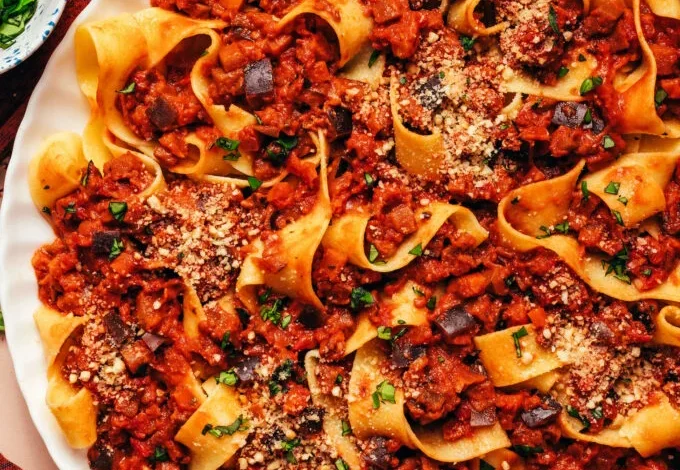
The landscape of modern home cooking continues to evolve toward efficiency, sustainability, and plant-forward nutrition. In a recent addition to contemporary culinary trends, recipe developers have introduced a streamlined approach to a traditional Italian staple: the one-pot eggplant bolognese. Designed to leverage late-summer produce while minimizing kitchen cleanup, this vegan-friendly iteration offers a compelling study in how classic meat-based dishes can be successfully adapted to modern dietary preferences without sacrificing depth of flavor or structural integrity.
Historical Context and Evolution of Bolognese Sauce
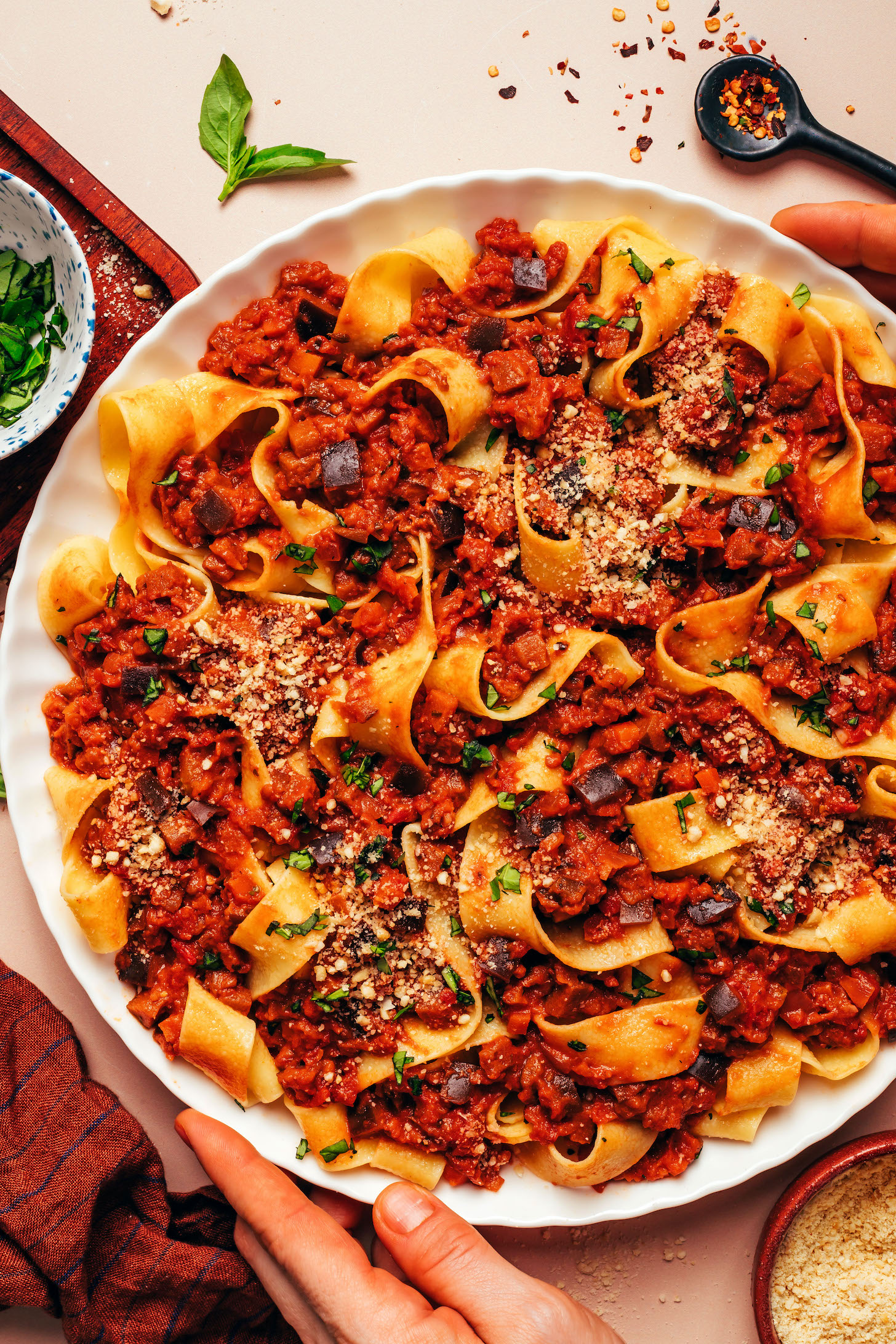
To understand the significance of this contemporary adaptation, one must examine the origins of the original dish. Traditional ragù alla Bolognese traces its roots to the Emilia-Romagna region of Italy, specifically the city of Bologna. Historically documented as early as the late 18th century, authentic ragù is a meat-based sauce characterized by a foundational soffrito—a finely diced mixture of onions, celery, and carrots—alongside pancetta, minced or ground beef, white wine, broth, and a minimal amount of tomato paste or tomato passata. The inclusion of dairy, typically whole milk, is a hallmark of the traditional recipe, added to tenderize the meat and mellow the acidity of the tomatoes during a slow, hours-long simmer.
Over the decades, global adaptations of bolognese have proliferated, driven by shifts in dietary consciousness, economic factors, and the rise of plant-based eating. Culinary innovators have experimented with various non-traditional proteins and vegetables to mimic the hearty, umami-rich profile of the original meat sauce. Previous iterations in contemporary recipe archives have utilized red lentils, mushrooms, tempeh, and chickpeas. The introduction of eggplant as the primary textural vehicle represents a seasonal focus, particularly optimized for late summer when Solanaceae crops—nightshades such as eggplants and tomatoes—reach peak ripeness and availability.
Culinary Mechanics: Achieving Depth in a Single Pot
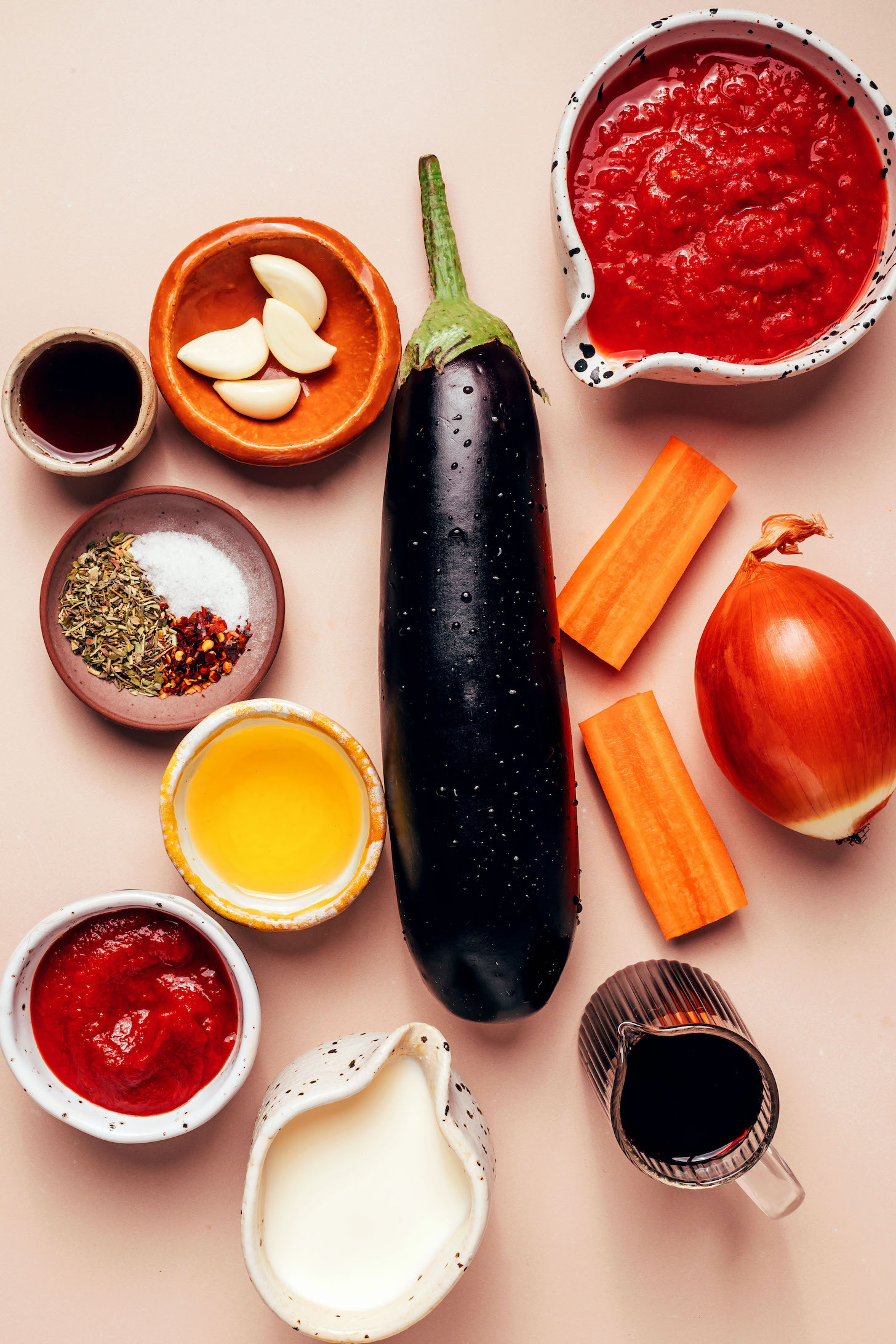
The technical challenge of developing a plant-based bolognese lies in replicating the rich, savory mouthfeel and complex flavor profile traditionally provided by slow-cooked meat and animal fats. The newly introduced eggplant bolognese addresses this through a precise sequence of culinary techniques executed within a single Dutch oven or heavy-bottomed pot.
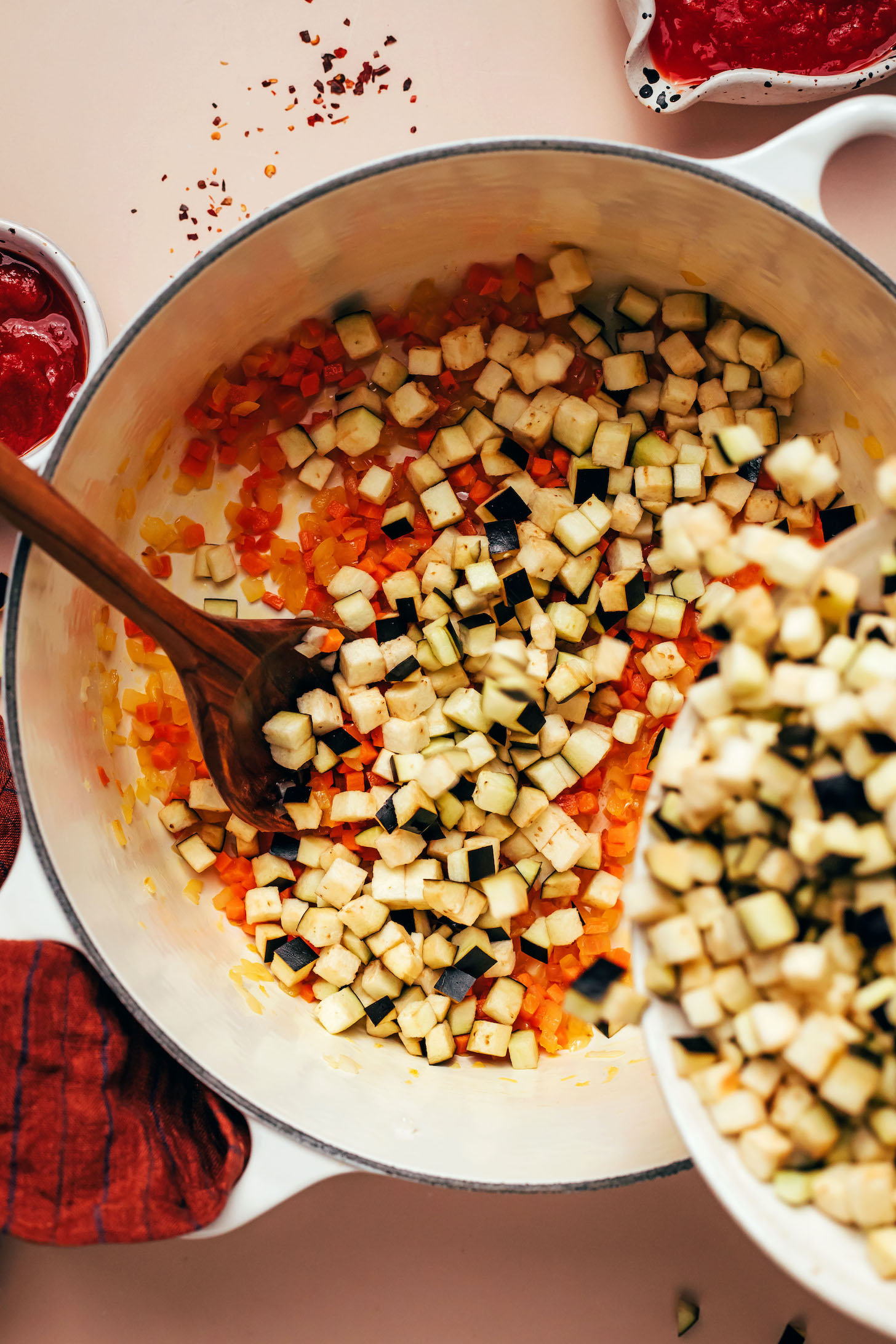
The process begins with the foundational soffrito, specifically utilizing onions and carrots sautéed in olive oil to establish a sweet and savory base. Unlike traditional multi-vessel pasta sauces that require separate pans for browning meats or roasting vegetables, this method incorporates finely cubed eggplant directly into the aromatic base. Allowing the eggplant to sauté until thoroughly softened and browned is a critical step; this caramelization process develops deep umami notes that compensate for the absence of meat.
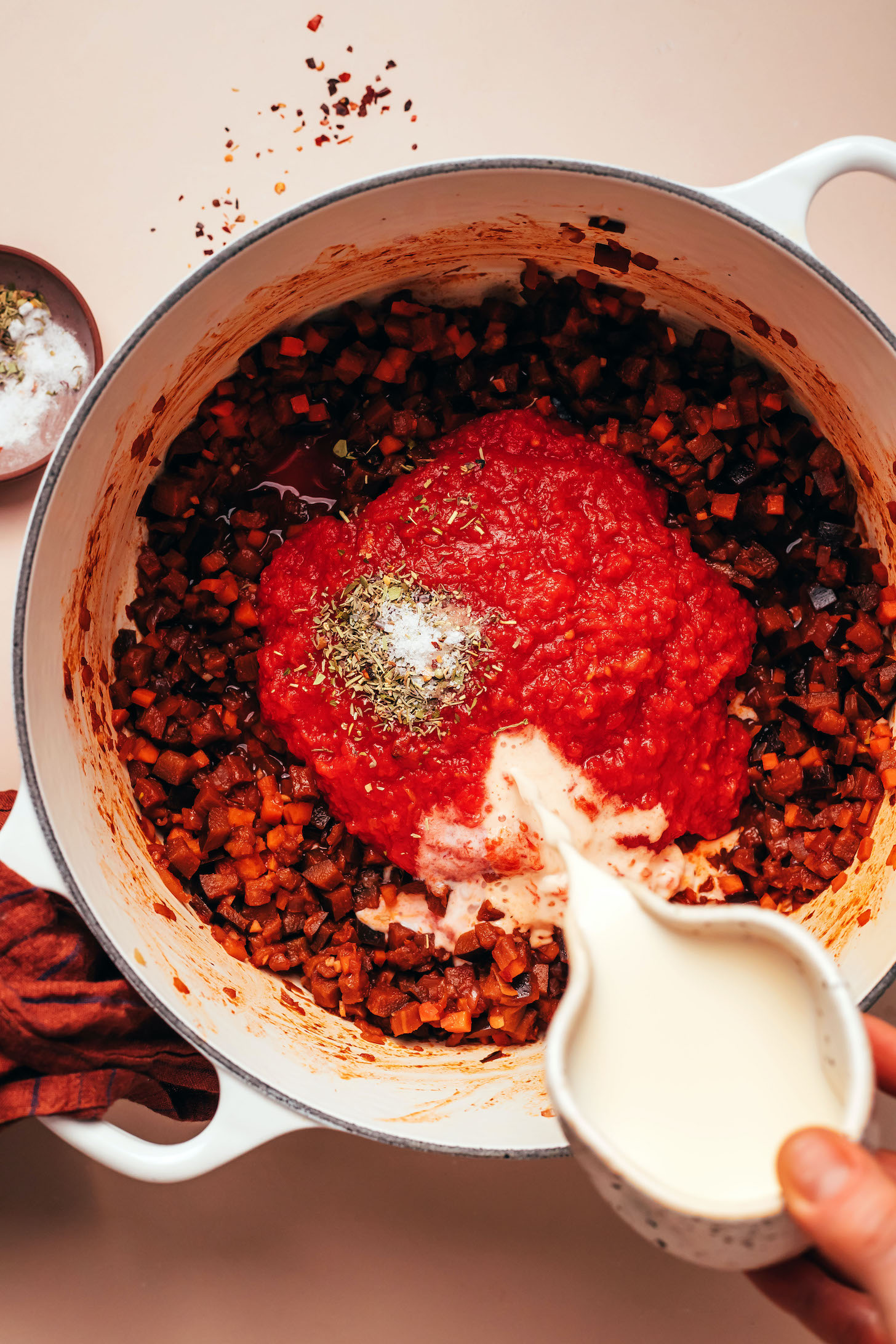
Subsequent steps involve deglazing the pot with white wine, a classic technique that lifts browned fond from the bottom of the vessel while introducing acidity and complexity. The addition of crushed tomatoes and tomato paste ensures a vibrant, tomato-forward foundation, which is then balanced by the unexpected inclusion of dairy-free milk—specifically homemade cashew milk—to replicate the traditional creaminess of authentic Bolognese. Seasonings such as garlic, red pepper flakes, dried basil, oregano, sea salt, and a touch of maple syrup to neutralize residual tomato acidity complete the flavor architecture.
Nutritional Profile and Dietary Implications
From a nutritional standpoint, the eggplant bolognese offers distinct advantages over its meat-based predecessor, aligning with growing consumer demand for heart-healthy, fiber-dense meals. Laboratory and dietary analyses of a standard serving reveal a macro-nutrient breakdown that favors sustained energy and cardiovascular health.
A single serving of the dish contains approximately 284 calories, derived primarily from complex carbohydrates and healthy monounsaturated fats. Notably, the dish delivers 31.9 grams of carbohydrates balanced by an impressive 8.3 grams of dietary fiber, largely contributed by the eggplant, carrots, and tomatoes. Protein content stands at 6.6 grams per standard portion, though culinary experts note that this can be easily augmented through the inclusion of lentil-based pasta, red lentils stirred directly into the sauce, or complementary plant-based protein sources such as vegan meatballs or chickpeas.
Crucially, the recipe maintains a low saturated fat profile at 2.5 grams per serving and contains zero cholesterol, making it an attractive option for individuals managing cardiovascular risk factors or adhering to strict plant-based diets. Furthermore, the high potassium content (1,040 milligrams) and significant levels of vitamins A and C underscore the nutritional density inherent in utilizing fresh, whole-food seasonal produce.
Preparation Chronology and Kitchen Efficiency
Designed with modern time constraints in mind, the recipe reduces the traditional multi-hour labor investment associated with classic Italian ragù into a manageable 45-minute window.
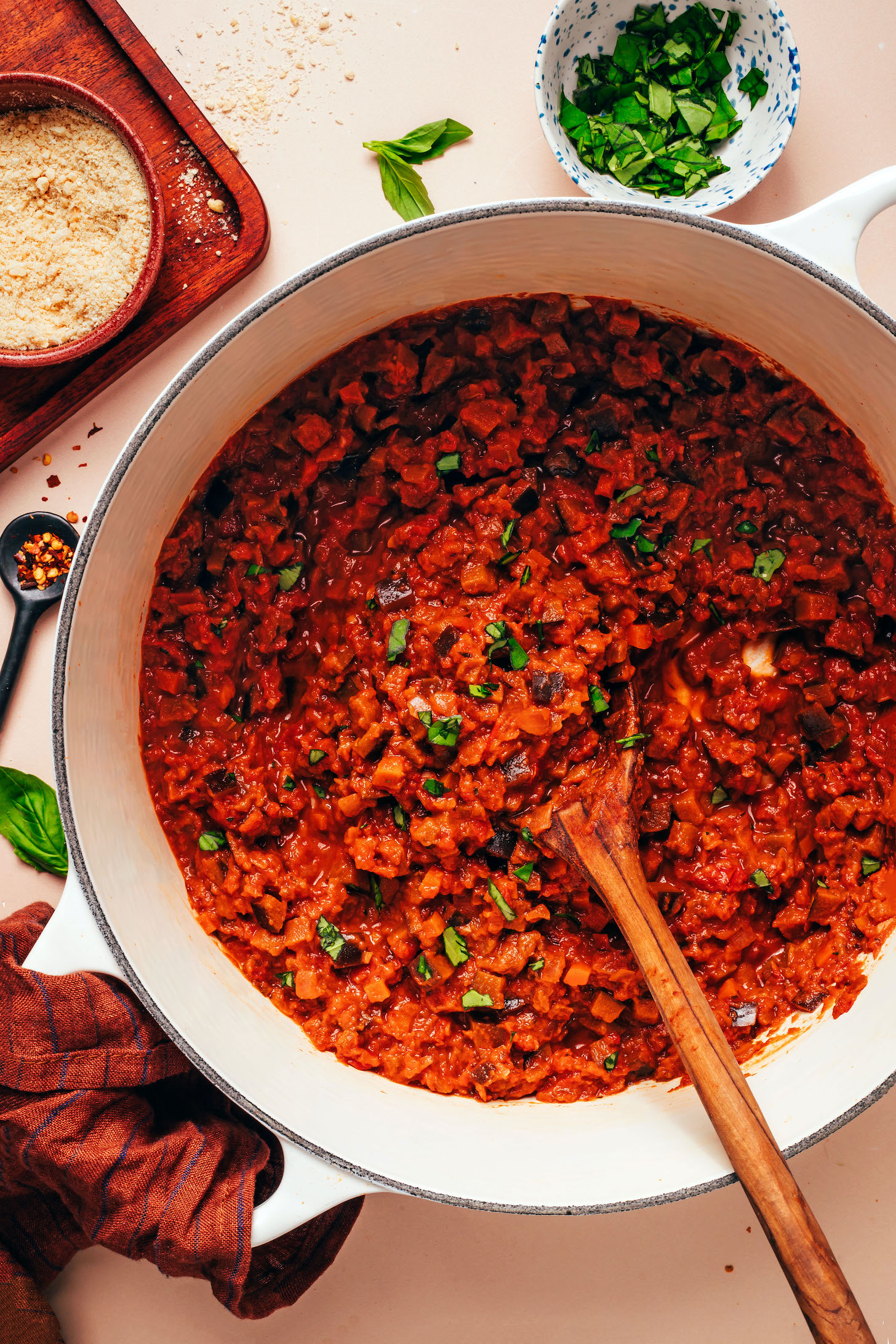
The preparation timeline is structured as follows:
- Preparation Phase (15 minutes): Involves washing, dicing, and measuring all ingredients, including finely cubing the eggplant and preparing the dairy-free cashew milk if made from scratch.
- Cooking Phase (30 minutes): Encompasses the initial sautéing of the soffrito, the browning of the eggplant, deglazing with wine, incorporating the tomatoes and seasonings, and the mandatory simmering period.
- Simmering Dynamics: While a 20-to-30-minute simmer is sufficient to thicken the sauce and marry the flavors as excess liquid evaporates, the recipe accommodates extended simmering times of up to one hour for cooks seeking a more concentrated flavor profile.
Storage, Freezing, and Scalability
In response to consumer interest in meal prepping and batch cooking, the recipe has been formulated to withstand various storage conditions without compromising structural integrity or taste. Finished eggplant bolognese maintains optimal freshness when stored in an airtight container in the refrigerator for three to four days.
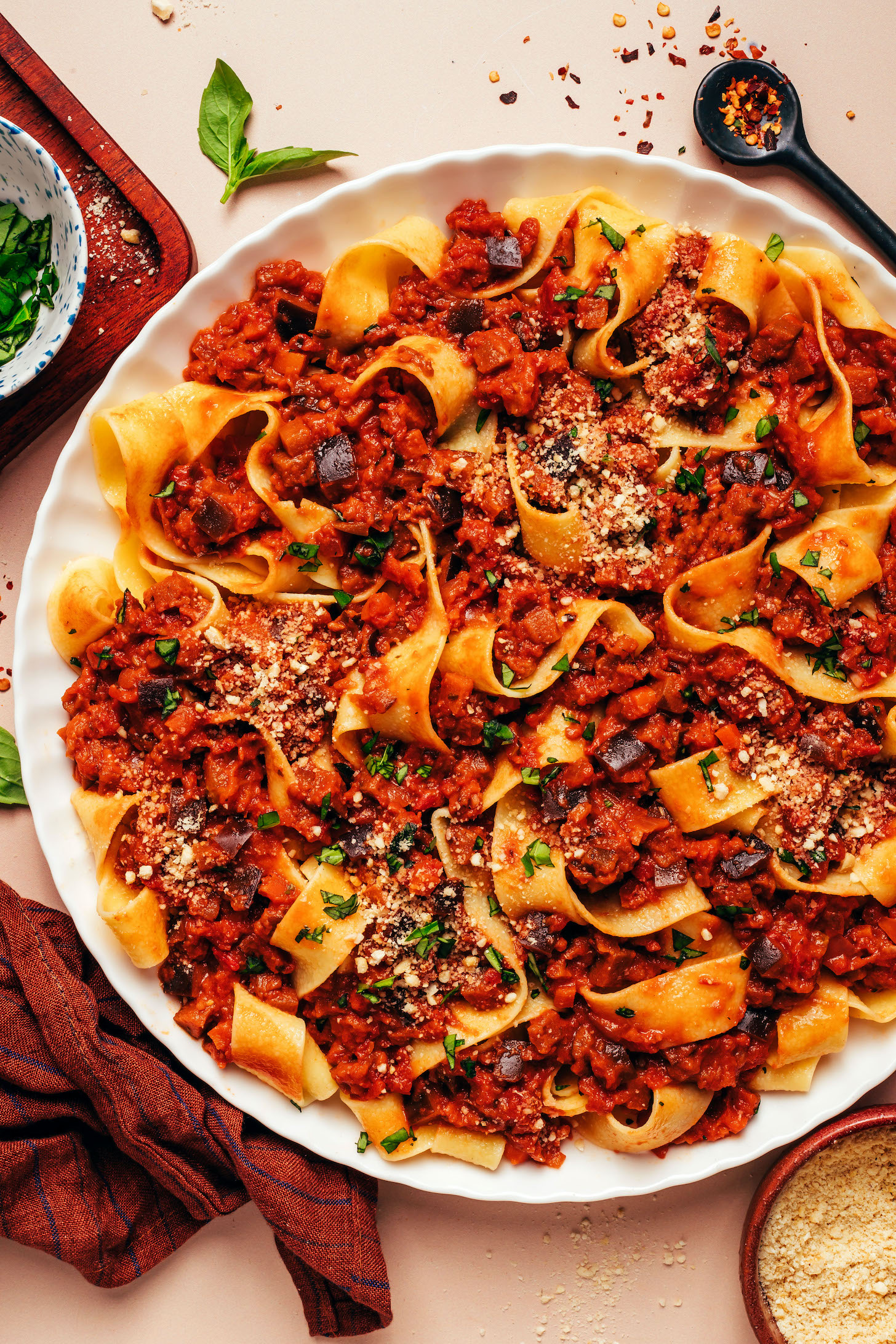
For longer-term preservation, the sauce is classified as freezer-friendly, retaining its core flavor characteristics for up to one month when stored in appropriate freezer-safe containers. This characteristic makes it a practical solution for household inventory management, reducing food waste and providing a reliable, quick-assembly meal option for busy weeknights.
Broader Economic and Culinary Impact
The proliferation of single-pot vegetable-forward recipes reflects broader shifts in contemporary food culture, influenced by economic pressures, environmental considerations, and a renewed appreciation for home-cooked meals. By utilizing accessible pantry staples alongside seasonal produce like eggplant, home cooks can achieve restaurant-quality results with minimal equipment and cleanup.
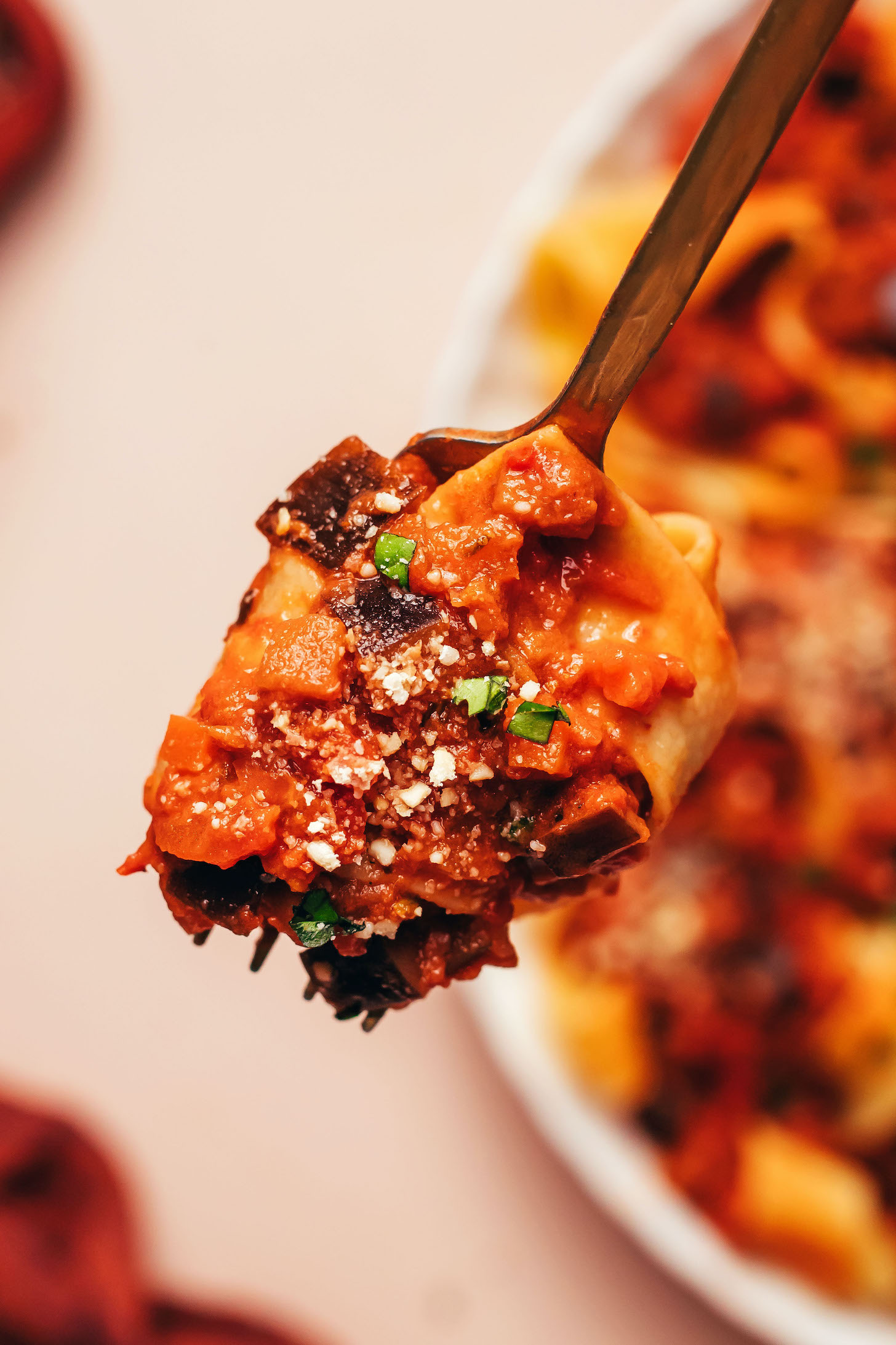
Food industry analysts note that the trend toward simplified cooking methods—particularly those that consolidate multi-step processes into a single vessel—resonates strongly with demographics seeking convenience without sacrificing culinary authenticity. As home cooking trends continue to prioritize efficiency and health-conscious alternatives, innovations in vegetable-based sauces like the eggplant bolognese demonstrate the enduring adaptability of classic global cuisines to modern dietary paradigms.