
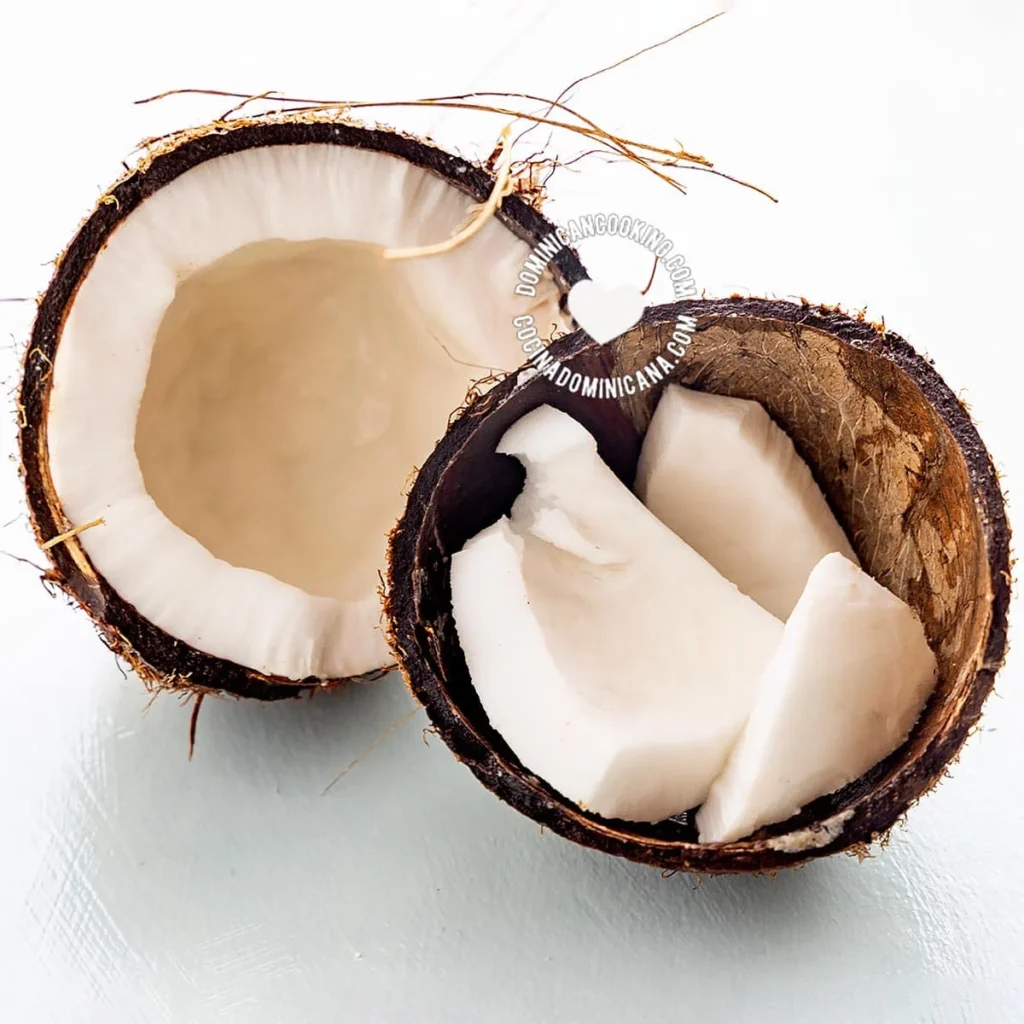
The culinary integration of fresh coconut meat and water remains a cornerstone of tropical gastronomy, yet accessing the interior of the drupe historically presents a significant mechanical challenge for home cooks and commercial kitchens alike. Culinary traditions across the Caribbean, Latin America, and Southeast Asia rely heavily on fresh coconut for curries, desserts, and beverages. However, the botanical resilience of the coconut shell—designed by nature to protect the seed during ocean dispersion—frequently deters culinary enthusiasts. Recent culinary guides, spearheaded by food researchers and cultural authorities such as Clara Gonzalez of Dominican Cooking, have sought to demystify this kitchen hurdle by establishing standardized, safe, and efficient extraction methodologies.
Historical Context and Botanical Anatomy of the Coconut
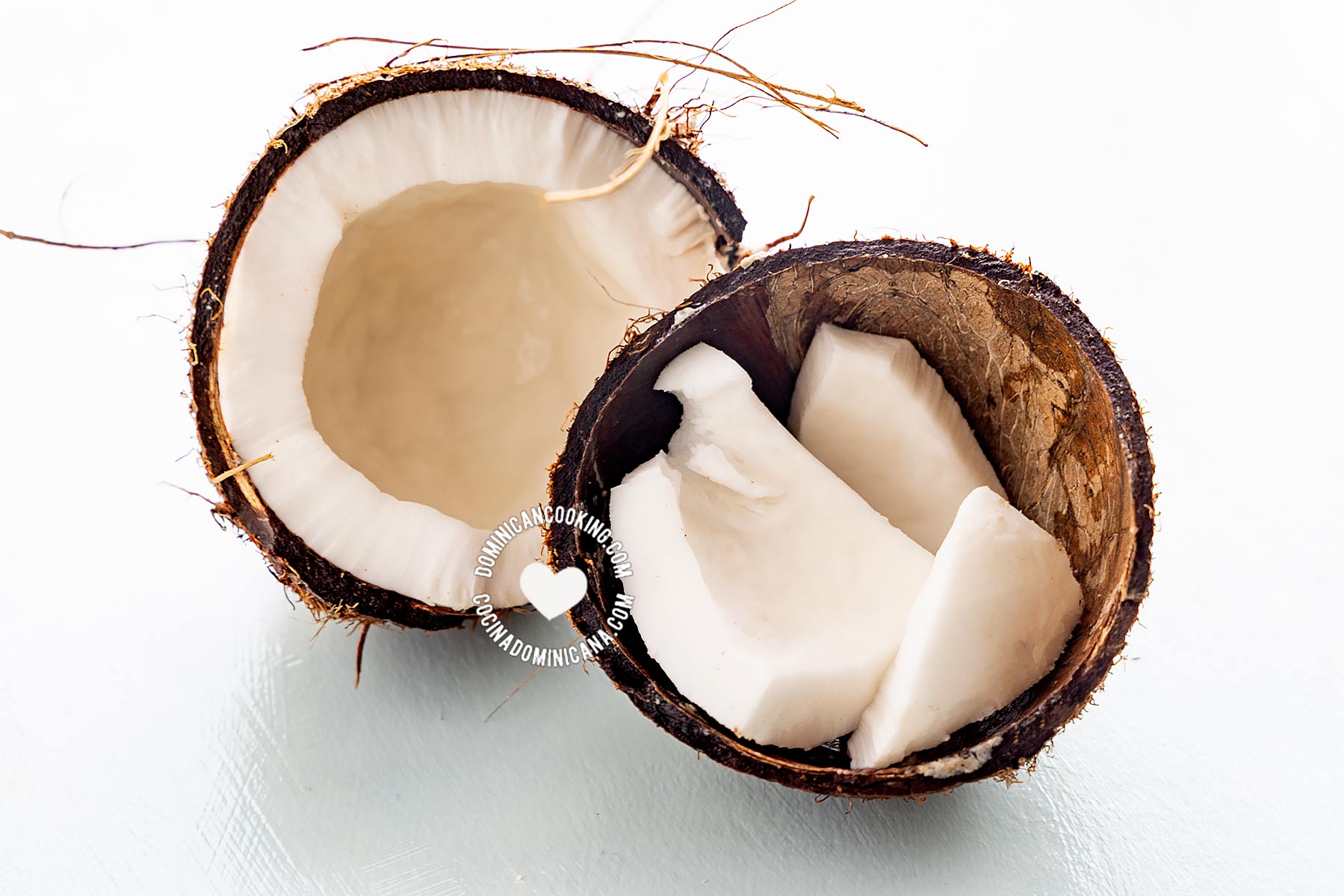
Understanding the structural integrity of the coconut is the first step toward efficient processing. Botanically classified as a fibrous one-seeded drupe, Cocos nucifera features a thick exocarp and mesocarp that are typically removed before the product reaches mainstream international markets. What consumers encounter in grocery stores is the inner endocarp, commonly referred to as the hard brown shell, which encases the solid endosperm (coconut meat) and liquid endosperm (coconut water).
Historically, coastal communities developed specialized tools, such as sharpened wooden stakes embedded in the ground, to strip the outer husks and fracture the internal shell. In contemporary urban kitchens, home cooks lack specialized agricultural implements, leading to reliance on standard household tools. The methodology popularized by culinary experts bridges this gap by utilizing common hardware items—specifically, a flathead screwdriver and a household hammer—to achieve precise mechanical failure of the shell without compromising the edible contents.
Step-by-Step Methodological Chronology for Coconut Extraction
The modern kitchen technique for processing a whole coconut is a sequential operation requiring precision, safety gear, and specific environmental considerations to prevent property damage.
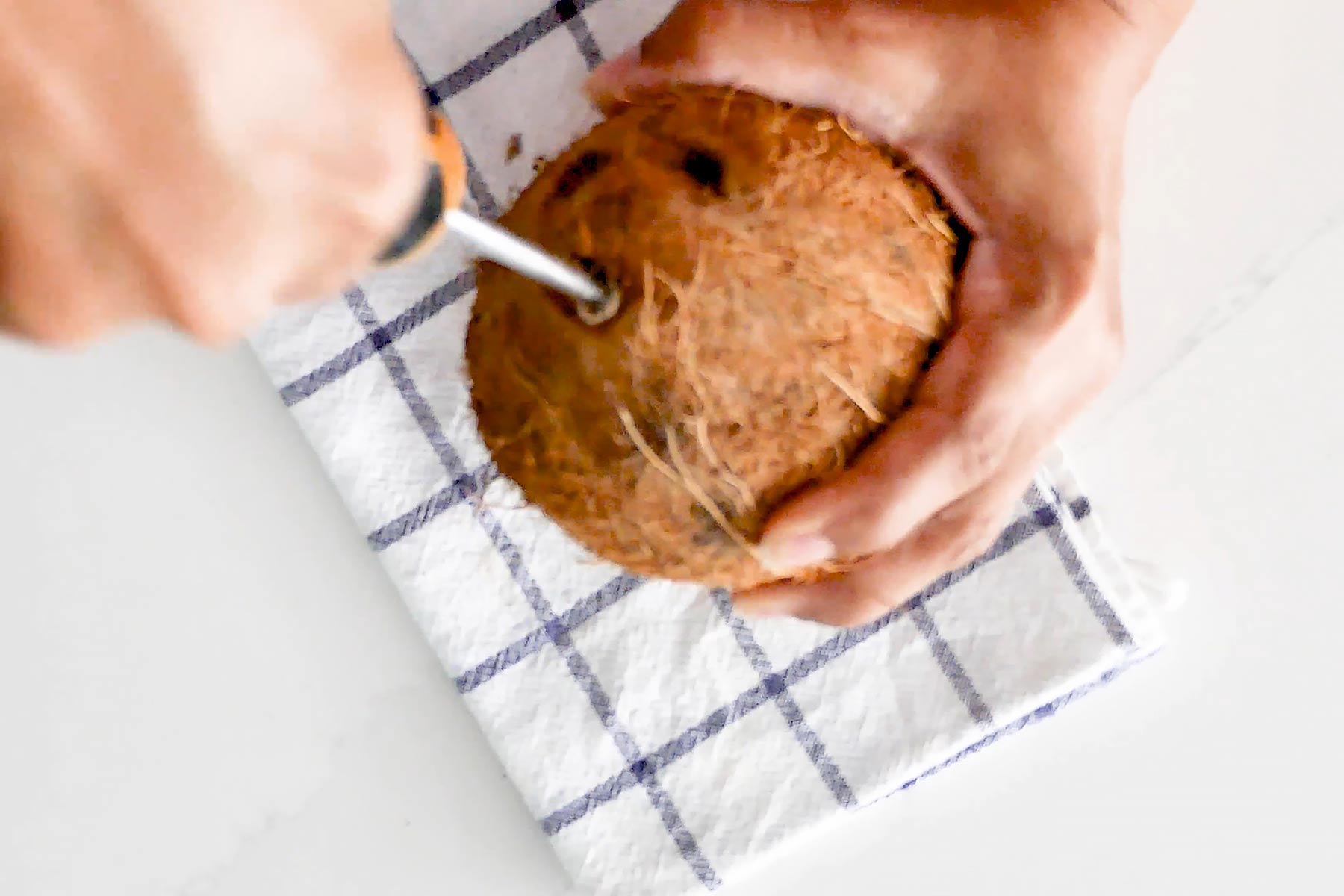
The process begins with the identification and perforation of the germination pores, colloquially known as the "eyes." Located on the proximal end of the coconut face, these three indentations represent the weakest structural points of the endocarp. Culinary protocols dictate the use of a sanitized flathead screwdriver to puncture the softest eye—the one naturally backed only by a thin layer of flesh. By applying moderate pressure and twisting the tool, the operator creates an aperture large enough to facilitate the evacuation of the liquid.
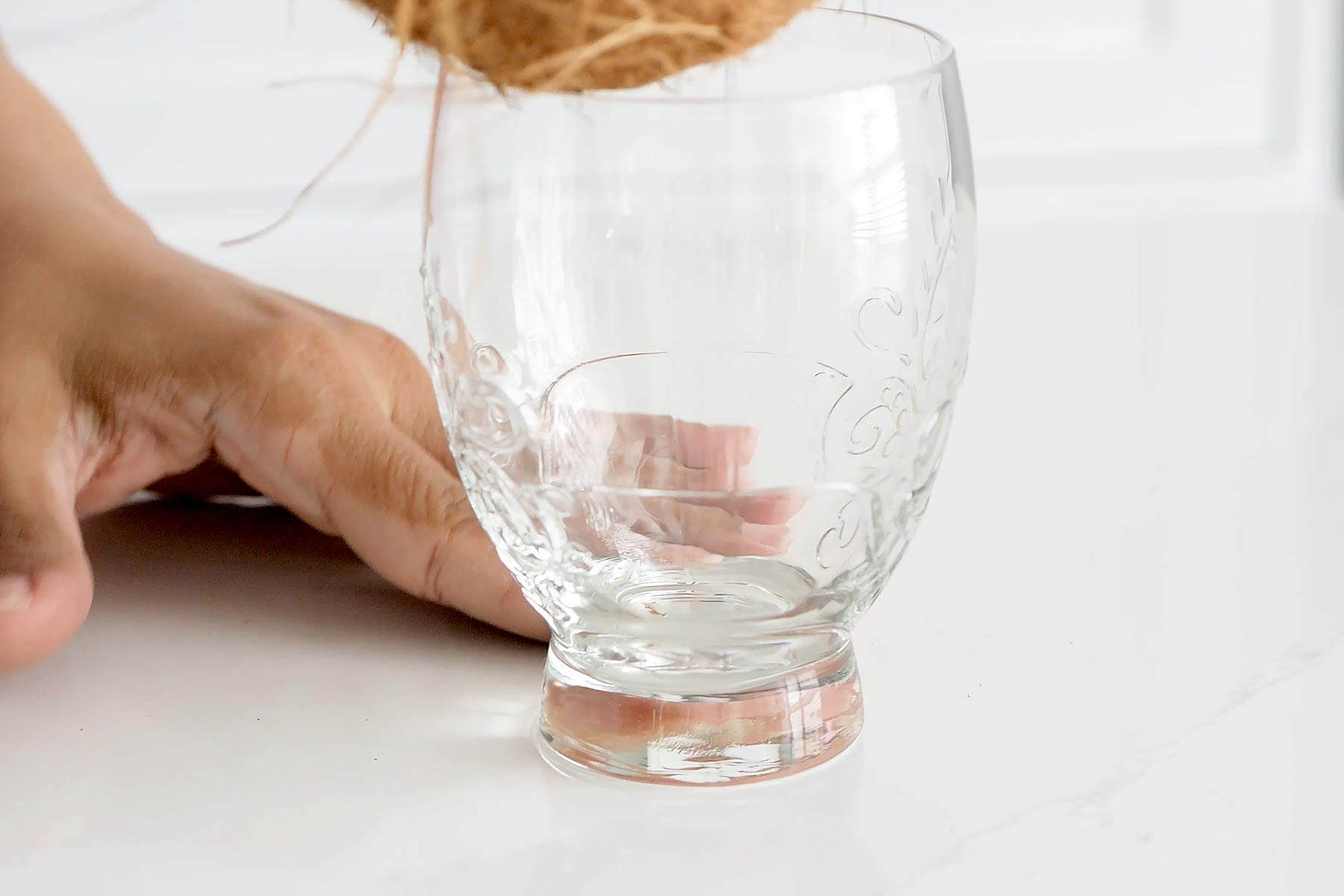
Following perforation, the extraction of the coconut water proceeds via gravity. The coconut is inverted over a receptacle, such as a glass or bowl, allowing the internal fluid to drain completely. Gentle agitation of the drupe accelerates this phase, ensuring no liquid remains to interfere with subsequent dry-processing steps.
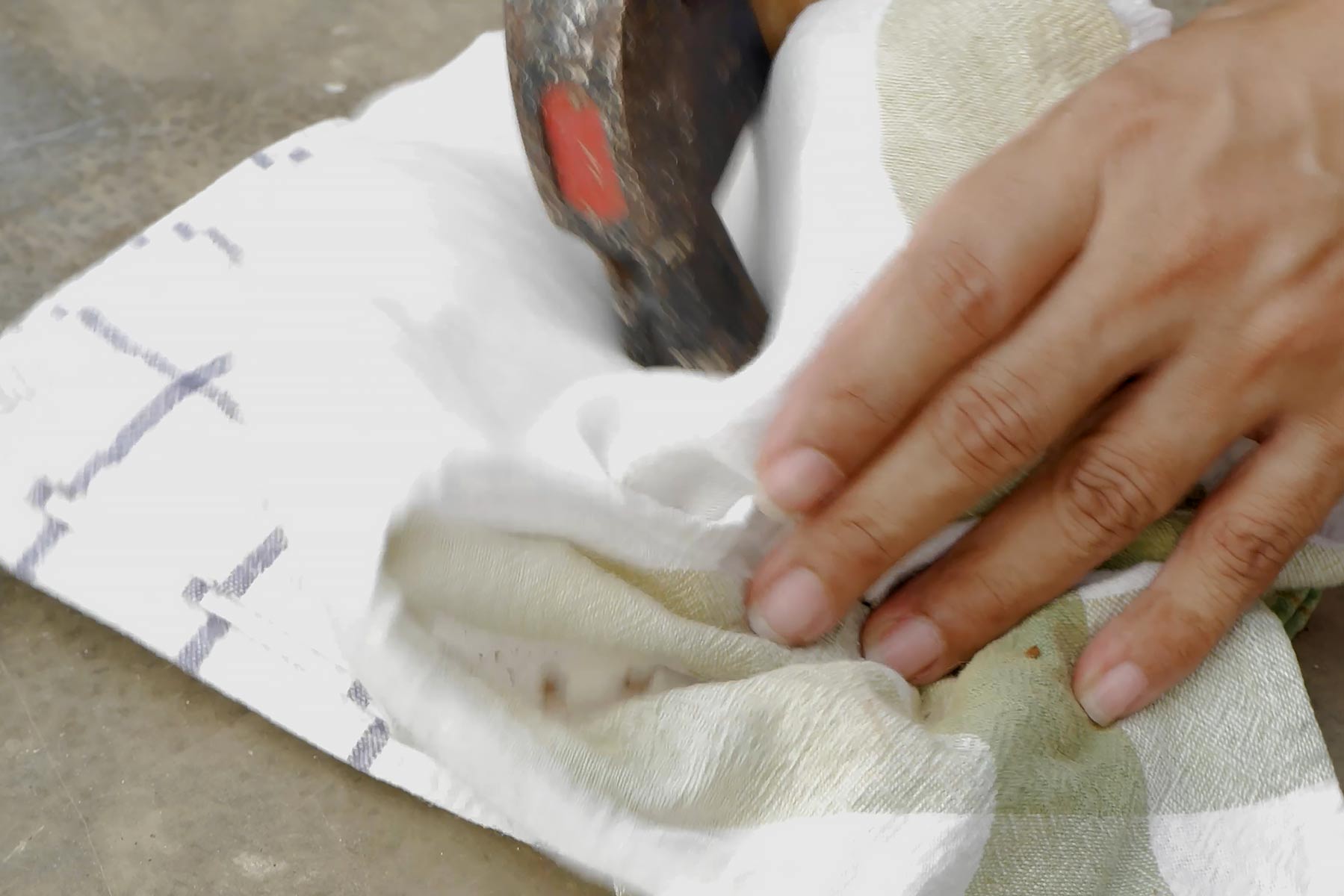
The third phase involves fracturing the endocarp. Because coconut shells possess high impact resistance, striking them on hard domestic surfaces such as ceramic tile or hardwood flooring risks structural damage to the home. Culinary safety guidelines mandate the use of a concrete floor cushioned by folded textiles, such as heavy-duty tea towels. The coconut itself is wrapped entirely in an absorbent cloth to contain flying shell fragments and pulp debris. Using a claw hammer or mallet, the operator strikes the coconut firmly along its equator—the circumferential line perpendicular to the face containing the eyes. Repeated, measured impacts along this axis induce a clean fracture, splitting the drupe into two symmetrical hemispheres. Each half is subsequently re-wrapped and struck near its newly exposed edge to yield smaller, manageable quadrants.
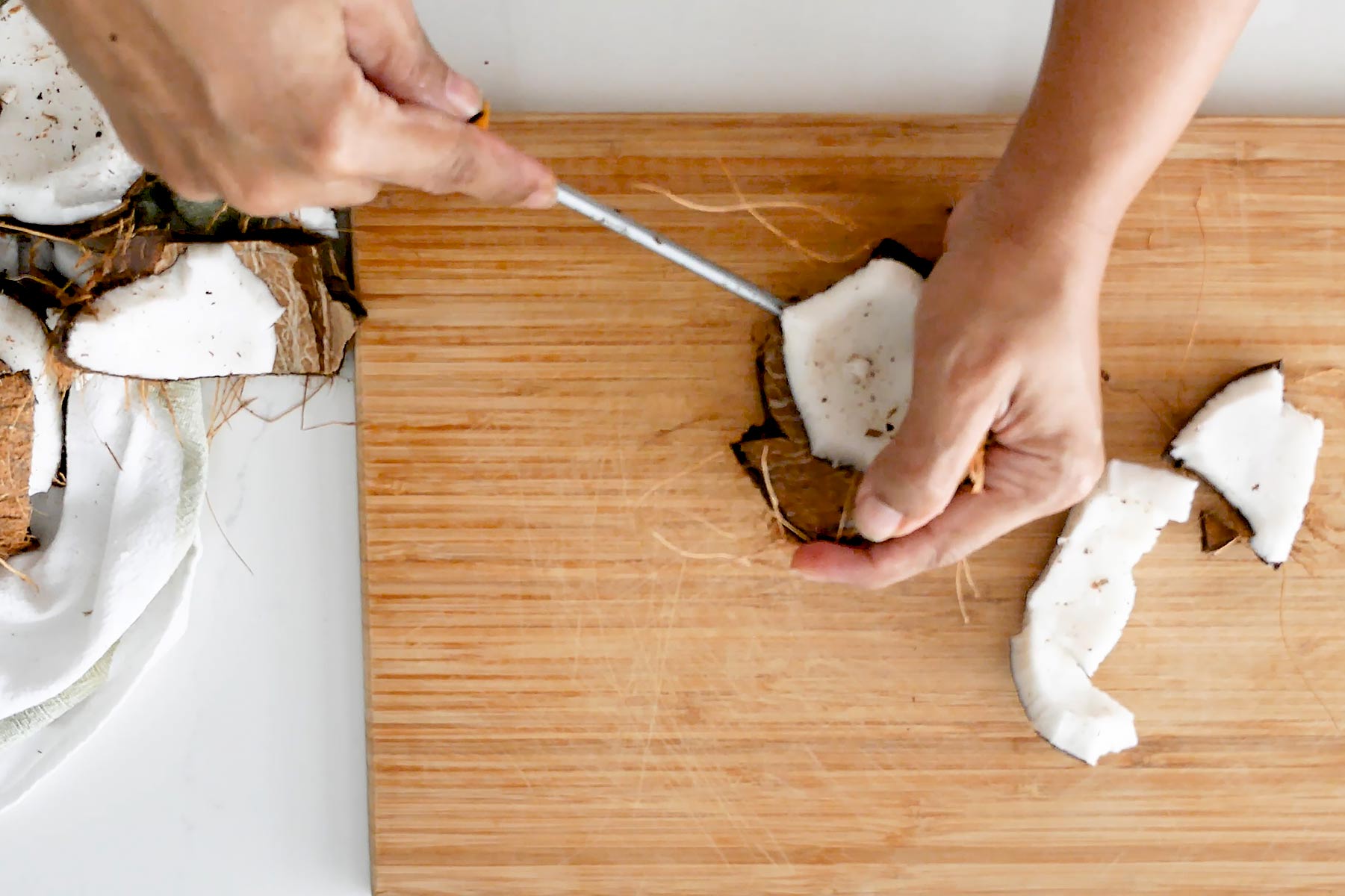
Once the shell is fragmented, the fourth stage—meat separation—commences. The flathead screwdriver is reintroduced, this time wedged carefully between the interior wall of the hard brown shell and the white coconut meat. Utilizing leverage, the operator pries the meat away from the endocarp. Professional kitchens emphasize caution during this phase, as the edges of fractured coconut shells are notoriously sharp and can cause lacerations if the tool slips.
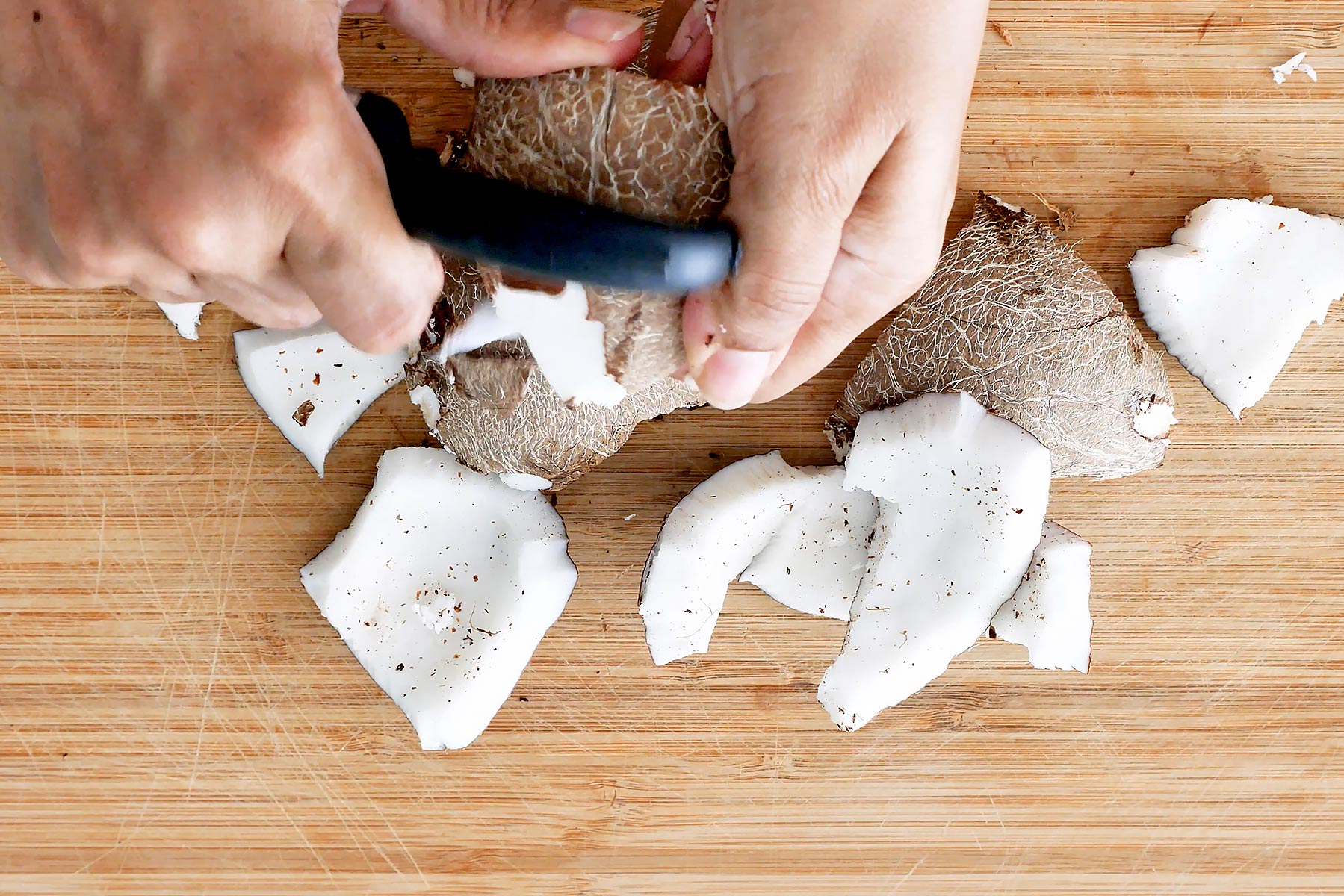
The fifth and sixth stages focus on refinement and hygiene. The peeled coconut meat retains a thin, fibrous brown testa (skin). While edible, this layer imparts a slightly bitter flavor profile and an unappealing texture to delicate culinary applications like creams and pastries. A standard vegetable peeler removes this exterior rind efficiently. Subsequently, the purified white meat is subjected to a rigorous rinse under potable running water to eliminate residual soil, shell dust, and micro-particles.
Preservation, Data, and Storage Protocols
Post-processing preservation is a critical variable in maximizing the culinary utility of fresh coconut. According to food science guidelines, raw coconut meat has a high oil and moisture content, making it highly susceptible to microbial proliferation if left at ambient temperatures.
Freshly rinsed coconut meat should be thoroughly air-dried on a clean kitchen towel to remove surface moisture. For short-term usage, the meat can be stored in an airtight container within a refrigerator for a period of two to three days. For long-term preservation, commercial freezing standards apply: wrapping the pieces tightly in plastic film and housing them in freezer-safe containers extends viability for up to one month. However, culinary analysts universally note that freezing alters the structural cell walls of the coconut, making freshly processed meat superior for emulsions, milks, and direct consumption.
Broader Culinary Implications and Industry Response
The demystification of basic culinary techniques such as coconut processing carries significant implications for the global movement toward scratch-cooking and whole-food utilization. In recent years, consumer demand for plant-based milks, medium-chain triglycerides (MCTs), and unprocessed dietary fats has surged. Market research data from global agricultural boards indicate a steady year-over-year increase in whole coconut imports within non-tropical regions.
Despite the proliferation of pre-packaged coconut flakes, canned coconut milk, and bottled water, culinary traditionalists and nutritionists advocate for the processing of whole fruits. Pre-packaged alternatives frequently incorporate pasteurizing agents, stabilizers, and added sugars to extend shelf life, whereas whole coconuts provide unadulterated nutrients, including potassium, magnesium, and dietary fiber.

Culinary educators emphasize that lowering the barrier to entry for processing whole ingredients directly combats convenience-driven consumption patterns. By standardizing safety protocols—such as the use of protective textiles and blunt-force dampening—home cooks are empowered to incorporate traditional ingredients into modern dietary regimens safely. As global interest in diverse regional cuisines continues to expand, the mastery of foundational mechanical tasks remains an essential competency for the contemporary culinary landscape.



0 Komentar
Sampaikan opini dan diskusi yang membangun dengan bahasa yang santun.
Belum Ada Komentar
Jadilah yang pertama memberikan tanggapan mengenai berita ini.