
Kalam Polo Persian Cabbage And Rice

Kalam Polo: A Persian Cabbage and Rice Masterpiece for Your Table
Kalam polo, a beloved Persian dish, transcends the ordinary with its deceptively simple ingredients and profoundly comforting flavors. At its heart, kalam polo is a harmonious marriage of finely shredded cabbage and rice, enriched with aromatic herbs and savory meatballs, all slow-cooked to achieve a sublime, tender texture and a subtly sweet, earthy profile. This recipe is a testament to the elegant simplicity that defines much of Persian cuisine, where quality ingredients and careful preparation unlock a depth of taste that is both grounding and sophisticated. Often considered a more rustic and home-style dish compared to some of its more elaborate Persian counterparts, kalam polo holds a special place in the hearts of many Iranians, evoking memories of family gatherings and cherished traditions. Its preparation, while requiring a bit of patience, rewards the cook with a deeply satisfying culinary experience.
The foundational element of kalam polo is, unsurprisingly, cabbage. However, not just any cabbage will do. For the best results, a medium-sized white or green cabbage is ideal. The key to achieving the characteristic tenderness and integrated flavor of kalam polo lies in the preparation of the cabbage. It must be shredded as finely as possible. This can be achieved using a sharp knife and a steady hand, or more efficiently with a food processor’s shredding attachment. The fine shredding ensures that the cabbage wilts down significantly during the cooking process, becoming almost indistinguishable from the rice, imparting its subtle sweetness and moisture without overwhelming the dish. Some recipes might suggest blanching the cabbage briefly before shredding to soften it further, but many traditionalists opt for shredding it raw, allowing it to cook down entirely within the rice. The volume of cabbage used is substantial; it will reduce considerably, so don’t be deterred by the initial mound. The moisture content of the cabbage is crucial, contributing to the overall moistness of the finished polo.
Rice, the other cornerstone of this dish, is typically a medium-grain or long-grain white rice, such as Basmati. As with most Persian rice dishes, thorough rinsing is paramount. This process removes excess starch, preventing the rice from becoming gummy or clumpy and ensuring each grain remains distinct and fluffy. After rinsing, the rice is usually parboiled for a few minutes until it is about halfway cooked. This parboiling step is a critical technique in Persian cooking known as “tam-chin” or semi-boiling, which helps to achieve the perfect texture for layered rice dishes. The parboiled rice is then drained thoroughly. Some cooks might even pat the rice dry with a clean kitchen towel to remove residual moisture, further aiding in the development of the coveted tahdig, or crispy rice bottom, though tahdig formation is less of a primary focus in kalam polo compared to dishes like tahchin. The fluffy, separate grains of rice are essential to absorb the flavors of the cabbage, herbs, and meatballs without becoming mushy.
The herbaceous aroma that elevates kalam polo is derived from a blend of fresh herbs, commonly including parsley, dill, and mint. Sometimes, a touch of tarragon or savory might be incorporated for added complexity. These herbs are finely chopped, releasing their vibrant essences. The freshness of the herbs is vital for imparting a bright, uplifting counterpoint to the earthiness of the cabbage and the richness of the meatballs. The specific ratio of herbs can vary according to regional preferences and individual taste, but a good starting point is a generous amount of parsley, followed by dill, and then a smaller proportion of mint to avoid overpowering the other flavors. The herbs are typically incorporated into the rice and cabbage mixture before cooking, allowing their flavors to meld and infuse throughout the dish during the slow steaming process. The aromatic compounds released by these herbs are what give kalam polo its characteristic fragrant appeal.
The soul of many Persian dishes lies in their expertly crafted koobideh (meatballs). For kalam polo, these are typically made from ground lamb, beef, or a combination of both. The ground meat is seasoned with finely grated onion, which not only adds moisture but also a subtle sweetness and binding quality. Spices like turmeric, black pepper, and a pinch of salt are essential for flavor. Some recipes may also include a touch of cinnamon or allspice for warmth and complexity, though these are used sparingly to avoid overpowering the other elements. Often, a small amount of all-purpose flour or breadcrumbs is added to help bind the meatballs, ensuring they hold their shape during the cooking process. The key to tender, flavorful meatballs is to handle the mixture gently, avoiding overworking it, which can result in tough meatballs. They are typically rolled into small, bite-sized spheres.
The assembly of kalam polo is a deliberate and artful process. In a large pot, a base layer of oil is heated. Some recipes call for a layer of thinly sliced potatoes or even lavash bread at the bottom of the pot to facilitate the creation of tahdig. This layer acts as a barrier, preventing the rice and cabbage from sticking directly to the pot and promoting the development of a golden-brown, crispy crust. The prepared mixture of finely shredded cabbage, parboiled rice, and chopped herbs is then carefully layered into the pot, interspersed with the prepared meatballs. This layering ensures that the flavors and textures are evenly distributed throughout the finished dish. The ingredients are gently packed down, but not compressed too tightly, to allow steam to circulate.
The cooking process for kalam polo is one of slow, patient steaming. Once assembled, the pot is covered tightly. Many cooks will place a clean kitchen towel between the lid and the pot to absorb excess steam and prevent water from dripping onto the rice, which can make it soggy. The heat is then reduced to low, and the kalam polo is allowed to steam for a considerable amount of time, typically 45 minutes to an hour, or even longer, depending on the stove and pot. This extended steaming period is crucial for allowing the cabbage to wilt completely, the rice to become perfectly tender and fluffy, and the flavors to meld beautifully. The meatballs cook through and absorb the aromatic essence of the surrounding ingredients. This slow cooking method results in a dish that is incredibly moist, tender, and infused with a complex, layered flavor profile.
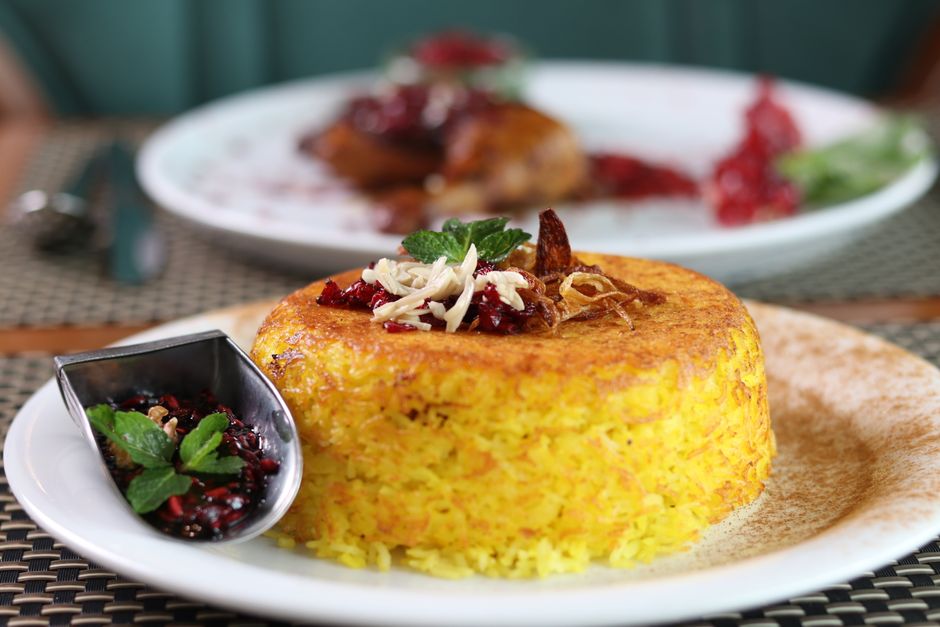
The presentation of kalam polo is as important as its preparation. Once cooked, the pot is carefully inverted onto a large serving platter, revealing a beautifully formed mound of rice and cabbage, with the golden tahdig forming a delightful crust at the bottom. The meatballs are nestled within the layers, their savory aroma mingling with the fragrant herbs and the earthy notes of cabbage. Kalam polo is often served with a side of plain yogurt, a simple salad, or torshi (Persian pickles), which provide a refreshing counterpoint to the richness of the dish. The visual appeal of a well-made kalam polo, with its distinct layers and the tantalizing promise of crispy tahdig, is a testament to the culinary artistry involved.
The nutritional benefits of kalam polo are also noteworthy. Cabbage is a cruciferous vegetable packed with vitamins, minerals, and fiber. It is a good source of Vitamin C, Vitamin K, and folate, and contains antioxidants that can help protect the body against cell damage. The herbs, too, contribute to the dish’s nutritional value, offering additional vitamins and minerals. While the ground meat provides protein, the use of leaner cuts and careful preparation can ensure a balanced meal. The rice, as a carbohydrate source, provides energy. Overall, kalam polo, when prepared with moderation in mind, can be a wholesome and satisfying meal.
Variations of kalam polo exist, reflecting the diverse culinary landscape of Iran. Some regions may favor different types of herbs or spices in the meatballs. Others might incorporate ingredients like dried fruits, such as currants or raisins, for a touch of sweetness, or even nuts like pistachios or almonds for added texture and richness. The type of meat used can also vary, with some preferring chicken or even a vegetarian version using lentils or mushrooms. Regardless of these regional adaptations, the core principle of finely shredded cabbage cooked with rice and seasoned with aromatic herbs and savory elements remains consistent, underscoring the dish’s enduring appeal.
In conclusion, kalam polo is more than just a dish; it is a culinary experience that embodies the warmth, comfort, and depth of Persian cuisine. Its preparation requires dedication, but the reward is a profoundly flavorful and satisfying meal that celebrates the simple beauty of its ingredients. From the meticulous shredding of cabbage to the patient steaming of rice and the careful layering of flavors, every step contributes to the creation of this Persian masterpiece. Whether enjoyed as a family meal or served to guests, kalam polo is a dish that is sure to leave a lasting impression, offering a delicious glimpse into the heart of Persian culinary tradition. Its unique combination of textures and flavors, from the tender cabbage and fluffy rice to the savory meatballs and the coveted crispy tahdig, makes it a truly unforgettable dining experience, worthy of its esteemed place in Persian gastronomy.


