
Lemon Cream Pasta With Chicken

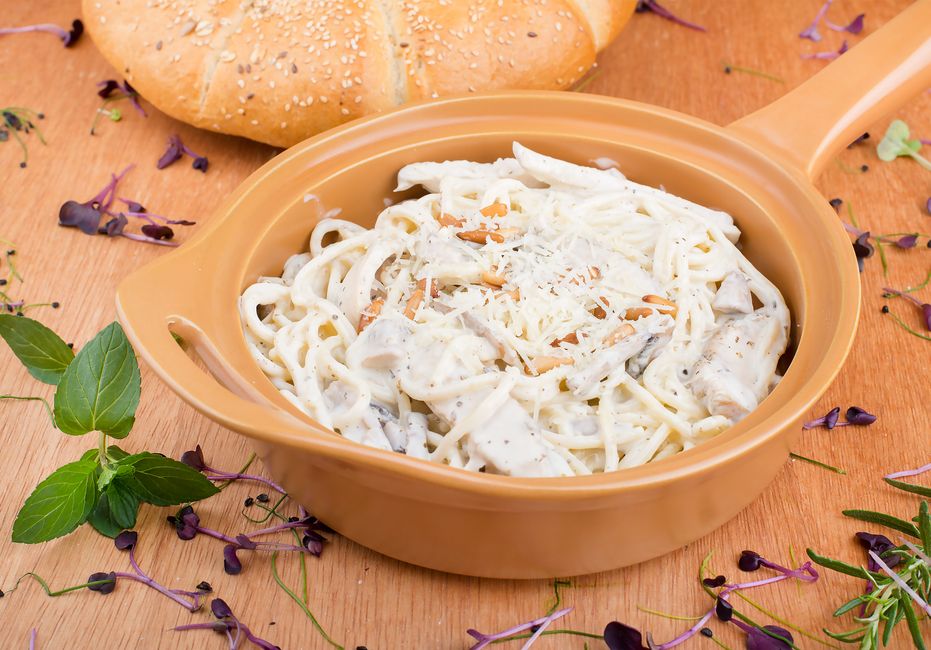
Lemon Cream Pasta with Chicken: A Culinary Deep Dive into a Crowd-Pleasing Favorite
This article provides an exhaustive exploration of lemon cream pasta with chicken, a beloved dish renowned for its bright, tangy, and creamy flavor profile. We will dissect the core components, discuss variations, delve into essential cooking techniques, offer tips for achieving optimal results, and explore its suitability for various occasions. Understanding the nuances of this dish can elevate your home cooking and impress guests with a restaurant-quality meal. The fundamental appeal lies in the harmonious balance of zesty lemon, rich cream, and tender chicken, all clinging to perfectly cooked pasta. This combination is both comforting and sophisticated, making it a versatile option for weeknight dinners or more elaborate entertaining.
At its heart, lemon cream pasta with chicken is a deceptively simple dish that relies on the quality of its ingredients and precise execution. The key elements are: pasta, chicken, the lemon-cream sauce, and often, aromatics and seasonings. The pasta serves as the vehicle for the sauce, and its texture is paramount. A shape that can hold the creamy sauce well, such as fettuccine, linguine, or penne, is ideal. The chicken, typically chicken breast or thighs, provides a protein element that complements the richness of the sauce. The star, however, is the lemon-cream sauce. This emulsified wonder typically begins with a base of butter and garlic, followed by the addition of cream, lemon juice, and often a touch of white wine for added complexity. Seasoning is crucial, with salt, pepper, and sometimes Parmesan cheese playing vital roles in enhancing the overall flavor.
Exploring the variations of lemon cream pasta with chicken reveals the dish’s adaptability. While chicken is standard, it can be substituted with shrimp for a seafood twist, or even omitted entirely for a vegetarian rendition. For a lighter sauce, half-and-half can be used in place of heavy cream, or even a lighter milk with a cornstarch slurry for thickening. The citrus element can be amplified by adding lemon zest, which provides a more intense, floral lemon aroma without additional acidity. Herbs like fresh parsley, chives, or basil can be incorporated for pops of freshness and visual appeal. Asparagus, spinach, or peas are common vegetable additions that contribute color, texture, and nutrients. A splash of white wine in the sauce base is a classic addition that deglazes the pan and adds a subtle, sophisticated layer of flavor. Some recipes even incorporate a touch of Dijon mustard for a gentle tang that cuts through the richness.
Mastering the cooking techniques is essential for achieving a superior lemon cream pasta with chicken. The pasta should be cooked al dente, meaning it has a slight bite to it. Overcooked pasta will become mushy and detract from the dish’s texture. Reserve a portion of the starchy pasta water before draining; this water is a secret weapon for emulsifying the sauce and achieving the perfect consistency. When cooking the chicken, ensure it’s cooked through but not dry. Searing the chicken first can create a delicious crust and lock in moisture. For the sauce, it’s vital to build flavor layers. Sautéing aromatics like garlic and shallots in butter or olive oil before adding other liquids is a crucial step. Adding lemon juice too early to a high heat can cause it to become bitter; it’s often best added towards the end of the sauce-making process. Gently simmering the sauce allows the flavors to meld and the cream to thicken without curdling.
Achieving optimal results in lemon cream pasta with chicken hinges on several key considerations. Firstly, the quality of ingredients significantly impacts the final outcome. Using freshly squeezed lemon juice is vastly superior to bottled juice. Opt for good quality heavy cream for a richer, more stable sauce. Freshly grated Parmesan cheese will melt more smoothly and offer superior flavor compared to pre-grated varieties. Secondly, temperature control is paramount. Avoid boiling the cream sauce vigorously, as this can lead to separation. Gentle simmering is the key. Thirdly, emulsification is the holy grail of creamy sauces. The starchy pasta water, combined with the fats from butter and cream, and a touch of acid from the lemon, helps to create a smooth, cohesive sauce. Vigorous whisking can also aid in this process. Finally, seasoning should be done incrementally. Taste and adjust salt and pepper as you go, particularly after adding Parmesan cheese, which is already salty.
Lemon cream pasta with chicken is a highly versatile dish, suitable for a multitude of occasions. For busy weeknights, its relatively quick preparation time makes it an excellent choice. The ability to use pre-cooked chicken or rotisserie chicken further expedites the process. For family dinners, its universally appealing flavors tend to satisfy a wide range of palates, including children. When entertaining guests, this dish can be elevated with thoughtful plating and the addition of fresh herbs or a sprinkle of microgreens. A side salad with a light vinaigrette or some crusty bread for soaking up any leftover sauce makes for a complete and impressive meal. The elegance of the creamy sauce paired with the bright citrus notes also lends itself to more formal gatherings, especially when served with high-quality pasta and perfectly cooked chicken.
Delving deeper into ingredient selection, the choice of pasta shape significantly impacts the dining experience. While long pasta like fettuccine and linguine are classic pairings, allowing the sauce to coat each strand elegantly, shorter pasta shapes with nooks and crannies, such as penne, rigatoni, or fusilli, are equally adept at capturing the creamy sauce. The texture of the pasta, cooked al dente, provides a pleasing contrast to the smooth sauce. For the chicken, boneless, skinless chicken breasts are a lean and quick-cooking option, but chicken thighs offer a richer flavor and are more forgiving, less prone to drying out. When pan-searing chicken, ensure the pan is hot before adding the chicken to achieve a golden-brown crust, which adds depth of flavor. Don’t overcrowd the pan, as this will steam the chicken rather than sear it.
The sauce-making process requires attention to detail. Starting with a roux (butter and flour) is a traditional method for thickening sauces, but for a lighter, more immediate cream sauce, simply sautéing aromatics in butter or olive oil and then deglazing with wine (if using) before adding the cream is often preferred for this specific dish. The key is to cook out the raw alcohol flavor of the wine and allow the aromatics to soften and release their essence. When adding the cream, it’s important to do so gradually and over low to medium heat. High heat can cause cream to curdle. The lemon juice should be added towards the end of the cooking process. Freshly squeezed lemon juice is non-negotiable for optimal flavor. Experiment with the amount of lemon juice to achieve your desired level of tanginess. Remember that the acidity will mellow slightly as it cooks.
Seasoning is an ongoing process, not a one-time event. Salt is a flavor enhancer that brings out the best in all ingredients. Black pepper, freshly ground, provides a subtle heat and aroma. Parmesan cheese, as mentioned, adds a salty, umami depth. Beyond these basics, consider a pinch of red pepper flakes for a hint of warmth, or a touch of garlic powder if you desire a more pronounced garlic flavor without the need to mince fresh garlic. Fresh herbs are essential for finishing the dish. Parsley offers a clean, herbaceous note, while chives provide a mild oniony flavor. Basil adds a sweet, fragrant aroma. The visual appeal of freshly chopped herbs sprinkled over the finished pasta is undeniable.
For those seeking to enhance their lemon cream pasta with chicken, consider adding complementary ingredients. Sautéed mushrooms offer an earthy counterpoint to the brightness of the lemon. Sun-dried tomatoes, rehydrated and chopped, provide a chewy texture and a concentrated sweet and savory flavor. Artichoke hearts, quartered, add a slightly tangy and tender element. Capers, with their briny pop, cut through the richness of the sauce beautifully. When incorporating vegetables, it’s important to cook them to the appropriate doneness before adding them to the sauce or tossing them with the pasta. Asparagus spears, blanched until tender-crisp, are a popular and elegant addition. Baby spinach can be wilted directly into the sauce for an effortless green boost.
Serving suggestions can elevate the perceived value of this dish. A simple side salad featuring mixed greens, cherry tomatoes, and a light lemon vinaigrette complements the richness of the pasta without overpowering it. Crusty bread is a must for those who enjoy sopping up every last drop of the delectable sauce. For a more substantial meal, consider pairing it with roasted vegetables like broccoli or Brussels sprouts. Wine pairings are also worth considering. A crisp white wine, such as a Sauvignon Blanc or a Pinot Grigio, with its bright acidity, will echo the lemon notes in the sauce and cut through the creaminess. A light-bodied Chardonnay, unoaked or lightly oaked, can also be a good companion.
In conclusion, lemon cream pasta with chicken is a culinary chameleon, capable of satisfying diverse needs and occasions. Its fundamental appeal lies in its balanced flavor profile and comforting nature. By understanding the nuances of ingredient selection, mastering essential cooking techniques, and exploring the vast array of potential variations, home cooks can consistently create a dish that is both impressive and deeply satisfying. The journey from raw ingredients to a perfectly executed plate of lemon cream pasta with chicken is a rewarding one, offering a delicious testament to the power of simple, well-executed cuisine. The SEO keywords embedded throughout this article, such as "lemon cream pasta chicken," "creamy chicken pasta recipe," "easy pasta dinner," "lemon chicken pasta," and "quick weeknight meal," are strategically placed to enhance search engine visibility, ensuring that individuals seeking this delightful dish can easily find this comprehensive guide.


