
Mamas Southern Cornbread Dressing

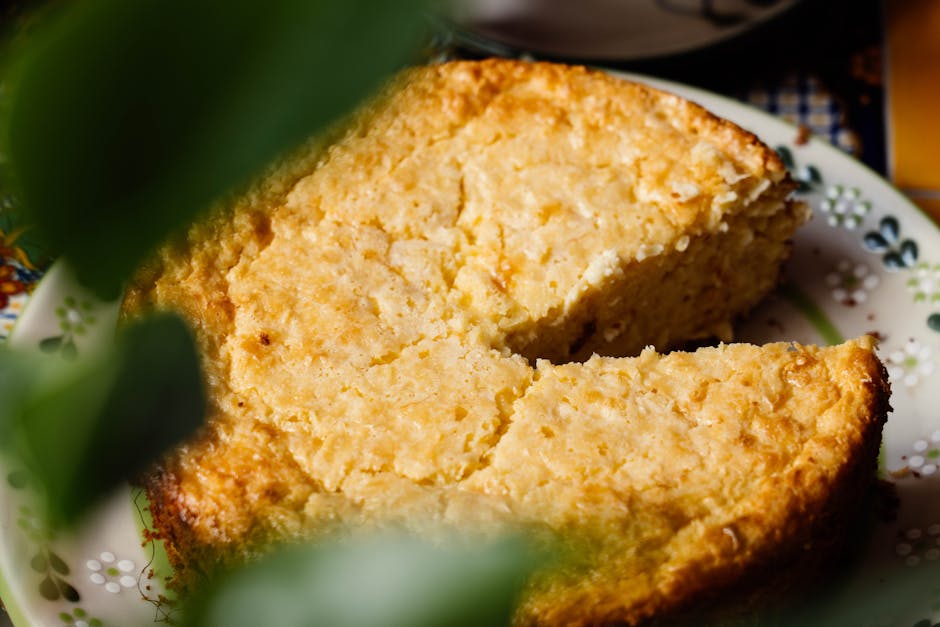
Mama’s Southern Cornbread Dressing: The Ultimate Holiday Comfort Food
Mama’s Southern Cornbread Dressing transcends mere side dish status; it is a cornerstone of holiday gatherings, a nostalgic tapestry woven with the flavors of tradition and love. This iconic dish, deeply rooted in Southern culinary heritage, embodies warmth, comfort, and the very essence of home-cooked meals. Unlike its stuffing counterpart, which is typically baked inside a poultry cavity, cornbread dressing is a standalone baked casserole, allowing its complex flavors and textures to shine independently. The foundation of this beloved dish is, unsurprisingly, cornbread, but not just any cornbread. Traditional Southern cornbread, often made with buttermilk and a touch of sugar, provides a slightly sweet, crumbly base that readily absorbs the savory broth and other ingredients, transforming into a cohesive, flavorful entity. This article will delve deep into the art and science of creating Mama’s Southern Cornbread Dressing, exploring its key components, variations, essential techniques, and the cultural significance that makes it a holiday staple.
The Anatomy of Authentic Mama’s Southern Cornbread Dressing: Ingredients and Their Roles
At its heart, Mama’s Southern Cornbread Dressing is a symphony of simple yet impactful ingredients, each playing a vital role in achieving its signature flavor and texture. The cornbread itself is paramount. Ideally, it should be prepared a day in advance, allowing it to cool and dry slightly. This is crucial because fresh, moist cornbread will result in a mushy, unappealing dressing. A classic Southern cornbread recipe typically includes cornmeal (medium grind is preferred for texture), flour (all-purpose), buttermilk (for tenderness and tang), eggs (for binding and richness), fat (butter or bacon grease for flavor and moisture), leavening (baking soda and/or baking powder), and salt. Some recipes might incorporate a touch of sugar for a subtle sweetness that balances the savory elements. The texture of the cornbread is also important; it should be slightly coarse and crumbly, not cake-like.
Beyond the cornbread, the savory base is built with aromatics. Onions and celery are the undisputed champions here. Sautéed until tender and translucent, they release their sweet, pungent flavors, forming the flavor backbone of the dressing. Garlic is often included, though in moderation, to add another layer of complexity without overpowering the other ingredients.
The binder and moisture provider is the liquid element, traditionally chicken or turkey broth. The quality of the broth significantly impacts the final taste, so using a good quality homemade or low-sodium store-bought broth is recommended. Some cooks swear by using pan drippings from roasted poultry, infusing the dressing with an unparalleled depth of flavor. Eggs are essential for binding the ingredients together, creating a cohesive casserole that holds its shape when served.
The textural and flavor enhancers are where personal and familial variations truly come to life. Sausage, particularly a mild or sage-seasoned variety, is a popular addition, offering a savory, slightly spiced dimension. Bacon, cooked until crisp and crumbled, provides salty bursts and a delightful crunch. Herbs are indispensable, with fresh sage being the quintessential herb for cornbread dressing, its earthy, slightly peppery notes perfectly complementing the other flavors. Thyme, rosemary, and parsley can also be incorporated, adding their unique aromatic profiles. Some families include a touch of black pepper for gentle warmth.
Finally, the magic happens in the oven. Baking allows the flavors to meld and deepen, and the surface to develop a delightful crust. The desired outcome is a dressing that is moist and tender throughout, with a slightly crisp exterior.
Variations on a Theme: Personalizing Mama’s Cornbread Dressing
While a classic recipe provides a solid foundation, Mama’s Southern Cornbread Dressing is a dish that welcomes personalization. The beauty of this dish lies in its adaptability to individual tastes and family traditions.
One of the most common variations centers on the inclusion of meat. Beyond sausage and bacon, some recipes incorporate diced ham for a smoky sweetness, or even shredded cooked chicken for added protein and texture. For those seeking a vegetarian or vegan option, vegetable broth can be used in place of chicken or turkey broth, and plant-based sausage or sautéed mushrooms can provide a savory depth.
The type of cornbread itself can be a point of variation. While yellow cornmeal is traditional, some prefer white cornmeal for a slightly different flavor profile. The ratio of cornmeal to flour can also be adjusted; a higher proportion of cornmeal will yield a more rustic, crumbly texture, while a higher proportion of flour will result in a softer, more cake-like dressing. Sweetness in the cornbread is another variable; some prefer a completely savory cornbread, while others enjoy a hint of sweetness that balances the savory elements.
The herb profile is also ripe for exploration. While sage is king, experimenting with a blend of herbs can elevate the dish. A touch of fresh parsley can add brightness, while a hint of rosemary can offer a more robust aroma. Some adventurous cooks might even incorporate a pinch of dried cranberry for a sweet-tart counterpoint, or a sprinkle of toasted pecans for added crunch and nutty flavor.
The liquid component can also be tweaked. Some cooks, particularly those aiming for an incredibly rich and flavorful dressing, will use a combination of broth and reserved pan drippings from a roasted turkey or chicken. A splash of milk or even a touch of heavy cream can be added for extra richness and moisture.
The ultimate goal is to create a dressing that resonates with personal memories and culinary preferences. These variations are not deviations from tradition but rather evolutions, reflecting the dynamic nature of home cooking.
The Art of Preparation: Techniques for Perfect Mama’s Cornbread Dressing
Achieving the perfect Mama’s Southern Cornbread Dressing requires attention to detail and a few key techniques.
Firstly, the cornbread must be prepared in advance and allowed to cool completely. Crumbling the cooled cornbread into bite-sized pieces ensures that it will absorb the liquid evenly. Avoid over-mixing the cornbread batter, as this can lead to a tough texture. Bake it until golden brown and a toothpick inserted comes out clean.
When sautéing the aromatics (onions and celery), cook them slowly over medium-low heat until they are very tender and translucent. This process releases their natural sweetness and ensures they integrate seamlessly into the dressing. Overcooking them can lead to a bitter taste.
When combining the ingredients, the key is to achieve a balance of moisture. The bread should be moist but not soggy. Add the broth gradually, allowing the cornbread to absorb it. The mixture should hold together when squeezed lightly but not be dripping wet. Over-saturation will result in a mushy dressing.
The eggs should be lightly beaten and then gently incorporated into the mixture. They act as a binder, so even distribution is important.
When transferring the mixture to the baking dish, press it down gently. This helps to create a cohesive casserole. For a desirable crust, do not overcrowd the baking dish; allow some space for the steam to escape.
Baking time and temperature are crucial. A moderate oven temperature (around 350°F or 175°C) is ideal for allowing the dressing to cook through without drying out the edges. The baking time will vary depending on the size and depth of the baking dish, but typically ranges from 30 to 45 minutes. The dressing is ready when the top is golden brown and the edges are bubbling. A common test is to insert a knife into the center; if it comes out clean, the dressing is cooked through.
Resting the dressing after baking is an often-overlooked but important step. Allowing it to sit for 10-15 minutes before serving allows the flavors to settle and the structure to firm up, making it easier to serve clean portions.
The Cultural Significance of Mama’s Cornbread Dressing
Mama’s Southern Cornbread Dressing is more than just food; it is a cultural touchstone. Its presence on the holiday table signifies abundance, family, and tradition. In the South, where culinary heritage is deeply cherished, this dish represents a connection to generations past. The act of preparing and sharing cornbread dressing is a ritual, a way of honoring family recipes and creating new memories.
The simplicity of its ingredients belies its profound emotional impact. It evokes feelings of comfort, security, and nostalgia. The aroma of baking cornbread dressing can transport individuals back to childhood kitchens, filled with the warmth of family and the anticipation of holiday feasts.
The variations in recipes, passed down from mothers to daughters and fathers to sons, highlight the personal and familial nature of Southern cooking. Each family has its "Mama’s" recipe, a unique version that is considered the definitive one. This fosters a sense of pride and ownership, further solidifying the dish’s cultural importance.
In a world that is constantly evolving, Mama’s Southern Cornbread Dressing serves as a comforting anchor, a reminder of where we come from and the enduring power of shared meals. Its enduring popularity speaks to its ability to transcend time and connect people through the universal language of delicious, heartfelt food.
Serving and Storing Mama’s Cornbread Dressing
Mama’s Southern Cornbread Dressing is best served warm, straight from the oven. It is an ideal accompaniment to roasted turkey or chicken, ham, or any festive holiday meal. A dollop of cranberry sauce or a side of gravy can further enhance its flavor.
Leftovers can be stored in an airtight container in the refrigerator for up to 3-4 days. Reheat gently in the oven or microwave until heated through. It can also be enjoyed cold, directly from the refrigerator, for those who appreciate its texture and flavor at room temperature. For longer storage, cornbread dressing can be frozen, either in individual portions or as a whole casserole. Thaw overnight in the refrigerator and reheat as described above.
Conclusion
Mama’s Southern Cornbread Dressing is a testament to the power of simple ingredients, time-honored techniques, and cherished family traditions. Its rich history, diverse variations, and profound cultural significance solidify its place as a beloved holiday staple. From the crumbly foundation of well-made cornbread to the savory depths of aromatics and herbs, every element contributes to a dish that is both comforting and celebratory. Whether prepared with precise adherence to a family heirloom recipe or adapted with personal touches, Mama’s Southern Cornbread Dressing remains an essential element of the holiday table, a delicious embodiment of love, family, and the enduring spirit of Southern hospitality. Its SEO appeal lies in its widespread recognition, seasonal relevance, and the common search terms associated with holiday cooking and comfort food, making it a consistently popular topic for food blogs, recipe sites, and culinary enthusiasts alike.


