
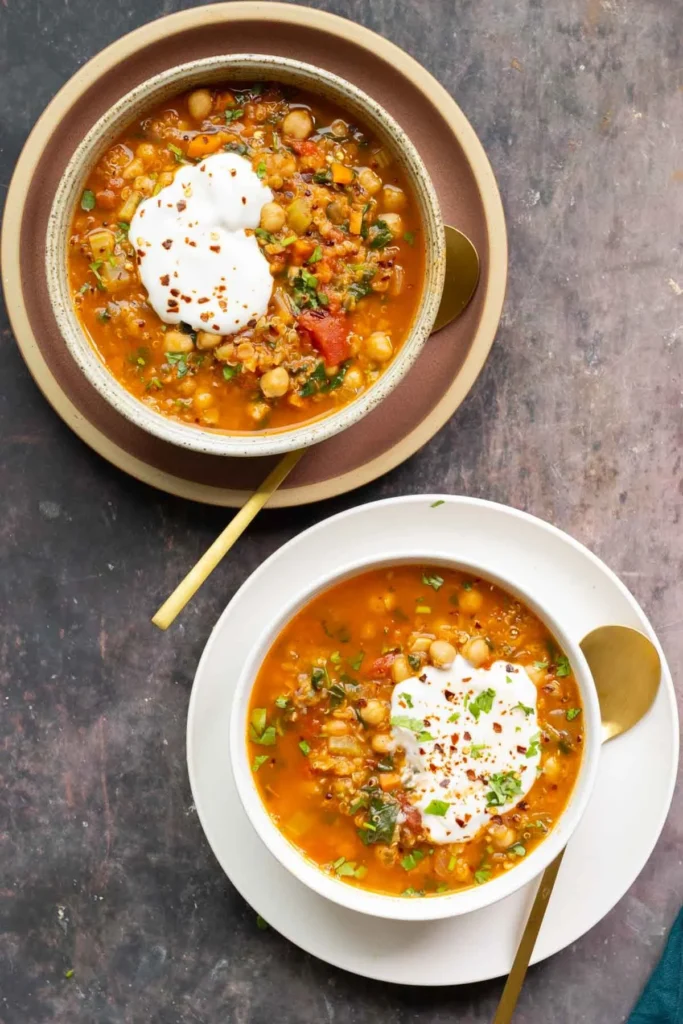
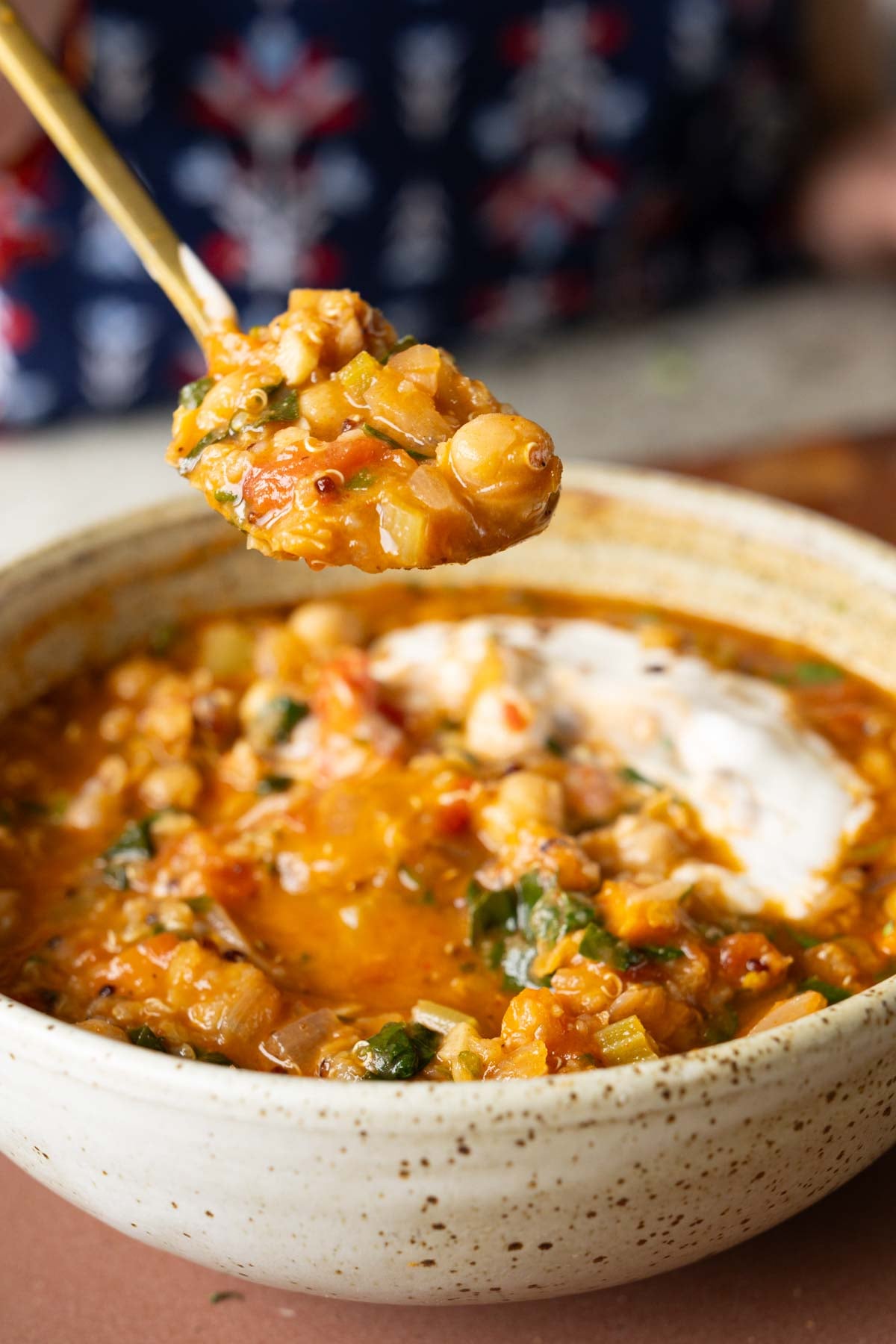
The intersection of global culinary heritage and contemporary nutritional science has yielded a resurgence in the popularity of traditional, plant-based comfort foods. Among these, Moroccan Harira—a staple of North African cuisine—has gained significant attention from home cooks and health professionals alike due to its high density of protein, fiber, and essential micronutrients. This one-pot preparation, which utilizes pantry staples like chickpeas, red lentils, and quinoa, offers a scalable solution for families seeking cost-effective, nutrient-dense meal planning in an era of rising grocery expenditures.
Historical Context and Cultural Significance
Harira is deeply embedded in Moroccan culture, serving as the traditional dish used to break the fast during the holy month of Ramadan. Historically, the soup was designed to be restorative, providing essential electrolytes and energy after long periods of abstinence. While regional variations of the recipe exist—often incorporating lamb, beef, or vermicelli noodles—the foundational structure remains consistent: a robust, tomato-based broth heavily seasoned with ginger, turmeric, saffron, and fresh herbs.
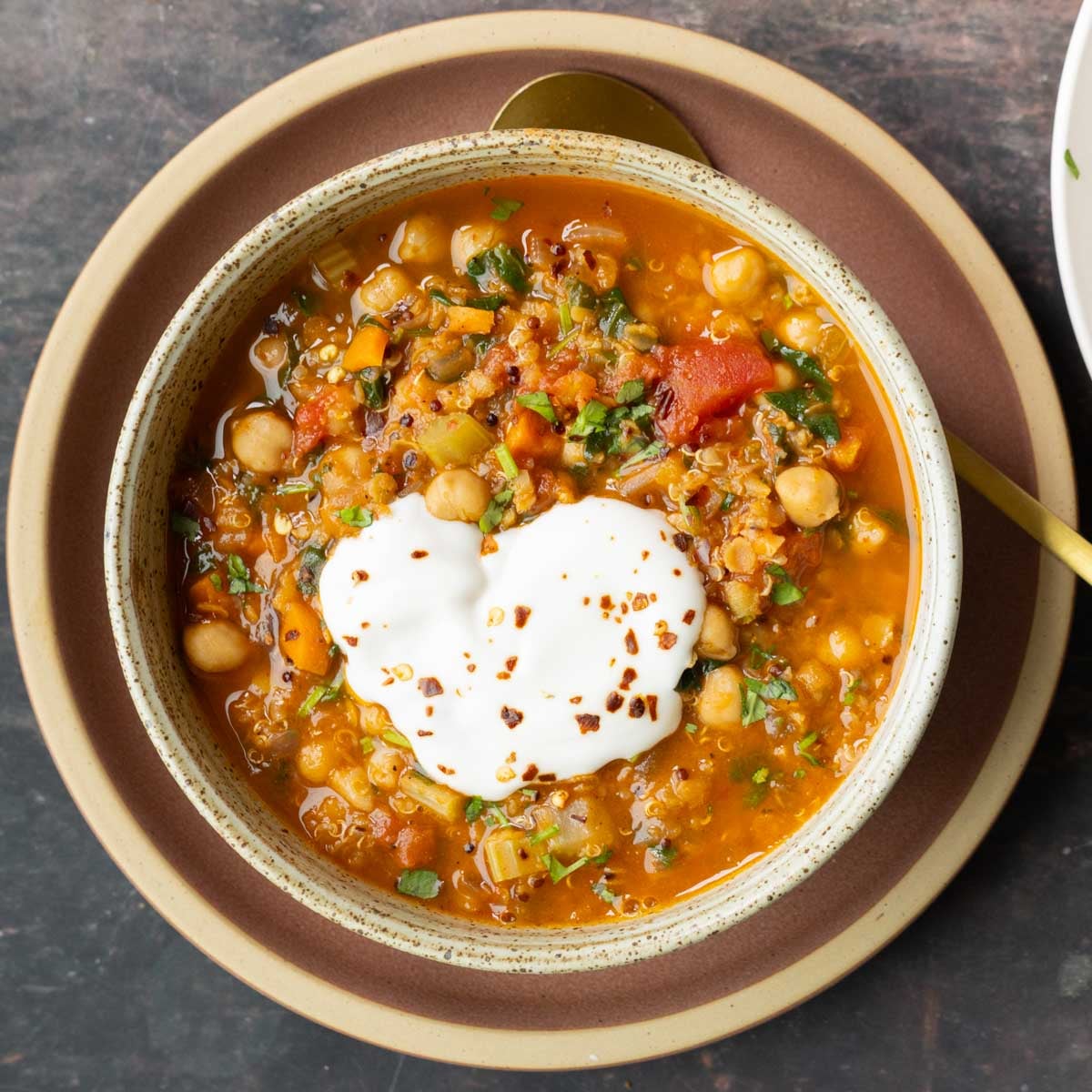
The modern adaptation of this dish, which replaces animal proteins with legumes and pseudocereals like quinoa, reflects a broader shift toward plant-forward diets. By leveraging the versatility of lentils and chickpeas, this version of Harira maintains the traditional texture and depth of flavor while meeting the dietary requirements of those avoiding gluten, soy, or nuts.
Nutritional Profile and Health Implications
From a dietary standpoint, the reformulated Harira serves as a comprehensive meal. Each serving provides approximately 21 grams of protein and 21 grams of dietary fiber, positioning it as a highly satiating option for those managing blood glucose levels or seeking weight management solutions.
Key nutritional markers include:
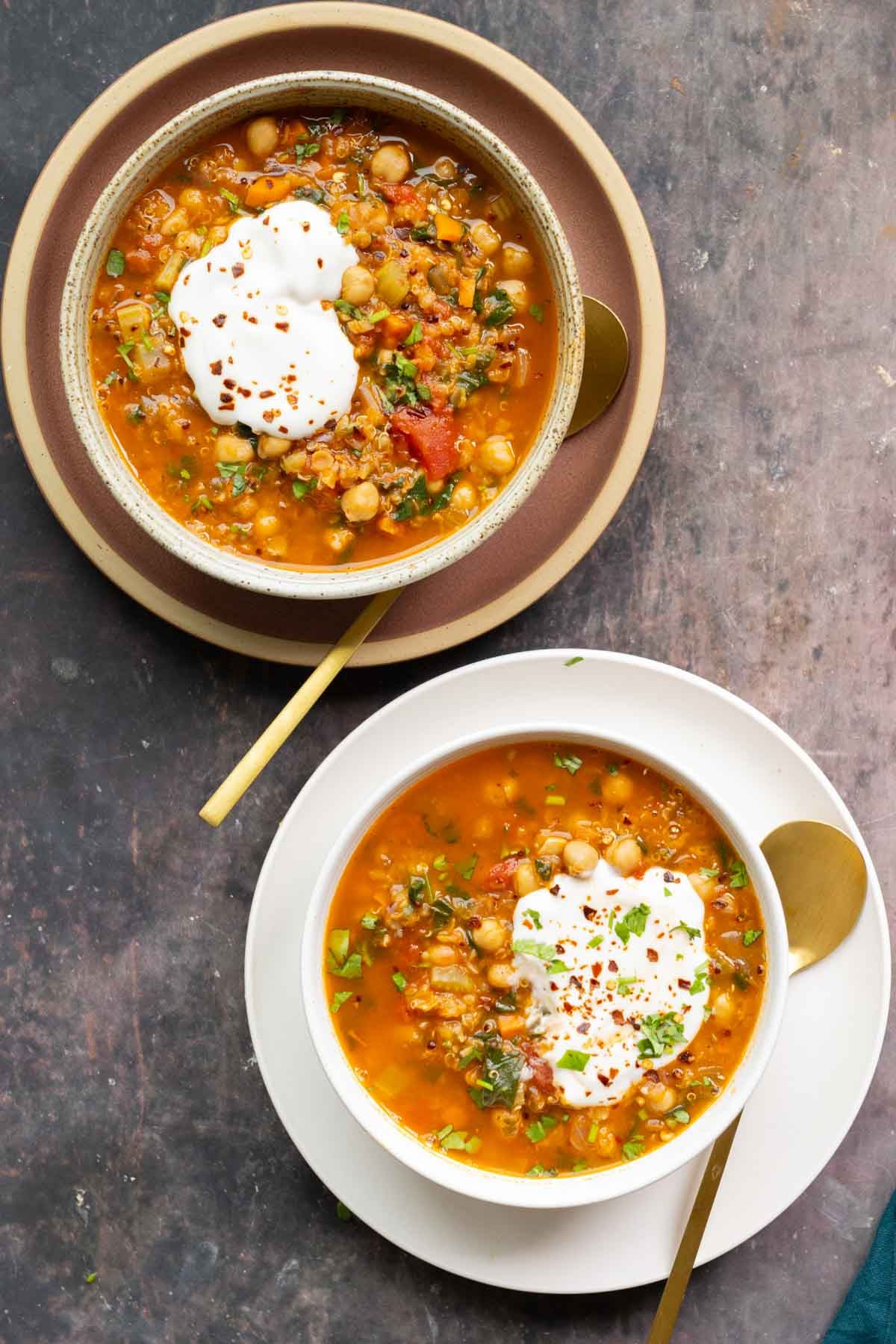
- Iron Content: Each bowl contributes approximately 8 mg of iron, essential for oxygen transport in the blood, particularly for individuals following plant-based diets.
- Micronutrient Density: The inclusion of red lentils provides significant levels of folate, potassium, and magnesium, which are vital for cardiovascular health and nerve function.
- Antioxidant Properties: Tomatoes, a primary base ingredient, offer high concentrations of lycopene and vitamin C, which are recognized for their role in reducing oxidative stress within the body.
Data from the USDA National Nutrient Database suggests that diets high in legumes and whole grains, such as those found in this recipe, are consistently linked to lower incidences of metabolic syndrome and improved digestive health. The simplicity of the one-pot method also reduces the likelihood of nutrient degradation that can occur with over-processing or excessive cooking times.
Chronology of Preparation and Efficiency
The efficiency of this dish is a critical factor in its appeal to the time-constrained consumer. Unlike traditional slow-cooked stews that may require hours of active monitoring, the contemporary preparation of Harira relies on the quick-cooking nature of red lentils and quinoa.
- Initial Aromatics (Minutes 0–7): The base is established by sautéing garlic, onions, carrots, and celery. This stage is crucial for the development of the Maillard reaction, which creates the "smoky" flavor profile without the need for processed additives.
- Flavor Infusion (Minutes 7–15): The introduction of tomato paste and spices (ginger, turmeric, and cumin) allows for the caramelization of sugars and the release of fat-soluble compounds, providing the characteristic deep, savory undertone.
- Simmering (Minutes 15–45): Once the broth, chickpeas, lentils, and quinoa are introduced, the dish requires only a short simmer. The inclusion of quinoa serves as a gluten-free thickener, providing a heartier mouthfeel than thin, water-based soups.
- Finishing (Minutes 45–50): The addition of fresh cilantro, spinach, and a splash of lemon juice at the final stage ensures the preservation of heat-sensitive vitamins and adds a bright, acidic contrast to the earthy legumes.
Economic Viability in a Volatile Market
The current economic climate, characterized by food price inflation, has caused many households to reconsider the viability of high-protein, meat-centric meals. The ingredient list for this version of Harira—composed largely of shelf-stable dry goods—costs an estimated $6.50 to $7.00 for a multi-serving batch.
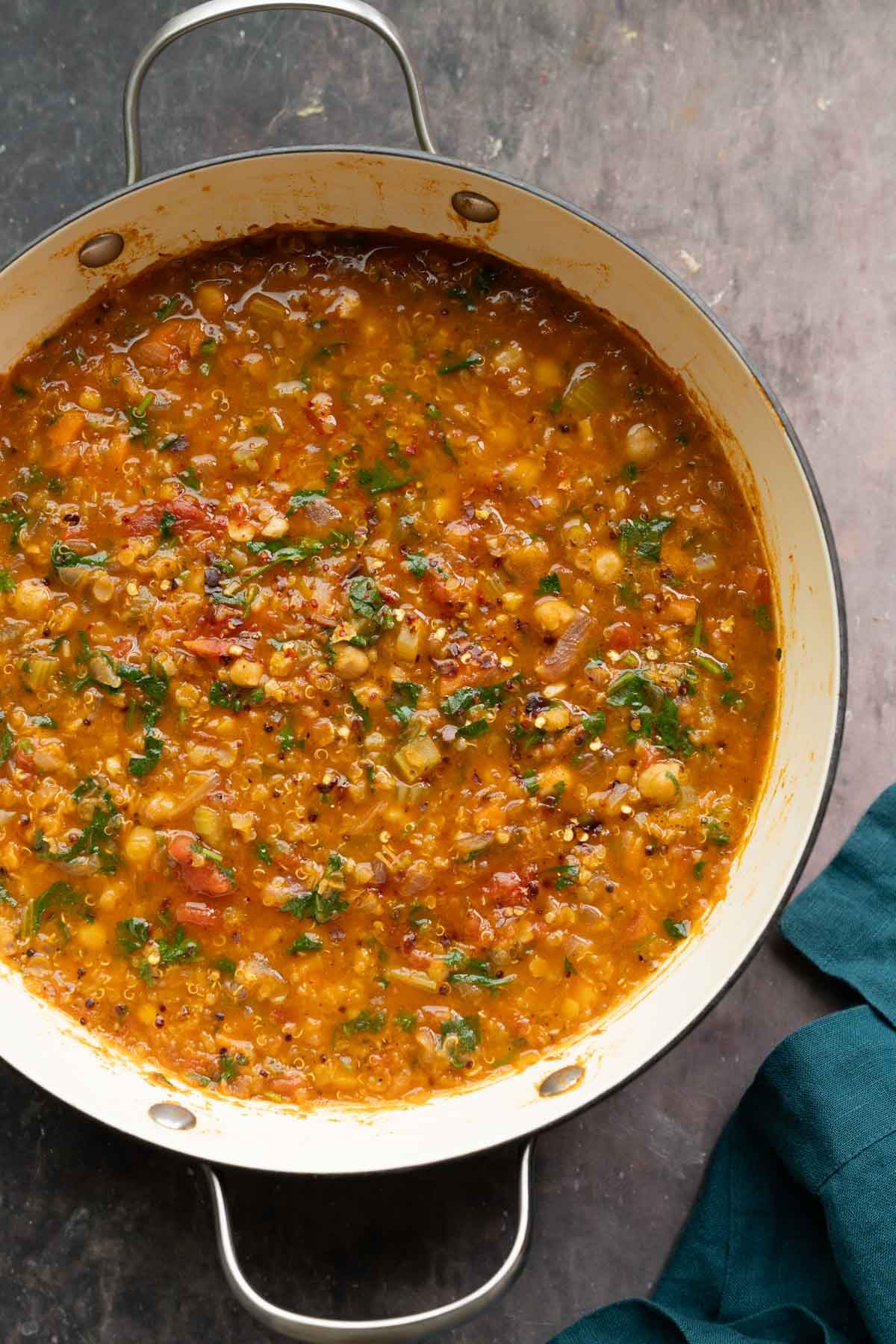
When compared to the cost-per-gram of protein in conventional animal-based diets, the legume-based approach represents a significant cost saving. Furthermore, the meal is highly compatible with batch-cooking methodologies, as it maintains its structural integrity when refrigerated for up to four days or frozen for several months. This makes it an ideal candidate for professional meal-prepping, reducing the reliance on processed, pre-packaged convenience foods.
Adaptability and Dietary Flexibility
One of the most notable aspects of this recipe is its "allergy-conscious" design. By eliminating soy, nuts, and gluten, the dish serves as an inclusive option for communal dining settings where guests may have diverse dietary restrictions.
- Oil-Free Adaptation: For those monitoring caloric intake or managing cardiovascular conditions, the recipe can be prepared using a "water-sauté" method. By lightly dry-toasting the aromatics and deglazing the pan with small amounts of vegetable stock, the traditional mouthfeel is maintained without the use of added fats.
- Instant Pot Integration: The recipe is easily converted for high-pressure cooking, allowing for a three-minute pressure cycle followed by a natural release. This method further reduces energy consumption, aligning with the growing trend toward sustainable home cooking practices.
Broader Impact and Industry Trends
The shift toward recipes like this Harira indicates a wider trend in the food industry: the "democratization of nutrition." As consumers become increasingly informed about the impact of their diet on personal health and environmental sustainability, they are turning toward recipes that are transparent in their ingredient sourcing and efficient in their resource usage.
Nutritional experts argue that the integration of ancient ingredients—such as lentils and chickpeas—into modern, accessible formats is the most effective strategy for improving public health outcomes. By simplifying the process into a single-pot, 30-minute procedure, the barrier to entry for healthy eating is significantly lowered.
Furthermore, the versatility of the dish—which can be served as a soup, ladled over roasted root vegetables, or paired with high-fiber grains—allows for a varied menu within a household. This adaptability prevents "menu fatigue," a common reason why many home cooks abandon healthy eating plans.
Conclusion
The Moroccan Harira, as presented in its modern, plant-based iteration, is more than a simple soup; it is a strategic approach to daily nutrition. It bridges the gap between historical culinary traditions and the contemporary need for speed, affordability, and health. By prioritizing whole-food ingredients and efficient cooking techniques, this dish provides a replicable model for those seeking to enhance their dietary quality without compromising on flavor or breaking their budget. As global food systems continue to evolve, the reliance on such nutrient-dense, plant-based staples is likely to become an increasingly prominent feature of the modern culinary landscape.



0 Komentar
Sampaikan opini dan diskusi yang membangun dengan bahasa yang santun.
Belum Ada Komentar
Jadilah yang pertama memberikan tanggapan mengenai berita ini.