
One Pan White Cheddar Mac And Cheese

The Ultimate One Pan White Cheddar Mac and Cheese Recipe: A Weeknight Game-Changer
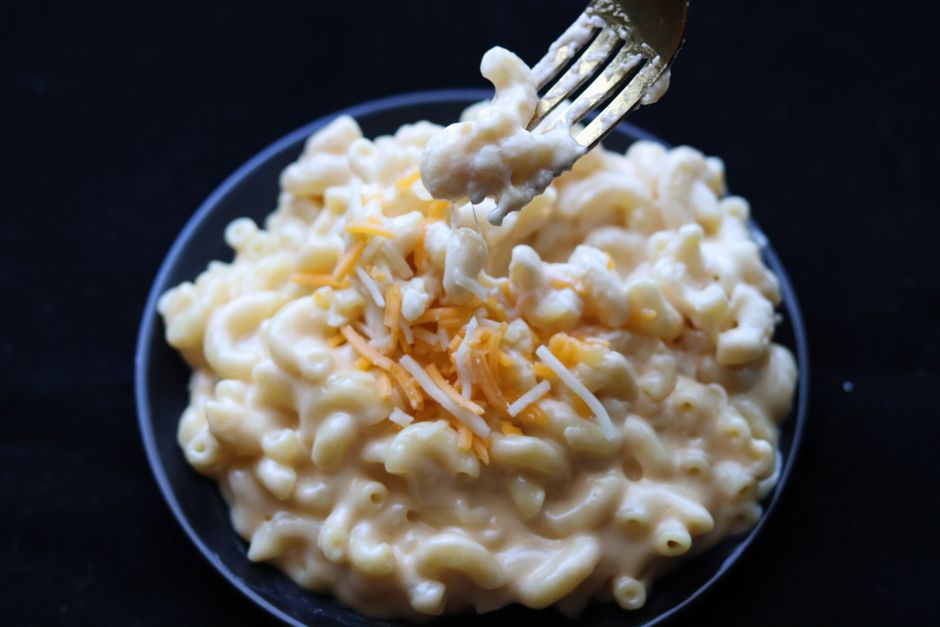
This one-pan white cheddar mac and cheese recipe is designed for maximum flavor with minimal effort, making it an ideal weeknight meal solution. By cooking the pasta directly in the sauce, we eliminate the need for a separate pot to boil water, reducing cleanup significantly. The creamy, rich white cheddar sauce coats every strand of pasta, creating a comforting and deeply satisfying dish that’s surprisingly easy to prepare. This method also ensures that the pasta absorbs the cheesy goodness as it cooks, resulting in a more integrated and flavorful mac and cheese. The key to success lies in the ratio of liquid to pasta and the careful addition of cheese, ensuring a smooth, lump-free sauce.
The foundational element of this one-pan wonder is the pasta itself. Choosing the right pasta shape is crucial for optimal sauce absorption and texture. Elbow macaroni, with its classic ridged surface and hollow center, is a traditional and highly effective choice. These ridges trap the sauce, ensuring every bite is coated in creamy, cheesy deliciousness. Other short pasta shapes with nooks and crannies, such as cavatappi, rotini, or shells, will also work exceptionally well. The goal is to select a pasta that can hold onto the sauce and cook evenly in a single pan. Avoid long pasta shapes like spaghetti or linguine, as they are not suited for this one-pan cooking method. The amount of pasta will directly influence the liquid-to-pasta ratio, so accurate measurement is important. For a standard serving of 4-6 people, approximately 8-12 ounces of dried pasta is a good starting point.
The liquid base for this mac and cheese is a carefully balanced combination of milk and broth. While water could technically be used, the addition of milk contributes to the creamy texture and richness of the sauce, while chicken or vegetable broth adds a subtle layer of savory flavor that enhances the overall taste profile. Using whole milk will result in the creamiest sauce, but 2% milk can also be used if preferred, though the texture might be slightly less luxurious. The ratio of liquid to pasta is critical for the pasta to cook through completely without becoming mushy or too al dente. Typically, a ratio of 2 cups of liquid for every 8 ounces of pasta is a good starting point, but this can be adjusted slightly based on the specific pasta shape and desired sauce consistency. Adding the liquid gradually as the pasta cooks allows for better control over the cooking process and prevents the starch from clumping.
The star of this dish is undoubtedly the white cheddar cheese. Opting for good quality white cheddar is paramount to achieving a superior flavor. Sharp white cheddar offers a more robust and tangy cheese flavor, while mild white cheddar provides a creamier, less assertive taste. A combination of both can be used to achieve a nuanced cheese profile. It’s crucial to shred your own cheese from a block. Pre-shredded cheeses often contain anti-caking agents that can prevent them from melting smoothly into the sauce, leading to a grainy or separated texture. Grating the cheese finely will ensure it melts quickly and evenly into the hot liquid, creating a velvety smooth sauce. The quantity of cheese will determine the cheesiness of the mac and cheese. For a decadently cheesy dish, aim for at least 8 ounces of shredded white cheddar.
Beyond the core ingredients, a few pantry staples elevate this one-pan mac and cheese from simple to spectacular. Butter is essential for sautéing any aromatics and for enriching the sauce. A touch of all-purpose flour, combined with the melted butter, creates a roux. This roux acts as a thickening agent, ensuring the sauce achieves its characteristic creamy consistency. The flour needs to be cooked briefly with the butter to eliminate any raw flour taste. Garlic powder and onion powder are convenient flavor enhancers that add depth and savory notes without requiring extra chopping or sautéing. Salt and freshly ground black pepper are non-negotiable for balancing the flavors and bringing out the best in all the ingredients. A pinch of cayenne pepper or a dash of hot sauce can be added for a subtle kick, if desired, which complements the richness of the cheese.
The cooking process for this one-pan white cheddar mac and cheese is designed for simplicity and efficiency. Begin by melting butter in a large, oven-safe skillet or Dutch oven over medium heat. If using any aromatics like minced garlic or shallots, sauté them now until fragrant and softened, typically 1-2 minutes. This step is optional but adds an extra layer of complexity. Next, whisk in the flour to create a roux. Cook the roux for about 1-2 minutes, stirring constantly, until it’s lightly golden and smells toasty. This step is crucial for cooking out the raw flour taste. Gradually whisk in the milk and broth, ensuring no lumps form. Bring the liquid to a gentle simmer, stirring occasionally. Once simmering, add the uncooked pasta and stir to ensure it’s fully submerged in the liquid. Season with salt, pepper, garlic powder, and onion powder.
The magic happens as the pasta cooks directly in the simmering sauce. Reduce the heat to low, cover the skillet, and let it cook for approximately 15-20 minutes, or until the pasta is al dente. The cooking time will vary depending on the specific type of pasta used. It’s important to stir the mac and cheese every few minutes during this cooking period to prevent the pasta from sticking to the bottom of the pan and to ensure even cooking. If the sauce becomes too thick during this process, add a little more milk or broth, about 1/4 cup at a time, until the desired consistency is reached. The pasta will absorb much of the liquid as it cooks, and the starch released will help to thicken the sauce naturally.
Once the pasta is cooked al dente, remove the skillet from the heat. This is the moment to add the star ingredient: the shredded white cheddar cheese. Add the cheese in batches, stirring constantly until each addition is melted and incorporated before adding the next. This gradual addition and constant stirring are key to achieving a perfectly smooth and creamy sauce. Continue stirring until all the cheese is melted and the sauce is glossy and emulsified. Taste and adjust seasoning as needed with salt and pepper. If you desire a richer sauce, you can stir in a tablespoon or two of heavy cream or a knob of butter at this stage.
For an extra layer of flavor and texture, consider finishing the one-pan white cheddar mac and cheese under the broiler. Once the cheese is fully melted and the sauce is creamy, sprinkle a little extra shredded white cheddar on top, or add a layer of toasted breadcrumbs or panko for a delightful crunch. Place the skillet under a preheated broiler for 1-3 minutes, watching it very closely, until the cheese is bubbly and lightly golden brown. This step adds a gourmet touch and a satisfying textural contrast to the creamy mac and cheese. Be extremely vigilant during this broiler phase, as it can go from perfectly golden to burnt very quickly.
This one-pan white cheddar mac and cheese is incredibly versatile and can be customized to suit various tastes and dietary preferences. For a heartier meal, consider adding cooked protein such as shredded rotisserie chicken, crumbled cooked bacon, or sautéed sausage. Vegetables can also be incorporated; stir in steamed broccoli florets, peas, or sautéed mushrooms during the last few minutes of pasta cooking or mix them in with the cheese. For a spicier kick, add jalapeño peppers, either fresh and diced or pickled, along with the cheese. For a vegan version, use plant-based milk (oat or soy work well), vegan butter, and a good quality vegan white cheddar cheese alternative. Nutritional yeast can be added to enhance the cheesy flavor in vegan recipes.
The benefits of this one-pan method extend beyond the simplicity of preparation. The reduced number of dishes makes cleanup a breeze, a welcome advantage for busy weeknights. The integrated cooking process allows the pasta to absorb more flavor from the sauce, resulting in a more delicious and satisfying dish. This recipe is also incredibly adaptable, allowing for endless variations and personalizations. It’s a perfect canvas for incorporating whatever ingredients you have on hand, transforming a simple mac and cheese into a complete meal. The visual appeal, with its creamy, cheesy embrace of the pasta, is undeniably comforting and inviting.
When it comes to SEO, focusing on keywords like "one pan mac and cheese," "white cheddar mac and cheese," "easy mac and cheese recipe," "weeknight dinner," "creamy mac and cheese," and "quick comfort food" will help this article rank well in search results. High-quality images of the finished dish, step-by-step photos, and a clear, concise recipe format will also enhance user experience and search engine visibility. Emphasizing the time-saving and minimal-cleanup aspects will resonate with home cooks looking for practical meal solutions. The detailed explanation of the cooking process and ingredient choices provides valuable information for readers, encouraging them to try the recipe and share their experiences. This comprehensive approach ensures that home cooks of all skill levels can achieve success with this delightful one-pan white cheddar mac and cheese.


