
Quick Italian Skillet Dinner

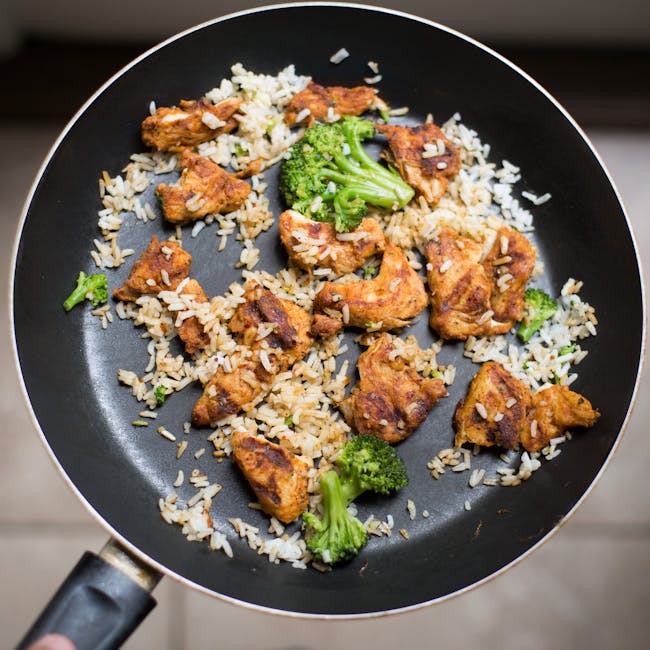
Quick Italian Skillet Dinners: Your Speedy Gateway to Authentic Flavor
The allure of Italian cuisine lies in its ability to transform simple, fresh ingredients into dishes bursting with vibrant flavor and comforting satisfaction. For busy weeknights or impromptu gatherings, the concept of a quick Italian skillet dinner offers a culinary solution that prioritizes speed without sacrificing authenticity. These one-pan wonders leverage the magic of a skillet to create layered flavors, tender ingredients, and minimal cleanup, making them an indispensable tool in any home cook’s arsenal. The beauty of an Italian skillet dinner lies in its inherent flexibility. A well-seasoned skillet, whether cast iron or stainless steel, becomes a miniature stage where aromatics are sautéed, proteins are seared to perfection, and vegetables are brought to a tender crisp. Sauces are often built directly in the pan, absorbing the rendered fats and caramelized bits, resulting in a depth of flavor that would be difficult to achieve with multiple pots and pans. This streamlined approach not only saves time during cooking but also dramatically reduces post-meal dishwashing, a welcome bonus for anyone seeking efficiency in the kitchen. The fundamental principles of a successful Italian skillet dinner revolve around building flavor systematically. It begins with a foundation of aromatics – finely chopped garlic and onions, perhaps a hint of chili flakes for a subtle kick. These are gently sautéed in good quality olive oil until fragrant and translucent, releasing their essential oils and infusing the cooking fat. Next comes the protein, whether it’s thinly sliced chicken breasts, lean Italian sausage, plump shrimp, or hearty white beans. The key is to cook the protein until it’s just done, allowing it to retain its moisture and tenderness. Overcooking is the enemy of a quick skillet meal, transforming potentially succulent ingredients into rubbery disappointments. Once the protein is seared, it’s often removed from the skillet temporarily, allowing space for vegetables to be cooked to their ideal texture – tender-crisp, retaining their natural sweetness and vibrant colors. Think of sweet bell peppers, tender zucchini, earthy mushrooms, or bright broccoli florets. The sauce is the soul of many Italian dishes, and in a skillet dinner, it’s a swift and potent affair. This can range from a simple deglazing with white wine or broth, to incorporating canned crushed tomatoes for a quick marinara, or even a swirl of cream for a richer finish. Herbs, both fresh and dried, play a crucial role in elevating the Italian character of these dishes. Basil, oregano, parsley, and thyme are classic choices, each contributing its unique aromatic profile. A final flourish of grated Parmesan cheese or a drizzle of extra virgin olive oil at the end adds a final layer of richness and visual appeal. The beauty of Italian cuisine’s regional diversity also translates into the world of skillet dinners. Imagine the sun-drenched flavors of the Mediterranean in a lemon-herb chicken and olive skillet, or the hearty comfort of a sausage and kale creation reminiscent of Northern Italy. Pasta, rice, or even crusty bread can be incorporated directly into the skillet, absorbing the delicious pan juices and becoming an integral part of the meal, further minimizing the need for separate side dishes. This is where the concept truly shines in its efficiency and flavor-packing potential.
The versatility of Italian skillet dinners extends to their adaptability for various dietary needs and preferences. For those seeking a plant-based option, hearty legumes like cannellini beans or chickpeas can provide protein and a satisfying texture, paired with a medley of roasted vegetables and a robust tomato sauce. Tofu or tempeh, pan-fried to a golden crisp, can also serve as excellent protein bases for vegan skillet meals, infused with classic Italian herbs and spices. Gluten-free eaters can rejoice in the natural absence of gluten in many skillet recipes, often relying on vegetables, proteins, and naturally gluten-free grains like rice or quinoa for their carbohydrate component. The skillet itself becomes a one-stop shop for a complete and balanced meal, catering to diverse dietary requirements without requiring elaborate substitutions or separate cooking methods. The ease of preparation and the inherent simplicity of Italian cooking lend themselves beautifully to quick skillet meals. The focus is on letting the natural flavors of the ingredients shine through, enhanced by strategic seasoning and efficient cooking techniques. For instance, a simple pan-seared chicken breast, finished with a squeeze of lemon and a sprinkle of fresh parsley, can be elevated into a complete meal when combined with sautéed spinach and cherry tomatoes directly in the same skillet. The residual heat from the chicken, combined with the olive oil and aromatics, creates a light yet flavorful sauce that coats the vegetables and herbs beautifully. Similarly, quick-cooking proteins like shrimp are ideal for skillet dinners. Sautéed in garlic and chili flakes, then tossed with linguine and a splash of white wine, they create an elegant yet incredibly fast dish that feels far more complex than its preparation time suggests. The key to maximizing flavor in a quick Italian skillet dinner lies in the quality of your ingredients and the proper execution of simple techniques. Fresh, vibrant produce will always yield superior results, and taking a moment to properly sauté your aromatics until fragrant will lay a crucial flavor foundation. Don’t be afraid to experiment with different herbs and spices; while basil and oregano are classic, consider adding a pinch of rosemary for a woodsy note, or a touch of smoked paprika for an unexpected smoky depth. The skillet’s direct heat allows for rapid cooking, which is perfect for tender vegetables like asparagus or zucchini, ensuring they remain bright green and retain a satisfying bite. For heartier vegetables like broccoli or cauliflower, a brief steam in the skillet, perhaps with a splash of water or broth, can help them achieve tenderness quickly. The beauty of the skillet is its ability to caramelize ingredients, adding a layer of sweet, nutty flavor that cannot be replicated by boiling or steaming alone. This caramelization is particularly important when cooking meats and vegetables, as it creates those delicious brown bits stuck to the bottom of the pan – known as the “fond” – which are the key to building a deeply flavorful sauce. Deglazing the pan with liquid, such as wine, broth, or even the juices from canned tomatoes, will release this fond and incorporate it into your sauce, transforming simple liquids into rich, savory elixirs.
Key Ingredients for Quick Italian Skillet Dinners:
- Proteins: Thinly sliced chicken breast or thighs, Italian sausage (mild or spicy), ground turkey or beef, shrimp, salmon, firm white fish (like cod or tilapia), cannellini beans, chickpeas, lentils, firm tofu.
- Aromatics: Garlic (minced or sliced), onions (yellow, red, or shallots), shallots, leeks.
- Vegetables: Bell peppers (any color), zucchini, yellow squash, broccoli florets, cherry tomatoes, spinach, kale, mushrooms, asparagus, artichoke hearts (jarred or canned), sun-dried tomatoes.
- Sauce Bases: Canned crushed tomatoes or diced tomatoes, tomato paste, white wine, chicken or vegetable broth, heavy cream, half-and-half, pesto, lemon juice.
- Herbs & Spices: Fresh basil, fresh parsley, dried oregano, dried thyme, red pepper flakes, black pepper, salt.
- Fats: Extra virgin olive oil, butter.
- Finishes: Grated Parmesan cheese, Pecorino Romano cheese, fresh mozzarella, a drizzle of good quality extra virgin olive oil.
- Optional Add-ins: Olives (Kalamata, Castelvetrano), capers, pine nuts, cooked pasta or rice, crusty bread for serving.
The inherent speed and ease of skillet cooking make it ideal for incorporating a variety of flavor profiles. Consider a "Tuscan-inspired" skillet dinner, featuring Italian sausage, cannellini beans, kale, and sun-dried tomatoes, all simmered in a light tomato broth. The savory sausage, earthy kale, and intensely flavored sun-dried tomatoes create a complex and satisfying dish that comes together in under 30 minutes. Another popular variation is a "Lemon Herb" skillet, where chicken or fish is pan-seared with lemon slices, garlic, and a medley of fresh herbs like rosemary and thyme. The citrus brightens the dish, while the herbs infuse it with fragrant Mediterranean notes. For a vegetarian delight, a "Mushroom and Spinach" skillet can be a revelation. Sautéed mixed mushrooms, wilted spinach, and garlic, perhaps finished with a splash of balsamic glaze, offer a deeply savory and earthy experience. The rapid cooking time in a skillet is crucial for preserving the texture and flavor of fresh ingredients. Overcooking vegetables can lead to a mushy, unappealing result, whereas a quick sauté in a hot skillet will render them tender-crisp, retaining their vibrant colors and natural sweetness. Similarly, delicate proteins like shrimp or fish cook in mere minutes, making them perfect candidates for fast skillet meals. The key is to have all your ingredients prepped and ready before you begin cooking, as the cooking process itself is often very quick. This mise en place approach ensures a smooth and efficient cooking experience, preventing any single ingredient from overcooking while others are still being prepared.
The development of a truly satisfying quick Italian skillet dinner often involves a delicate balance of sweet, savory, acidic, and sometimes a touch of heat. For example, the sweetness of bell peppers and onions, when caramelized in the skillet, can be beautifully complemented by the tang of diced tomatoes and the savory notes of Italian sausage. A squeeze of fresh lemon juice at the end can cut through the richness and add a bright, zesty finish. The textural contrast is also important. Think of tender chicken or sausage paired with the slight crunch of perfectly cooked bell peppers and the creaminess of cannellini beans. This interplay of textures makes each bite more interesting and enjoyable. Furthermore, the concept of building flavor layers in the skillet is paramount. Starting with sautéed garlic and onions creates an aromatic base. Then, browning your protein adds depth and a savory foundation. As vegetables are introduced and cooked, they release their own flavors and juices, which mingle with the existing elements in the pan. Finally, the sauce, whether it’s a simple reduction or a more complex blend of tomatoes and herbs, ties everything together. The beauty of the skillet is that it allows these flavors to meld and concentrate as they cook, resulting in a more intense and cohesive dish than if cooked in separate vessels. The use of high-quality olive oil as the cooking fat is fundamental to authentic Italian cooking, and its fruity notes contribute significantly to the overall flavor profile of skillet dinners. The residual heat from the skillet also plays a vital role in finishing the dish. A sprinkle of fresh herbs added at the very end, when the skillet is off the heat, will retain their vibrant color and aroma, providing a burst of freshness. Similarly, a final drizzle of excellent extra virgin olive oil, added just before serving, adds a touch of richness and a silky texture that elevates the entire dish.
The efficiency of Italian skillet dinners is not limited to weeknight meals; they are also excellent for entertaining guests with minimal fuss. A large skillet filled with a vibrant shrimp scampi or a hearty chicken cacciatore can be a showstopper, requiring only a simple side of crusty bread or a light green salad. The visually appealing nature of these dishes, with their colorful ingredients and rich sauces, makes them perfect for a more casual yet elegant dining experience. The reduction in cleanup time is a significant advantage when hosting, allowing the cook to spend more time with their guests and less time scrubbing pots and pans. The inherent adaptability of skillet meals means that you can tailor them to the specific tastes of your guests, whether they prefer spicier dishes, vegetarian options, or lighter fare. This flexibility makes skillet dinners a reliable and impressive choice for any occasion. The journey of creating a quick Italian skillet dinner is a testament to the power of simple, quality ingredients and efficient cooking techniques. It’s a culinary philosophy that celebrates flavor, speed, and ease, making authentic Italian tastes accessible to everyone, every night of the week. The satisfying sizzle in the skillet, the fragrant aroma filling your kitchen, and the delicious, vibrant flavors on your plate – these are the hallmarks of a truly successful quick Italian skillet dinner, a testament to the enduring appeal of Italian home cooking.


