
Simple Mac And Cheese

The Ultimate Guide to Simple Mac and Cheese: Comfort Food Perfection
Simple mac and cheese, a dish often associated with childhood nostalgia and effortless comfort, is a culinary cornerstone. Its deceptively basic ingredient list belies a profound capacity for deliciousness, achievable with minimal effort and common pantry staples. This article provides a comprehensive, SEO-friendly exploration of creating the perfect simple mac and cheese, delving into the science behind its creamy texture, the best noodle choices, cheese selections, and foolproof techniques. We will also address common pitfalls and offer simple variations to elevate this classic dish without sacrificing its fundamental simplicity.
At its core, simple mac and cheese is a testament to the power of emulsification. The magic happens when the fats from the cheese and butter combine with the starches released from the pasta and the liquid base, typically milk or a combination of milk and pasta water. This creates a smooth, cohesive sauce that clings beautifully to each macaroni elbow. The key to achieving this desirable texture lies in the ratio of ingredients and the method of cooking. Too much liquid and the sauce will be thin and watery. Too little liquid and the sauce will be clumpy and dense. The starch from the pasta itself plays a crucial role in thickening. When pasta is cooked, its surface releases starches into the cooking water. This starchy water, often drained away in other pasta dishes, becomes an invaluable thickening agent in mac and cheese, contributing to its signature creaminess.
Selecting the right pasta is paramount for a successful simple mac and cheese. While the name suggests macaroni, this is more of a broad category than a strict rule. The ideal pasta shape for mac and cheese possesses nooks and crannies, allowing the cheesy sauce to adhere and penetrate. Classic elbow macaroni is a popular choice for its small size and curved interior. Other excellent options include cavatappi (corkscrews), rotini (spirals), shells (conchiglie), and penne (quills). These shapes offer ample surface area and internal cavities to capture and hold the rich cheese sauce. Avoid very large shapes or extremely delicate pasta that might break apart during stirring. The cooking time of the pasta is also critical. It should be cooked al dente, meaning tender but still with a slight bite. Overcooked pasta will become mushy and disintegrate into the sauce, compromising the texture of the final dish. The residual heat of the sauce will continue to cook the pasta slightly, so a perfect al dente at the draining stage ensures optimal tenderness in the finished mac and cheese.
The heart of any mac and cheese is, of course, the cheese. For simple mac and cheese, the goal is a balance of meltability, flavor, and creaminess. Cheddar cheese is the undisputed king of mac and cheese. A good sharp or extra-sharp cheddar provides a robust, tangy flavor that cuts through the richness. However, relying solely on aged cheddars can sometimes result in a slightly grainy sauce due to their lower moisture content. To achieve superior meltability and a smoother sauce, it’s highly recommended to combine cheddar with a cheese known for its excellent melting properties. Gruyère, a Swiss cheese with a nutty and slightly sweet profile, is a fantastic partner to cheddar, adding depth and a luxurious texture. Monterey Jack offers a mild, creamy flavor and melts beautifully. Colby Jack, a marbled blend of Colby and Monterey Jack, provides both flavor and meltability. For an ultra-creamy, almost sauce-like texture, a small amount of cream cheese can be incorporated. It dissolves seamlessly into the sauce, adding a smooth, decadent richness. Avoid pre-shredded cheeses if possible. They often contain anti-caking agents that can prevent them from melting smoothly, leading to a less desirable sauce texture. Shredding your own cheese from blocks will yield a significantly better result.
The fundamental technique for simple mac and cheese involves cooking the pasta and then creating a cheese sauce, which is then combined with the drained pasta. A common and effective method is the stovetop method. First, boil a large pot of salted water and cook the pasta according to package directions, ensuring it’s al dente. While the pasta cooks, prepare the cheese sauce in a separate saucepan. A basic béchamel sauce, a white sauce made from butter, flour, and milk, forms the foundation of many creamy cheese sauces. Melt butter in a saucepan over medium heat. Whisk in an equal amount of all-purpose flour to create a roux. Cook the roux for 1-2 minutes, stirring constantly, until it’s lightly golden. This cooks out the raw flour taste. Gradually whisk in milk, a little at a time, ensuring each addition is fully incorporated before adding more. Continue whisking until the sauce thickens to a smooth, creamy consistency. This usually takes about 5-10 minutes. Once the béchamel is thickened, reduce the heat to low and gradually add the shredded cheese, stirring until completely melted and smooth. Season with salt and freshly ground black pepper to taste. Remember that cheese itself is salty, so taste before adding too much salt. Finally, drain the cooked pasta and add it directly to the cheese sauce. Stir gently to coat all the pasta evenly.
Another equally simple and effective method for simple mac and cheese is the one-pot method. This approach streamlines the cooking process by cooking the pasta directly in the liquid that will form the sauce. Start by combining uncooked pasta, milk, water, butter, and seasonings in a large pot or Dutch oven. Bring to a boil over medium-high heat, then reduce the heat to a simmer, stirring frequently to prevent the pasta from sticking. As the pasta cooks, it will release starches into the liquid, creating a creamy sauce. Once the pasta is al dente and most of the liquid has been absorbed, stir in the shredded cheese until melted and the sauce is thick and creamy. This method is incredibly efficient and minimizes cleanup, making it a favorite for busy weeknights. The key to success in the one-pot method is constant vigilance and frequent stirring to prevent sticking and ensure even cooking of the pasta.
Seasoning plays a vital role in elevating the flavor profile of even the simplest mac and cheese. Beyond salt and pepper, consider a pinch of nutmeg. This classic addition to béchamel sauces complements dairy and cheese beautifully, adding a subtle warmth and complexity. A dash of garlic powder or onion powder can also enhance the savory notes without adding a distinct garlic or onion flavor. For a slight tang and a subtle kick, a small amount of Dijon mustard or a splash of Worcestershire sauce can be incorporated into the cheese sauce. These additions are subtle enough not to overpower the primary cheese flavor but add layers of deliciousness.
While the focus is on simplicity, there are minor adjustments that can lead to significant improvements. For an even richer, more luxurious sauce, consider using a combination of milk and heavy cream. The higher fat content of cream contributes to an incredibly smooth and decadent texture. Using a portion of the pasta cooking water in your sauce, in addition to or instead of some of the milk, is another technique for achieving superior creaminess. The starches in the pasta water will help to emulsify the sauce and create a silken texture.
Preventing common mac and cheese mishaps is crucial for consistent success. The most frequent issue is a greasy or separated sauce. This often occurs when the cheese is overheated, causing the fat to separate from the milk solids. Lowering the heat when melting the cheese and adding it gradually, stirring constantly, will prevent this. Another common problem is a clumpy sauce, which can happen if the cheese is added too quickly or if pre-shredded cheese is used. Ensuring the roux is properly cooked and the béchamel is smooth before adding cheese will also help. Undercooked pasta can lead to a gummy texture, while overcooked pasta can disintegrate. Paying close attention to cooking times is essential.
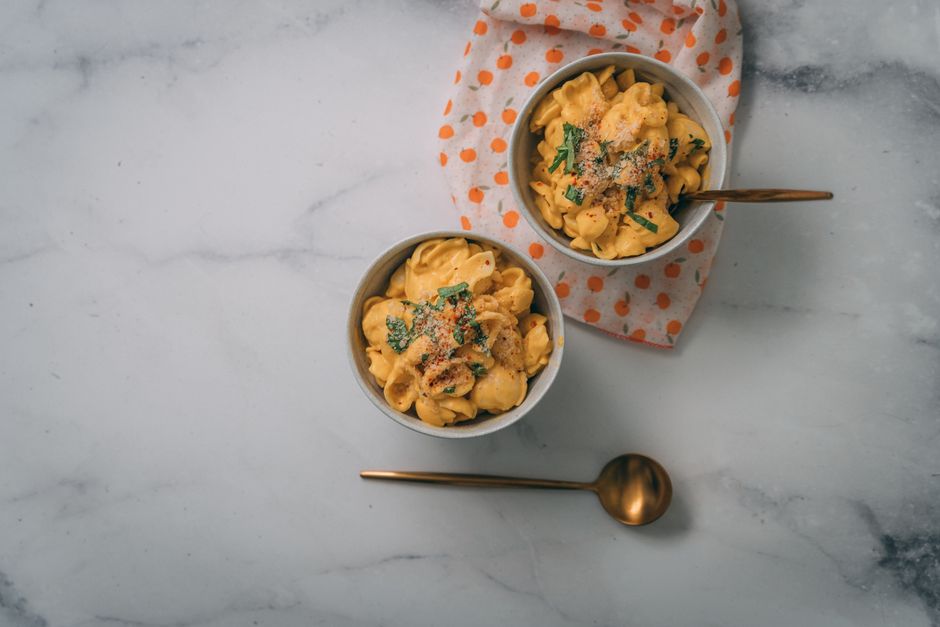
Simple mac and cheese, while perfect on its own, can also serve as a delicious base for minor enhancements that don’t stray too far from its comforting essence. For a touch of decadence, a sprinkle of breadcrumbs, tossed with melted butter and baked until golden brown, can add a delightful textural contrast. This transforms a stovetop mac and cheese into a baked macaroni and cheese, offering a pleasing crunch. Simple additions like a pinch of smoked paprika can introduce a subtle smoky note. For a bit of fresh zest, a sprinkle of finely chopped chives or parsley just before serving can add a burst of color and a hint of herbaceousness. These are not complex additions but rather subtle refinements that can elevate the overall experience.
When searching for recipes and information about simple mac and cheese, consider keywords such as "easy mac and cheese recipe," "creamy stovetop mac and cheese," "quick homemade mac and cheese," "best cheese for mac and cheese," "how to make macaroni and cheese from scratch," and "simple comfort food recipes." Understanding the underlying principles of emulsification and starch-binding will empower home cooks to troubleshoot and adapt recipes, ensuring a consistently delicious outcome. The beauty of simple mac and cheese lies in its adaptability and its ability to bring joy with minimal fuss. Mastering the fundamentals of this classic dish unlocks a world of creamy, cheesy, and satisfying comfort. The focus remains on quality ingredients, proper technique, and a keen understanding of how these elements interact to create a truly beloved culinary creation. The seemingly humble dish of simple mac and cheese, when executed with care and attention, transcends its basic components to become a truly remarkable and deeply satisfying meal.


