Surprise Your Loved Ones This Morning: How to Craft the Ultimate Japanese Egg Sando at Home with a Creamy Twist

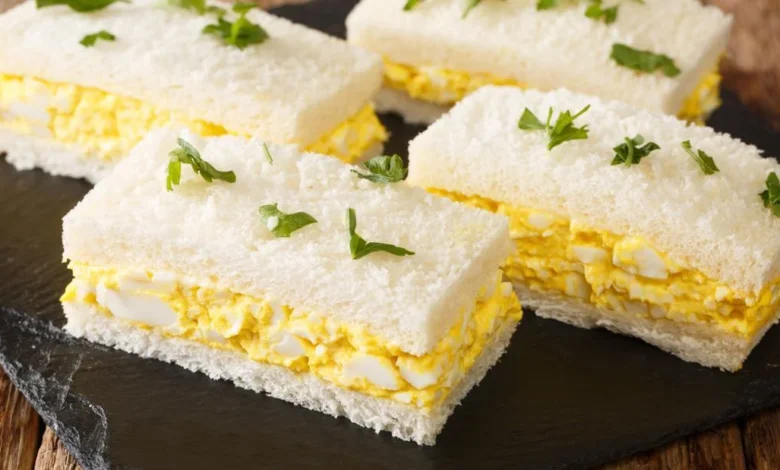
Jakarta — Breakfast preparation within the modern household has traditionally fallen under the domain of maternal responsibilities, yet shifting cultural paradigms and evolving domestic dynamics are encouraging a more collaborative approach to starting the day. Across urban centers, fathers and partners are increasingly stepping into the kitchen to surprise their families with thoughtfully prepared morning meals. Among the myriad culinary options available for a quick yet indulgent morning spread, the Japanese egg sandwich, universally known as the egg sando, has emerged as a premier choice. Combining simplicity with luxurious textures, this savory delight offers a refreshing departure from standard morning fare, presenting an ideal opportunity for partners to demonstrate appreciation through the universal language of food.
The rising popularity of the egg sando extends far beyond its aesthetic appeal on social media platforms. Rooted in the convenience store culture of Japan—where egg sandwiches are elevated to an art form—the dish relies on the harmonious contrast between pillowy-soft bread and a rich, creamy, protein-packed egg filling. By repurposing humble white bread into a gourmet experience, home cooks can deliver restaurant-quality results within minutes. Incorporating subtle flavor enhancers, such as a touch of sweetened condensed milk to balance the savory notes, elevates the traditional recipe into a memorable culinary gesture designed to delight spouses and children alike.
The Cultural Shift in Modern Household Roles
The culinary landscape of contemporary families is undergoing a silent revolution. Sociological shifts toward shared domestic responsibilities have redefined how partners support one another. While gestures of appreciation often manifest in verbal communication or physical gifts, acts of service—such as preparing the first meal of the day—carry profound emotional resonance. Culinary psychologists suggest that receiving a carefully prepared breakfast triggers a psychological sense of being cherished, reducing early-morning stress and setting a positive tone for the entire household.
In this context, the kitchen is no longer viewed strictly as a space for utilitarian meal preparation, but rather as a venue for creative expression and emotional bonding. Fathers and spouses looking for accessible ways to participate in daily household maintenance often find that mastering a few reliable recipes provides an immediate, tangible way to contribute. The egg sando serves as an optimal entry point for novice and experienced cooks alike, requiring minimal culinary training while delivering maximum gustatory satisfaction.
Understanding the Anatomy of the Perfect Egg Sando
Achieving the quintessential egg sando requires an understanding of its fundamental components: the bread, the eggs, and the binding agent. Unlike standard western sandwiches that often utilize dense or toasted slices, the authentic Japanese approach prioritizes maximum softness. The gold standard is shokupan, commonly referred to as Japanese milk bread or Hokkaido milk bread. Characterized by its fine crumb, milky aroma, and pillowy texture, shokupan creates a cloud-like matrix that cradles the rich filling without overpowering it. When authentic milk bread is unavailable, thick-cut, high-quality white bread serves as an adequate substitute, provided it remains fresh and un-toasted to maintain the signature textural contrast.
The filling itself relies on a dual-textured methodology. Traditionally, hard-boiled eggs are separated into whites and yolks, with the whites roughly chopped to provide structural integrity and mouthfeel, while the yolks are thoroughly mashed and emulsified with Japanese mayonnaise (such as Kewpie) to create a velvety, custard-like paste. To introduce a modern, localized flavor profile, culinary enthusiasts frequently incorporate a small quantity of sweetened condensed milk—specifically trusted brands like Frisian Flag Creamy Kental Manis—which introduces a subtle, rounded sweetness that cuts through the richness of the mayonnaise and balances the savory profile of salt and pepper.
Comprehensive Recipe Guide: The Creamy Japanese Egg Sando
For home cooks seeking to replicate this delicacy, the following structured recipe provides precise measurements and procedural steps designed for optimal results.
Recipe Specifications
- Preparation and Cooking Duration: 30 minutes
- Difficulty Level: Easy
- Yield: 3 servings
- Region of Origin: Japan
- Dish Category: Filled Bread / Sandwich
Ingredients Required
- 6 large eggs (farm-fresh, ensuring clean separation of whites and yolks)
- 4 to 6 thick-cut slices of shokupan (Japanese milk bread) or premium white milk bread
- 4 tablespoons high-quality mayonnaise (preferably Japanese kewpie-style for authenticity)
- 1 tablespoon sweetened condensed milk (such as Frisian Flag Creamy Kental Manis) for a delicate creamy sweetness
- 1 teaspoon yellow mustard (optional, for a subtle tangy kick)
- Fine sea salt, to taste
- Freshly cracked black pepper, to taste
- Unsalted butter, softened (optional, for spreading on the bread to prevent sogginess)
Step-by-Step Preparation Method
- Boil the Eggs to Perfection: Place the six large eggs in a medium saucepan and cover them with cold water. Bring the water to a rolling boil over medium-high heat. Once boiling, reduce the heat slightly and cook for precisely 9 to 10 minutes to achieve hard-boiled eggs with fully set whites and vibrant, creamy yellow yolks without the dreaded gray-green sulfur ring.
- Ice Bath Submersion: Immediately transfer the boiled eggs from the boiling water into a prepared bowl filled with ice water. Allow them to chill for at least 5 to 7 minutes. This stops the cooking process instantly and causes the egg shells to contract slightly, making them significantly easier to peel cleanly.
- Peel and Separate: Gently tap the cooled eggs on a hard surface to crack the shells, peel them under running water or in a bowl of water, and pat them dry with paper towels. Cut each egg in half. Separate the egg whites from the yolks, placing the whites into a mixing bowl and the yolks into a separate, smaller bowl.
- Prepare the Creamy Yolk Base: Using a fork or a small whisk, mash the egg yolks until they resemble a fine powder. Add the mayonnaise, sweetened condensed milk, mustard (if using), salt, and black pepper to the yolks. Whisk vigorously until the mixture transforms into a smooth, homogenous, glossy paste with a rich, creamy consistency.
- Chop the Whites: Roughly chop the reserved egg whites using a sharp knife. The pieces should not be minced into a paste; instead, maintain visible chunks to ensure the sandwich retains an appealing, varied texture upon biting.
- Combine the Filling: Fold the chopped egg whites into the creamy yolk mixture gently, ensuring that every piece of white is evenly coated with the rich sauce. Taste the mixture and adjust the seasoning with additional salt or pepper if necessary.
- Assemble the Sandwiches: Lay the slices of shokupan on a clean cutting board. If desired, spread a very thin layer of softened unsalted butter across the inner faces of the bread to create a moisture barrier. Generously spoon a thick, mound of the egg salad mixture onto one slice of bread, spreading it evenly toward the edges. Top with the second slice of bread, applying gentle, even pressure to secure the filling.
- Trimming and Serving: Using a long, sharp serrated bread knife, carefully slice off the crusts of the sandwiches for an authentic Japanese aesthetic. Cut the sandwiches cleanly in half diagonally or into neat rectangles. Serve immediately at room temperature alongside a cup of freshly brewed coffee or tea.
Nutritional Profile and Dietary Considerations
From a nutritional standpoint, the egg sando offers a balanced macronutrient profile well-suited for starting the day. Eggs remain one of the most complete sources of biological protein, containing all nine essential amino acids required by the human body for muscle repair, cognitive function, and metabolic regulation. Furthermore, eggs are rich in choline—a vital nutrient that supports brain health, memory retention, and cellular membrane integrity.
However, because the traditional recipe relies heavily on mayonnaise and dairy-based enrichments, caloric density is a notable factor. A single serving can provide substantial energy, making it an efficient meal for active individuals or growing families. For those monitoring caloric intake or dietary restrictions, substitutions such as light mayonnaise or Greek yogurt can be integrated into the yolk mixture, though purists argue that the authentic mouthfeel relies on the uncompromised richness of full-fat emulsions balanced by the delicate sweetness of condensed milk.
Broader Economic and Lifestyle Implications
The growing trend of preparing gourmet comfort foods at home reflects broader lifestyle adjustments observed in urban households over recent years. As populations navigate demanding professional schedules, the home has increasingly transformed into a sanctuary for relaxation and interpersonal connection. Culinary activities, once viewed merely as domestic chores, are now embraced as mindful hobbies that foster mental well-being and strengthen familial bonds.
Market analysts note a corresponding surge in consumer interest specialized baking ingredients—particularly premium bread flours and artisanal milk bread loaves—as home cooks seek to replicate cafe-style experiences within their own kitchens. The accessibility of recipes utilizing everyday pantry staples alongside specialized enhancements like Frisian Flag Creamy Kental Manis demonstrates how global culinary trends continuously adapt to local palates, creating unique fusion experiences that resonate across diverse demographics.
Ultimately, whether crafted as a surprise gesture of affection on a quiet weekend morning or prepared as a quick, protein-rich weekday breakfast, the Japanese egg sando stands as a testament to the fact that extraordinary culinary creations do not require complex techniques. Through careful attention to ingredient quality, texture, and presentation, anyone can transform a simple loaf of bread and a handful of eggs into an unforgettable morning masterpiece.
Related posts: