
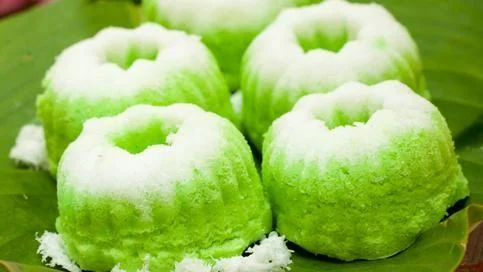
The landscape of Indonesian traditional street food, colloquially known as jajanan pasar, has long been defined by its rich diversity of textures, vibrant natural color palettes, and intricate flavor profiles that balance sweetness with savory undertones. Among the myriad offerings found in traditional morning markets and upscale culinary establishments alike, putu ayu stands out as a quintessential delicacy. Characterized by its remarkably soft, sponge-like crumb and crowned with a contrasting layer of freshly grated salted coconut, this green-hued steamed cake represents more than a mere afternoon snack; it is a testament to the historical ingenuity of Javanese domestic culinary arts. As modern consumers increasingly seek out nostalgic comfort foods paired with artisanal coffee and tea, traditional confections like putu ayu are undergoing a significant resurgence, bridging the gap between ancestral heritage and contemporary cafe culture.
Historical Background and Cultural Significance of Jajanan Pasar
To understand the cultural weight of putu ayu, one must examine the broader historical ecosystem of jajanan pasar within the island of Java. Historically, these traditional snacks served multiple functions in Javanese society, ranging from offerings in agrarian rituals and community celebrations to daily sustenance for laborers and aristocrats alike. The word pasar translates to market, reflecting the communal gathering spaces where these handmade goods were traditionally traded at dawn.
The Enduring Allure of Paragede Jaguang: A Deep Dive into West Sumatra’s Iconic Corn Fritters
Putu ayu, specifically originating from the cultural heartlands of Central and East Java, evolved as a localized adaptation of sponge-cake techniques introduced during the colonial era, combined with indigenous ingredients readily available in tropical agrarian landscapes. The use of rice flour, tapioca, coconut milk, and palm sugar formed the foundation of many regional sweets, but putu ayu distinguished itself through its unique cooking vessel and flavor architecture. The name itself translates poetically to "beautiful princess" or "pretty putu," a moniker earned through its delicate flower-shaped presentation and charming aesthetic appeal. Unlike cylindrical cylindrical forms of traditional putu bumbung—which are famously signaled by the shrill whistle of steam generators operated by street vendors—putu ayu is a stationary steamed cake typically prepared in domestic kitchens or specialized home industries.
Culinary Anatomy: Ingredients, Craftsmanship, and Texture
The sensory appeal of putu ayu relies heavily on precision in ingredient selection and batter chemistry. Structurally, the base of the cake resembles a classic chiffon or sponge cake, constructed from a whipped emulsion of whole eggs, granulated sugar, and emulsifiers, which are beaten to ribbon stage to incorporate maximum air volume. This aeration is crucial for achieving the characteristically soft, pillowy texture that melts upon consumption.
Folded gently into this airy foam are all-purpose flour, baking powder, and coconut milk or liquid dairy, which impart moisture and richness. The characteristic emerald-green hue of traditional putu ayu is not merely cosmetic; it serves as a nod to the reliance on natural botanicals in Indonesian cuisine. Historically, color is extracted by pounding and filtering fresh leaves of the fragrant screwpine (Pandanus amaryllifolius) combined with sweet flag leaves (Daun Suji). This botanical infusion provides a distinct, floral aroma that complements the sweetness of the cake.
The crowning element of putu ayu is its topping: freshly grated white coconut flesh mixed with a pinch of salt. This layer is pressed firmly into the bottom of specialized plastic or aluminum flower-shaped molds before the liquid batter is poured on top. During the steaming process, the fats and natural oils from the coconut bind with the expanding cake batter, creating a harmonious union. When inverted out of the mold, the snowy white coconut contrasts sharply against the vibrant green sponge, presenting a visual motif that has remained unchanged for generations.
Nutritional Profile and Modern Dietary Considerations
From a nutritional perspective, traditional Indonesian snacks like putu ayu occupy a unique space in the dietary habits of the archipelago. As urban populations grow increasingly health-conscious, nutritionists and food scientists frequently analyze the components of traditional street foods to understand their caloric and macronutrient impacts.
A standard serving of putu ayu—typically calculated as four individual pieces based on traditional dietary portions—provides a balanced mix of carbohydrates derived from wheat flour and sugars, moderate proteins from whole eggs, and fats sourced from coconut milk and grated coconut. Unlike modern hyper-processed confectioneries that rely on artificial trans fats and chemical preservatives, traditional putu ayu utilizes whole food components. The inclusion of fresh coconut introduces medium-chain triglycerides (MCTs), while pandan extract offers trace antioxidants associated with the botanical leaf.
However, modern culinary practitioners have begun adapting the traditional recipe to accommodate contemporary dietary preferences, such as gluten-free flour blends, unrefined coconut sugar (gula aren), and reduced-sugar formulations for diabetic consumers. These adaptations ensure that the heritage recipe remains viable in a dietary landscape increasingly dominated by wellness trends.
Economic Impact and the Micro-Enterprise Sector
Beyond its gastronomic value, the production and sale of putu ayu represent a vital micro-economic engine within Indonesia’s informal and semi-formal food sectors. Thousands of home-based enterprises, often operated by women micro-entrepreneurs, rely on the daily production of jajanan pasar to sustain household incomes.
Market data from culinary associations and retail analysts indicate that traditional cakes maintain a resilient market share, accounting for a significant portion of daily domestic food expenditures. These items are distributed through diverse channels, ranging from traditional wet markets (pasar tradisional) where vendors display colorful bamboo trays of assorted cakes, to modern digital platforms, catering services, and boutique coffee shops.
The low barrier to entry in terms of equipment—requiring primarily mixing bowls, a hand mixer, flower molds, and a multi-tiered steamer—allows marginalized community members to launch viable catering businesses with minimal capital expenditure. This grassroots economic activity reinforces the importance of preserving traditional recipes, as commercial demand directly supports local farmers supplying eggs, flour, coconut, and pandan leaves.
The Integration of Jajanan Pasar into Modern Cafe Culture
In recent years, a notable sociological shift has occurred regarding the perception of traditional street food among urban youth and the middle class. Once viewed as outdated or inferior to Western-style pastries, jajanan pasar has undergone a comprehensive rebranding campaign driven by aesthetic appreciation and national pride.
Contemporary cafes in metropolitan centers such as Jakarta, Bandung, and Surabaya now frequently feature curated selections of traditional sweets, including putu ayu, presented alongside specialty espresso beverages and artisanal teas. This culinary fusion highlights the versatility of putu ayu; its subtle sweetness and aromatic profile pair exceptionally well with the bitterness of black coffee or the astringency of green tea, matching or exceeding the pairing capabilities of imported croissants or muffins.
Food historians and cultural commentators attribute this trend to a broader global movement toward hyper-localism and culinary heritage reclamation. Consumers increasingly seek authentic experiences connected to a sense of place. By serving putu ayu in minimalist, vintage-themed cafes, establishment owners elevate humble street food into a gourmet commodity without stripping away its cultural context.
The Role of Digital Media and Recipe Democratization
The preservation and global dissemination of putu ayu have also been accelerated by the digital age. Culinary content creators, food bloggers, and professional pastry chefs frequently utilize video-sharing platforms and social media networks to demonstrate the step-by-step preparation of traditional Indonesian recipes.
Instructional videos detailing the precise whipping time for eggs, the correct consistency of coconut packing in the mold, and troubleshooting tips for achieving a smooth, non-cracked cake surface have garnered millions of views. This democratization of culinary knowledge ensures that younger generations, who may no longer learn these techniques directly from grandmothers in traditional kitchens, can access reliable instructions online. Furthermore, the visual nature of platforms like Instagram and TikTok elevates the photogenic qualities of putu ayu, inspiring international audiences to experiment with Indonesian baking techniques in kitchens across the globe.
Standardized Recipe and Preparation Methodology
For those seeking to recreate this traditional delicacy at home, adherence to specific methodological steps ensures optimal texture and flavor balance. Below is a standardized recipe adapted for home kitchens, designed to yield four moderate portions with a preparation and cooking duration of approximately 45 minutes.
Ingredients Required:
- All-purpose flour: 150 grams, sifted to remove lumps
- Granulated white sugar: 125 grams
- Large whole eggs: 2 units
- Cake emulsifier (such as SP or TBM): 1 teaspoon
- Coconut milk (medium thickness): 150 milliliters
- Pandan paste or strained juice from blended pandan and suji leaves: 1 tablespoon
- Grated white coconut flesh (from a young-mature coconut): 100 grams
- Salt: 1/4 teaspoon (mixed thoroughly into the grated coconut)
- Cooking oil or vegetable oil spray for greasing molds
Step-by-Step Preparation Method:
-
Preparation of Molds and Topping:
Begin by thoroughly mixing the grated coconut flesh with the quarter teaspoon of salt to ensure the savory profile is evenly distributed. Take small flower-shaped plastic or aluminum molds and lightly grease the interior surfaces with cooking oil to prevent sticking. Firmly press a small amount of the salted grated coconut into the bottom of each mold, ensuring it forms a compact layer that occupies roughly one-quarter to one-third of the mold’s depth. Set the prepared molds aside. -
Whipping the Egg and Sugar Base:
In a clean, dry mixing bowl, combine the whole eggs, granulated white sugar, and cake emulsifier. Using an electric hand mixer set to medium-high speed, beat the mixture continuously until it transforms into a pale, thick, and voluminous ribbon-like batter. This stage is critical; inadequate whipping will result in a dense, heavy cake rather than the desired soft, porous sponge. -
Incorporating Dry Ingredients and Liquids:
Reduce the mixer speed to the lowest setting. Gradually alternate adding the sifted all-purpose flour and the coconut milk into the whipped egg mixture, ensuring each addition is fully incorporated before adding the next. Pour in the pandan paste or natural leaf extract to achieve an even green coloration throughout the batter. Stop the mixer and use a rubber spatula to gently fold the batter from the bottom up, ensuring no pockets of flour remain. -
Assembling and Steaming:
Carefully pour the green pandan batter into the prepared molds directly over the pressed coconut layer, filling each mold almost to the rim. Prepare a multi-tiered steamer by bringing the water in the base pot to a rolling boil over medium-high heat. Ensure the lid of the steamer is wrapped tightly in a clean cloth or kitchen towel; this prevents condensed water vapor from dripping directly onto the cakes, which can cause the surface to become soggy or discolored. -
Cooking Process:
Arrange the filled molds inside the steamer basket, leaving sufficient space between them to allow unobstructed steam circulation. Cover securely and steam over medium heat for approximately 15 to 20 minutes. Avoid opening the lid prematurely, as sudden temperature drops can cause the sponge cakes to deflate. -
Demolding and Serving:
Once cooked, remove the molds from the steamer and allow them to cool for a few minutes until they are safe to handle. Gently run a thin, blunt tool around the inner edges if necessary, then invert the molds onto a serving plate to release the finished putu ayu cakes. Serve warm or at room temperature alongside freshly brewed hot tea or black coffee.
Conclusion: Sustaining Tradition in a Rapidly Changing World
The enduring popularity of putu ayu underscores the remarkable resilience of traditional Indonesian cuisine in the face of rapid globalization and changing dietary trends. By successfully navigating the transition from morning wet markets to upscale urban cafes, this humble steamed cake demonstrates that heritage foods possess both cultural relevance and commercial viability. As home cooks continue to embrace digital recipe sharing and culinary entrepreneurs innovate with presentation and ingredients, putu ayu remains a shining example of how culinary history can be actively preserved, celebrated, and enjoyed by modern generations across the globe.





0 Komentar
Sampaikan opini dan diskusi yang membangun dengan bahasa yang santun.
No Comments Yet
Be the first to share your thoughts on this story.