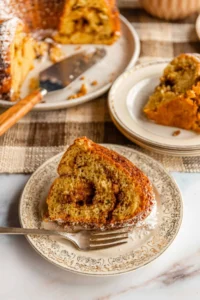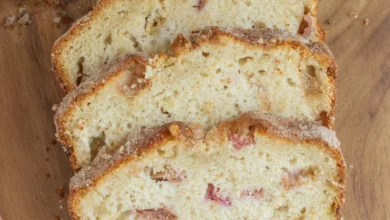
The culinary emergence of seasonal quick breads has seen a significant shift toward utilizing perennial vegetables in baking, with rhubarb standing out as a primary candidate for high-moisture, low-sugar pastry applications. Often categorized by culinary historians as a "tea bread" or "quick bread," this specific formulation relies on the chemical interaction between buttermilk and acidic fruit to achieve a tender crumb structure. Unlike traditional yeast-leavened breads, this loaf utilizes chemical leaveners—baking powder or baking soda—to achieve its rise, making it a staple in domestic kitchens due to its efficiency and reliability.
Historical Context and Botanical Significance
Rhubarb (Rheum rhabarbarum) has been a staple in Northern European and North American gardens for centuries, originally cultivated for its medicinal properties before becoming a culinary mainstay in the 18th century. Botanically, rhubarb is a vegetable, yet in 1947, a New York court famously ruled it should be treated as a fruit for tax purposes, acknowledging its primary use in sweet desserts. This duality is what makes it an ideal inclusion in quick breads; its naturally high acidity—derived from malic and oxalic acids—acts as a catalyst for tenderizing proteins in the flour, resulting in a cake-like texture rather than the chewy consistency of a fermented loaf.
Chemical Composition and Baking Science
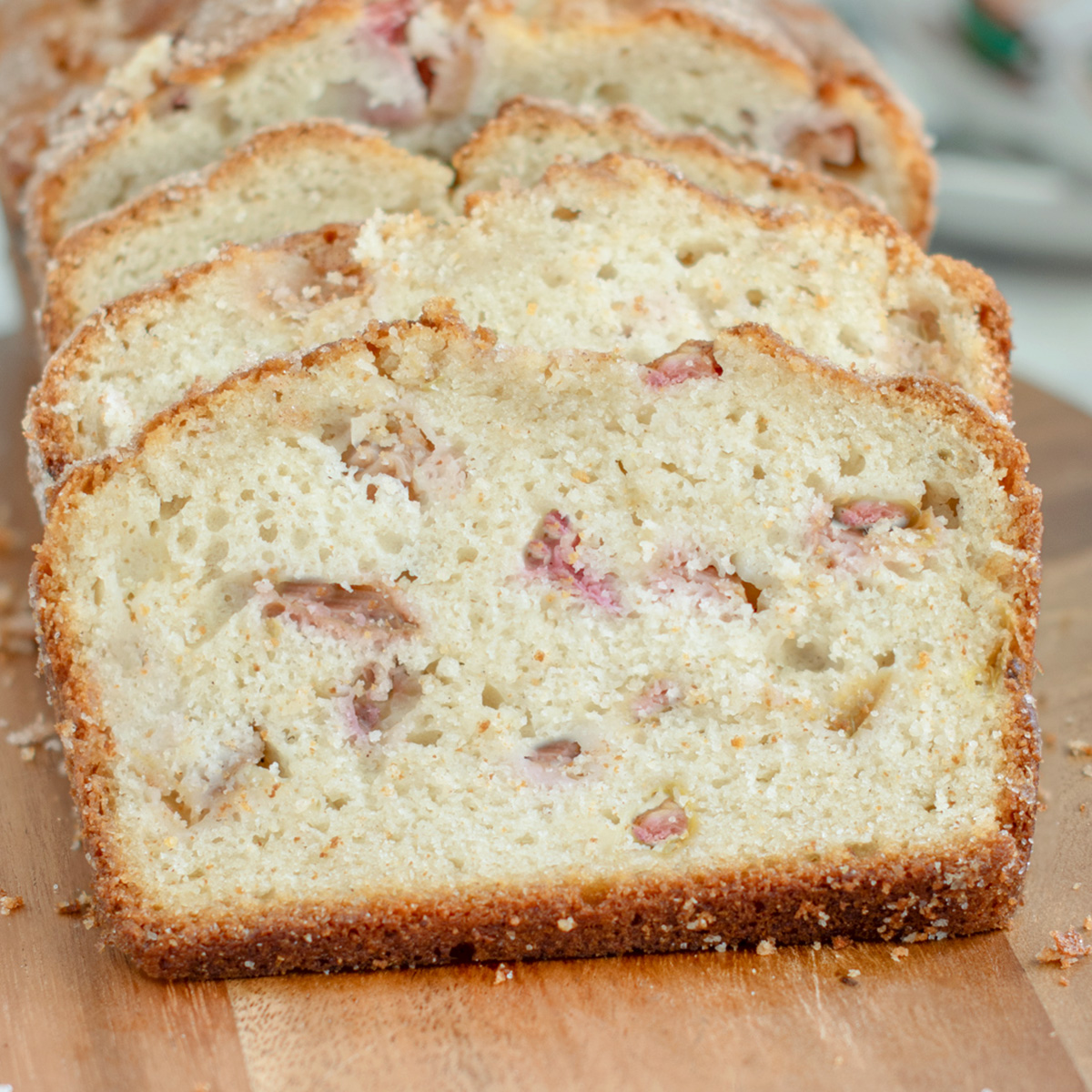
The structural integrity of this bread is dictated by the precise ratios of fats, liquids, and acids. The inclusion of buttermilk serves two distinct purposes: it provides the necessary acidity to activate leavening agents and adds a creamy, tangy profile that offsets the sharpness of the rhubarb. The oil, used instead of butter in many professional test kitchen formulations, ensures the loaf remains moist at room temperature for several days.
Data from food chemistry studies suggests that quick breads containing high-moisture inclusions, such as chopped rhubarb, are prone to structural collapse if not handled correctly. When rhubarb is baked, it releases water and natural sugars, which can cause heavy pieces to sink to the bottom of the pan. Professional bakers mitigate this by incorporating a "staged layering" technique. By pouring a portion of the base batter into the loaf pan before adding the main mass of the fruit, the bottom of the loaf begins to set, creating a base that supports the weight of the fruit, preventing the common "sinking" phenomenon that plagues many amateur home bakers.
Chronology of Preparation
For those attempting this recipe, the timeline is highly efficient, typically requiring 30 minutes of preparation and 60 minutes of active baking time.
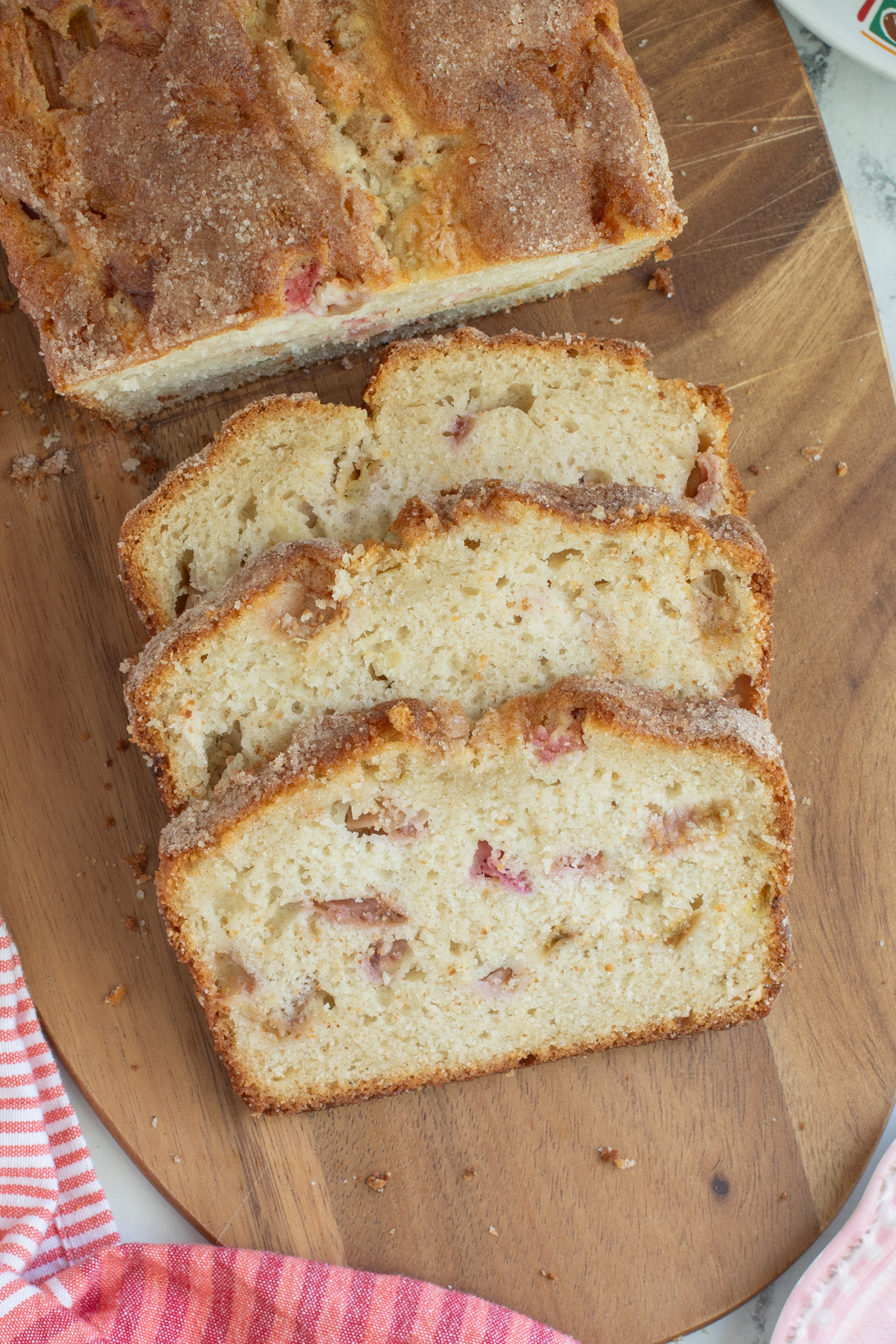
- Pre-Baking (0–15 minutes): Preparation involves cleaning and chopping the rhubarb into uniform half-inch pieces. Precise measurements are critical; for a standard 9-inch by 5-inch loaf, consistency in fruit size ensures even moisture distribution.
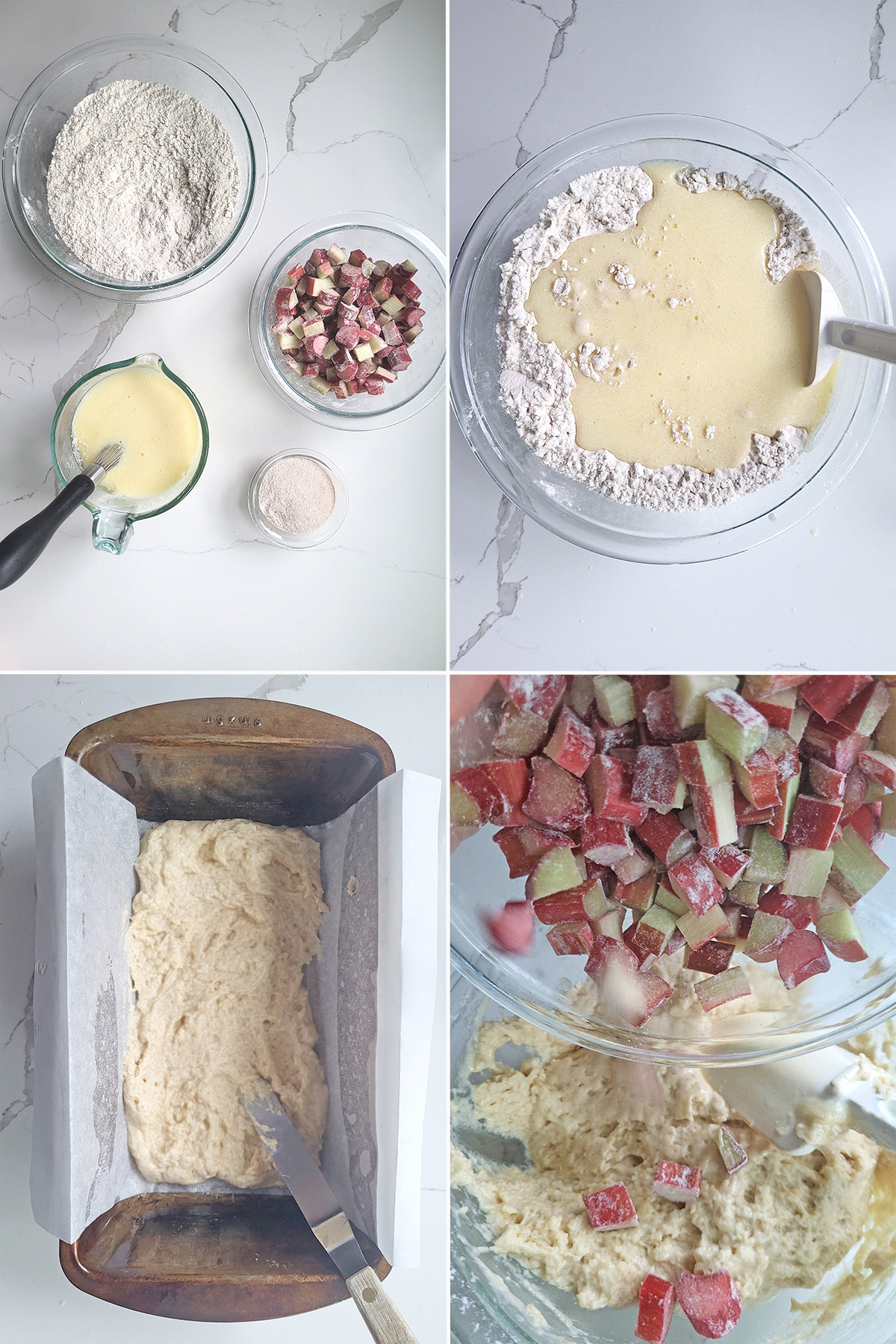
- Batter Assembly (15–30 minutes): Dry ingredients—flour, sugar, leavening, and spices—are combined separately from the wet components. Integrating the buttermilk and oil last prevents the over-development of gluten, which is essential for maintaining the tender, "short" crumb characteristic of a high-quality tea bread.
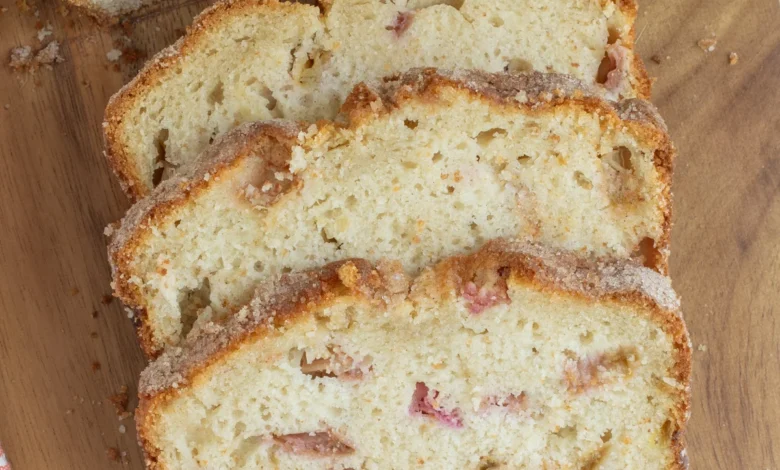
- The Staged Pour (30–35 minutes): The initial layer of batter is spread in the pan. The rhubarb is folded into the remaining mixture, and the final assembly is topped with a coarse, spiced-sugar mixture. This topping creates a textural contrast—a "craggy" exterior—that serves as a signature aesthetic and sensory element of the bread.
- Baking and Setting (35–95 minutes): Baking at a moderate temperature allows the interior to rise while the crust develops its characteristic crunch. Placing the loaf on the lower rack of the oven is a standard procedure to ensure the base sets before the internal moisture levels peak.
Nutritional Profile and Dietary Implications
From a nutritional standpoint, a standard slice of this quick bread—calculated at approximately 227 calories—provides a moderate energy source. The fat content, derived primarily from oil and the fats inherent in buttermilk, contributes to the satiety of the product. The carbohydrate profile is primarily derived from refined flour and sugar, though the fiber content from the rhubarb provides a nominal offset.
Recent trends in health-conscious baking have seen an increased interest in such recipes, as they allow for the reduction of added sugars by leveraging the natural tartness of the produce. When compared to commercially produced sweet breads, which often rely on high-fructose corn syrup and preservatives to maintain shelf stability, homemade rhubarb bread utilizes the natural preservative properties of organic acids, allowing for a shelf life of three to four days without the need for refrigeration.
Storage and Preservation Protocols
Food safety experts and professional bakers generally advise against the refrigeration of quick breads. The cold, moist environment of a refrigerator causes starch retrogradation—the process by which starch molecules recrystallize—which leads to the product becoming stale and brittle at an accelerated rate.
Instead, the ideal storage protocol involves keeping the loaf in an airtight container at room temperature. For long-term preservation, individual slices should be wrapped tightly in plastic wrap and then placed in a secondary moisture-proof freezer bag. This prevents freezer burn and allows for single-serve portions to be thawed at room temperature or briefly toasted, returning the spiced-sugar crust to its original state of crispness.
Broader Impact on Home Baking Trends
The resurgence of recipes like this suggests a broader societal trend toward "slow living" and the utilization of local, seasonal produce. As global supply chains face periodic volatility, the reliance on home-grown or locally sourced perennials like rhubarb has become a point of interest for both environmental advocates and culinary enthusiasts.
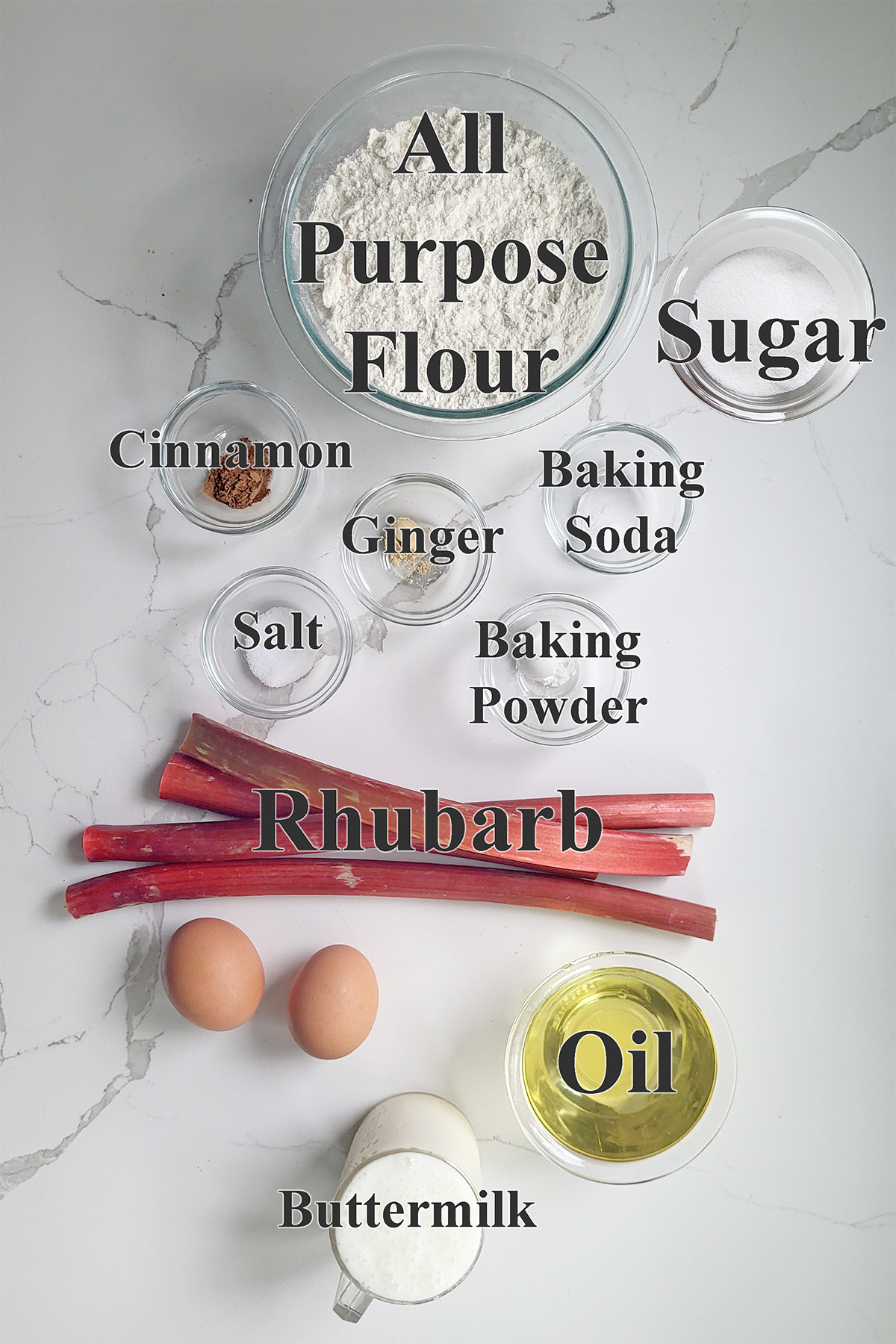
The simplicity of the ingredients—flour, sugar, buttermilk, oil, and rhubarb—belies the technical precision required for the perfect bake. The "dip and sweep" method for measuring flour remains a critical, albeit simple, technique for ensuring that the ratio of dry-to-wet ingredients remains consistent across different kitchens. By strictly adhering to these measurements, home bakers can achieve results that mirror the quality of professional bakery offerings.
Conclusion and Future Outlook
As culinary education continues to democratize, the barrier between professional pastry arts and home baking is thinning. The success of this rhubarb bread lies in its balance: the marriage of the acid in the rhubarb with the alkaline components in the leavening agent, and the textural contrast between the soft, buttermilk-enriched interior and the coarse, spiced-sugar exterior.
While the recipe is categorized as a simple quick bread, its success is a testament to the importance of technique over complexity. Whether served as a morning breakfast accompaniment or a late-afternoon tea-time treat, the longevity and popularity of this dish are expected to persist as consumers continue to prioritize recipes that utilize whole, seasonal ingredients in accessible, efficient formats. As more home bakers experiment with these ratios, the potential for further innovation—such as the incorporation of different spice profiles or the addition of complementary nuts—remains a fertile area for future culinary exploration.