The Ultimate Guide to Selecting the Best Apples for Baking and Crafting Autumn Desserts

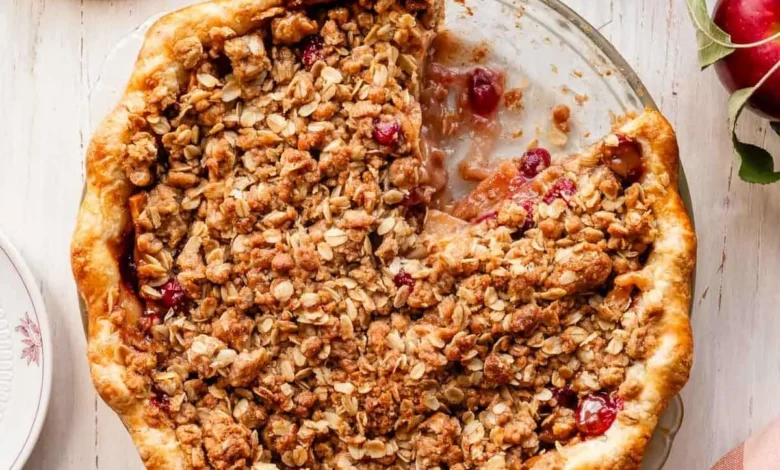
Apples have long held a foundational role in both commercial and domestic baking operations, serving as a versatile seasonal staple that transitions seamlessly from sweet pastries to savory culinary applications. While consumer demand for fresh apples remains steady twelve months out of the year, the autumn harvest brings a surge in baking activity, driving home cooks and professional pastry chefs alike to evaluate the science behind fruit selection. Achieving the optimal texture, moisture balance, and flavor profile in baked goods depends entirely on choosing the correct apple cultivar. Using the wrong variety can transform a structured apple pie or tart into an unappealing, watery puree, underscoring the necessity of understanding fruit chemistry in the kitchen.

The Science of Apple Texture and Heat Resistance
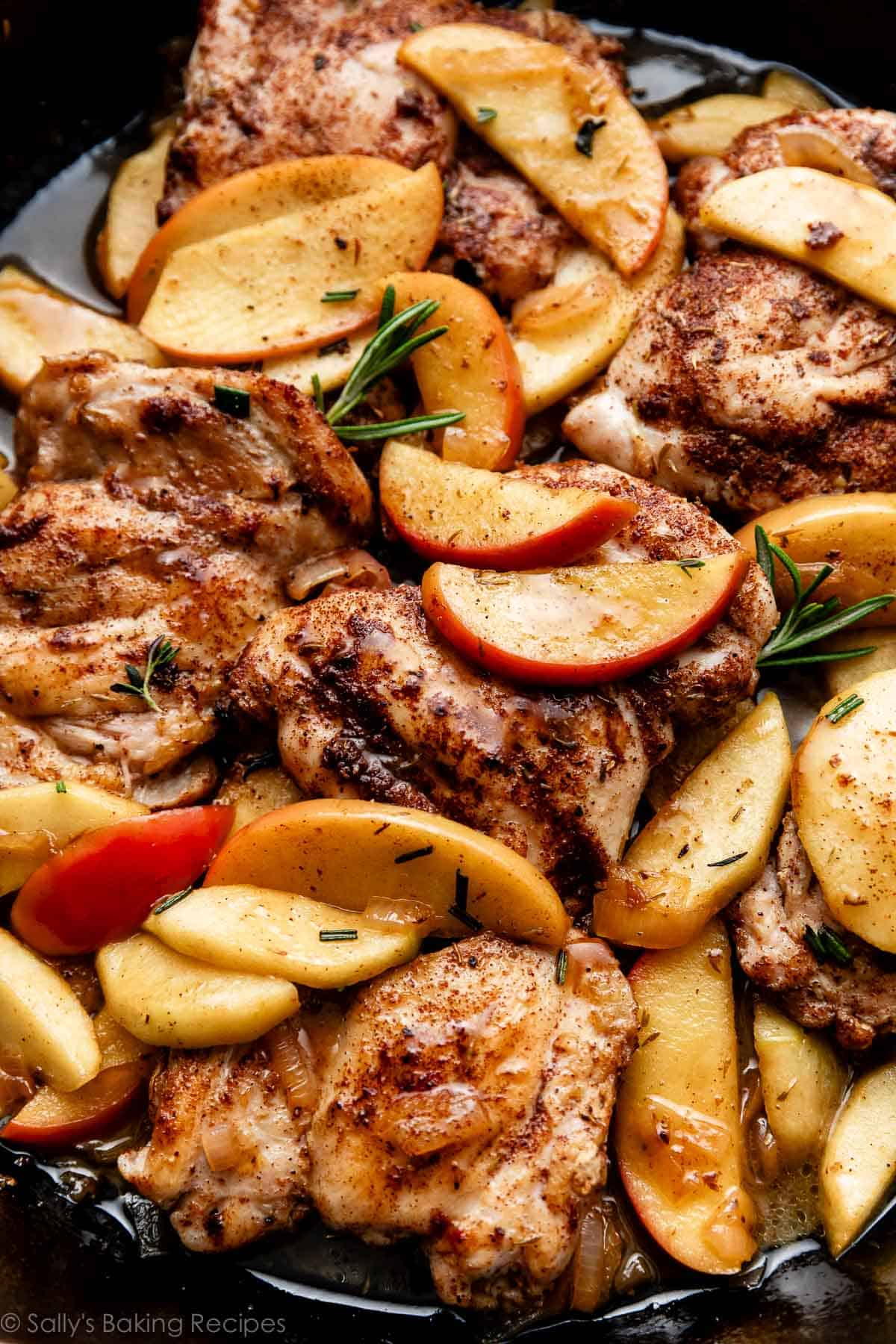
When subjecting fruit to high oven temperatures, cellular integrity becomes the primary variable determining success or failure. Culinary experts emphasize that an ideal baking apple must possess a firm, crisp cellular structure capable of retaining its shape under prolonged thermal exposure. Varieties characterized by soft, mealy, or creamy flesh—such as Red Delicious, Gala, and McIntosh—undergo rapid cell wall breakdown when heated. These soft cultivars release their internal moisture too quickly, rendering them structurally unsuitable for sliced or chunked applications. Instead, food scientists and experienced bakers recommend reserving soft varieties exclusively for processing into smooth condiments like applesauce and apple butter, where structural collapse is desirable.
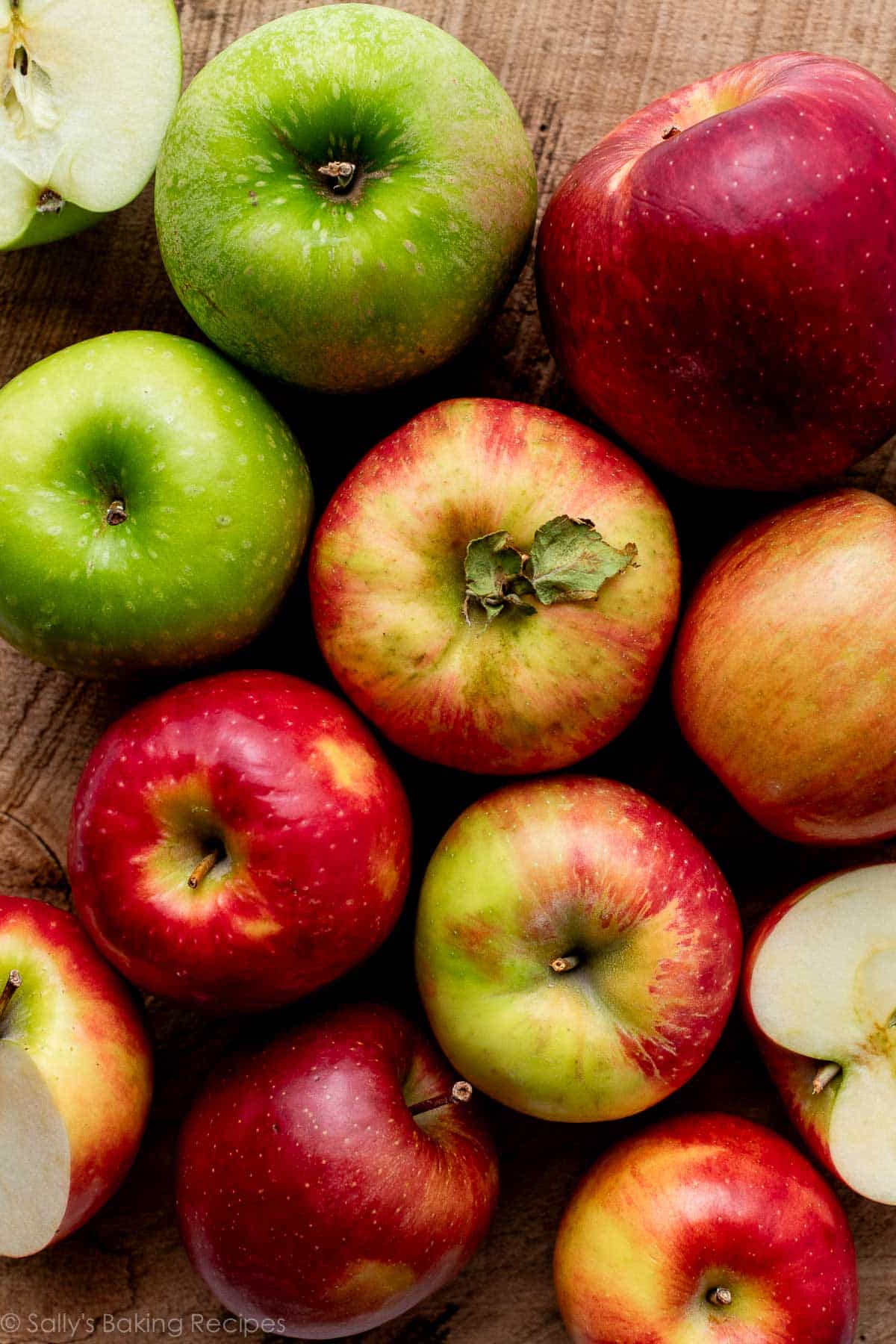
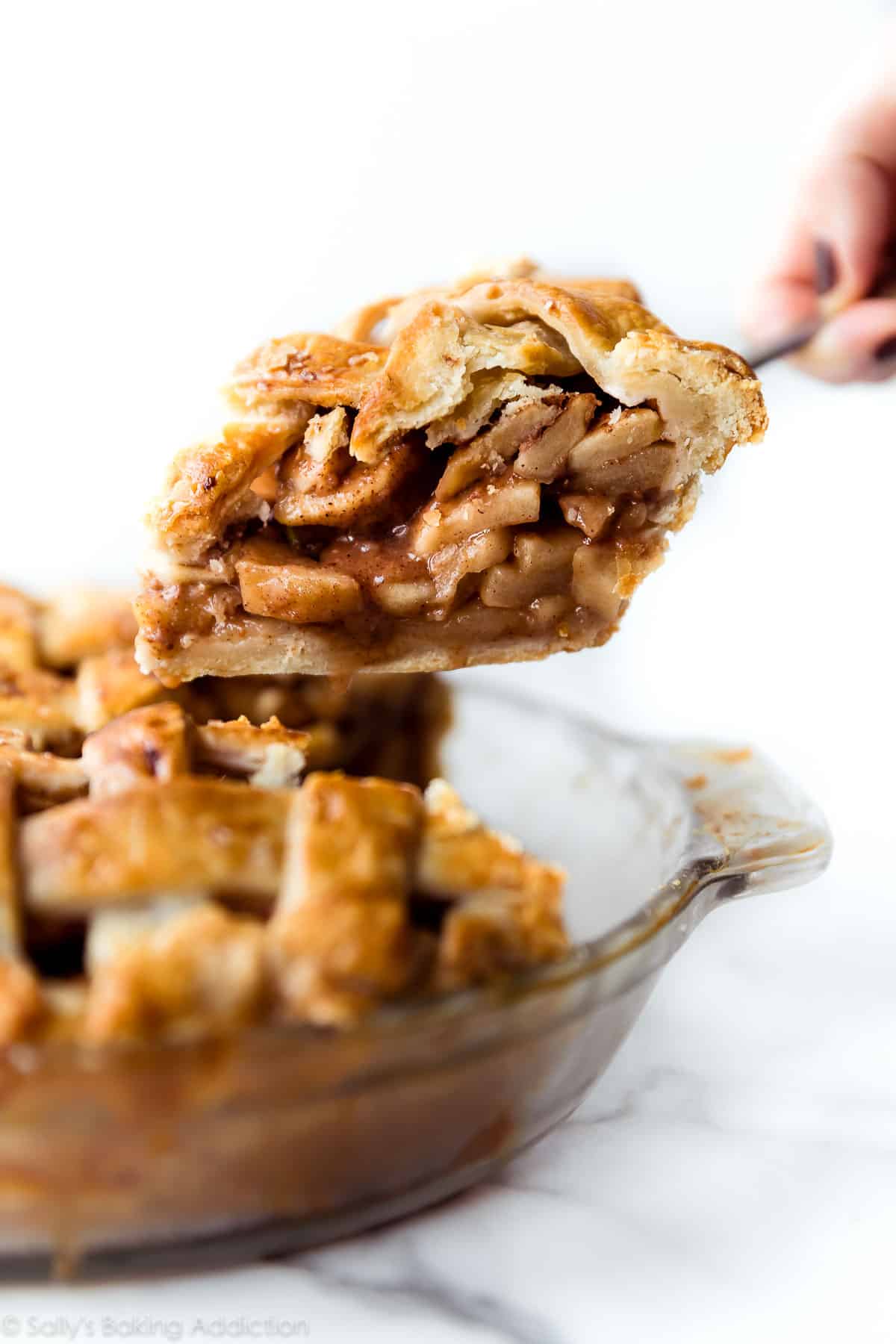
Conversely, firm cultivars containing dense pectin networks maintain their geometric integrity during the baking process. Varieties prized for their crunch create distinct, tender-yet-firm pieces within pastries, pies, and cobblers. This physical resilience prevents the accumulation of excess liquid in pastry crusts, mitigating the common culinary defect of a soggy bottom crust in deep-dish pies and tarts.
Flavor Profiles: The Case for Cultivar Blending
Achieving a sophisticated flavor profile in baked goods rarely relies on a single apple variety. Professional pastry development kitchens frequently advocate for a calculated blend of tart and sweet cultivars to build dimensional flavor. Relying solely on exceptionally sweet apples can result in a cloying, one-dimensional dessert once additional sugars and spices are introduced. Conversely, an exclusive reliance on intensely tart fruit may require excessive sweetening to balance the dish.
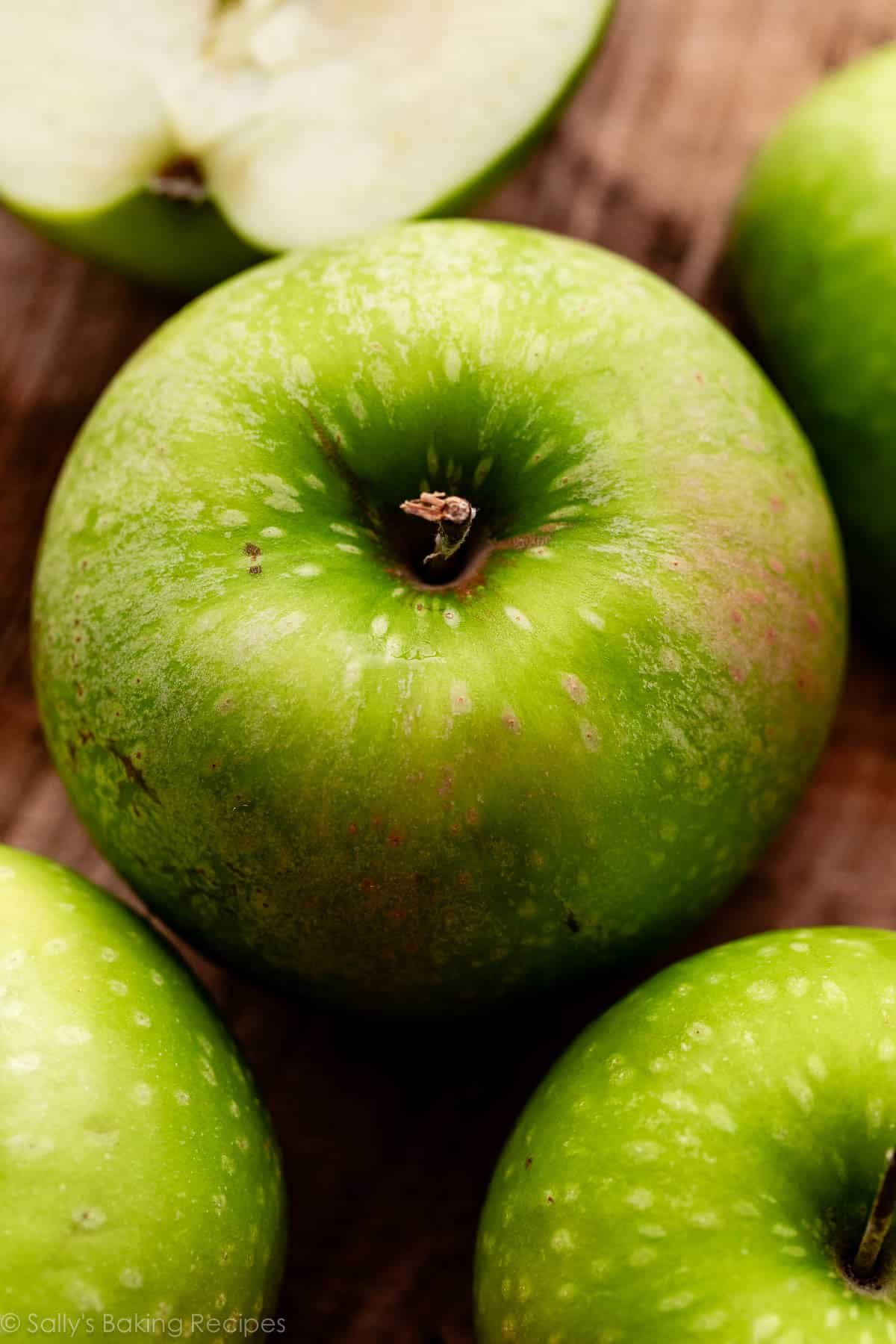
By combining contrasting varieties—such as pairing a sharply acidic apple with a honey-sweet, aromatic counterpart—bakers achieve a balanced acidity that cuts through heavy fats like butter and pastry crusts. Culinary standards suggest a balanced ratio, such as splitting the total fruit weight evenly between a tart anchor like the Granny Smith and a sweeter alternative like the Honeycrisp or Fuji. For bakers constrained to a single choice due to availability or preference, the Granny Smith remains the industry benchmark because of its high acidity and reliable structural stability.
Leading Apple Varieties for Commercial and Home Baking
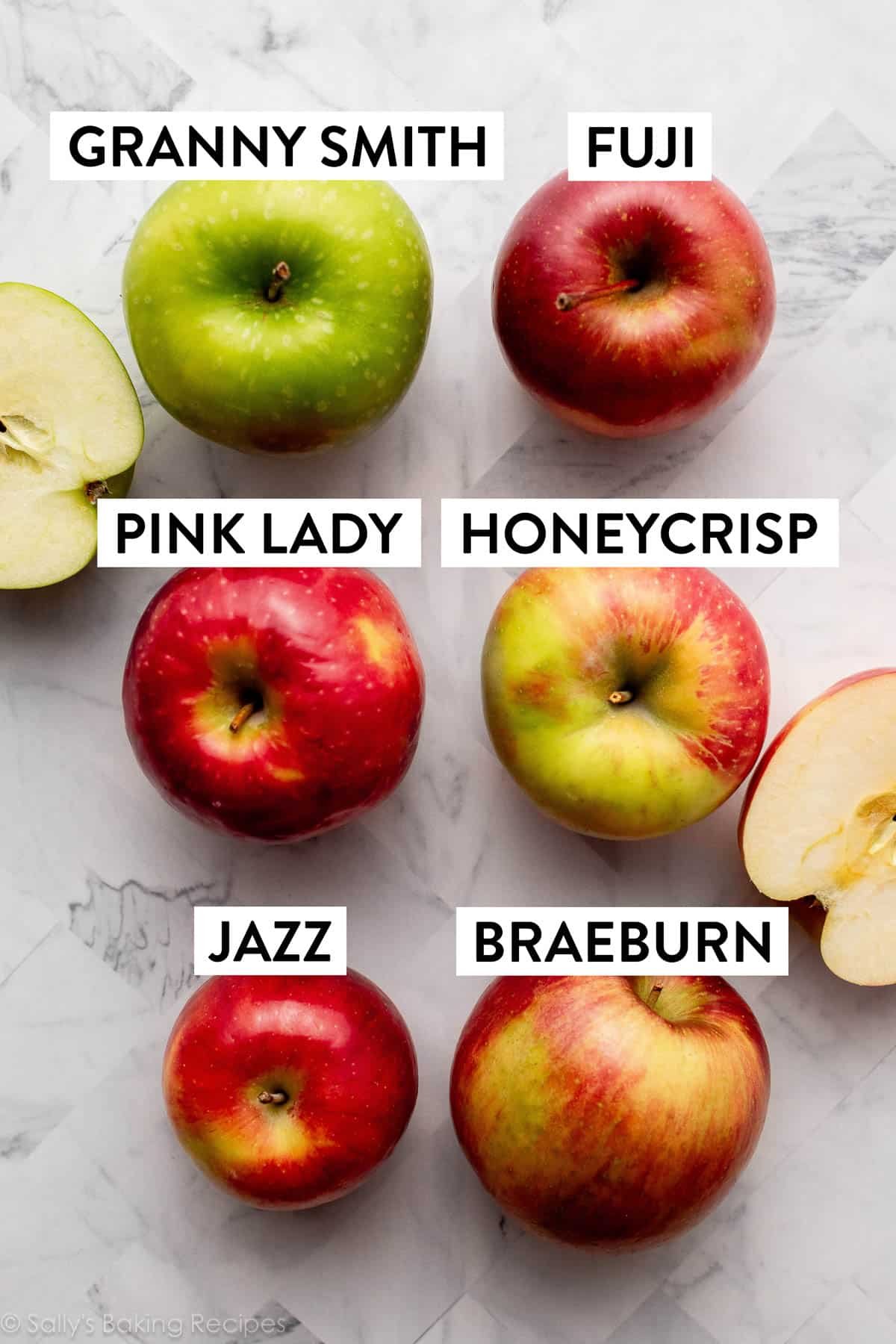
Granny Smith
Originating in Australia in the mid-nineteenth century, the Granny Smith has established itself as the global standard for culinary apples. Distinguished by its bright green skin and dense, crisp flesh, it offers a sharp, citrus-forward tartness that counterbalances added sugars in traditional pie fillings, cobblers, and caramel applications. Its high malic acid content preserves its distinct flavor even after extended baking times.
Braeburn
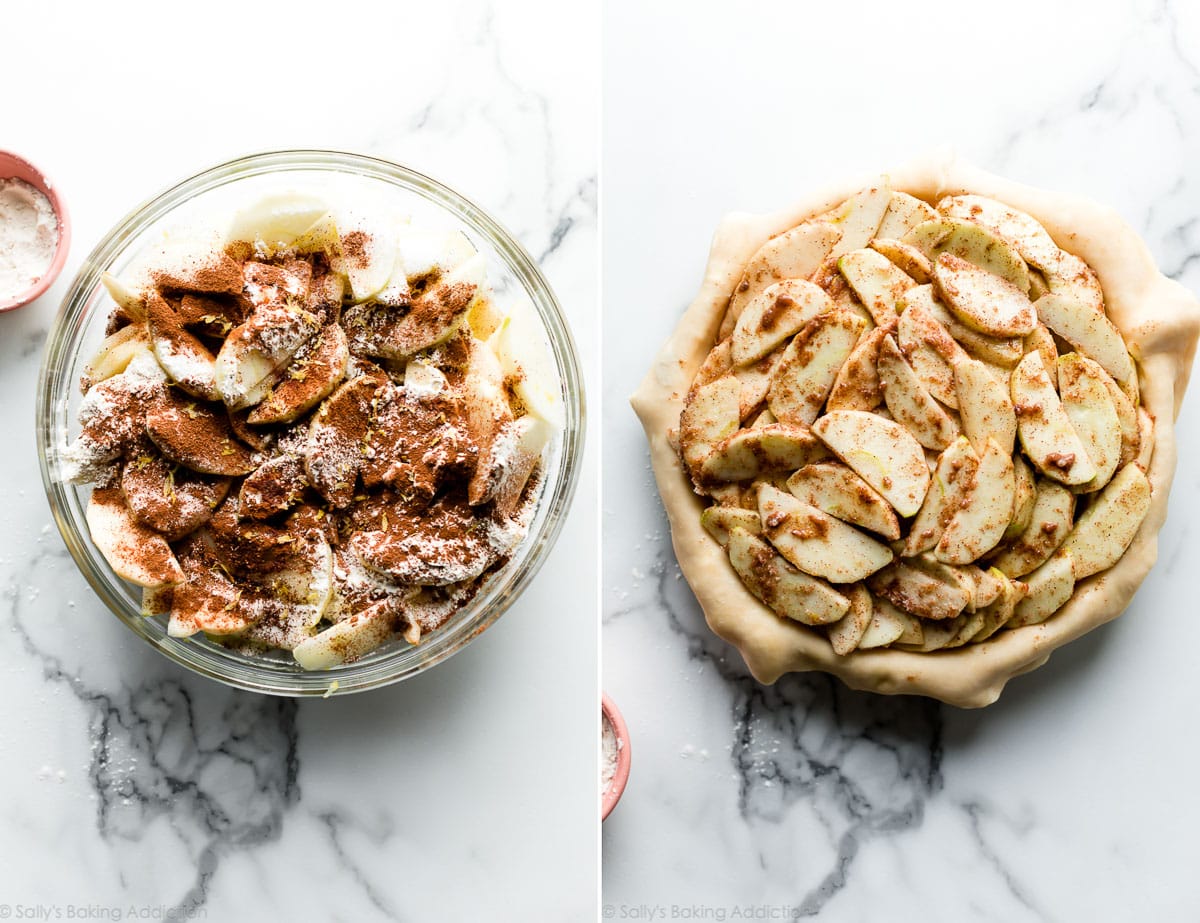
Discovered as a chance seedling in New Zealand, the Braeburn provides a complex, spicy-sweet flavor profile accompanied by a robust, fine-grained texture. While less intensely acidic than the Granny Smith, Braeburn apples hold their shape exceptionally well under heat, making them a favored choice for tarts and galettes requiring neat slices.
Honeycrisp
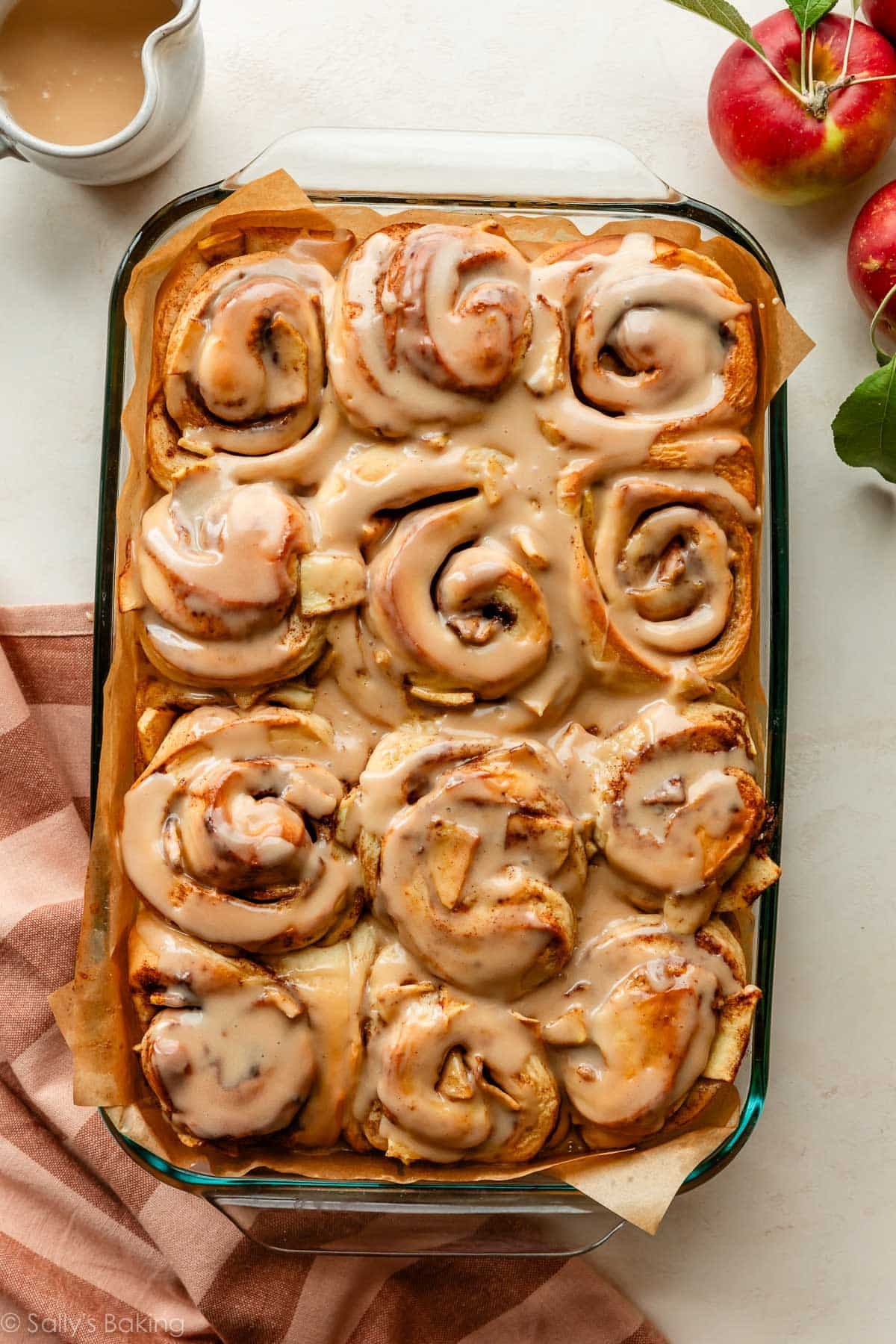
Developed by the University of Minnesota agricultural research program and introduced to the commercial market in 1991, the Honeycrisp revolutionized the apple industry. Characterized by exceptionally large cell structures that rupture cleanly upon biting, this variety delivers an ultra-juicy, honey-sweet flavor. When baked, Honeycrisp apples soften to a tender consistency while retaining enough structure to provide a rich, aromatic center in crisps and quick breads.

Pink Lady (Cripps Pink)
Bred in Western Australia by crossing Golden Delicious and Lady Williams, the Pink Lady is harvested late in the season. It features a distinct pinkish-red blush over a yellow background, a firm bite, and a balanced sweet-tart flavor. Its exceptional firmness makes it a top recommendation for whole baked apples and deep-dish pastries where visual presentation and shape retention are paramount.

Jazz
A relatively modern cross between Braeburn and Royal Gala, the Jazz apple offers a dense, very crisp bite with a mildly tangy sweetness. Its balanced flavor and slow-browning flesh make it an optimal choice for mixed-variety pie fillings, offering a reliable middle ground between extreme tartness and sugary sweetness.
Preparation Techniques and Equipment Standards
Proper mechanical preparation is a critical phase in dessert production. The removal of apple skins depends entirely on the specific recipe requirements. While certain rustic galettes and casual crumbles benefit from the fiber and texture of intact peels, structured desserts like traditional double-crust pies typically require peeled fruit to ensure a uniform mouthfeel. Mechanical apple peelers and paring knives remain standard tools in professional and domestic kitchens, with culinary historians noting an ongoing debate over peeling technique—whether continuous spiral ribbon removal or vertical slicing yields greater efficiency.
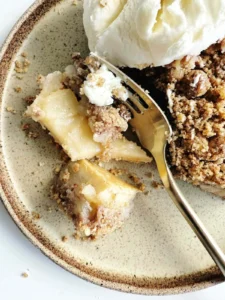
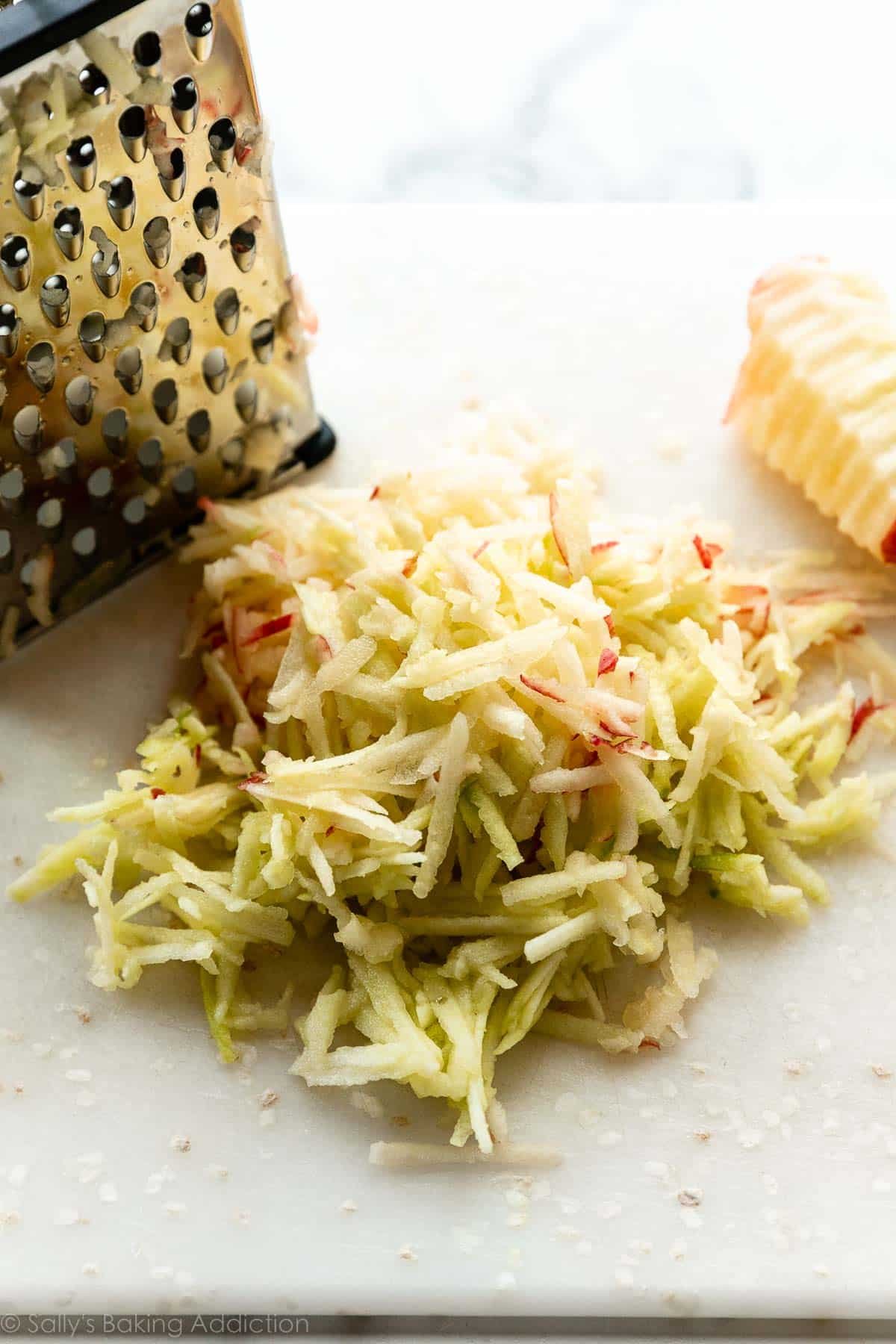
Beyond peeling, the geometry of the cut significantly influences cooking times and texture distribution. Standard culinary guidelines recommend slicing apples into uniform segments approximately one-quarter of an inch thick for traditional pies, turnovers, and cobblers to ensure even heat penetration. For apple crisps and crumbles, rough-chopped chunks are preferred to facilitate portioning and consumption with a spoon. For applications requiring complete integration into a batter, such as morning glory muffins or spice cakes, a standard box grater is utilized to shred the fruit, maximizing moisture distribution throughout the crumb.

Broader Economic and Agricultural Implications
The increasing demand for specialized baking apples has exerted a notable influence on modern agricultural markets and orchard management practices. Agribusiness analysts report that consumer awareness regarding cultivar-specific characteristics has shifted purchasing patterns away from legacy mass-market varieties toward premium club apples like Honeycrisp and Jazz. This shift has prompted orchardists to invest in high-density planting systems, advanced irrigation technologies, and specialized storage facilities, such as controlled-atmosphere warehouses, to extend the availability of crisp, premium baking fruit well beyond the traditional autumn harvest window. Consequently, home bakers enjoy unprecedented access to high-performance baking ingredients year-round, elevating the baseline quality of seasonal and everyday pastry production.