
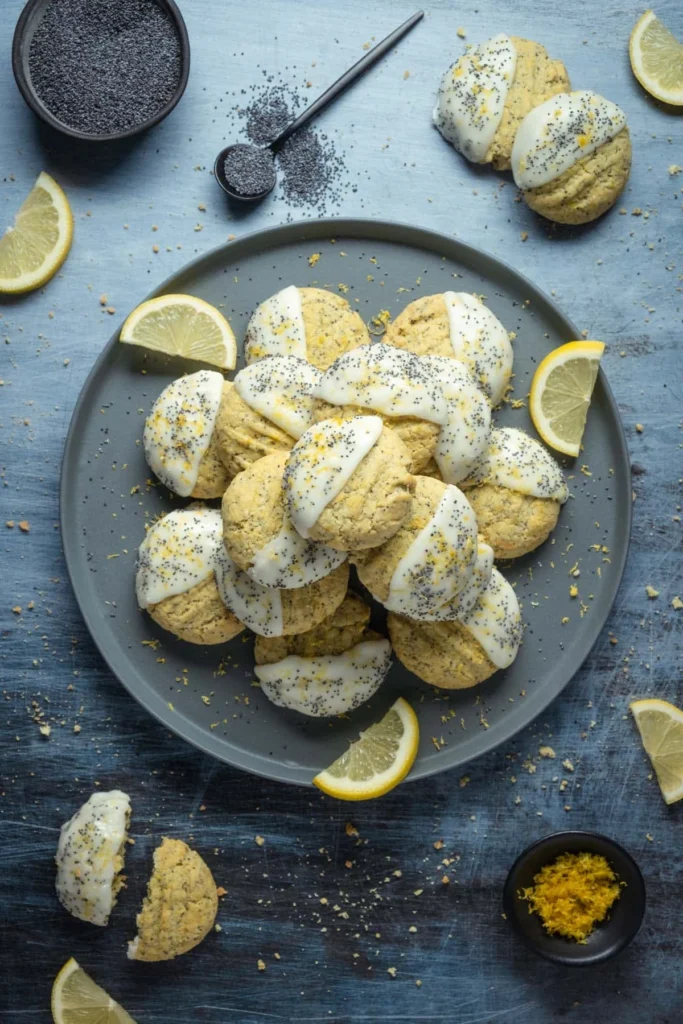
This specific iteration of the lemon poppy seed cookie demonstrates an advanced understanding of fat-emulsification techniques, ensuring that the absence of eggs and dairy does not compromise the structural integrity or the sensory profile of the finished product. By utilizing high-quality plant-based fats, fresh citrus zest, and the distinct crunch of poppy seeds, these cookies serve as a prime example of how plant-based diets are evolving beyond mere substitution toward genuine gastronomic refinement.

The Evolution of Plant-Based Baking
The transition toward plant-based desserts is supported by substantial market data. According to reports from the Good Food Institute and various food industry analysts, the global plant-based baked goods market is projected to reach several billion dollars by the end of the decade. This growth is largely attributed to the increasing availability of sophisticated vegan ingredients, such as high-performance vegan butter alternatives that mimic the melting point and plasticity of traditional dairy butter.

In the case of these lemon poppy seed cookies, the recipe relies on the interaction between the acidity of lemon juice and the leavening agents typically found in vegan baking, such as baking soda or baking powder. When these elements react, they create a light, airy crumb that has historically been difficult to achieve without animal-derived protein. The inclusion of poppy seeds provides a contrasting textural element, which is a hallmark of classic citrus-based pastry profiles.
Vegan Cauliflower Mac and Cheese

Technical Composition and Culinary Methodology
Achieving the "perfectly soft" texture mentioned in the development of this recipe requires precise temperature control and the careful integration of ingredients. Professional bakers often emphasize the importance of creaming the vegan butter with sugar to introduce air into the mixture, which is essential for the final lift of the cookie.

The process typically follows a systematic timeline:

- Preparation of the Base: The emulsification of plant-based fat and sugar, followed by the addition of lemon extract and freshly grated zest to infuse the fat with essential oils.
- Integration of Dry Ingredients: Sifting flour, leavening agents, and salt to ensure a consistent crumb structure.
- The Inclusion of Poppy Seeds: Carefully folding in the seeds to ensure an even distribution throughout the dough without overworking the gluten, which would result in a tough, unappealing texture.
- Thermal Processing: Baking at a controlled temperature to ensure the centers remain soft while the edges achieve a slight, golden-brown structure.
- The Glazing Phase: The application of a high-viscosity lemon glaze, which adds a final layer of moisture and a concentrated punch of citric acid, balancing the sweetness of the sugar.
Nutritional Implications and Dietary Considerations
From a nutritional standpoint, these cookies offer an alternative for individuals with specific dietary restrictions, including lactose intolerance and egg allergies. A single serving contains approximately 139 calories, with a moderate fat content and 2 grams of protein. While cookies remain a confectionery item, the shift toward plant-based ingredients often results in the exclusion of dietary cholesterol, which is prevalent in traditional butter-and-egg-heavy recipes.

Dietitians often note that while plant-based treats are not inherently "health foods," they often contain fewer saturated fats than their conventional counterparts. The use of natural lemon zest also provides a small, albeit negligible, amount of vitamin C and essential phytonutrients that are absent in processed snacks.

Market Trends and Consumer Demand
The popularity of these specific cookies is part of a broader trend of "premiumization" in the vegan sector. Consumers are no longer satisfied with simple, bland vegan alternatives; they expect high-end aesthetics, complex flavor profiles, and textures that are indistinguishable from traditional recipes.

Industry experts suggest that the "lemon poppy seed" flavor profile is a perennial favorite, favored for its association with freshness and its versatility across seasons. By framing this as a dessert that is suitable for parties, casual snacks, or personal indulgence, the recipe addresses the demand for versatility in home baking.

Practical Implementation for Home Bakers
For those attempting to replicate these results in a domestic kitchen, there are several industry-standard tips that ensure success. One common issue in vegan baking is the tendency of cookies to spread unevenly. Professional bakers recommend the following:

- Flattening: Unlike traditional cookies that rely on egg proteins to set, vegan doughs often require manual shaping before they enter the oven. Using a flat-bottomed glass or a fork to press the dough balls ensures that they bake uniformly.
- Batch Management: Baking one tray at a time is a critical operational tip. Crowding the oven can lead to inconsistent heat distribution, which may result in some cookies being under-baked in the center while others are scorched on the edges.
- Storage Protocols: Because these cookies lack the stabilizing proteins of eggs, they are best kept in airtight containers. If stored at room temperature, they remain fresh for approximately one week; for long-term storage, they can be frozen for up to three months without significant loss of quality, provided they are properly sealed to prevent freezer burn.
Broader Implications for the Baking Industry
The success of such recipes highlights the democratization of professional-grade baking techniques. Social media platforms and digital food publications have allowed for the rapid dissemination of these methods, effectively lowering the barrier to entry for home bakers who wish to adopt a plant-based lifestyle.

Furthermore, the impact of these recipes on the broader culinary industry is significant. As more consumers adopt veganism, commercial bakeries and cafes are under increasing pressure to provide high-quality vegan alternatives that do not sacrifice taste. This recipe serves as a benchmark for what can be achieved with standard household equipment and readily available plant-based ingredients.

Conclusion
Vegan Lemon Poppy Seed Cookies represent more than just a sweet treat; they are a manifestation of modern food science and shifting consumer values. By prioritizing fresh, high-quality ingredients and adhering to the technical principles of professional baking, the recipe provides a reliable and delicious outcome for a wide demographic. As the demand for plant-based alternatives continues to climb, the standard for such recipes will undoubtedly continue to rise, pushing the boundaries of what is possible in vegan confectionery. Whether for a small-scale gathering or personal consumption, the technical precision and flavor balance of these cookies offer a definitive look at the future of modern baking.






0 Komentar
Sampaikan opini dan diskusi yang membangun dengan bahasa yang santun.
Belum Ada Komentar
Jadilah yang pertama memberikan tanggapan mengenai berita ini.